

- How Superfiliate Works For You and Your Business
- How Levanta Works For You and Your Business
- Levanta vs Superfiliate: Knowing Your Roster and Understanding Its Units
- Where Each Platform Might Fall Short for Your Needs
- The Case For Running Both Platforms Together
- Always Start With Sequence, Not Software
Last Updated on August 20, 2026 by Ewen Finser
When comparing Levanta vs Superfiliate, one of the most important things to consider is where your affiliate sales actually happen. Many brands sell through both their own Shopify store and Amazon, but those channels don’t always tell the same story.
I once worked with a brand that had been running creator campaigns for months while keeping a close eye on Shopify sales. The results looked disappointing, so the team assumed the campaigns weren’t performing.
Later, they discovered that Amazon sales for those same products had been steadily increasing during the exact same period. The creators were generating sales, but those purchases were happening on a different channel than the one the brand was tracking.
This is why understanding attribution is so important.
Every creator reaches a different audience and influences buying decisions in different ways. A creator with a smaller, highly engaged audience may consistently drive purchases, while another with a much larger following may generate more awareness than conversions. Without clear reporting, it can be difficult to understand which partnerships are delivering the best results or where your marketing dollars are having the greatest impact.
As we compare Levanta and Superfiliate, it’s helpful to consider where your customers prefer to shop, how you measure affiliate performance, and which sales channels are most important to your business.
How Superfiliate Works For You and Your Business
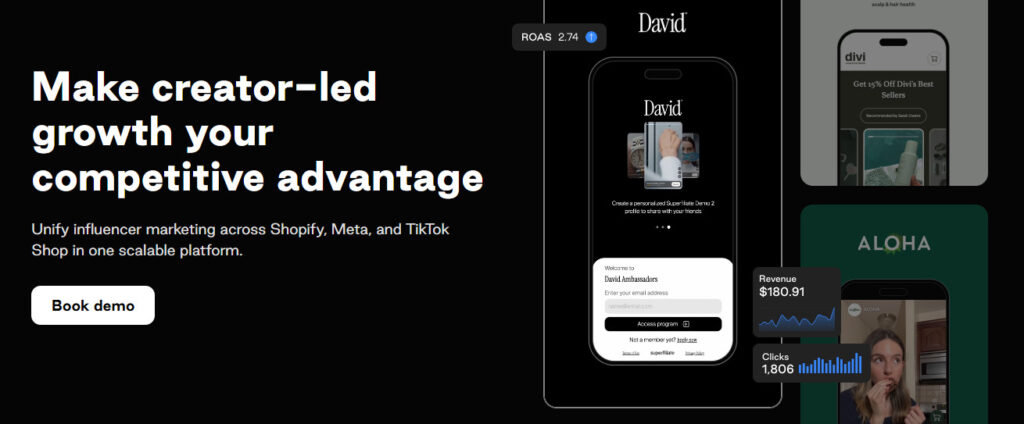
For the first year, the brand I mentioned earlier sold exclusively through Shopify and used Superfiliate to manage its creator and referral program. It fits their business well.
The platform made it easy for creators to build co-branded landing pages, share referral links, and promote products without constantly asking the marketing team for new assets. Onboarding new creators was also relatively straightforward, allowing the team to launch campaigns without a lengthy setup process.
For brands that primarily sell through Shopify, this is where Superfiliate performs well. It was built to help e-commerce businesses turn creators, influencers, and existing customers into referral partners while keeping the entire experience connected to their online store. I’ve recommended it to several Shopify brands looking for an affiliate platform, and it’s consistently been a good fit for businesses with that sales model.
Don’t Forget About Tracking
Because customers visit a creator’s landing page and complete their purchase on the brand’s Shopify store, attribution is clear and easy to follow. Sales, referrals, and commissions all stay within the same ecosystem, making it easier to understand which creators are driving results.
Getting started is fairly simple. Brands can request a demo, provide basic information about their company and website, and meet with Superfiliate’s team to determine whether the platform is a good fit. Once everything is set up, they can begin inviting creators and launching referral campaigns.
Amazon Breaks This Attribution
As a point of review, if your business uses Amazon, that’s where it all falls apart. To be fair this isn’t a Superfiliate flaw and is more of a structural issue.
The second a customer leaves your site to buy on Amazon, you’ve handed the sale over to a walled garden that tells you almost nothing. There’s no email or even a clean creator-level attribution. All you get is a number in Seller Central and a shrug.
The only real hooks you get are Amazon Attribution tags and the Brand Referral Bonus. However, attaching those to individual creators by hand is a job nobody on a lean team ever wants or has time for. That’s the gap.
How Levanta Works For You and Your Business
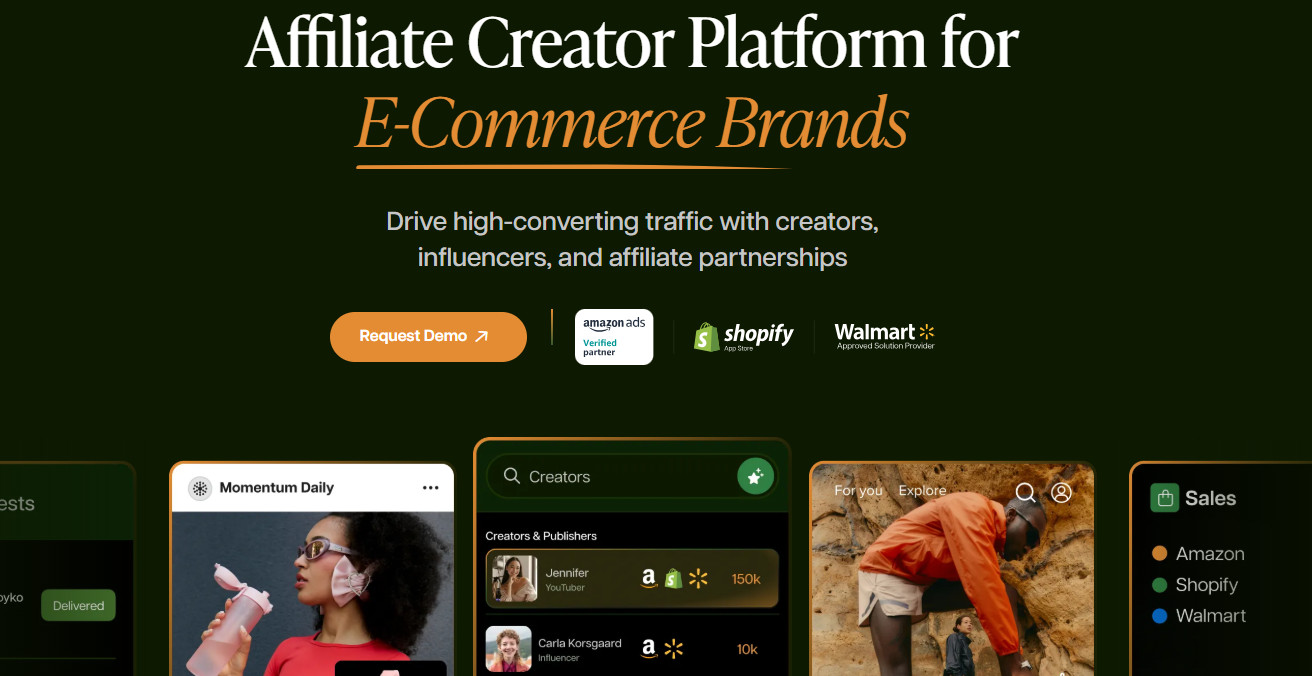
Levanta is an affiliate creator platform for e-commerce brands that sell across multiple channels.
Whether your business sells on Amazon, Shopify, Walmart, or a combination of marketplaces, the platform helps connect you with creators while also giving you a clearer picture of which partnerships are driving sales. Levanta generates unique attribution links for every creator, making it easier to measure performance across different sales channels.
Instead of relying on broad campaign reports, you can see which creators influenced purchases, which products sold, and where those sales happened. This can give you a better understanding of which partnerships are producing the strongest return on investment and where marketing budgets are having the greatest impact.
Working With Creators
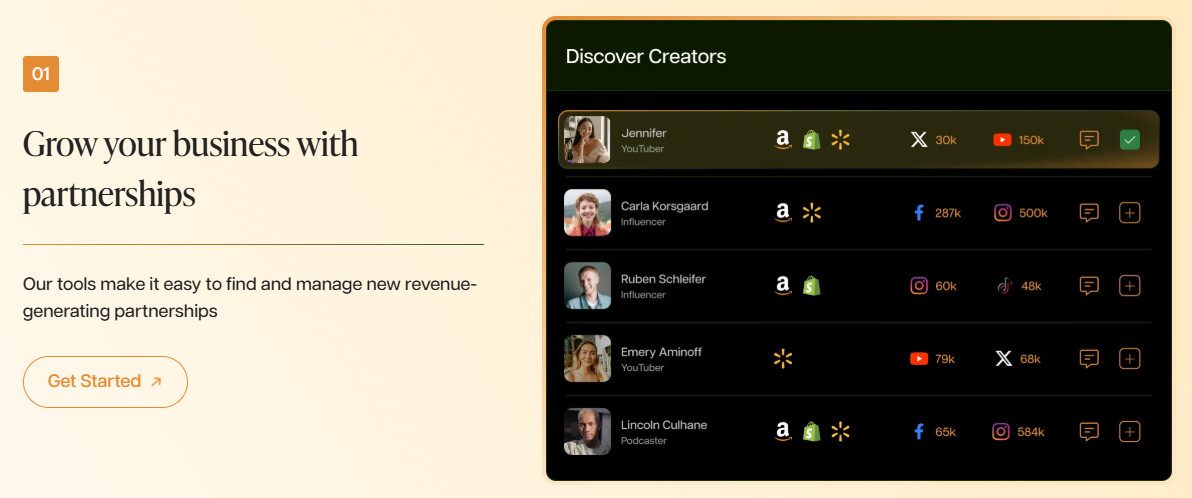
Creators also benefit from the platform. They can browse affiliate opportunities from participating brands, request product samples, generate trackable affiliate links, and earn commissions when their content leads to sales.
Everything is managed through a single dashboard, making it easier to discover new partnerships, manage campaigns, and track earnings.
Because brands and creators share the same marketplace-focused ecosystem, it’s also easier for sellers to recruit creators who already understand how to drive traffic to Amazon and other online marketplaces.
An Easy Setup
Getting started with Levanta, I found, is also pretty straightforward.
The set up is straight forward; you’ll find a “request demo” section- which is a standard form with your basic company details to make sure you’re paired with the proper department; while creators apply by sharing details about their audience, content, and social media channels.
Once you’ve booked your demo; you’ll be onboarded to the platform and can begin partnering with creators.
Levanta and Amazon’s Brand Referral Bonus Program

One feature that makes Levanta especially valuable for Amazon sellers is its integration with Amazon’s Brand Referral Bonus program.
Eligible brands can earn back a portion of Amazon’s referral fees on qualifying sales generated through external traffic, such as creator content and affiliate links. For businesses that rely heavily on Amazon, this can help reduce marketing costs while making it easier to measure the value of creator partnerships.
While Superfiliate excels at helping Shopify brands build and manage referral programs on their own storefronts, Levanta offers additional tools for brands that need to measure creator performance across marketplaces, especially Amazon.
For businesses with an omnichannel sales strategy, that broader visibility can make it easier to understand where affiliate revenue is actually coming from.
Keep reading: My Honest Levanta Review
Levanta vs Superfiliate: Knowing Your Roster and Understanding Its Units
Levanta is built for omnichannel e-commerce brands that sell across marketplaces like Amazon, Shopify, and Walmart. It tracks creator performance using attribution links that connect sales back to specific creators and products across those channels. This allows brands to see which creators are driving sales in different parts of their business, not just on a single storefront.
Superfiliate, on the other hand, is designed primarily for Shopify-based brands. It tracks performance through referral links and co-branded landing pages that send traffic directly into a brand’s Shopify checkout. Because everything happens within one storefront, attribution is simpler and focused on on-site conversions.
How Creator Rosters Are Evaluated
With Levanta, creators are evaluated based on measurable sales outcomes across supported marketplaces. This helps brands understand which creators are actually driving purchases, even if those sales happen on Amazon or other external channels. Over time, this gives teams a clearer view of which partnerships contribute most to revenue across their full e-commerce stack.
I would argue that Superfiliate evaluates creators within a more Shopify-centered system. Performance is tied to traffic and conversions that happen inside the brand’s own store. This works well for brands that run most of their business through Shopify and want a simple, centralized view of creator performance without cross-marketplace complexity.
Data Depth and Scope
I really like the way that Levanta provides broader visibility across multiple sales channels.
This is especially useful for brands that sell in more than one marketplace and want to understand how creator-driven traffic converts in each environment. The tradeoff is that the data is more granular and requires brands to consider performance across different platforms rather than a single dashboard.
Superfiliate by contrast offers a narrower but cleaner view of performance. Because it focuses on Shopify storefront activity, brands get a straightforward look at conversions without needing to account for external marketplaces.
However, this also means it may not capture sales that happen off-site, such as Amazon purchases influenced by creators.
Back-Office Operations
Levanta has a ton of tools for managing creator payouts, commission structures, and reporting across larger creator networks. It also supports automated tax documentation workflows such as 1099s for U.S.-based creators through payment integrations like Stripe. This helps reduce manual tracking when managing multiple creators and varying commission setups.
I also like that Superfiliate keeps back-office operations lighter and more focused on Shopify-native programs. This makes it easier for smaller teams to run referral programs without complex setup, but larger or more distributed creator programs may require additional tools or manual processes as they scale.

Levanta assembled this report to help digital merchants navigate the new AI-shaped buying journey. Discover why creators now drive the clicks AI can’t and how to turn that into revenue.
Where Each Platform Might Fall Short for Your Needs
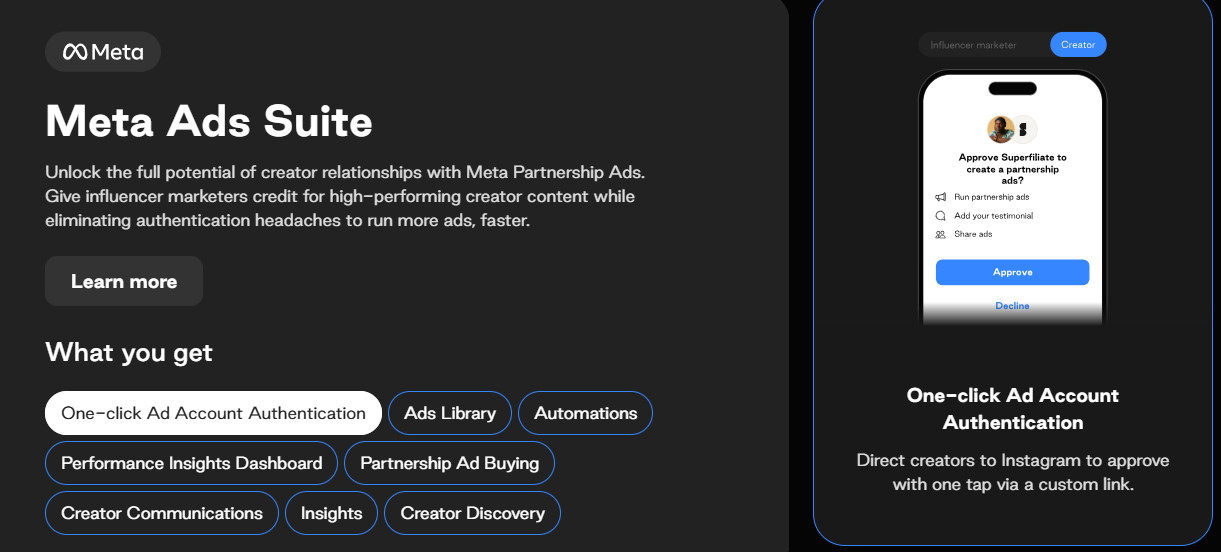
Neither platform is perfect, and I won’t pretend that they are. It’s important to focus on where each may or may not fit with your business before you invest in either.
Levanta
Levanta’s base runs around $750-ish/month plus a revenue share. That can sting when your marketplace volume is still pretty thin, so more-established e-commerce businesses will probably get more use out of Levanta than a brand-new one. Plus, if one of your affiliates is a rounding error for you, then ultimately you’re paying to track a channel that isn’t moving the needle yet.
Available creator networks are important to keep an eye on, too. Yes, Levanta has the better one with a pool of 80,000+ vetted creators, but the difference between “vetted” and “right for your niche” is important. If you’re not diligent, you might still burn real hours digging for the creators who will fit best for your brand.
I didn’t need as much customer support with Levanta because they have a lot of support documents and a more user-friendly interface. Contacting support directly has not been necessary with Levanta for our set up or ongoing needs.
Superfiliate
Superfiliate is cheaper and starts at around $299 a month, and after working with them in the past, I was pleased at how quickly Superfiliate human support replied to support tickets. However, Superfiliate is more Shopify-focused (though not Shopify-only, keep in mind), so it might not be as detailed with other revenue channels.
On the reporting side, both platforms are strong, but neither gives perfectly real-time clarity across every channel. In particular, Amazon-linked data has up to a 48 hour latency depending on the reporting window. That means short-term performance spikes or dips can look misleading if you react too quickly.
Yes, I would say that over time the data stabilizes, but it does require patience when evaluating new campaigns or launches.
The Case For Running Both Platforms Together
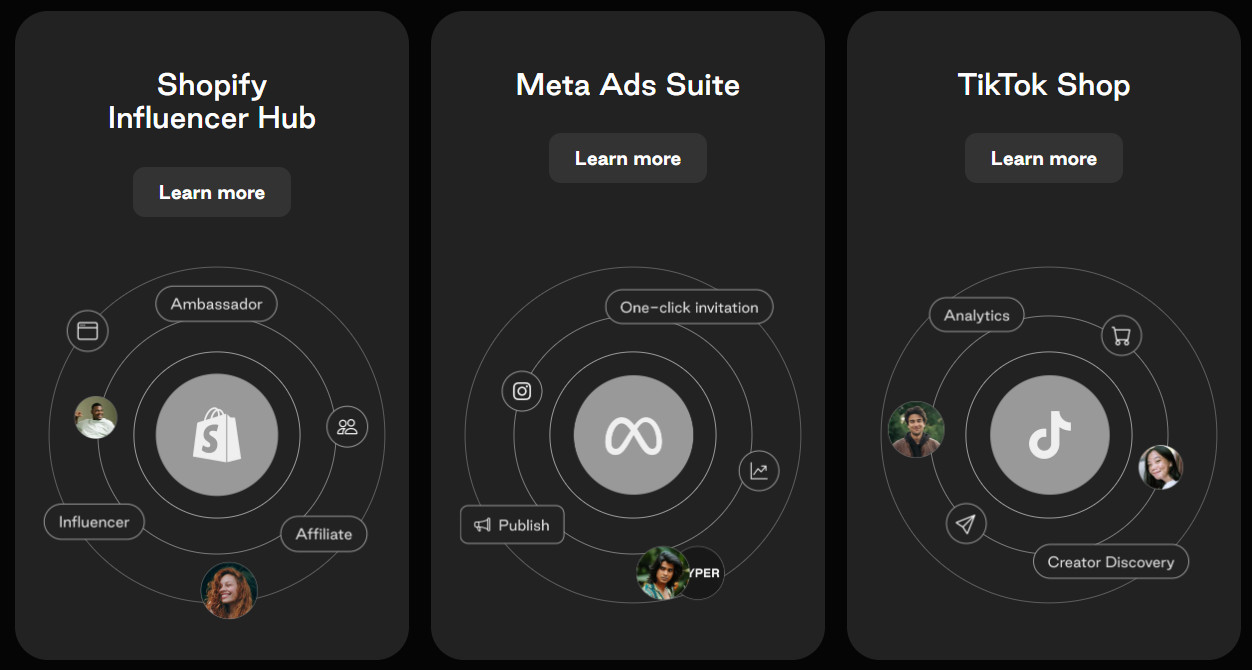
Most of the time, people forget there’s a middle path, so run both.
Some brands keep Superfiliate for the DTC referral engine and Levanta for the marketplace side. The two really are different, and being great on-site doesn’t make a good tool for all platforms.
Obviously, it does cost more, but rather or not it’s worth it, depending entirely on how much revenue is riding on each channel. Take into consideration how much you’re spending and how much you’re earning.
If you earn more than you spend, then using both is the method you should stick with. Otherwise, it just isn’t worth it.
Always Start With Sequence, Not Software
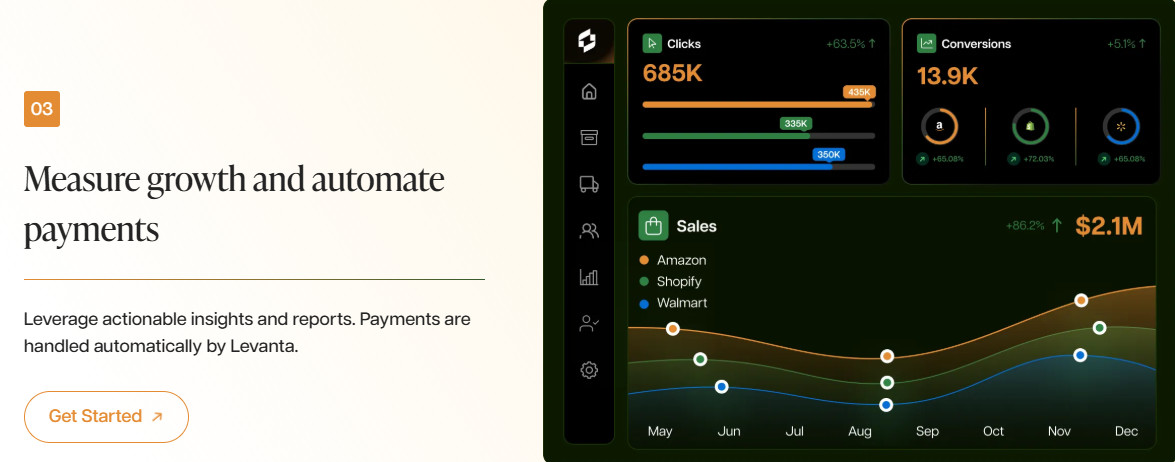
The read I gave them, and the one I’d give you, is less about the tools than it is about the sequence.
Before you commit to anything, sketch out where your revenue is heading over the next six to twelve months, not where it sits today. If you were to stay on something like Shopify, it would be best to stick with Superfiliate.
If you’re considering a move toward Amazon or Walmart, then you’ll want to sort out your attribution before you scale, meaning Levanta would work best for you. Every dollar you pour into creators while you’re blind on that channel is a dollar you can’t measure and almost certainly can’t optimize.
The mistake I see most often isn’t picking the wrong platform. Regardless of the app, the biggest mistake falls in line with the end goal, target audience and the fear of missing out.
Torching 18 months of a budget on an app that wasn’t right to begin with because it’s what everyone else is using is a flaw in you; not in your store.