


Last Updated on April 24, 2026 by Ewen Finser
FTC Disclaimer: We do make money from this blog and may receive compensation for this work in the form of commissions, fees and complimentary product access. Review our full FTC disclosure here.
Shipping may arguably be one of the most time-consuming and headache-inducing aspects of running a small business, especially if you are manually checking carrier websites for the best rates and delivery schedules.
Add in fuel surcharges, dimensional weight fees, and carrier rate increases (all three major carriers raise rates at least once a year), and it’s easy to feel overwhelmed.
Luckily, shipping software like Shippo and others aggregate pre-negotiated commercial rates from 40+ carriers and surface them in a single dashboard. That means you can compare carrier prices for any given package in real time, without a carrier contract or volume commitment.
So, let’s talk about what’s actually driving your shipping spend, and what you can do about it:
The Cheapest Shipping Rates in 2026 (At a Glance)
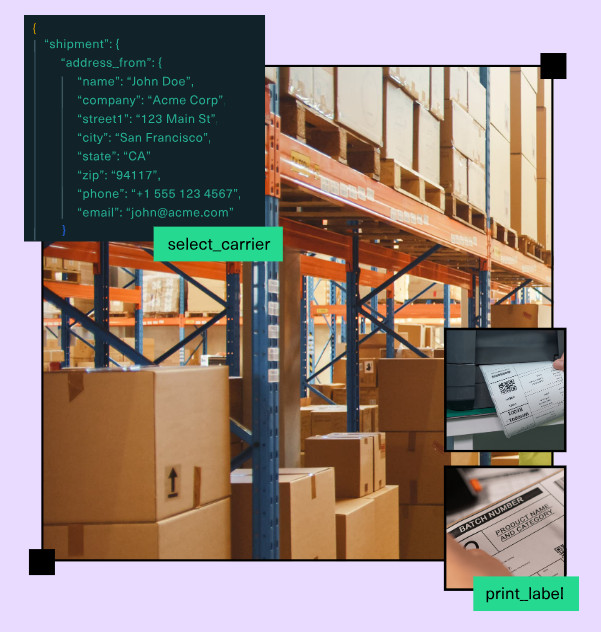
There isn’t a single “cheapest” carrier across the board. Rates shift constantly based on weight, distance, and delivery speed. That said, some clear pricing patterns show up across carriers:
- USPS (best for lightweight, short-distance): Often the lowest-cost option for small packages under 1 lb. First Class (now Ground Advantage) shipments for ~8 to 12 oz packages typically land in the ~$4 to $6 range for local or regional delivery.
- UPS and FedEx (better for heavier or long-distance): More competitive once packages get heavier (2+ lbs) or travel farther. Ground rates often fall somewhere in the ~$8 to $15 range depending on zone, with better pricing at higher weights.
- DHL (strong for international): Frequently the most consistent option for cross-border shipping, especially for small parcels. International rates vary widely, but lightweight shipments often start around ~$15 to $25 depending on destination.
- Expedited shipping (premium across all carriers): Two-day and next-day services can cost 2x to 4x more than ground options, with prices fluctuating based on demand, fuel, and surcharges.
- Commercial vs retail pricing: Platforms like Shippo and ShipStation provide access to discounted commercial rates, which are often 10% to 40% lower than what you’d see buying labels directly from carriers.
Why Shipping Costs Fluctuate
Carriers price shipments based on several overlapping factors:
Weight and Size

Obviously, weight and size are a huge deciding factor in the price of shipping any package. But one lesser-known factor is dimensional weight.
Carriers use dimensional weight (DIM weight) to charge for packages that are large, but light. Basically, they calculate this by multiplying length x width x height, and then divide by the carrier’s DIM factor. UPS and FedEx both use a divisor of 139 for domestic shipments. USPS uses 166.
In August of 2025, both FedEx and UPS began rounding every fractional inch up to the next whole inch before calculating DIM weight. So a measurement of 11.1″ is treated as 12″, not 11″. If your box takes up more space than its actual weight might justify, UPS and FedEx will charge you for the space it occupies on the truck, not what it weighs.
However, USPS handles this differently. Their DIM pricing kicks in on packages that are larger than one cubic foot. Below that is based on weight only, so you’re actually spending less on smaller, lightweight packages.
Distance

Pricewise, USPS is better for short, regional hauls, where First Class shipping can cost around $4 to $5 for a 12 oz package while UPS and FedEx are often more competitive on longer domestic routes, especially for heavier packages.
For international, DHL is generally the strongest option for infrastructure and pricing consistency, though rates vary significantly by destination. All three major US carriers offer international services, but DHL’s purpose-built international network tends to be more competitive for cross-border volume.
Speed

All three carriers raised rates heading into 2026. UPS announced a ~5.9% average general rate increase effective December 22, 2025. FedEx matched with the same ~5.9% figure effective January 5, 2026. USPS raised its rates too, with Ground Advantage up ~7.8% on average effective January 18, 2026.
Next-day and two-day services from UPS and FedEx carry significant premiums, and those rates fluctuate based on demand, season, and fuel costs. If you’re quoting customers a flat shipping rate and not updating it regularly, you’re likely eating the difference.
Expedited service shippers experience 10-18% total cost increases once surcharges, dimensional weight changes, and minimum charge adjustments are factored in on top of the headline rate increases.
How Businesses Can Reduce Costs with Shipping Software
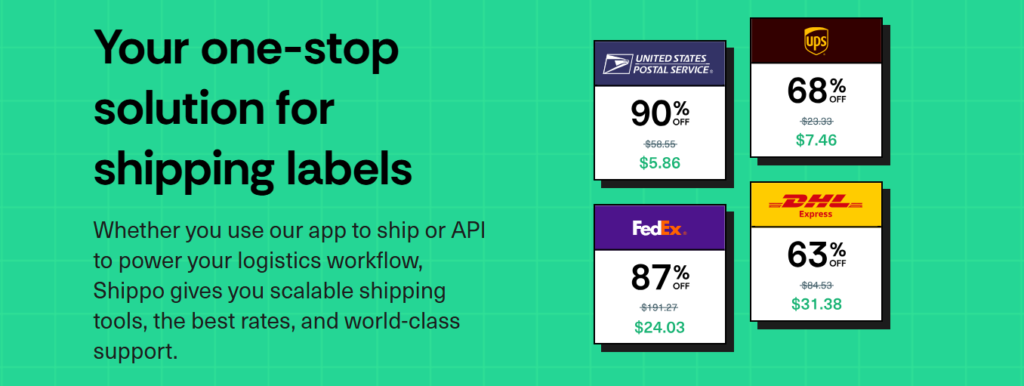
Shipping software does more than rate shopping. It helps streamline fulfillment from start to finish, including label generation (even in bulk), order syncing across platforms like Shopify, Etsy, WooCommerce, and Amazon, automated customs forms, and branded tracking and returns.
For businesses shipping more than a few orders each week, the time savings alone can justify the cost. It also helps reduce errors, simplify workflows, and improve overall efficiency. Here’s how:
- One dashboard for all orders: Manage everything in one place instead of bouncing between spreadsheets and tabs. Get a clear snapshot of all shipments at once.
- Sync orders across channels: Pull in orders from multiple platforms and compare rates and delivery times quickly, even for high order volume.
- Bulk label creation: Print dozens of labels at once (yes, really) to speed up fulfillment.
- Fewer manual errors: Order details auto-import from your connected stores, which cuts down on data entry mistakes and saves time.
- Automation rules: Set conditions (like weight, SKU, or destination) to automatically choose the right shipping service or package type.
- International shipping support: Access competitive global rates and generate customs documents without extra steps.
- Branded labels, tracking, and returns: Create a more professional customer experience with custom branding at every touchpoint.
- Stronger bottom line: Less time on shipping, fewer mistakes, and smoother operations mean more time to focus on growth.
The Best Shipping Software For Your Business
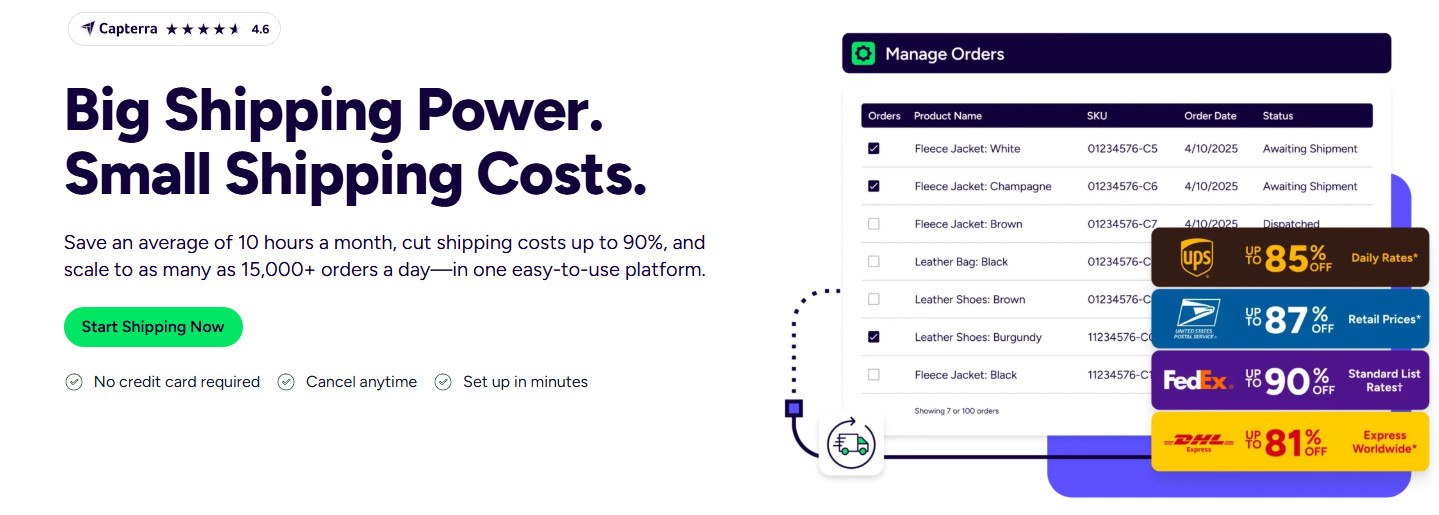
Each platform has a different sweet spot, so it’s worth knowing what you’re optimizing for before picking one.
Here are the best shipping software companies that are worth a spot on your short list:
- Shippo works well as an all-around option for small to mid-size sellers. It connects to 40+ carriers, integrates with most major eCommerce platforms, and offers tiered pricing including a free starter tier for lower volumes. It’s a reasonable first stop if you’re not sure where to start.
- ShipStation is built for higher-volume operations. It has more advanced automation, supports multi-warehouse fulfillment, and integrates with 100+ platforms, but it has a steeper learning curve and higher monthly cost. If you’re growing fast and your current setup is breaking down, it’s worth the investment. If you’re just starting out, it’s probably more than you need right now.
- Easyship is the strongest option if international shipping is a significant part of your business. It has deep carrier relationships in international markets and handles customs documentation well. For primarily domestic sellers, the rates are less competitive than other options.
- ShippingEasy is a solid domestic-only option, though it’s limited to USPS, UPS, and FedEx. If you ship internationally or want access to a wider carrier network, you’ll hit its ceiling quickly.
Navigating Carrier Shipping Costs
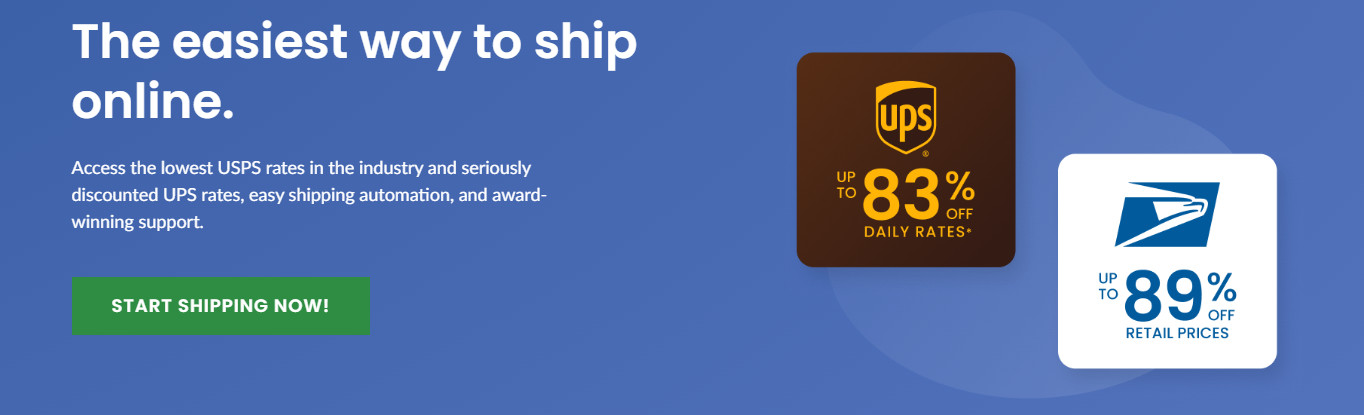
Small businesses have historically been stuck paying close to retail shipping rates because they couldn’t meet the volume thresholds carriers require for discounts.
Shipping software removes that barrier entirely. You get access to commercial rates, a real-time view of what each carrier actually costs for each package, and the automation to stop doing manually what software can handle in seconds.
If you’re still logging into individual carrier websites to check rates or hand-keying order details into shipping forms, that’s the first thing worth fixing. The platforms above all offer free trials, so the cost of testing one is basically just an afternoon of setup