


- What is Seel?
- Seel Electronics Protection in a Nutshell
- What counts as mechanical failure
- What counts as electrical failure
- How accidental damage works
- How Seel Electronics Protection differs from a manufacturer's warranty
- Which Seel Protection Covers What?
- How to file a claim
- What Seel Electronics Protection doesn't cover
- Is Seel's Electronics Protection worth it?
Last Updated on October 5, 2026 by Ewen Finser
If you’re about to buy an electronic device from an online retailer you may see an unfamiliar option in your shopping cart: Seel Electronics Protection.
It’s only natural to be curious about what this is, and whether it’s worth paying for.
The short answer is that Seel Electronics Protection is a legitimate, optional protection plan. Whether it’s worth it depends on the device you’re buying and how much risk you’re comfortable with.
What is Seel?
Seel is an independent post-purchase protection platform. It partners with online merchants, so is separate from the retailer selling you a device, even though you may see the offer of Seel Electronics Protection on a retailer’s product page during checkout.
Seel has a wide product range that includes shipping protection, return-related coverage, and extended warranties.
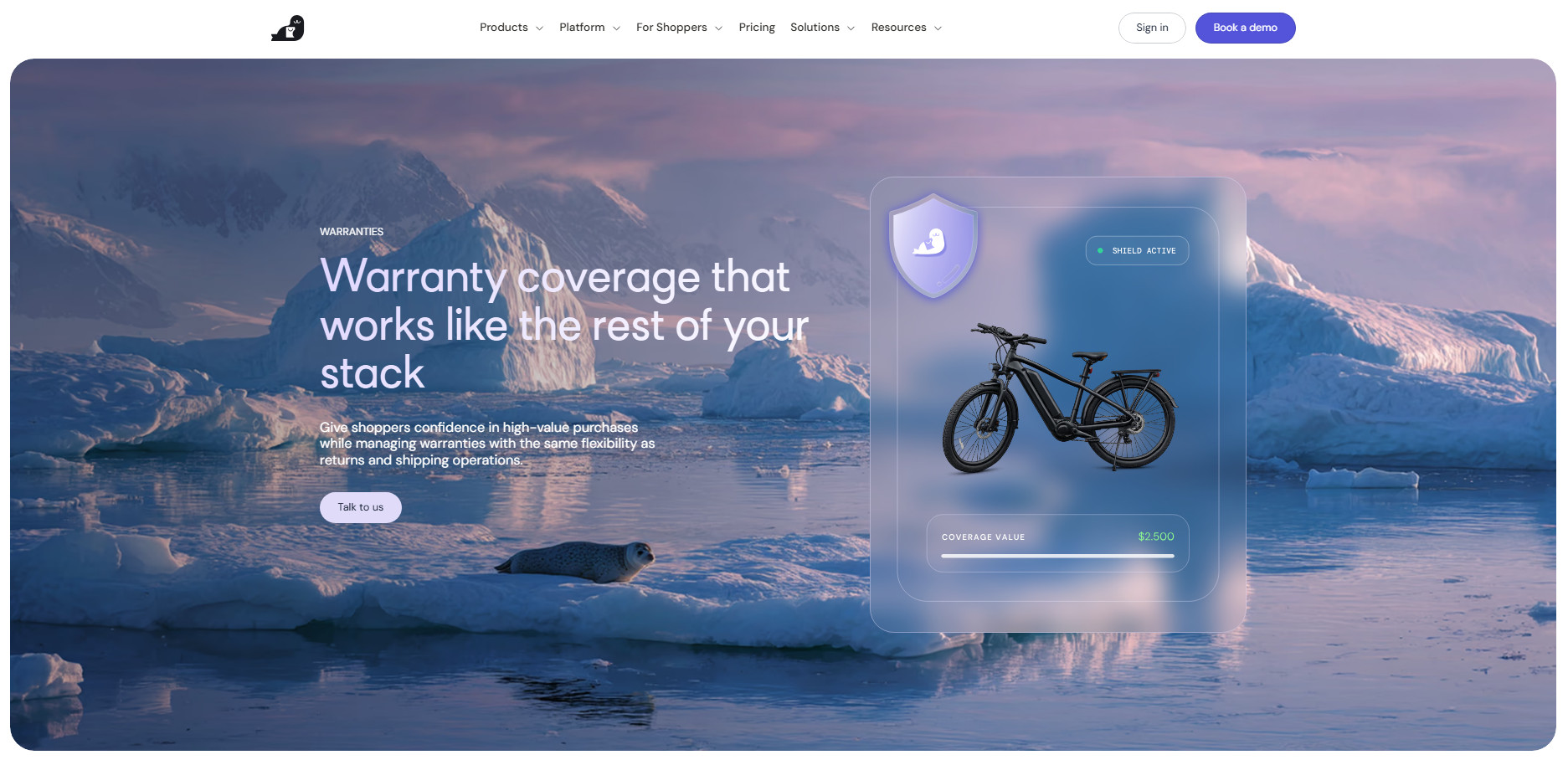
Electronics Protection falls into that last category, as it’s designed to cover certain eligible product failures that fall outside the scope or duration of the manufacturer’s original warranty, though naturally the types of failures covered will depend on the terms of your specific plan.
Generally though, if you choose to purchase protection, then you’re buying that coverage from Seel. It’s not an extension or upgrade of the retailer’s return policy.
Is Seel coverage optional?
Yes. You can remove Electronics Protection from your cart before completing checkout. If you buy it and later change your mind, your confirmation email will include instructions for opting out. Keep in mind that your refund may vary depending on how long you’ve had the plan and whether you’ve made any claims.
Seel Electronics Protection in a Nutshell
Coverage Area | Quick Summary |
What it is | An optional protection plan from Seel, an independent post-purchase platform that partners with online retailers |
Who provides coverage | Seel, not the retailer. It is not an extension of the retailer’s return policy. |
Plan length | Typically 1 to 5 years, depending on the product and retailer. Check the start and end dates in your terms |
Mechanical failure | A physical or internal part wears out or breaks during normal use, such as a hinge, fan, button, or moving part that stops working |
Electrical failure | The parts that power or control the device stop working, for example from a power surge, short circuit, or incorrect voltage |
Accidental damage | Only included in some plans. Where offered, it covers a single mishap while handling the device, such as a drop or a spill |
Manufacturer warranty | The manufacturer’s warranty comes first. If something breaks while it’s still active, contact the manufacturer or retailer. Seel’s plan picks up after the warranty ends |
When coverage starts | Mechanical and electrical: after the manufacturer’s warranty ends. Accidental damage (if included): often from the purchase date |
What’s not covered | Misuse and neglect: misuse, abuse, poor maintenance or installation, unauthorized modifications, corrosion from neglect, and use outside the manufacturer’s guidelines.Consumables and accessories: batteries, chargers, and lightbulbs, including gradual battery capacity loss.Accidental damage limits: loss, theft, computer viruses, and full submersion in liquid |
Claim deadline | Damage must be reported within 30 days of discovery, per Seel’s current terms |
What counts as mechanical failure
In general, a mechanical failure happens when an internal part or component stops working during everyday use. For retail electronics, this can involve moving parts, internal hardware or any other covered mechanism that could prevent the device from working as intended.
Electrical failure usually refers to faults in the parts of a device that power or control it, such as power surges, short circuits, or incorrect voltage distribution. It’s always a good idea to look at Seel’s full plan terms to go into more depth on what counts as a hardware or mechanical failure, along with other issues that may be covered.
I’m emphasising this, as not every broken part in an electronic device will necessarily qualify for coverage. All protection plans include conditions and exclusions, and Seel’s is no exception. For instance, any damage caused by misuse, abuse, neglect, improper maintenance, or unauthorized modifications may be excluded.
Accessories and consumable components can also sometimes be treated differently from the main device. For example, Seel’s “Product Protection Plan” states that ‘consumables’ like batteries, chargers, and lightbulbs” generally aren’t covered, though whether that’s true in your case will depend on your specific product, merchant, jurisdiction, and plan configuration.
That’s why before completing checkout you should always check the wording of your protection plan to make sure it covers each of the components that concern you. For example, coverage may apply to an iPhone overall but not a gradual loss of battery capacity that comes from every day use.
What counts as electrical failure
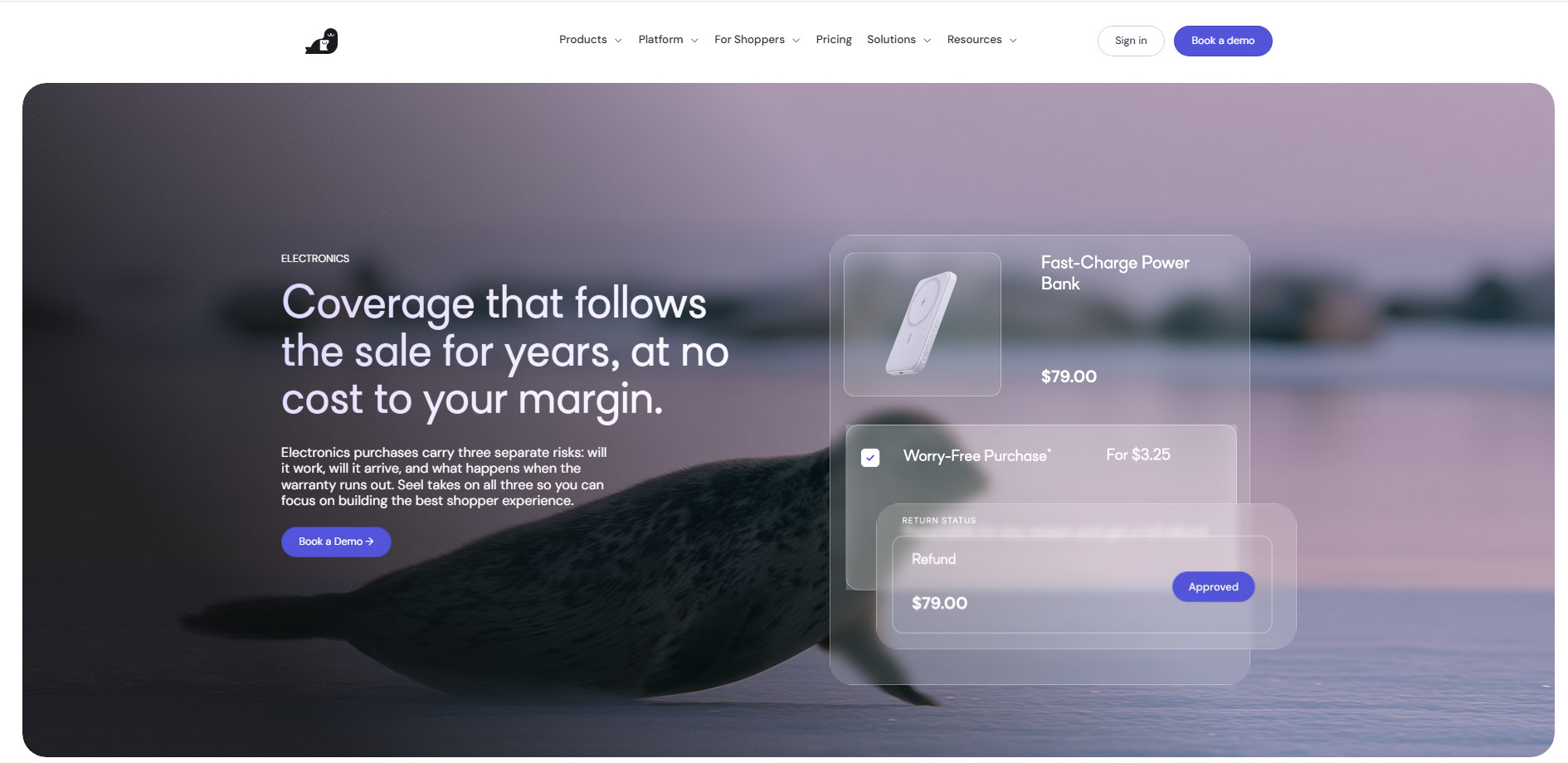
Electrical failure usually refers to faults in the parts of a device that power or control it, such as power surges, short circuits, or incorrect voltage distribution. As with mechanical failure, Seel’s full plan terms give more detail on what counts as an electrical breakdown.
This usually tends to cover the parts of a device responsible for powering or controlling it. As with mechanical failure, Seel’s full plan terms give more detail on what counts as an electrical breakdown.
The same types of exclusions apply here too. Damage from improper installation, exposure to conditions the manufacturer doesn’t recommend, or corrosion caused by neglect could all fall outside your coverage.
However, most protection plans won’t cover a scenario where someone uses a device outside its normal operating instructions. For instance, damage caused by improper installation, abnormal use, corrosion caused by neglect, exposure to conditions not recommended by the manufacturer, or failing to maintain the device properly could be excluded.
The cause of an electrical failure can matter as much as the symptom in these cases. A device that won’t turn on, say, may have a covered electrical fault. But its failure to switch on could equally be caused by an exhausted consumable battery or damage caused by misuse.
This is why companies like Seel tend to review the details and supporting documentation to determine whether the reported problem falls within the purchased plan rather than offer coverage automatically for every type of electrical failure. So always send as much detail as you can when filing a claim.
How accidental damage works
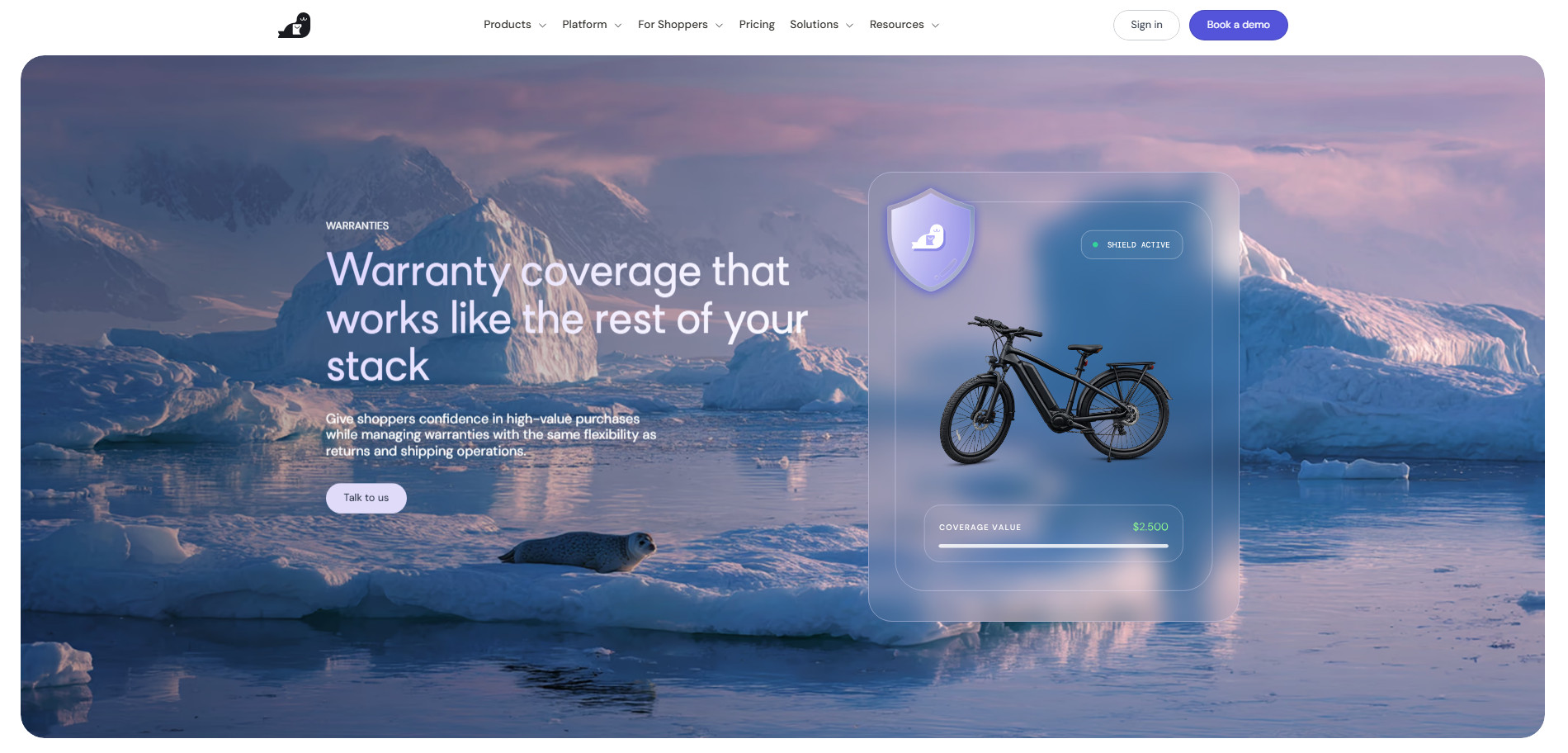
Not every Seel Electronics Protection plan includes accidental damage. Merchants decide which plan options to offer for their products, so it may or may not be available for the device you’re buying.
Where it is included, accidental damage coverage generally applies to functional damage from everyday mishaps, such as dropping the device or spilling liquid on it. Whether a specific incident is covered depends on what happened and the terms of your plan.
There are limits to what counts as accidental damage, though. Seel’s Terms of Service state that accidental damage handling (ADH) only covers “…operational or mechanical failure caused by a single incident while handling.” The same terms exclude situations such as loss, theft, computer viruses, and full submersion in liquid. So a spilled drink on your laptop may qualify, but dropping your phone in a pool may not.
Basically, don’t assume the words “accident” or “damage” in a plan mean every mishap is covered. Look for an explicit accidental damage benefit in the checkout description, confirmation email, or plan contract. If it isn’t listed, the plan may only cover certain mechanical or electrical failures.
How Seel Electronics Protection differs from a manufacturer’s warranty
Standard manufacturers’ warranties for electronic devices tend to protect you against defects in materials and workmanship for a limited period, such as 12 months.
If a device experiences covered mechanical or electrical failure during the warranty period then Seel’s Terms of Service state that you should reach out to the manufacturer or retailer for assistance.
Seel’s Electronics Protection is designed to add coverage beyond that standard warranty period, rather than replace it altogether. Once the warranty expires, the plan can cover qualifying failures for the remainder of its own term.
Seel itself offers merchants protection terms that generally range from between one and five years, but the option you see offered at checkout will depend on your specific product and retailer.
Still, you can’t assume that the stated duration will automatically apply at the end of the manufacturer’s standard warranty period. Instead, check the effective date and expiration date in the terms stated on the website.
This handoff between the manufacturer and Seel may sound complicated, but it helps prevent duplicate claims for the same failure. The downside is that a Seel plan may not add much value while your original warranty is still active, unless it includes extra coverage such as accidental damage.
As I outlined above, if accidental damage is included, it often follows a different schedule. Given that standard manufacturers’ warranties typically don’t include things like drops and spills, the accidental-damage-benefit for plans like Seel’s can start on the date of purchase.
Which Seel Protection Covers What?
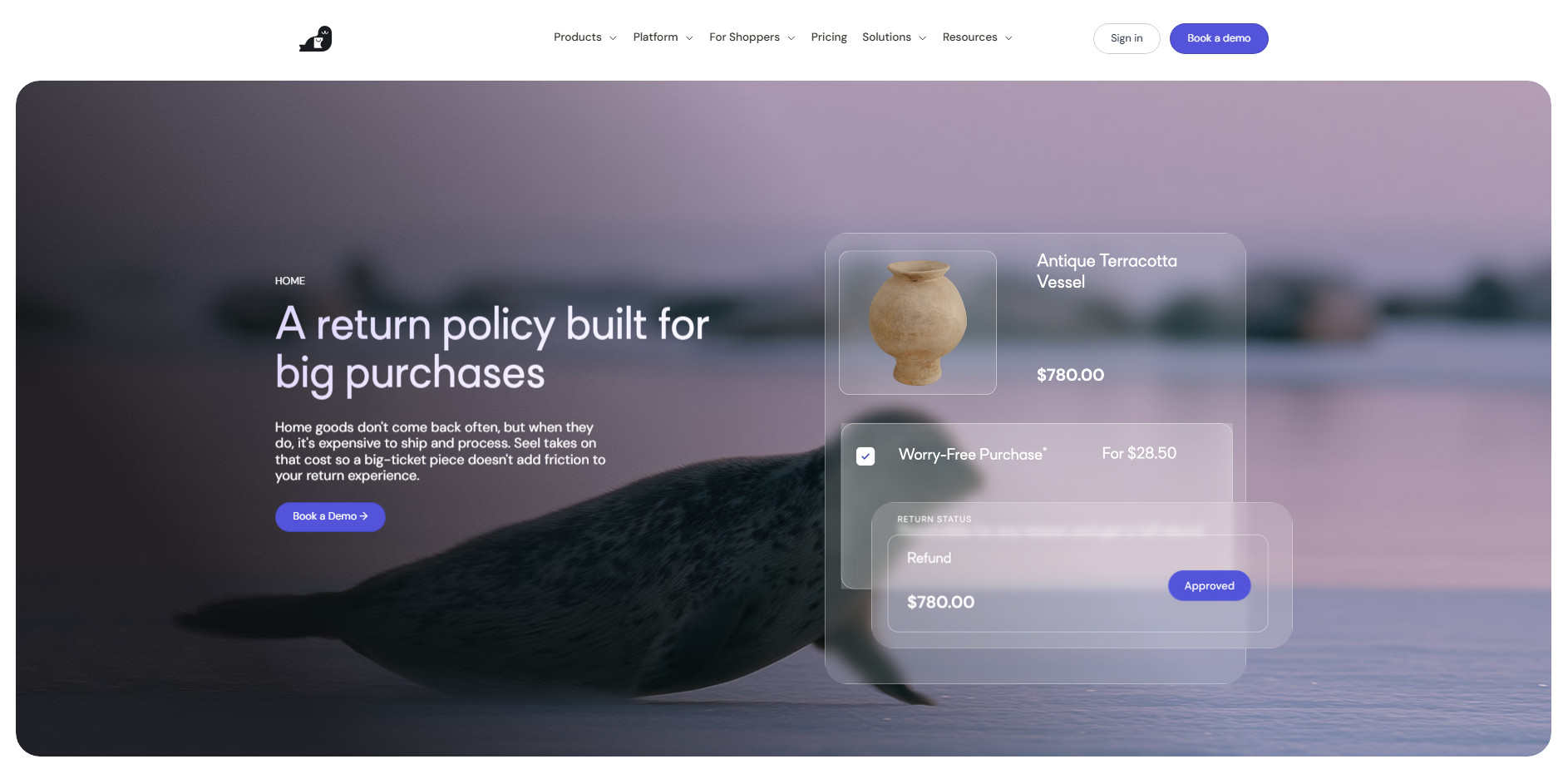
• Device fails after the manufacturer’s warranty ends: Seel Electronics Protection
• Device fails during the manufacturer’s warranty: Manufacturer or retailer
• Drop or spill (if the plan includes accidental damage): Seel Electronics Protection
• Package lost, stolen, significantly delayed, or arrives unusable: Seel’s Worry-Free Delivery (if purchased at checkout)
• Wrong item sent, item differs from listing, or order canceled before shipping: The retailer
• Theft or loss of the device: Not covered by this plan but yes on Seel’s Worry-Free Delivery
How to file a claim
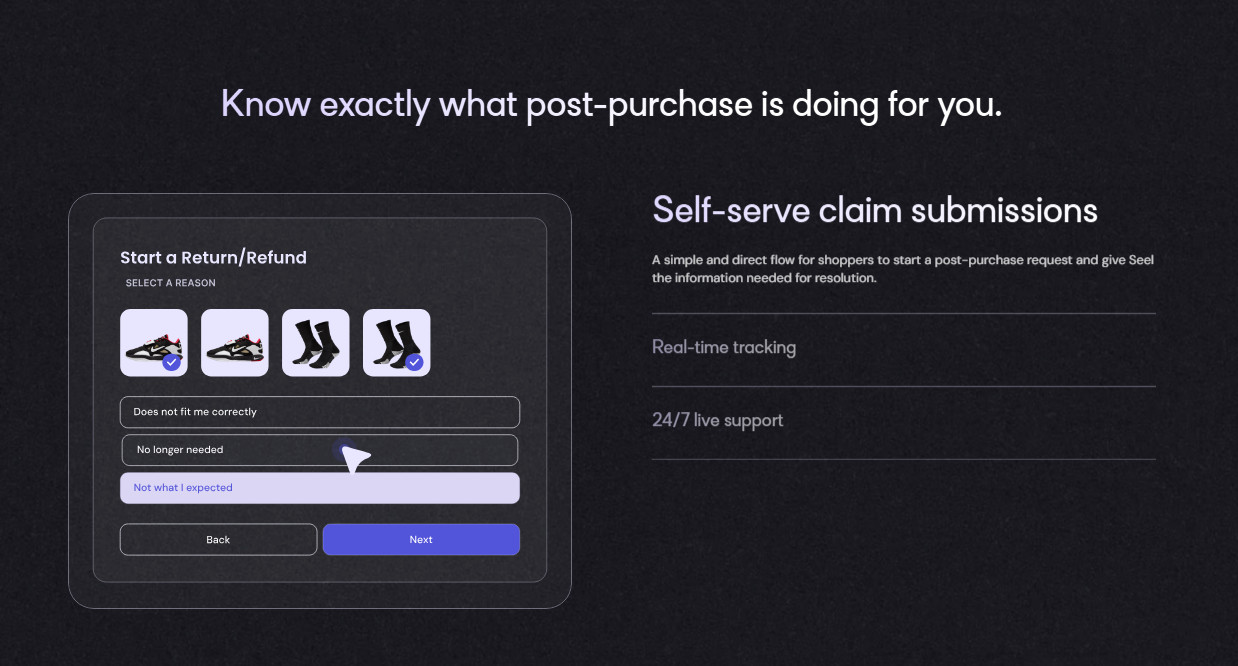
Customers who need to file a claim with Seel start by using the online ‘Resolution Center’.
You should report the incident while your protection plan is active and within the deadline stated in your contract (if applicable). For instance, Seel’s current terms of service state:
“Damage to the Covered Product must be reported to the Administrator within thirty (30) days of discovery.”
To make a claim, you sign in using the email address associated with the purchase and/or provide the order ID. The portal will then guide you through the process step-by-step.
Depending on the issue, Seel may ask for your order details, a description of the problem, photographs, or other supporting documentation. Once the claim has been submitted, you can also track its progress in the Resolution Center.
If the portal can’t accept certain files or information, then Seel also has a dedicated email address ([email protected]) to help customers to send information like their order number and supporting files so their claim can be processed.
If you’re not sure whether a particular issue belongs with Seel, the manufacturer or the retailer, you can contact Seel’s support team for guidance.
What Seel Electronics Protection doesn’t cover
Seel Electronics Protection isn’t the same thing as shipping protection, the retailer’s own returns policy, or coverage against theft.
Those are separate issues, but they may be covered with different Seel products, the merchant’s policies, or other types of protection like insurance.
In situations where, for instance, the retailer has sent you the wrong item, the product is significantly different to what was advertised, or the order was canceled before shipment, you should generally contact the retailer. These kinds of issues with merchants are different to the post-purchase protection products offered by Seel.
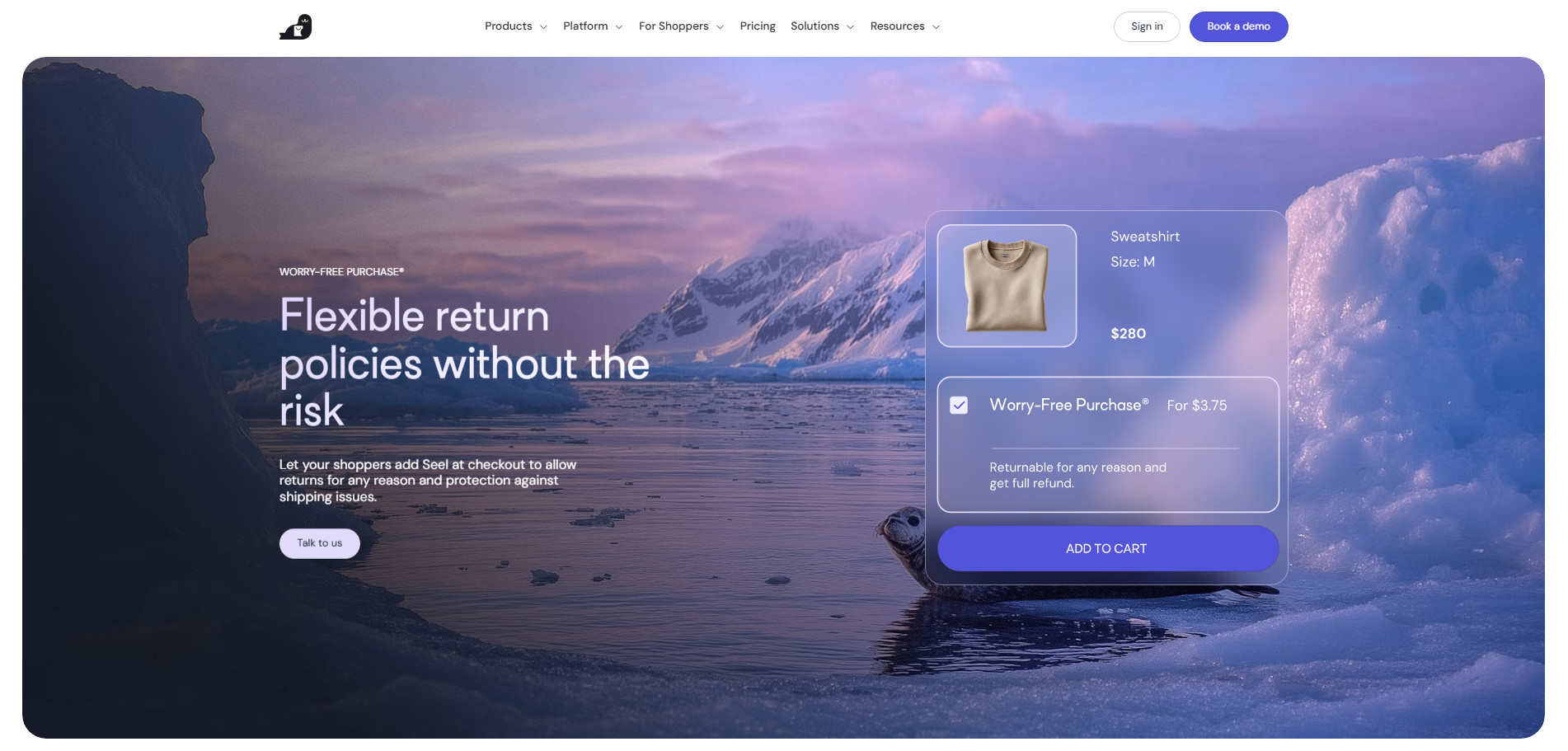
If a package is lost, stolen, delayed or damaged during transit this won’t automatically be covered under Seel Electronics Protection, but it may qualify for coverage under Seel’s “Worry-Free Delivery”, assuming that you signed up for this when ordering the product. This is a separate shipping protection that covers packages lost, stolen, or significantly delayed in transit, as well as items that arrive damaged to the point of being unusable. Cosmetic damage such as scratches and dents generally isn’t covered, and compensation is capped at what you paid for the item.
Is Seel’s Electronics Protection worth it?

Seel Electronics Protection is a real, legitimate, but optional plan provided by an independent post-purchase protection platform.
Seel works with participating retailers, provides plan documentation, and even offers a Resolution Center so that customers can submit and track requests within the scope of the provider’s coverage.
Consider it if:
• The device would be expensive to repair or replace
• You’ll use it heavily beyond the manufacturer’s warranty
• It’s a portable device exposed to drops and spills (and accidental damage is included)
You may not need it if:
• The device is inexpensive
• You only plan to use it lightly or briefly
• The manufacturer’s warranty already covers your main concerns
In other words, the more expensive the device and the more you’ll use it, the more it’s worth considering the extra protection.