


- The Short Version
- Channel Coverage Differences
- Attribution and Reporting Differences
- Operational Fit Differences
- Partner Recruitment and Marketplace Access Differences
- Product Seeding and Creator Workflow Differences
- Levanta vs PartnerBoost Pricing and Long-Term Costs
- How to Choose Between Levanta and PartnerBoost
- What Type of Brand Usually Chooses Levanta?
- What Type of Brand Usually Chooses PartnerBoost?
- Our Final Thoughts
Last Updated on June 26, 2026 by Ewen Finser
Levanta and PartnerBoost both help brands manage affiliate and creator programs, but they’re not built around the same goals.
Sure, they’re similar, but when you’re looking for a good affiliate software, the right choice depends almost entirely on where your sales happen and what kind of partner relationships you’re trying to manage.
The Short Version
- Levanta is the more straightforward call for brands that want unified tracking and attribution across Amazon, Shopify, and Walmart.
- PartnerBoost makes more sense for brands managing a broader partnership mix or those that want managed support alongside the platform.
Let’s dive into the specifics of how both of these platforms differ and how you can choose between the two depending on your affiliate marketing needs.
Channel Coverage Differences
For brands that rely heavily on Amazon, you need to know which partner drove the sale, which product they sold, and how commissions work inside the marketplace. Luckily, Levanta is built for that.
It helps brands manage affiliate and creator programs across Amazon, Shopify, and Walmart, including discovery, product seeding, tracking, commissions, reporting, and payouts. The Shopify piece is important because it makes Levanta useful for DTC too, not just Amazon.
So, if you sell through marketplaces and your own store, Levanta can save your team from managing separate tools for each channel.
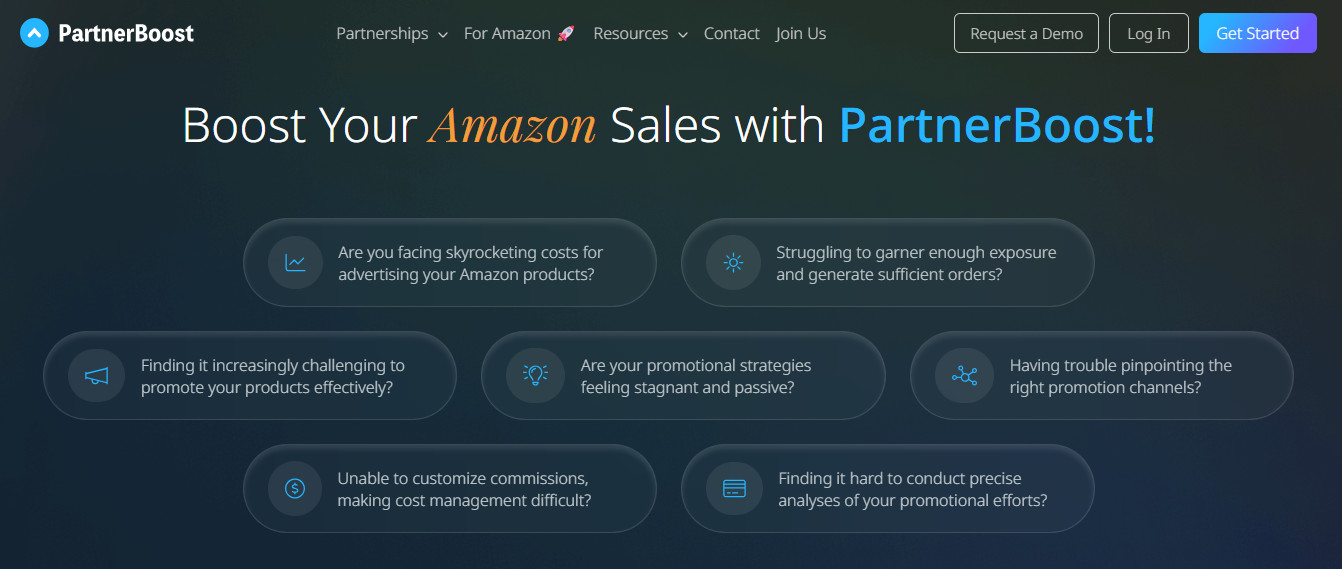
PartnerBoost also supports Amazon and Walmart, but it covers more types of partnerships. That includes affiliates, influencers, referrals, ambassadors, and publishers. That can be a good thing if your program goes beyond creators and affiliate links.
Which Should You Choose Based on Channel Coverage?

Brands that are primarily focused on Amazon, Walmart, and Shopify sales may find Levanta more useful because it is built around managing affiliate and creator programs specifically across those e-commerce channels. This can simplify workflows for brands that sell both on marketplaces and DTC.
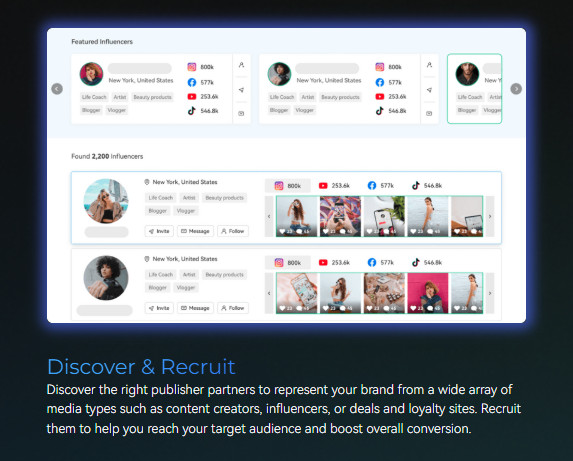
PartnerBoost may make more sense for brands running a broader partnership program that includes publishers, ambassadors, referrals, and influencers in addition to affiliates. Its wider channel and partner coverage can support more complex partnership strategies, but it may feel broader than necessary for brands focused mainly on marketplace affiliate performance.
Attribution and Reporting Differences

Levanta keeps attribution and reporting straightforward by letting teams track affiliate and creator performance across Amazon, Shopify, and Walmart from one place.
If your team has been juggling separate reporting tools for each channel, consolidation can save you a lot of time every week. Brands that have struggled to connect their Amazon and Shopify data in the same view will probably appreciate Levanta’s overall structure.
PartnerBoost’s Tradedoubler integration also gives publishers access to Amazon sellers with SKU-level insights, deep links, and flexible commissions. It also has a Walmart Sales Rewards and Attribution integration, which helps sellers see off-Walmart traffic and gives them a longer cookie window. So, if you’re already working within larger affiliate networks like Tradedoubler, you’ll find that PartnerBoost fits more naturally into your existing setup.
Still, if you want the cleanest reporting across Amazon, Shopify, and Walmart without piecing different tools together, I’d argue that Levanta is the more straightforward choice because its reporting is built around e-commerce from the start rather than adapted to it.
Operational Fit Differences
Software problems usually turn into workflow problems. Someone still has to find partners, send samples, approve content, set commissions, and check performance every week. Even the best platform won’t help much if your team doesn’t have the time or capacity to manage it properly.
Levanta is easy to run because it stays focused. You get one platform, one workflow, and three main channels across Amazon, Shopify, and Walmart. That means less to set up and less to maintain.
The tradeoff is that Levanta is built for a specific type of program, so if your needs grow beyond e-commerce affiliates and creators, you may eventually need something broader.
PartnerBoost can handle more, but that only matters if your team has the time to use it well. It covers things like publisher discovery, influencer discovery, campaign tracking, payment automation, and services. This can totally be helpful if you’re building a basic partnership program, but if your main goal is affiliate and creator performance across Amazon, Shopify, and Walmart, it may be more than you need.
Partner Recruitment and Marketplace Access Differences
Some platforms are built to help brands recruit directly through an internal marketplace, while others work better for teams already operating inside larger affiliate ecosystems. Levanta leans more toward the first model.
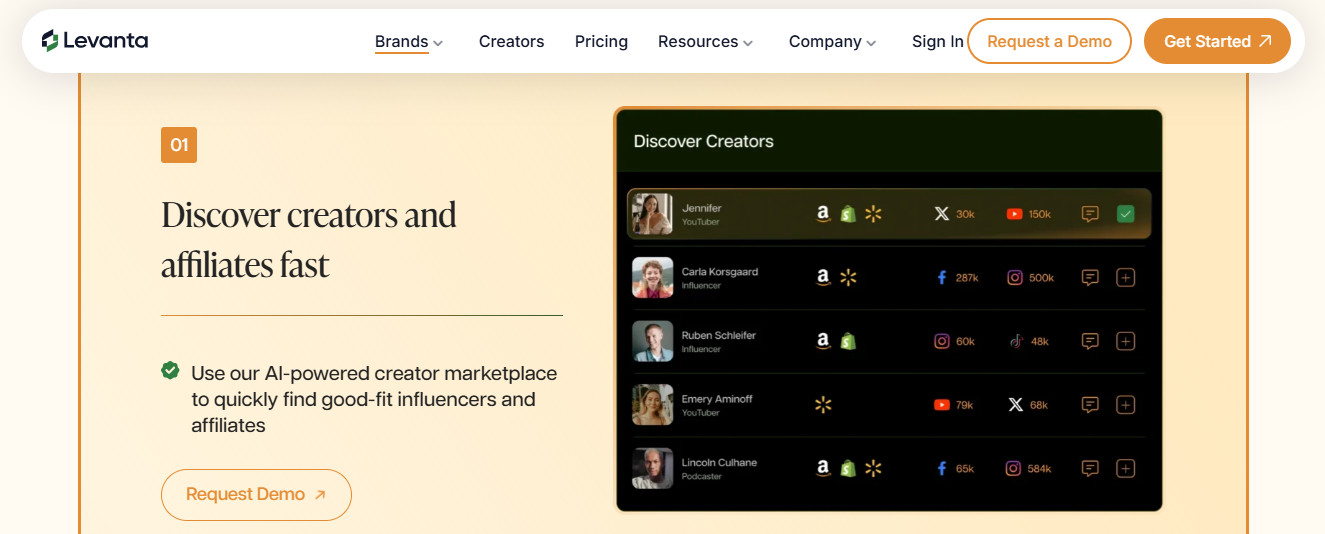
Levanta’s Shopify launch says brands can discover and activate creators and affiliates through an AI-powered Creator Marketplace with access to more than 70,000 publishers, influencers, and creators. This could be a major advantage for brands starting from scratch, smaller teams that need help sourcing partners, or Amazon-first brands trying to grow beyond their existing creator list without building recruitment workflows manually.
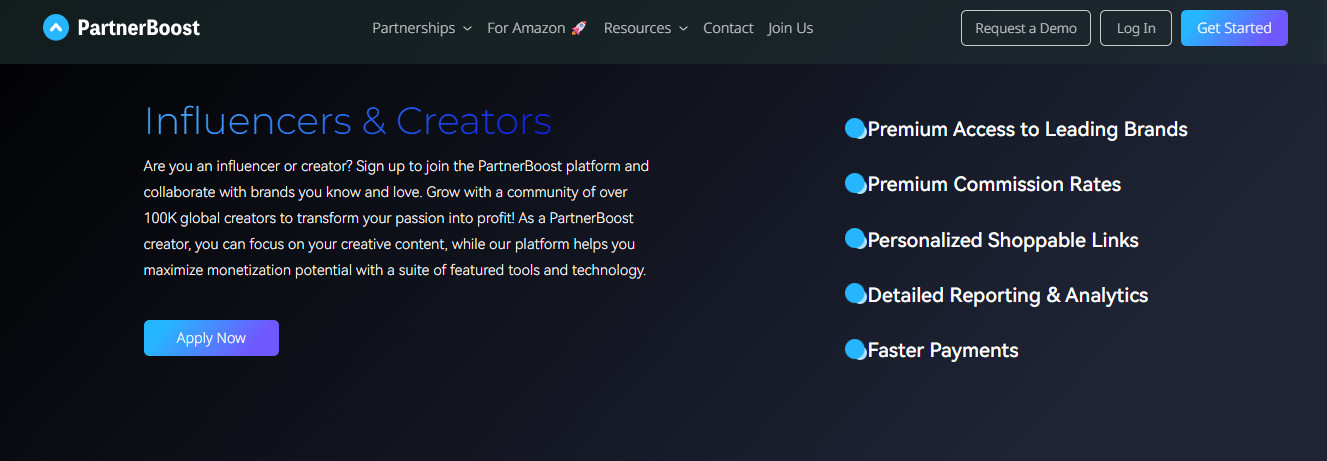
On the other hand, PartnerBoost works in a broader, more network-based way. It supports Amazon seller workflows, has Walmart solution provider status, and connects with networks like Tradedoubler and CJ. Tradedoubler says its PartnerBoost integration gives publishers access to more than 2,500 Amazon sellers.
PartnerBoost also focuses on influencer management, product seeding, content tracking, reporting, and campaign organization. So if your brand already works with affiliate networks, PartnerBoost may be the more practical fit.
Product Seeding and Creator Workflow Differences
Creator programs aren’t just about affiliate links. You’ll also be sending samples, managing content, negotiating paid placements, and connecting all of that back to performance.
Levanta keeps much of that workflow inside one creator-focused system. Its creator tools include:
- Automated product sampling and seeding
- Paid placements
- Creator payments
- Custom commissions
- Branded creator signup pages
- Tax reporting
- Creator discovery, including finding creators already talking about your brand
That makes Levanta appealing for brands that want creator recruitment, gifting, payments, and performance tracking tied together in one commerce-focused platform rather than spread across separate tools.
PartnerBoost also covers many of the same operational needs, but inside a broader partnership platform. Its workflow tools include:
- Product seeding and sample tracking
- Creator and influencer payments
- Influencer content tracking
- Campaign organization
- Reporting and performance management
That means both platforms can support the day-to-day logistics of creator campaigns. The bigger difference is how those creator tools fit into the rest of the platform.
Levanta keeps them closely tied to e-commerce affiliate and creator performance, while PartnerBoost places them inside a broader partnership management system.
Levanta vs PartnerBoost Pricing and Long-Term Costs
Levanta’s public pricing starts with its Gold plan at $750 per month plus 3.5% of affiliate sales revenue, with enterprise pricing available on a custom basis.
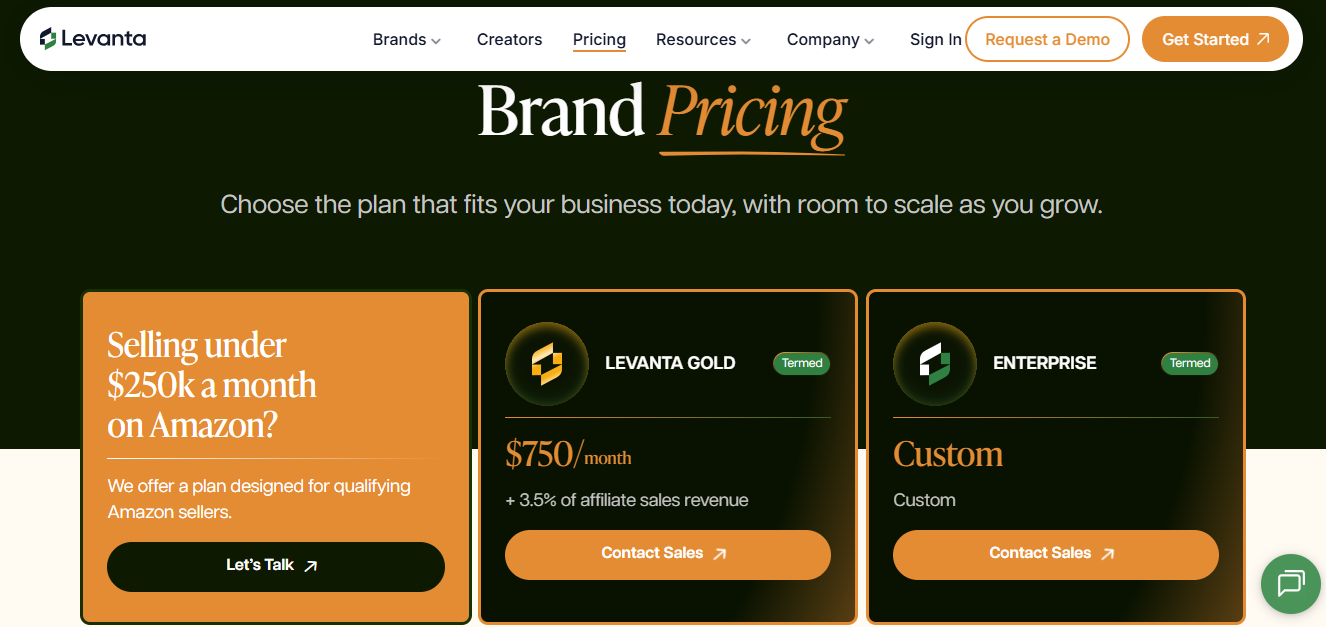
It also offers a plan for qualifying Amazon sellers doing under a certain amount per month in sales, which can make the platform more accessible for brands that are still growing. Their platform’s pricing model tends to scale alongside performance, so the value often depends on how much affiliate-driven revenue your brand expects to generate.
For example, a mid-size supplement brand bringing in $80,000 per month in Amazon affiliate revenue is going to evaluate that cost very differently than an established home goods brand doing several times that volume.
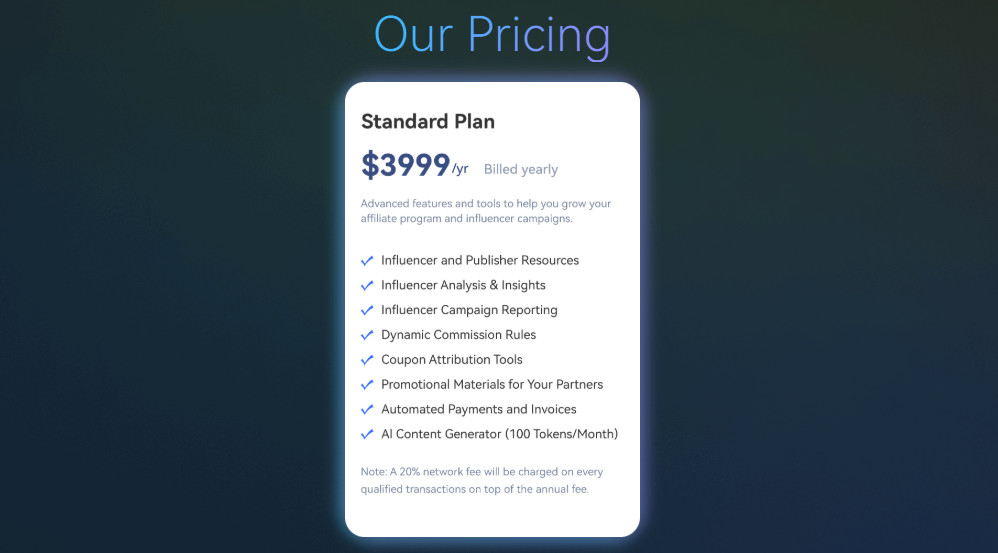
On the other hand, PartnerBoost’s Shopify App Store listing shows a Standard Plan at $3,999 per year with a seven-day free trial (though brands should confirm pricing directly since costs may vary depending on marketplace support, service levels, and the channels included in the final package).
Which Should You Choose Based on Pricing?
Brands with heavy sales and a strong affiliate program already generating significant revenue may find PartnerBoost’s flat-fee structure more predictable over time, since they are not paying an ongoing percentage of affiliate-driven sales.
Levanta may make more sense for larger brands that are still actively growing their creator program and don’t want to commit to a large upfront software investment right away. Its lower monthly starting point and performance-based pricing can make it easier to scale gradually as creator-driven revenue increases.
It also helps that Levanta is more like a modern creator commerce platform than a basic affiliate tool. The company offers new creator and affiliate tooling on a rolling basis, and the platform is built to be user-friendly, help larger teams manage creator relationships, track performance clearly, and scale programs more efficiently as they grow.
How to Choose Between Levanta and PartnerBoost
So, how do you actually decide between the two? Well, it helps to narrow down what you actually need.
Start With the Program You’re Actually Trying to Build
If your business is primarily focused on Amazon, Shopify, and Walmart sales, start by asking how much complexity you really need. Brands running creator and affiliate programs across those three channels often care about the same things:
- Finding Partners
- Sending Products
- Tracking Performance
- Paying Creators
- Understanding Which Campaigns Are Actually Driving Sales
If you can’t clearly track which partners are driving profitable sales, the platform will be hard to improve. Levanta’s advantage is that many of those workflows live in one commerce-focused system, so brands do not have to piece together creator discovery, product seeding, attribution, payments, and reporting across multiple tools.
Match the Platform to Your Channel Mix
Start by looking at where your revenue comes from today and where you want growth tomorrow. The right platform often depends less on feature lists and more on which channels matter most to your business.
- Amazon-heavy brands: Marketplace attribution and Amazon-native creator tracking may matter most, making a platform like Levanta more attractive if marketplace visibility is your biggest gap.
- DTC-focused brands: Shopify integrations, affiliate links, discount code tracking, product-level reporting, and compatibility with your current martech stack may carry more weight. Both platforms support DTC workflows, but the better fit depends on how deeply you want affiliate and creator programs tied into your existing systems.
- Walmart or emerging marketplace brands: Look closely at whether the platform can support those channels within the same workflow, rather than forcing you to manage them separately later.
What Type of Brand Usually Chooses Levanta?

Levanta tends to make more sense for brands that want a focused e-commerce affiliate and creator program rather than a broad partnership platform. It is often the better fit for:
- Amazon-first brands that need marketplace-specific attribution
- Omnichannel e-commerce brands (Amazon, Shopify, and Walmart)
- Lean marketing teams that want one streamlined workflow
- Growing and established brands that need built-in creator discovery and product seeding
- Brands focused primarily on revenue-driving affiliate and creator campaigns
With Levanta, you’re paying for a program that handles this specific workflow clearly, without forcing your team to use a bunch of disconnected tools.
The tradeoff for some brands, though, is the cost. At $750 per month plus revenue share, Levanta only makes sense if you have a real affiliate program and someone actively managing it.
It is not the best fit for a simple Shopify referral program or a basic ambassador setup. So, if you’re serious about growing creator and affiliate programs across multiple channels, Levanta’s focused workflow can be worth the investment.
What Type of Brand Usually Chooses PartnerBoost?

PartnerBoost tends to make more sense for brands that see partnerships as a broader acquisition channel beyond e-commerce creator programs. It is often a stronger fit for:
- Brands managing multiple partnership types
- Teams already working within affiliate networks like CJ or Tradedoubler
- Larger partnership teams
- Brands that need broader publisher and network integrations
PartnerBoost is built for that broader motion, but its tradeoff is complexity. More coverage means more to configure, more to manage, and more internal ownership required. That’s not a reason to avoid it, of course, but it is something to be honest about before you sign.
If you want a more managed experience, the end-to-end service option Walmart describes makes PartnerBoost worth a closer look on that dimension too. Some teams will find that having support baked in is worth the extra overhead.
Our Final Thoughts
Having a solid understanding of what your business is already doing and where you want it to grow and thrive from here is the most important thing.
If your main goal is growing a focused e-commerce creator and affiliate program with as little operational friction as possible, Levanta will likely feel like the cleaner fit.
If your goal is managing a broader partnership ecosystem with more relationship types and network integrations, PartnerBoost may offer more flexibility, but that broader scope only pays off if your business actually needs it.
Once you know what you’re looking for, choosing between these two brands gets a lot easier.