

Last Updated on May 18, 2026 by Ewen Finser
Scroll through Instagram or TikTok for 30 seconds and you’ll notice discount codes, “shop my closet,” and creator recommendations. That’s affiliate marketing in action.
At its core, affiliate marketing is a performance-based strategy where brands partner with creators or publishers who earn a commission when a specific action happens, like a sale, sign-up or click.
What sets it apart from typical creator content is accountability. Every post, link or campaign ties back to measurable results, and it’s only growing. Today, 81% of brands run affiliate programs to expand reach and drive sales. Behind the scenes, these programs rely on platforms to handle tracking, attribution, payouts and reporting.
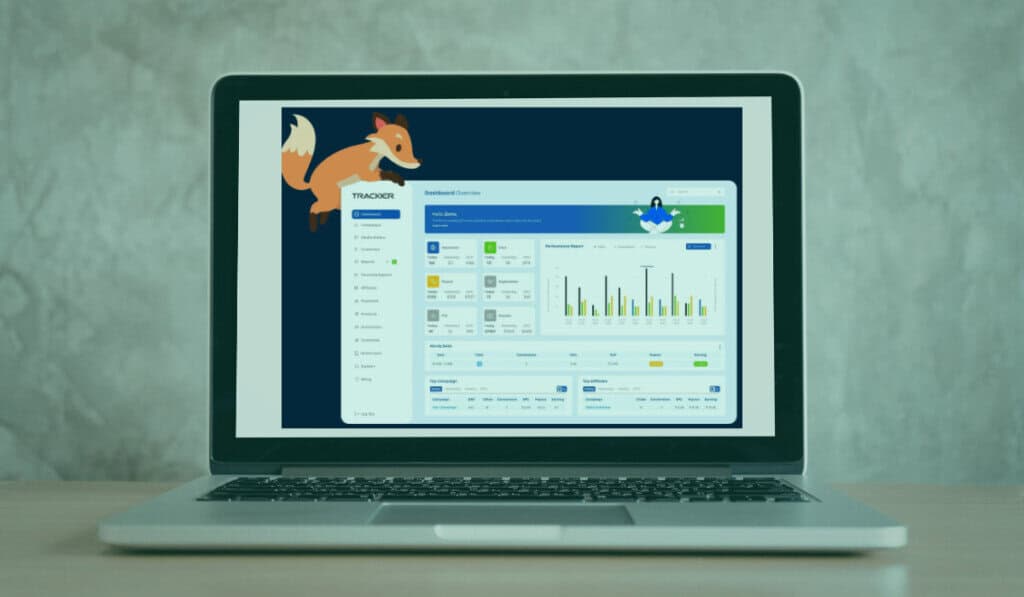
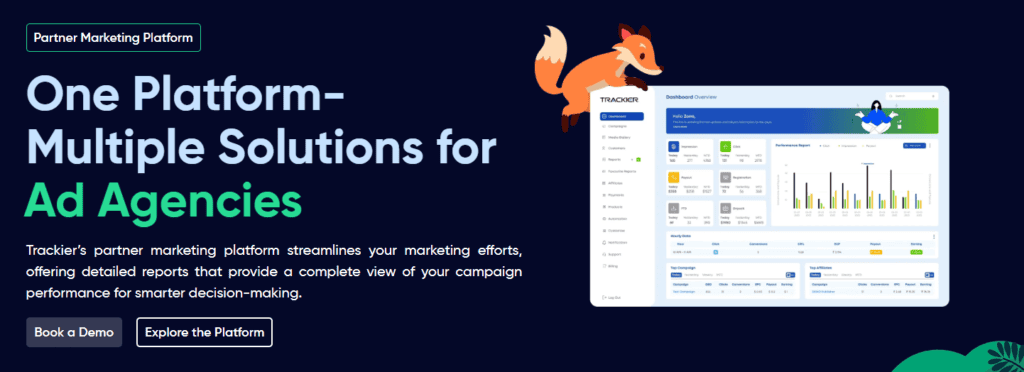
Trackier has built a strong reputation as an all-in-one platform for managing partner programs across different stages of growth. It brings core functions like tracking and partner management into one place, bringing core functions like tracking, attribution, and partner management into one place.
As programs scale, needs often become more nuanced depending on the types of partners, channels, and goals involved. What works well for one stage of growth may not always align perfectly with more complex program structures. For some teams, factors like reporting speed, attribution flexibility, and workflow customization become more important as programs evolve.
Different platforms are built to support different types of growth strategies. That’s what led me to explore Trackier alternatives; platforms that offer different approaches to managing and scaling partner programs.
What to Look for in a Trackier Alternative?
When you’re shopping around for these affiliate marketing platforms, it’s easy to get lost in their “feature lists.” But in reality, it is not just about what a platform can do, it’s more about how it aligns with your program today, and where it’s headed tomorrow. For example, an e-commerce brand that partners with influencers and cashback sites can start off with simple commission tracking.
However, as the brands’ program evolves and they work with more creators, channels and increase their spend, they’ll need better visibility into which partners are actually driving revenue.
At that point, it’s no longer just about tracking clicks, it’s about evaluating performance in a deeper way and having a platform that handles the repetitive tasks. This way your team can put the manual work behind.
Here are just a few things that should be automated in a modern partner marketing platform:
- Partner onboarding
- Campaign setup and approvals
- Conversions and event tracking
- Recurring reports
- Performance dashboards
- Payouts and invoicing
If these processes are still manual, they can slow down decision-making and limit how quickly programs scale.
Full Funnel Attribution
Conversion tracking is a powerful KPI in the world of digital marketing because it shows completed actions. While it’s important, however, it’s no longer enough on its own. This is where some platforms begin to differentiate in their capabilities. They show what happened, but not always the full context behind it.
Relying on conversions is like judging a movie based on its ending. You’re missing everything that led up to it! In partner marketing, this can be a problem. Successful partnership growth comes from looking at the entire customer journey, from start to finish:
- Pre-conversion engagement (content views, sign ups, clicks)
- Multi-touch attribution across different partners
- Post purchase revenue
- Repeat purchase behavior
If you don’t evaluate the customer journey, it’s difficult to identify which partners are bringing in meaningful results to the business. Who is actually contributing meaningful value vs those just getting the last click.
Real Time Reporting
In affiliate marketing, timing is of the essence. Campaigns move quickly, budgets shift, partners scale up, or drop off.
Delayed reporting can make it harder to act quickly. Personally, I believe that having access to performance data in real time makes a meaningful difference. Whether it’s adjusting payouts, optimizing campaigns or doubling down on high-performing partners, real-time reporting is no longer a “nice to have;” it’s essential.
Automation Is No Longer A Bonus
Gone are the days of manual tasks and dreadful spreadsheets. Nowadays, automation is a baseline expectation, and truthfully, it’s increasingly seen as a baseline expectation.
In my opinion, teams that are still doing manual work in affiliate marketing are going to be left behind. Not because they’re doing something wrong. But because the rhythm and pace has changed.
If automation handles the repetitive tasks, you’ll have more time for what actually brings growth: building relationships, testing out strategies, and driving revenue.
Exploring Trackier Alternatives
When you understand what actually matters in affiliate marketing and how it suits your brand, it’s easier to evaluate what’s on the market, and once I started looking for affiliate management platforms beyond Trackier, I realized there’s no shortage of options. Like I mentioned before, every brand’s program needs its own type of platform for its stage of growth.
Here are a few alternatives that stand out:
Everflow

One platform that I keep seeing for scaling teams is Everflow. What caught my attention is that they don’t just solely focus on tracking. Instead, they position themselves as a platform that focuses on partner growth as a whole. Everflow is often considered by teams looking for more advanced customization and visibility.
Keep reading: Everflow Review (2025): The Affiliate & Partner Management Platform That Goes Beyond Tracking
What makes Everflow stand out:
Full Funnel Distribution that goes beyond last click
Everflow gives visibility across the entire customer journey. From early engagement, like pricing page visits, to post-purchase activity, you’re able to identify how users progress through the funnel. It’s an important feature as a lot of revenue happens after the first conversion, and without this view it’s easy to miss.
Partner Value Measurement
Each partner drives different results. With Everflow, you can identify which ones are contributing to long-term revenue. Additionally, this helps optimize toward lifetime value and make strategic decisions around where to invest time and budget.
All-In-One Partner Management & Reporting
In Everflow’s system, everything lives in one place. Tracking, attribution, analytics, payouts, reporting. Say goodbye to tool fragmentation and scattered data.

Everflow makes partner management simple, fast, and transparent. Real-time data, clean reporting, and tools built for affiliate managers who want to scale with confidence.
Direct Partner Ownership
There’s no need to rely on third-party networks as Everflow’s platform can manage partnerships directly. With direct partner ownership you get more control over data and your program structure.
Cost Efficiency & Elimination of Network Fees
Direct partner management within the platform allows you to eliminate typical network fees. Consequently, this can lead to a good amount of cost savings on partner payouts.
Advanced Automation & Optimization
Everflow automates the operations of partner marketing. This allows teams to focus on performance optimization and developing partnerships instead of managing tedious tasks.
Unified Data & Attribution Control
With centralized data, you have a single source of truth for partner performance. This makes it easier to analyze results, tweak attribution models, and understand your revenue stream.
Why it may not work
Requires upfront set up
An initial setup is required to align tracking, workflows, and integrations. In the long run it will pay off, but it’s not a one-click type of connection.
Could be more than you need if you’re “getting started”
If you’re in the early stage of affiliate marketing, Everflow may seem a bit more advanced than other platforms. It could be easier with simpler tools before scaling.
PartnerStack

PartnerStack seems like a go-to for SaaS and B2B companies. It’s more about building a structured partner ecosystem, rather than performance tracking and partner growth. Like referrals and resellers.
What makes PartnerStack stand out:
Strong for B2B partnerships
PartnerStack’s platform is built with B2B relationships in mind. It supports more structured partnerships, with a focus on long-term value and collaboration. This makes it a strong system for SaaS companies with longer sales cycles.
A Built-In Partner Marketplace
PartnerStack has a marketplace for brands to connect with prospect partners that are interested in collaborating. This feature can help with partner acquisition and limit the need for outbound efforts.
Ideal for Long-Term Relationship Management
The platform enables partner engagement and retention instead of quick performance wins. This is useful for teams that’s core focus is to build a stable partner ecosystem.
Why it may not work
Less established for performance-driven models
While strong in B2B, it’s not as engaged in fast-moving affiliate programs or teams that rely on real-time optimization.
Surface-level attribution
Attribution stays at a higher level, which makes it harder to pinpoint how different touchpoints contribute to revenue.
Impact
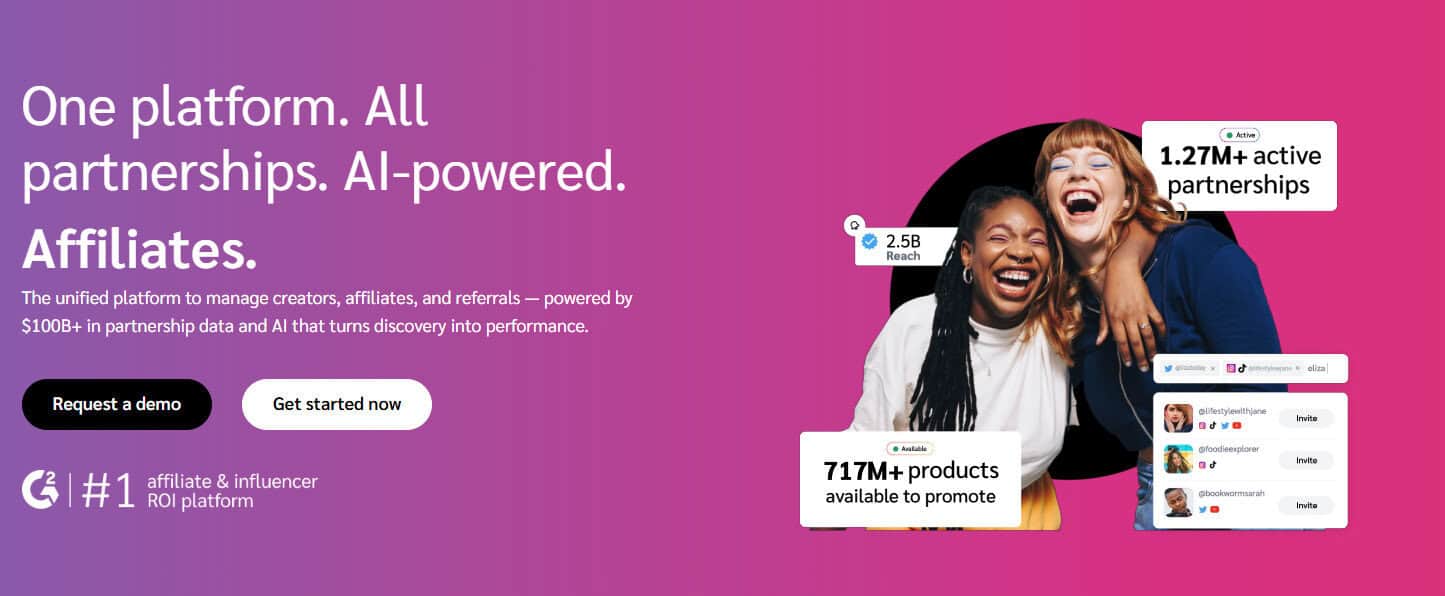
Impact is one of the well-known players in the affiliate marketing platform game.
It offers a unified space for brands to optimize every type of partnership such as influencers, creators, and business development partners.
What makes Impact standout
Advanced Performance Analytics
Impact’s platform provides detailed analytics that helps brands dissect partner performance across multiple touchpoints. This can be beneficial for partners that want deep insights and review performance at scale.
Enhanced Partner Discovery Marketplace
A large marketplace makes it easier to discover and recruit new partners, which consequently can drive growth. It may be attractive to brands who are looking to expand their partner programs quickly.
Fraud Protection Tools
Impact’s built-in monitoring system helps identify low-quality traffic and potential fraud. This adds an extra layer of protection, which can be important for brands managing high volume of partner activity.
Why it may not work
Higher Cost vs Other Platforms
Impact can be more costly, especially for smaller teams or those just getting started. Costs can also increase as usage scales.
Complex User Interface
The platform has a lot of features, which comes with a learning curve. Teams will need extra training time to get comfortable before confidently using the platform.
Longer Onboarding Process
It takes a longer time to set up Impact’s platform in comparison to others, which can cause a delay in initial program launches.
TUNE

TUNE, formerly known as HasOffers has been around since 2009, so it’s known for its reliability in performance tracking.
What makes TUNE standout
Strong Tracking Base
TUNE has built its reputation on consistent and reliable tracking. It’s a secure option for teams that focus on accuracy and stability in partner performance data.
Web and Mobile Friendly Interface
The platform has a responsive design and supports campaigns that run on web and mobile. This makes it flexible for brands interested in running multi-channel programs.
Flexible Integration with Two-Way API feature
With advanced API capabilities, TUNE can cater to more customized setups and data sharing between systems. It’s a beneficial feature for brands that have more technical requirements.
Why it may not work
Outdated User Interface
TUNE’s UI feels less modern compared to newer platforms, which can cause doubt for partners that want a more intuitive experience for users.
Lack of Automation
Limited automation capabilities can lead to more manual work and slower scaling.
Final Thoughts
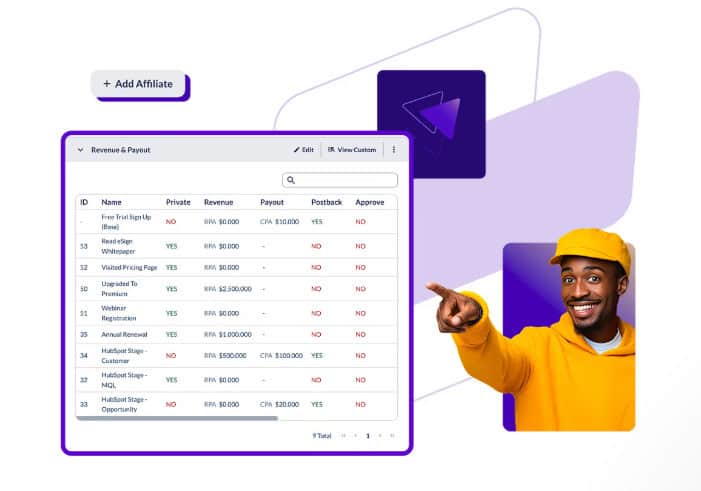
After taking a deeper look at Trackier alternatives, it’s clear that the right platform choice isn’t just about how it manages partnerships, it’s about accelerating growth as partner programs develop.
While Trackier is a suitable platform for a starting point, its capabilities can become limited over time, and features like full-funnel visibility, automation and partner value tracking become key to a successful partner program. Each platform brings different strengths depending on how a partner program is structured and where it’s headed. Everflow earns my vote, as the platform’s features actually support the way modern partner programs progress.
By combining all-in-one partner and performance tracking with unified partner management, automation, attribution control and actionable insights, teams gain full visibility into revenue driving partners, not just clicks.
In the long run, though, these partnerships aren’t transactions. They’re about building strong and loyal relationships that last.