


- What is Metro by T-Mobile?
- What is Boost Mobile?
- Metro vs Boost Mobile: Plan Structure
- Metro vs. Boost Mobile: Value for Money
- Metro vs. Boost Mobile: Benefits
- Metro vs. Boost Mobile: Device Financing
- Metro vs. Boost Mobile: International Access
- Metro vs. Boost: Hotspot
- Metro vs. Boost: Customer Service and Store Access
- Metro vs. Boost: Overall Winner
Last Updated on May 29, 2026 by Ewen Finser
If you’re looking for a prepaid mobile plan and have narrowed it down to either Metro by T-Mobile or Boost Mobile, then you’re already well on your way to making a wise decision.
Both of these carriers undercut most major postpaid networks in terms of pricing. They also both offer unlimited talk, text, and data. Subscribers can also sign up without entering into a long-term contract.
However, once you drill down into the specifics, the similarities are less apparent. This includes factors like what you’re actually paying for, how their respective networks perform under load, and what extras you’ll get for your money.
What is Metro by T-Mobile?
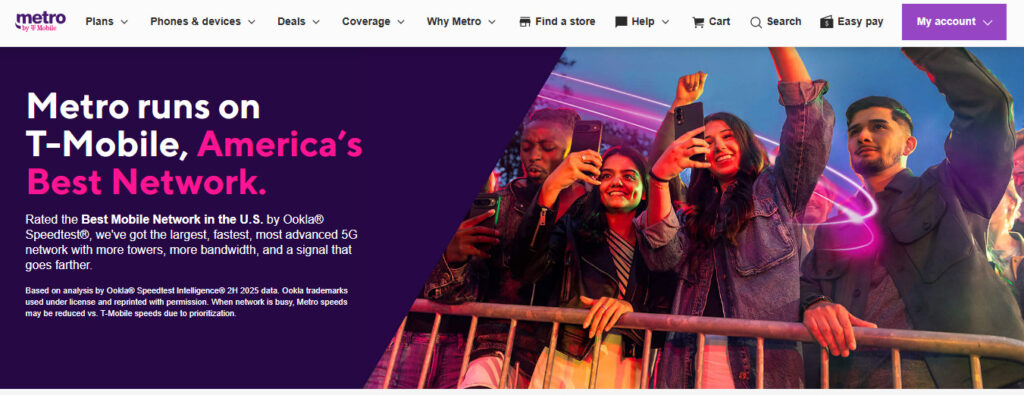
Metro was originally established back in 1994 as General Wireless, Inc. It later became known as MetroPCS and merged with T-Mobile in 2013, after which it was rebranded to its current, catchier name in 2018.
That means Metro is T-Mobile’s own prepaid brand, not a Mobile Virtual Network Operator (MVNO) reselling someone else’s infrastructure. As a direct T-Mobile subsidiary, it runs directly on the same 4G LTE and 5G infrastructure as T-Mobile’s customers.
One caveat is that on certain plans, Metro customers’ traffic can be deprioritized behind subscribers on postpaid T-Mobile plans during periods of network congestion once they go over a prescribed data cap. We’ll return to this in more detail below.
There are no annual contracts, and the advertised prices generally include all taxes and fees. Metro advertises three main single-line plans, with eligible monthly subscription rates backed by a five-year price guarantee covering talk, text, and 5G smartphone data.
Read the Full Metro by T-Mobile review here: Metro by T-Mobile Review 2026: Plans, Speeds, Hotspot Limits & Value
What is Boost Mobile?
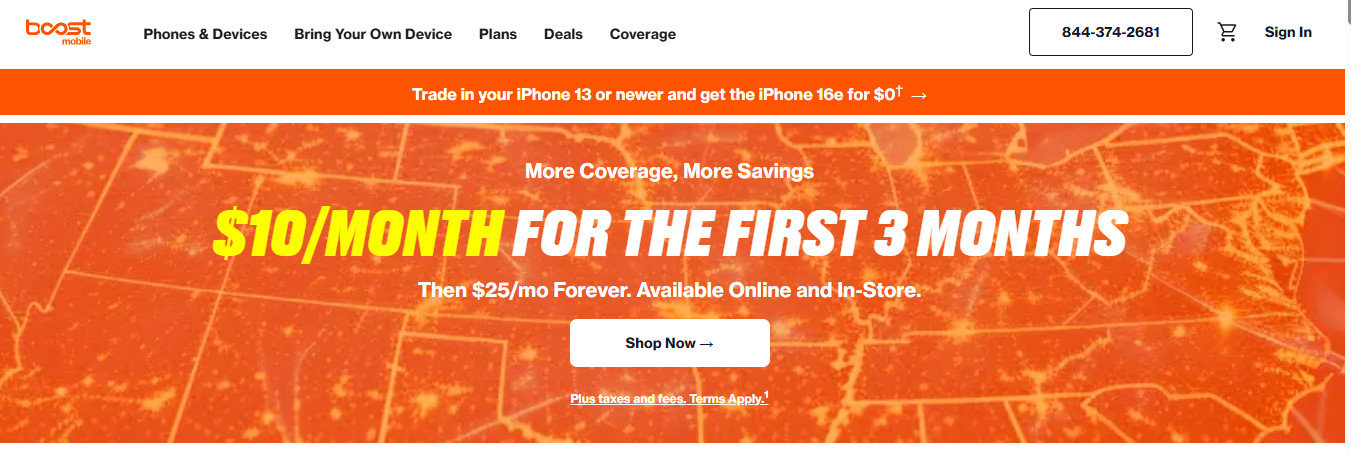
This carrier has a more complicated history than Metro by T-Mobile. In the US, Boost began as a prepaid brand launched with Nextel, later became part of Sprint, and was then acquired by Dish Network in 2020.
Dish spent several years building its very own 5G infrastructure with the intention of becoming a major US carrier. After years of mounting financial pressure, Dish’s parent company agreed to sell key 3.45 GHz and 600 MHz spectrum licenses to AT&T in 2025.
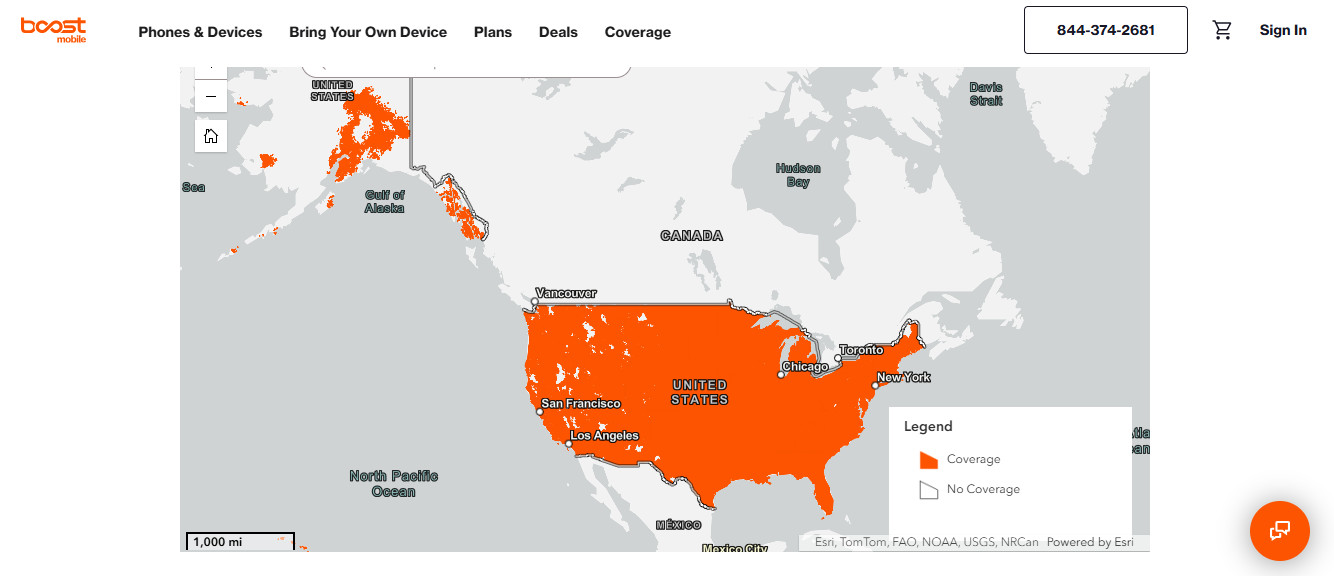
As of 2026, Boost Mobile operates as a hybrid model: it has its own cloud-native 5G core, primarily connected to AT&T’s towers, though Boost claims that subscribers will still have access to T-Mobile’s network.
Like Metro, Boost Mobile offers three main single-line ‘unlimited’ plans, with no annual contract. Customers can cancel at any time, provided they haven’t obtained a device on finance.
Unlike Metro, though, taxes and fees are in addition to advertised prices.
Metro vs Boost Mobile: Plan Structure
Both carriers offer multiple subscriptions. For the purposes of this guide, I’ve focused on their main advertised three-tier, single-line, ‘unlimited’ lineups. Plans, features, and pricing are subject to change, so I encourage readers to do their own research before subscribing.
Metro
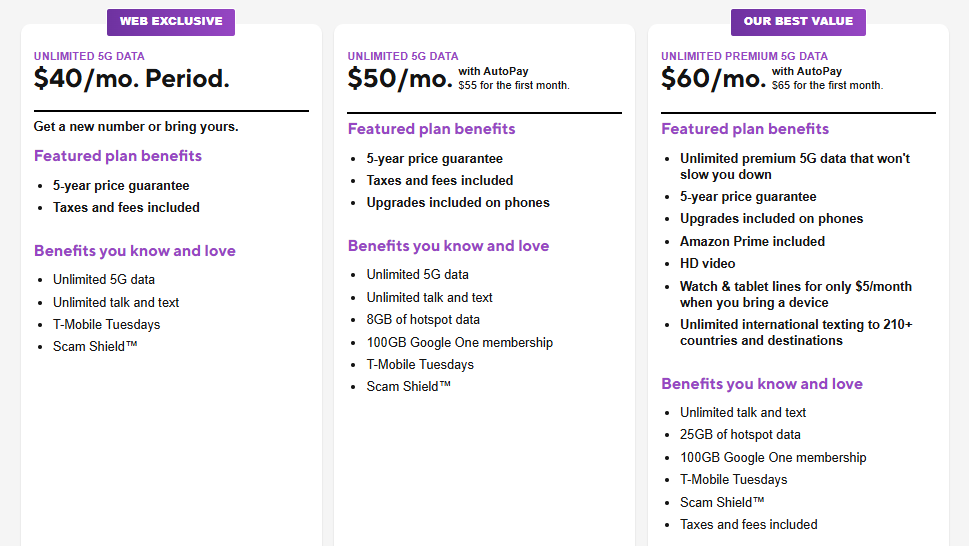
- $40/month baseline plan: This includes unlimited talk, text and 5G data. Potential deprioritization of user traffic after 35 GB during peak congestion times. Hotspot isn’t supported.
- $50/month mid-tier plan: Unlimited talk, text, and 5G data with a higher threshold for deprioritization (50 GB). Includes 8 GB of hotspot data and 100 GB Google One membership. Device upgrade availability after 12 months.
- $60/month premium plan: Unlimited talk, text, and 5G data with no hard premium data cap. 25 GB of hotspot data. 100 GB Google One membership and Amazon Prime membership. Unlimited international texting to 210 + countries
Boost
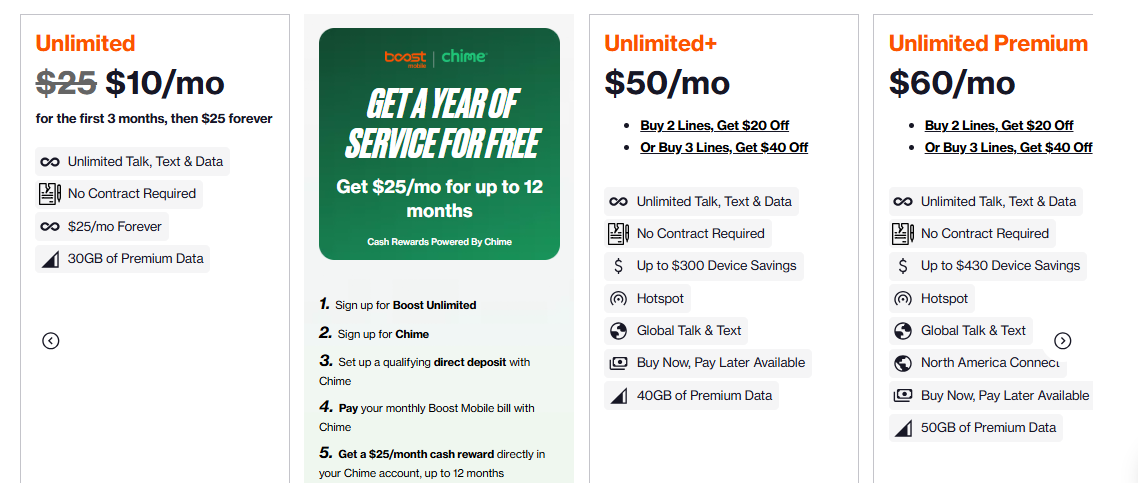
- $25/month baseline plan: (Currently $10/month for the first three months). Unlimited talk, text, and data. Speed may be reduced to 512 Kbps after 30 GB of ‘premium’ data usage. Hotspot isn’t supported.
- $50/month mid-tier plan: Unlimited talk, text, and data, with a higher threshold for ‘premium’ data (40 GB). Hotspot is included in this allowance. Unlimited calls to 100+ countries.
- $60/month premium plan: Unlimited talk, text, and data, with a higher threshold for ‘premium’ data (50 GB). Hotspot is included in this allowance. Unlimited calls to 100+ countries.
Winner: Metro
Factoring taxes and other charges into prices reduces the risk of bill shock. Metro’s highest pricing tier ($60/month) removes the premium data cap altogether.
Boost’s entry-level plan is priced competitively, but Internet will slow to a crawl at 512 kbps once the premium data limit’s reached on any plan.
Metro vs. Boost Mobile: Value for Money
On the face of it, Boost’s entry-level plan at $10/month for the first three months, then $25/month thereafter, is hard to argue with on price, compared to Metro’s main baseline offering of $40/month.
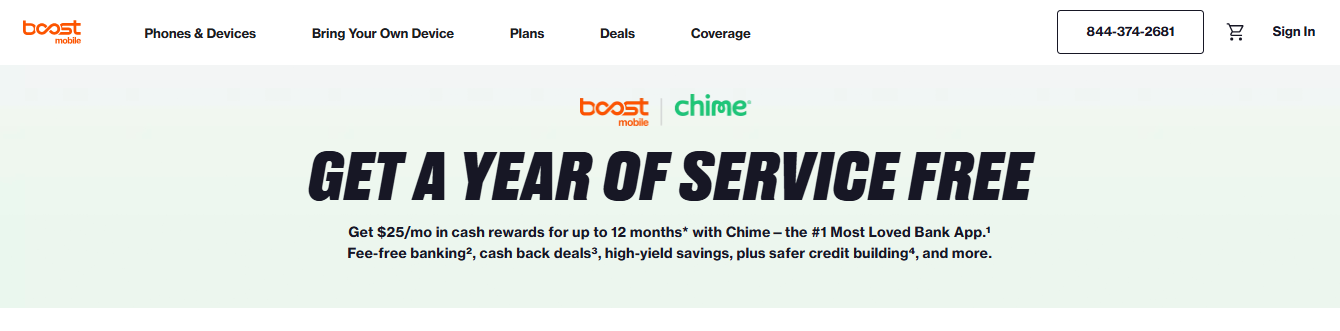
However, this doesn’t tell the full story once you look beyond the advertised prices. For example, Boost’s promise of $25 ‘forever’ includes a $5 monthly Autopay ‘discount’. If you deactivate this, the price climbs to $30/month.
Federal and state taxes, as well as local wireless tax (if applicable) on Boost’s prepaid plans, can be harder to calculate, but realistically, you can expect to pay an extra $5 to $15 per month, depending on the plan price and your location.
This is an important consideration as Boost’s premium pricing tier ($60/month) would appear to cost the same as Metro’s (assuming Autopay in both cases).
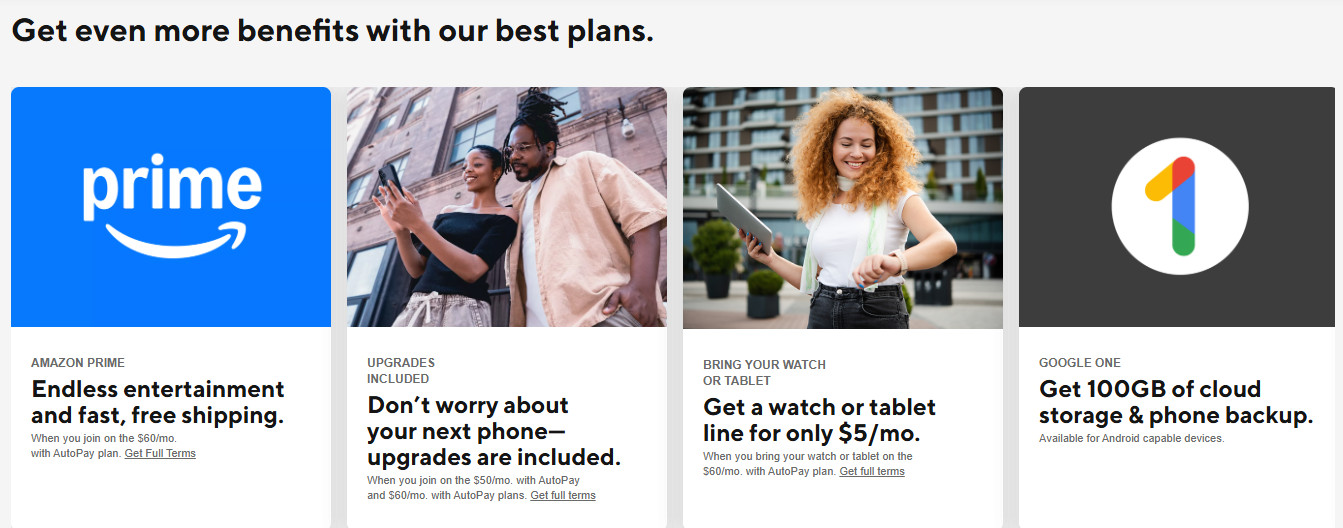
However, this doesn’t factor in perks. For instance, Metro’s $60/month plan includes T-Mobile Tuesdays, Amazon Prime membership (worth $14.99/month), and a Google One 100 GB plan (worth $1.99/month). Boost’s top-tier plan can also reduce download speeds to 512 Kbs after a subscriber goes over the 50 GB cap, while Metro’s equivalent plan doesn’t throttle user traffic in the same way.
The advertised hotspot data on Boost Mobile plans is also included in users’ monthly allowance. Metro’s prepaid plans offer hotspot data in addition to any other data allowance.
Winner: Metro
The all-in-pricing model keeps things simple, and the perks (especially for the $60/month tier) can deliver more verifiable value than Boost plans for a similar price. Boost’s entry plan wins on headlines, but will go up after three months, and once taxes are factored in.
Metro vs. Boost Mobile: Benefits
We’ve touched on some of the perks that come with each carrier’s prepaid plans, but it’s worth exploring in more detail, as there’s a substantial gap between the two:

Metro
All subscribers to Metro’s core single-line plans benefit from ‘T-Mobile Tuesdays’. This is a rotating program of discounts, including reduced fuel at participating gas stations, monthly Slurpees, and reduced prices at eligible restaurants and movie theaters.
Other benefits include:
- 100 GB Google One storage: (On $50/month and $60/month plans)
- Amazon Prime membership: (On $60/month plans)
- Scam Shield: An app designed to block scam calls, available on all plans.
Boost
The benefits linked to Boost Mobile’s main prepaid unlimited plans are much thinner.
The Unlimited Premium plan at $60/month includes Global Talk & Text (calling to 100+ countries, texting to 191+ countries), as well as ‘North America Connect’ (unlimited talk, text, and 5GB of data when roaming in Mexico or Canada).
These are useful, but don’t offer the same value as Metro’s rewards program.
Winner: Metro
If you sign up for the $60/month tier and are already an Amazon Prime subscriber, this alone would make Metro’s benefits superior to anything offered by Boost Mobile.
Metro vs. Boost Mobile: Device Financing
Metro
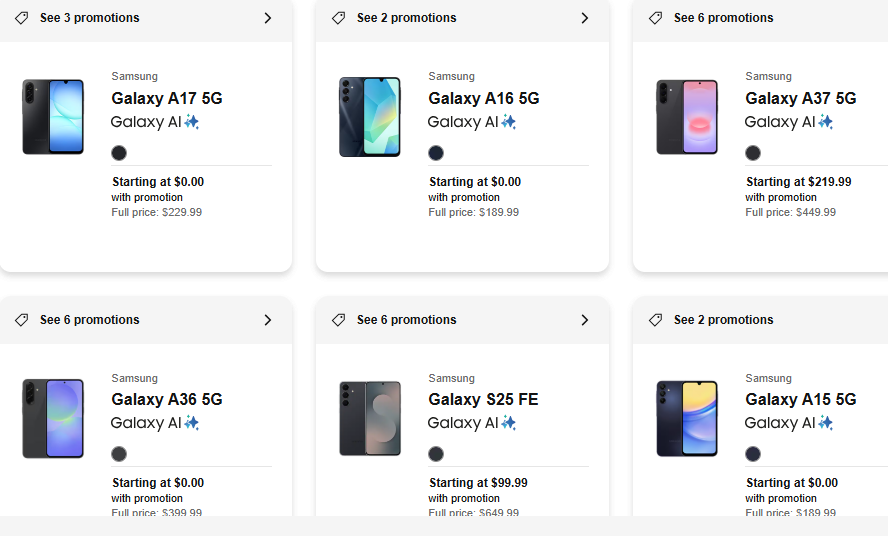
Most device financing for Metro is handled by Affirm. There are options for four interest-free bi-weekly payments or longer monthly instalments at 10 – 36% APR, depending on customer status.
There’s no postpaid-style automatic credit check, but Affirm financing is subject to an eligibility review.
Mid- and premium- tier subscribers are also eligible for Metro’s “Flex” program. This means that after 12 months, they can trade in their existing device and receive the same deals as new customers on certain phones, for up to four lines.
Boost
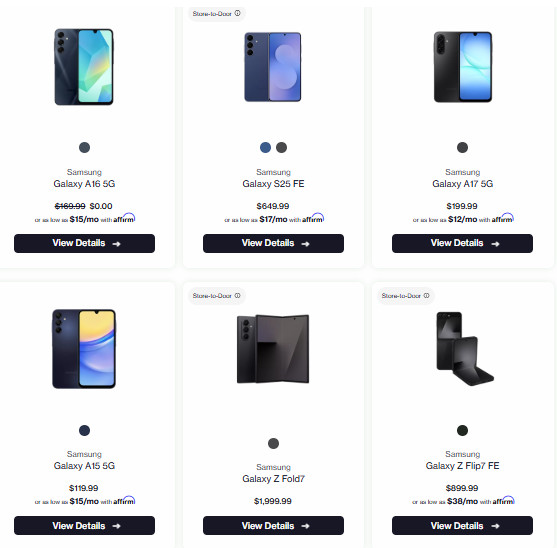
Boost Mobile offers device financing generally, but its most prominent offerings are its “Infinite Access” programs for certain Samsung Galaxy devices and iPhones.
The Infinite Access plan is a 36-month finance agreement bundled with eligible plans, which currently start at $65/month (plus taxes). There’s also an annual upgrade option once twelve monthly payments have been made if your account’s in good standing.
Device financing with Boost Mobile is structured as a credit-qualified finance agreement. In other words, if you leave before paying off the loan, the remaining amount’s payable in full.
Boost also offers port-in deals for new subscribers who want to keep their existing number but get a new handset at a discount, if they choose a $50 or $60 plan.
Winner: It’s a tie
Both carriers offer loyalty upgrades after twelve months and port-in phone promos. At 36 months, Boost’s “Infinite Access” financing term is longer than some of the more flexible offers by Affirm through Metro. The consequences of leaving before the loan is paid off are also slightly more serious with Boost Mobile, but the difference will be marginal for most subscribers.
Metro vs. Boost Mobile: International Access
Metro
The carriers offers two main international add-ons:
- Mexico & Canada ($5/month): This includes unlimited calls and texts to Mexico and Canada, plus 5 GB of roaming data when in those countries.
- Global Voice (from $10/month): This add-on offers international long-distance calls and unlimited texts to 210+ countries and destinations.
Subscribers to Metro’s $60/month pricing tier also will benefit from unlimited international texts to 210+ destinations at no extra cost.
However, global data roaming outside North America isn’t a built-in feature for any of Metro’s single-line prepaid plans. For that, you’ll likely need an alternative solution.
Boost
Premium prepaid Boost Mobile tiers include more international features. The ‘Unlimited Premium’ plan ($60/month) includes (at no extra charge):
- North America Connect: Unlimited talk and text in Mexico and Canada, plus 5 GB of roaming data.
- Global Talk & Text: Unlimited calls to 100+ countries and unlimited texts to 191+ countries
If you need more international access, Boost Mobile offers add-ons, including ‘Global Roaming’ from $10/month, which supports talk and text in other countries, as well as 1 GB of data per month. You can purchase additional data for $10/GB up to 9 GB.
Winner: Boost
Subscribers to the $60/month tier benefit from unlimited calls and text in all of North America as standard. Metro’s top-tier pricing plan does allow for unlimited international texting, but calls and data for Mexico and Canada require purchasing an add-on.
Metro vs. Boost: Hotspot
Metro
The core prepaid single-line plans have a clear hotspot allowance:
- $40/month: No hotspot support included.
- $50/month: 8 GB of dedicated hotspot data.
- $60/month: 25 GB of dedicated hotspot data.
You can purchase additional data. Currently, this costs $5/month for 2GB, $10/month for 5GB, $20/month for 10GB. Metro’s website doesn’t mention any limit on the amount of add-ons you can buy in one month.
Boost
The data allowances for Boost Mobile’s main prepaid single-line plans seem to be more generous than Metro’s at first:
- $25/month: No hotspot support included.
- $50/month: Hotspot data shared from 40 GB premium data allowance
- $60/month: Hotspot data shared from 50 GB premium data allowance
You’ll note that the hotspot data is referred to as being ‘shared’ here: in plain English, that means it’s taken from the same pool as your regular Internet data instead of being allocated separately.
For example, if you sign up for Boost Mobile’s $60/month prepaid plan, set up your mobile device as a hotspot, and use 25 GB of data, you’ll only have 25 GB left for regular browsing on your phone until the 512 Kbps throttling kicks in.
However, if you did the same on Metro’s $60/month plan, the 25 GB of hotspot data wouldn’t affect your ‘unlimited’ data allowance on your phone at all, nor will your traffic be automatically deprioritized once it exceeds an arbitrary data threshold.
Winner: Metro
While Boost’s $50 and $60 plans technically offer more Gigabytes for your buck for hotspot, the carrier’s shared pool approach means that heavy tethering will likely push you past your data allowance and into traffic throttling territory. Metro’s dedicated hotspot data bucket is likely to be a more practical structure for those who tether devices regularly.
Metro vs. Boost: Customer Service and Store Access

Frankly, neither carrier has an absolutely stellar reputation in this area. I’ve done my best to be impartial and research customer feedback online, but also encourage readers to do their own research, and experiences can be subjective:
Metro
Trustpilot currently rates metrobytmobile.com 1.6 stars out of 5. Despite the clear pricing on the main site, it seems many complaints center on unexpected charges, delays in customer service responses, and billing issues.
You can find more balanced discussions on this topic on social media sites like Reddit, where many users report positive experiences with customer service and daily use.
Metro has physical stores in many locations throughout the USA. There’s a $25 one-time fee for in-store activation, but online activation (including BYOD eSIM activation) is free.
Boost
The carrier has a better rating on Trustpilot: 3.9/5. Multiple reviewers are happy with in-store service and network quality. However, there are also complaints of data speed issues and inconsistent phone/chat customer service experiences. Boost has around 6,000 retail locations across the USA.
Winner: Boost
Overall, online reviews show that the carrier has better customer satisfaction scores than Metro. It also has a comparable network of in-store locations and reliable support channels. While neither carrier is perfect in this category, Boost maintains a slight lead.
Metro vs. Boost: Overall Winner
For most US domestic prepaid shoppers in 2026, Metro by T-Mobile is the stronger overall option.
This is based on a few key factors. T-Mobile’s network is independently ranked as the fastest and most broadly available 5G infrastructure in the US. The $60/month plan also removes the premium data cap that Boost’s equivalent plan still imposes. Metro pricing also includes taxes and other charges.
If you’re a solo user who needs an unlimited phone plan at the lowest possible price point, then Boost’s baseline $25/month might represent better value for money. But there’s no hotspot, and after 30 GB of usage, your speed will be throttled to 512 Kbps, which can barely handle streaming, even standard definition video. Metro can also offer better value for money at higher price points if you’re already an Amazon Prime subscriber.