


Last Updated on November 4, 2026 by The Digital Merchant Team
Grin is a popular influencer marketing platform, but it’s not the only option. If you need better tracking, a lower price, or tools that make influencer management easier, there are plenty of Grin alternatives to consider.
What to Look for in Any Grin Alternative
These are some quick things you should keep in mind if you come across influencer marketing platforms like Grin and want to decide if it is the best way to go:
- User-Friendliness: You want a platform that offers a simple, intuitive interface, especially if you’re new to influencer marketing. The easier it is to use, the more time you’ll have to focus on building your campaigns.
- Campaign Management: Good campaign management tools help you easily track influencer relationships, content, and payments. Find an alternative that automates these tasks, so you can focus on the creative aspects of your campaigns.
- Analytics and Reporting: You need great analytics if you want to know what works and what doesn’t so you can optimize future campaigns. A good alternative should offer in-depth reporting on engagement, reach, ROI, and other metrics.
- Pricing: Choose a tool you can pay for without going over your budget. You probably don’t need all the features. So find an affordable option that gets the work done and fits your business context.
- Integrations: Check if the platform integrates with other tools you already use, like email marketing platforms, CRMs, or social media management tools. You can’t change all your systems just because an influencer platform looks good.
Grin Alternatives At a Glance
If you are reading this, chances are you have already reached the conclusion that Grin might not be a fit for you: some brands find it expensive, while others feel like there are some missing features.
If Grin doesn’t check all your boxes, here are eight alternatives that might be a better fit based on your business needs.
Platform | Standout features | Pricing | Integrations |
|---|---|---|---|
Upfluence | In-Depth Influencer Search; Direct Shopify & WooCommerce Integration; Affiliate Program Features; Automated Outreach & Payments | Custom / contact sales | Amazon, Shopify, Zapier, Adobe Commerce, WooCommerce, Hootsuite, Stripe, BigCommerce, Klaviyo |
Aspire | Vetted Creator Marketplace; Automated Campaign Workflows; User-Generated Content Tools; Data-Driven Insights | Custom / contact sales | Klaviyo, PayPal, Shopify, Instagram, YouTube, Gmail, Impact Affiliate, and more |
Levanta | Amazon Attribution Tracking; Amazon Seller Central Integration; Multi-Channel Support; Clear ROI Tracking | Starts at $750/month + 3.5% of affiliate sales (annual contract required). Custom pricing is available for brands selling under $250K/month on Amazon (by request) | Amazon, Shopify, Wayfair, TikTok Shop, and Walmart |
CreatorIQ | AI-Driven Influencer Recommendations; Advanced Fraud Detection; Enterprise-Level Security; Custom Reporting Dashboards | Custom / contact sales | Custom API, Amazon, Looker, Tableau, Google Analytics, Shopify, Impact Affiliates, and more |
Heepsy | Massive Influencer Database; Fake Follower Detection; Audience Quality Metrics; Simple and Affordable | Starter: $89/mo; Plus: $199/mo; Advanced: $299/mo | Shopify & WooCommerce |
Traackr | Influencer Performance Benchmarks; Spend Optimization Tools; Compliance & Brand Safety Features; Global Campaign Management | Custom / contact sales | Shopify, most email platforms, Okta, One Login, and more |
Meltwater | Easy-to-Use Dashboard; Audience Insights; Campaign Tracking; Affordable Pricing | Custom / contact sales | Shopify, WooCommerce, Gmail, Outlook |
Club | Task-Based Rewards; Gamification Features; Direct E-Commerce Integration; Community Engagement Tools | Custom / contact sales | Shopify, WooCommerce, BigCommerce, Wix, Adobe Commerce, YouTube, TikTok, Instagram, Salesforce, and more |
Upfluence
Upfluence is built for e-commerce brands that want to track exactly how much revenue influencers generate. It’s one of the best platforms for brands using influencer marketing as a direct sales tool.
Key Features
- In-Depth Influencer Search – Find influencers based on engagement rates, audience location, and past brand collaborations.
- Direct Shopify & WooCommerce Integration – See which influencers actually drive sales, not just traffic.
- Affiliate Program Features – Turn influencers into affiliates, giving them commission-based incentives.
- Automated Outreach & Payments – No more spreadsheets—track influencer communication and payments in one place.

Pros
- Easy to find influencers
- Communication and payments in one place
Cons
- Lack of transparent pricing
- Clunky interface
Price
Custom pricing.
Best For
E-commerce brands that want direct sales tracking.
Aspire
Aspire (formerly AspireIQ) is for brands that want more than just one-off influencer campaigns. If you’re building a long-term influencer strategy, this platform helps you create deeper connections with creators.
Key Features
- Vetted Creator Marketplace – Work with influencers who already have experience with brands.
- Automated Campaign Workflows – Streamline influencer outreach, content approvals, and payments.
- User-Generated Content Tools – Easily collect and repurpose influencer content across multiple marketing channels.
- Data-Driven Insights – Track campaign performance and optimize based on real engagement and conversion data.

Pros
- Strong e-commerce integrations
- Large creator network
Cons
- Contracts can require a commitment
- Steep learning curve
Price
Custom pricing.
Best For
Brands focused on long-term influencer relationships.
Levanta
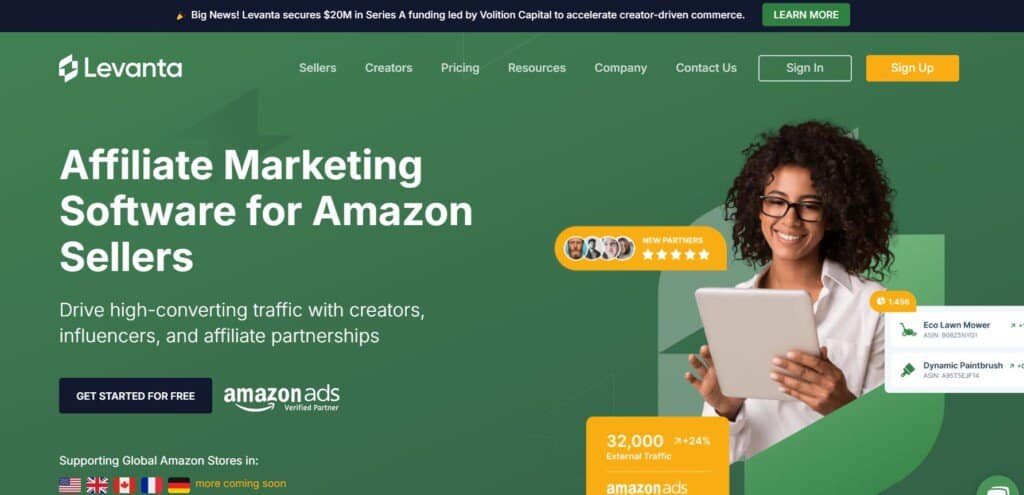
If your brand sells on Amazon, Levanta should definitely be at the top of your list. It’s designed to connect influencer marketing directly to Amazon sales data.
Grin is not technically a full competitor to Levanta since Grin works exclusively on DTC while Levanta works with brands that sell on Amazon, Shopify, Wayfair, TikTok Shop, and Walmart. So, in most cases, if you are a DTC brand that also has an Amazon presence you will also need Levanta to run your affiliate programs in addition to Grin (if you choose to use Grin).

Levanta assembled this report to help digital merchants navigate the new AI-shaped buying journey. Discover why creators now drive the clicks AI can’t and how to turn that into revenue.
Key Features
- Amazon Attribution Tracking – See exactly how influencer campaigns impact Amazon sales.
- Amazon Seller Central Integration – Manage influencer marketing while keeping an eye on your Amazon storefront.
- Multi-Channel Support – Run campaigns across Instagram, TikTok, YouTube, and more.
- Clear ROI Tracking – Get real data on which influencers actually drive purchases.
Pros
- If your brand sells on Amazon, Levanta makes it easy to connect influencer marketing to revenue
- Multi-channel management
Cons
- Requires active recruitment
- Reporting may require additional tools
Price
Starts at $750/month + 3.5% of affiliate sales (annual contract required).
Custom pricing is available for brands selling under $250K/month on Amazon (by request).
Best For
Brands that sell on Amazon, Shopify, Wayfair, TikTok Shop, and Walmart.
CreatorIQ
If you’re running influencer marketing at scale, CreatorIQ is one of the most powerful platforms you will find out there. I mean, even Fortune 500 companies use it, so that tells you something.
Key Features
- AI-Driven Influencer Recommendations – Find creators based on past performance, audience quality, and brand fit.
- Advanced Fraud Detection – Identifies influencers with fake followers or engagement.
- Enterprise-Level Security – Designed for large companies that need compliance and data protection.
- Custom Reporting Dashboards – Get deep insights into campaign performance across multiple markets.

Pros
- Detailed analytics and reporting
- End-to-end campaign management
Cons
- Complex workflow
- Difficult to discover creators
Price
Custom pricing.
Best For
Large enterprises and agencies.
Heepsy
Not every brand needs a complex influencer management platform. If you’re just looking for an easy way to find influencers fast, Heepsy is a functional (and affordable) option to keep in mind.
Key Features
- Massive Influencer Database – Search millions of influencers by category, location, and audience size.
- Fake Follower Detection – Avoid influencers who artificially inflate their numbers.
- Audience Quality Metrics – See where an influencer’s audience is located, their age range, and engagement levels.
- Simple and Affordable – No complex tools—just a streamlined influencer search platform.

Pros
- Can be cost-effective if you just need a discovery tool
- Easy to use
Cons
- No extra management features
- Limited integrations
Price
Starter: $89/month; Plus: $199/month; Advanced: $299/month.
Best For
Finding influencers quickly and affordably.
Traackr
For brands that care about detailed analytics and performance tracking, Traackr is a top choice. It’s all about measuring influencer impact with real data—not just vanity metrics.
Key Features
- Influencer Performance Benchmarks – Compare influencer campaigns against industry standards.
- Spend Optimization Tools – See which influencers bring in the best ROI and adjust your budget accordingly.
- Compliance & Brand Safety Features – Ensure influencers follow brand guidelines and avoid PR risks.
- Global Campaign Management – Perfect for brands working with influencers in multiple countries.

Pros
- Centralized campaign management
- Easy to find influencers and compare performance
Cons
- Users have reported technical issues
- Costly for small businesses
Price
Custom pricing.
Best For
Data-driven influencer marketing.
Meltwater
Meltwater is a simple yet powerful tool. It’s great for small and mid-sized brands looking to run influencer campaigns without going through a steep learning curve.
Key Features
- Easy-to-Use Dashboard – No complicated settings—just straightforward campaign management.
- Audience Insights – Understand an influencer’s followers before collaborating.
- Campaign Tracking – See exactly how influencer content performs.
- AI Visibility Tracking- See how your business is appearing in AI

Pros
- Affordable pricing
- Media monitoring and social listening
Cons
- Reporting limitations
- No self-service free trial
Price
Custom pricing.
Best For
Small and mid-sized businesses.
Club
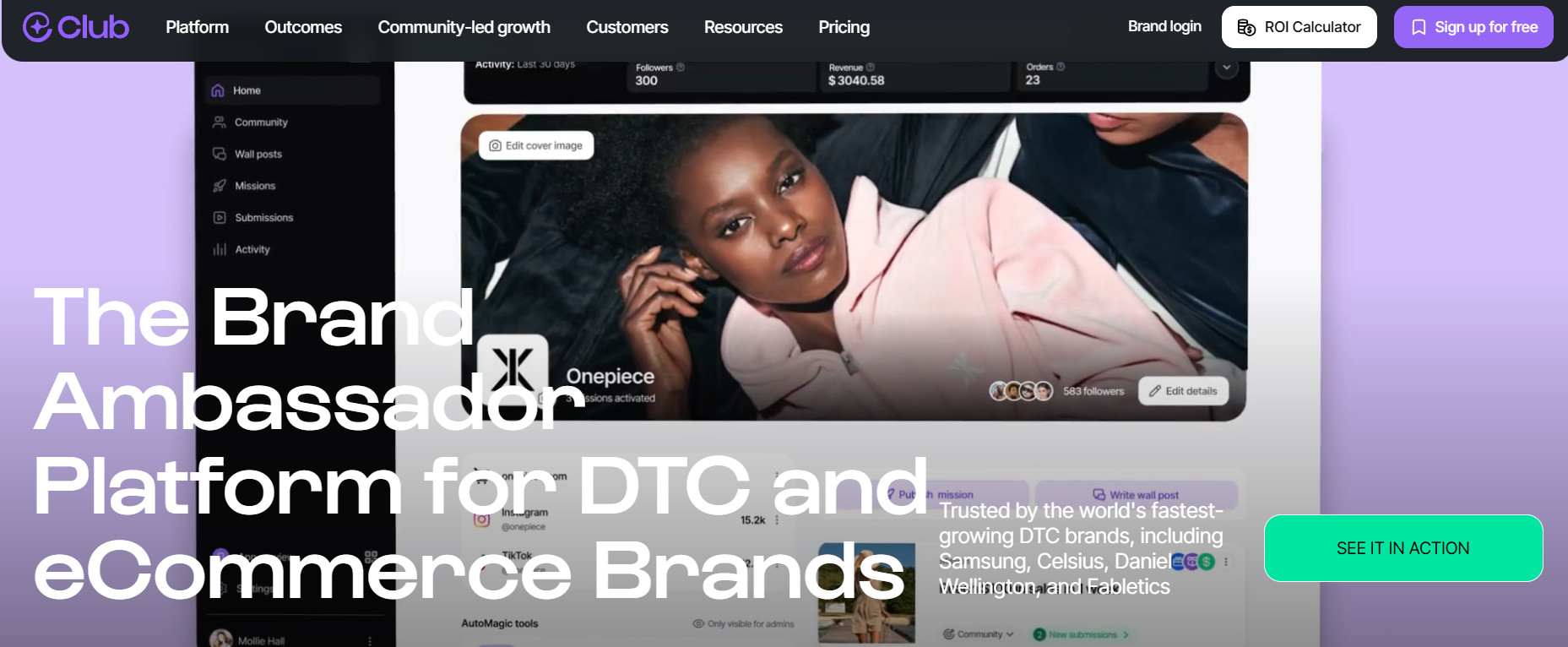
Club focuses on turning influencers into loyal brand ambassadors. It’s ideal for brands that want ongoing partnerships instead of one-off promotions.
Key Features
- Task-Based Rewards – Assign influencers tasks and reward them with commissions, products, or cash.
- Gamification Features – Encourage engagement with challenges and leaderboards.
- Direct E-Commerce Integration – Connects with Shopify and other platforms to track sales.
- Community Engagement Tools – Build long-term relationships with influencers.
Pros
- Great for turning influencers into an active brand community
- Provides insights into engagement and campaign performance.
Cons
- Limited integrations
- Emphasis on ambassador communities over influencer marketplace
Price
Custom pricing.
Best For
Brands that want a community of advocates.
Mistakes to Avoid When Choosing a Grin Alternative
Switching platforms is a big decision, so you want to make sure you pick the right one. Here are some common mistakes to avoid:
- Failing to Define Your Marketing Goals
Before choosing a platform, be clear on what you want to achieve with influencer marketing. Are you focused on brand awareness, direct sales, content creation, or community building? Each platform has different strengths, and selecting one without considering your goals can mean wasted time and money.
For example, if your primary goal is conversion tracking, a platform like Upfluence (which integrates with Shopify) might be a better fit than one that only tracks engagement metrics.
- Ignoring Amazon and e-commerce Integrations
If your brand sells on Amazon or runs an e-commerce store, you need a platform that tracks real sales, not just likes and comments. Many influencer marketing platforms prioritize engagement metrics, but that doesn’t always translate into revenue.
Look for tools that offer Amazon Attribution tracking, direct Shopify integration, or affiliate marketing capabilities to see which influencers drive actual purchases. Without these features, you could be investing in campaigns without knowing their true ROI.
- Overcomplicating Your Workflow
Some influencer marketing platforms come with features that aren’t necessary for your business, and too many features could mean a steep learning curve and an overcomplicated workflow.
If you’re a small team or new to influencer marketing, focus on platforms with an intuitive interface, easy campaign management, and automation tools that save time rather than adding complexity.
- Overlooking Fraud Detection Features
Some influencers inflate their numbers using paid followers or engagement pods just to make their accounts look more valuable than they actually are (yes, this is awful, but it happens).
A good influencer marketing platform should have built-in fraud detection tools that analyze an influencer’s audience quality, engagement authenticity, and potential red flags like sudden follower spikes or low engagement-to-follower ratios.
- Not Considering Platform Scalability
Some platforms are designed for small brands and struggle to support larger campaigns, while others are built for enterprise-level businesses and come with unnecessary complexity and high costs. You need to find a platform that starts small and scales with your needs, which means: flexible pricing, automation tools, different plans, and integrations to support a growing influencer network.
Getting a platform that can grow with you means you probably won’t need to change it in the future. And let’s be honest, who needs all that extra work?
Levanta assembled this report to help digital merchants navigate the new AI-shaped buying journey. Discover why creators now drive the clicks AI can’t and how to turn that into revenue.
The Bottom Line
As always with these sorts of decisions, it’s all about what your specific business needs or the size of your business. Here’s how I would approach choosing a Grin alternative for influencer marketing:
- If you run a DTC brand, I would say go for Upfluence
- If you are looking to build long-term influencer relationships, Aspire would be your best bet
- If you sell on Amazon, Shopify, Wayfair, TikTok Shop, or Walmart, then go for Levanta
- If you are an enterprise e-commerce brand, CreatorIQ would be a great fit
- If you are looking for a quick and affordable way to discover influencers, then Heepsy would be it
- For data-obsessed influencer marketers, Traackr is your best bet
- Meltwater if you are a small to mid-sized business
- And Club if you are looking to build a community of advocates
But remember, before you start thinking about which influencer platform to choose, make sure you have a good strategy in place to make the most out of it.