


Last Updated on September 30, 2026 by The Digital Merchant Team
If you’re running (or thinking of launching) an affiliate or partner-marketing program, you might be debating between Everflow vs Impact. They’re two of the biggest tools in the space, but they aim at slightly different users, and each has its strengths, downsides, and trade-offs. I’ve tested both, so you can get a clear picture of which makes the most sense for your business.
The Bottom Line Is:
If you want a powerful, data-driven platform to manage affiliates, influencers, and business partners in one place, without the enterprise complexity, then Everflow is a great choice. It’s fast to set up, easy to customize, and gives you control over tracking, automation, and payments.
Impact, on the other hand, is a great option for larger teams managing a wide mix of partnerships. While setup may take longer, it’s polished and broad in scope.
Everflow vs. Impact at a Glance
Everflow | Impact | |
Set up | Complicated but intuitive | Can be overwhelming, but the guide is straightforward |
Integrations | Major e-Commerce platforms, popular billing services, and ad platforms pre-built | E-Commerce, CRMS, and analytic tools |
Pricing | Custom pricing | Custom pricing |
Best for | Fast-growing companies who value customization | Full-partner ecosystems aiming for scale and global operations |
What Are Everflow and Impact?
What Is Everflow?
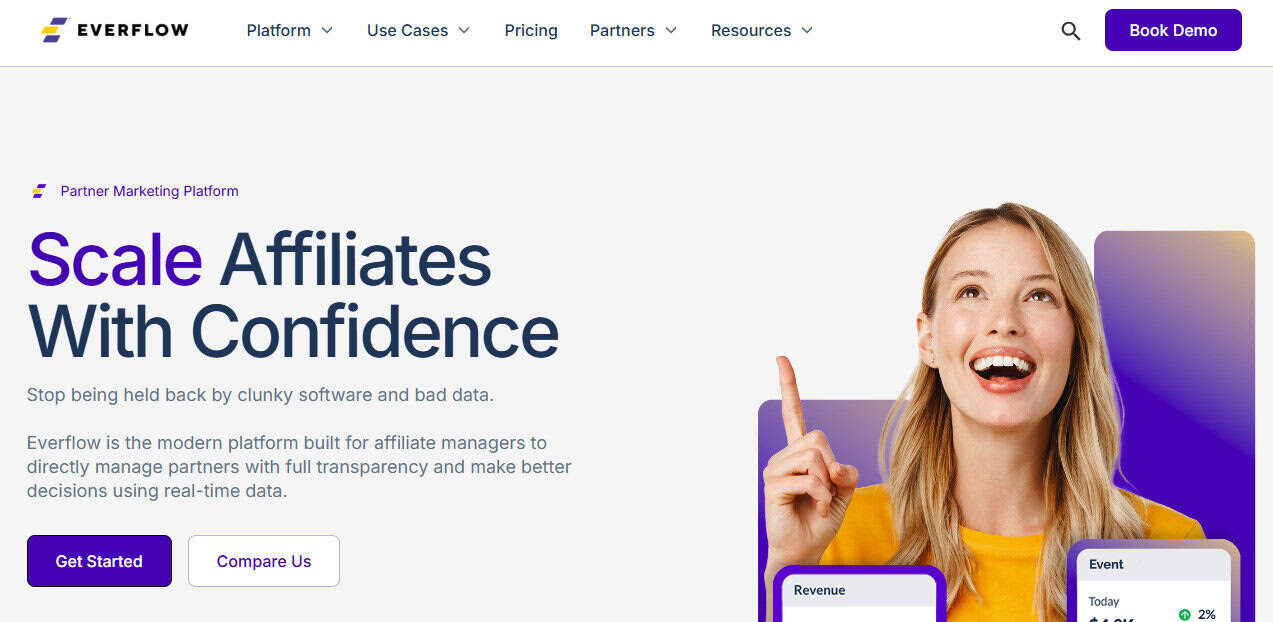
Everflow describes itself as “the modern platform built for affiliate managers to directly manage partners with full transparency and make better decisions using real-time data.”
I did a full review of Everflow here, but essentially: Everflow is a partner marketing platform designed to help you track, manage, and pay your partners (such as affiliates, influencers, and B2B partners) all from one dashboard.
Say you’re running an affiliate program where you’ve got influencers, agencies, and media buyers driving traffic for you – then you might be juggling multiple tools to handle tracking, payments, and reporting. Everflow brings all of that under one roof.
With Everflow Pay, you can send payments automatically, so you don’t need to chase affiliates for details or manually send payments through different platforms. And because it almost certainly integrates with your existing marketing stack, you can connect data from multiple channels and see exactly what’s working.
In short, Everflow gives you the data dashboard and set of automation tools you need to grow your affiliate or partner program efficiently, without the spreadsheets or headaches.
Also read: Everflow Review (2025): The Affiliate & Partner Management Platform That Goes Beyond Tracking
What Is Impact?
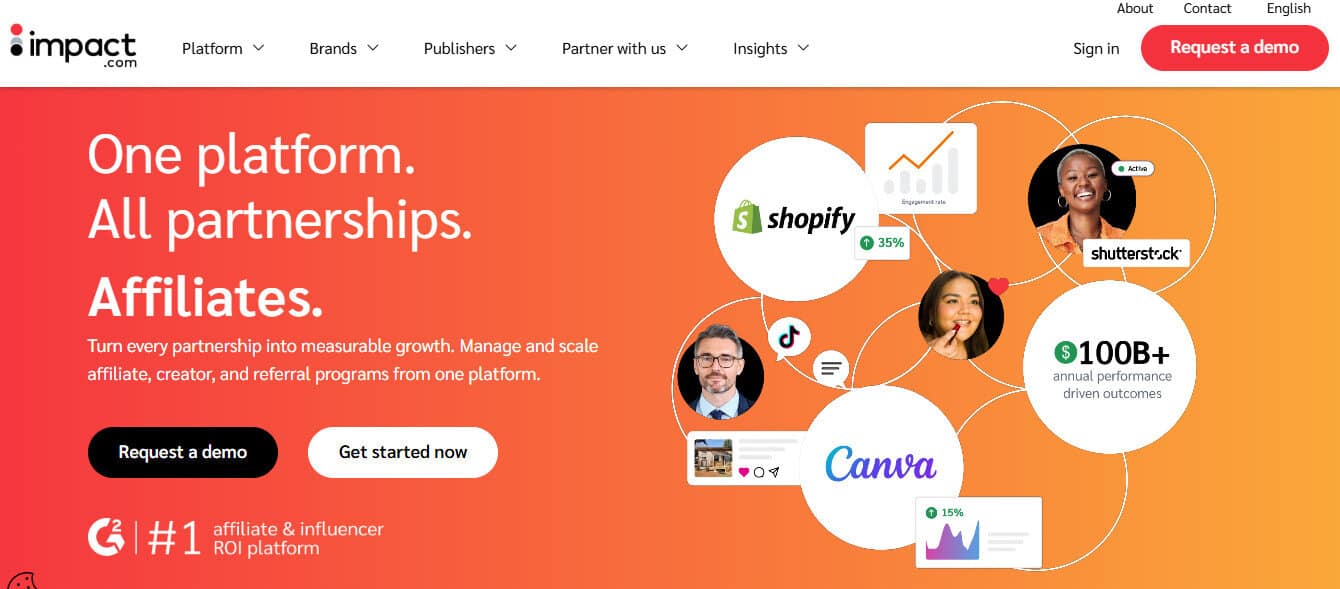
In Impact’s own words, they “turn every partnership into measurable growth. Manage and scale affiliate, creator, and referral programs from one platform”, which sounds quite similar to Everflow.
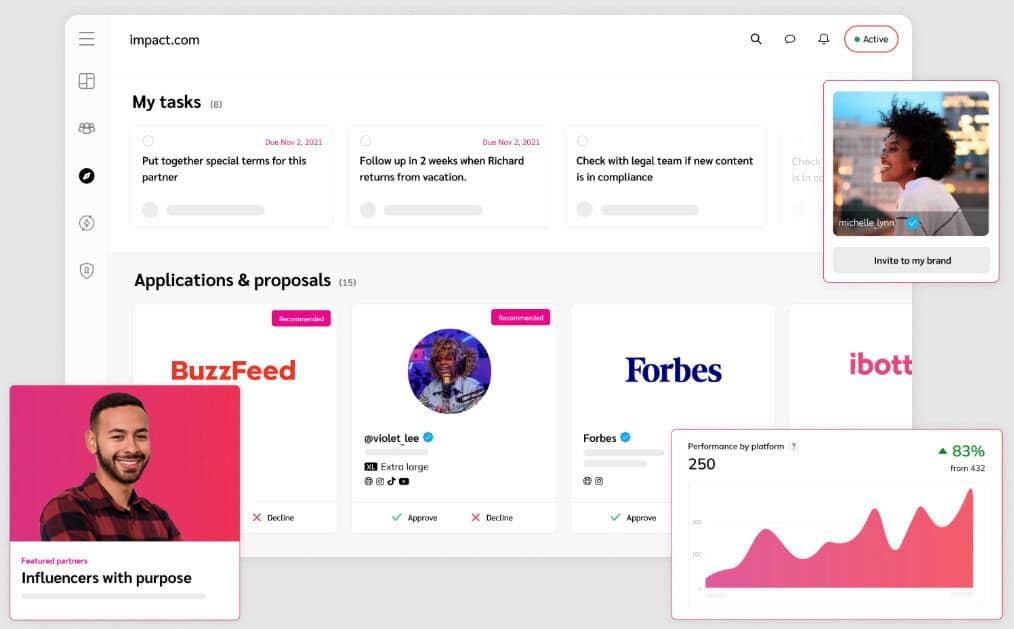
In more everyday terms: rather than having different tools to manage affiliates, influencers, business partners, and publications, etc, you have everything in one tool. This shows tracking, payments, partner discovery, contract management, and analytics into one dashboard.
You can manage multiple partner types (affiliates, influencers, referrals, app partners) and handle the entire partnership lifecycle, from finding partners to paying them.
The platform also gives you unified reporting and automation, so you can see all partner performance in one place without switching tools.
It’s built for scale and global reach, making it ideal for brands or enterprise-level businesses managing hundreds of partners with complex payout models.
Feature-by-Feature Comparison
Below, I walk through key features and compare how each platform stacks up (as far as public info + user reviews allow). Because I haven’t personally used both side-by-side full-time, treat this as an informed overview rather than definitive conclusion.
Ease of Use & Onboarding
Setting up Everflow was pretty straightforward, though there’s a short learning curve if you want to unlock its more advanced features. Once I’d customized my reports and tracking options, everything clicked into place. The dashboard feels clean and responsive, and day-to-day navigation is fast. Some users have found it complicated to get set up, but I found setting up and navigating to be very intuitive.
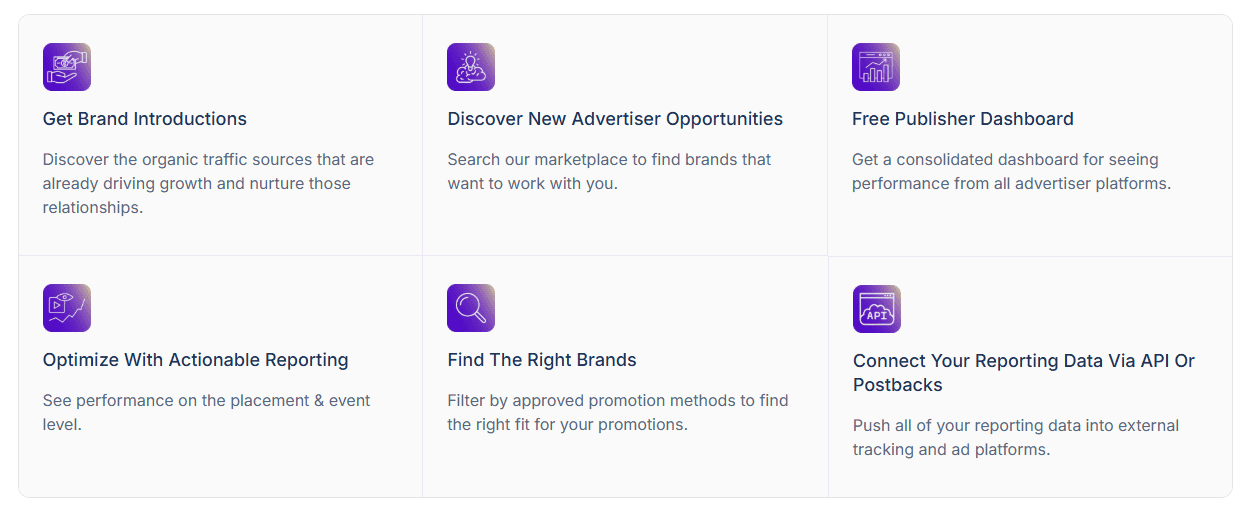
With Impact, onboarding was also smooth, and the guided setup does a good job of walking you through the basics. There are a lot of settings and partner types to manage, so it can be overwhelming at first, and other users have also found the learning curve to be quite high.
Tracking & Analytics
Everflow
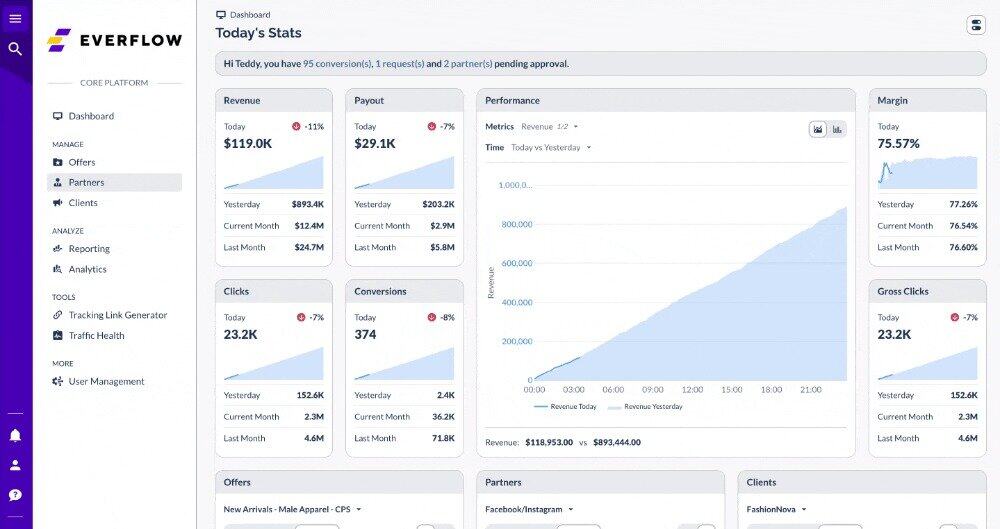
One thing I noticed straight away with Everflow is how detailed the tracking is. It captures every click, conversion, and revenue event across affiliates, influencers, and media buys, and then lets you dig into exactly where those results are coming from.
The dashboard is really easy to understand, and you can customize parts of it to show the data you need.
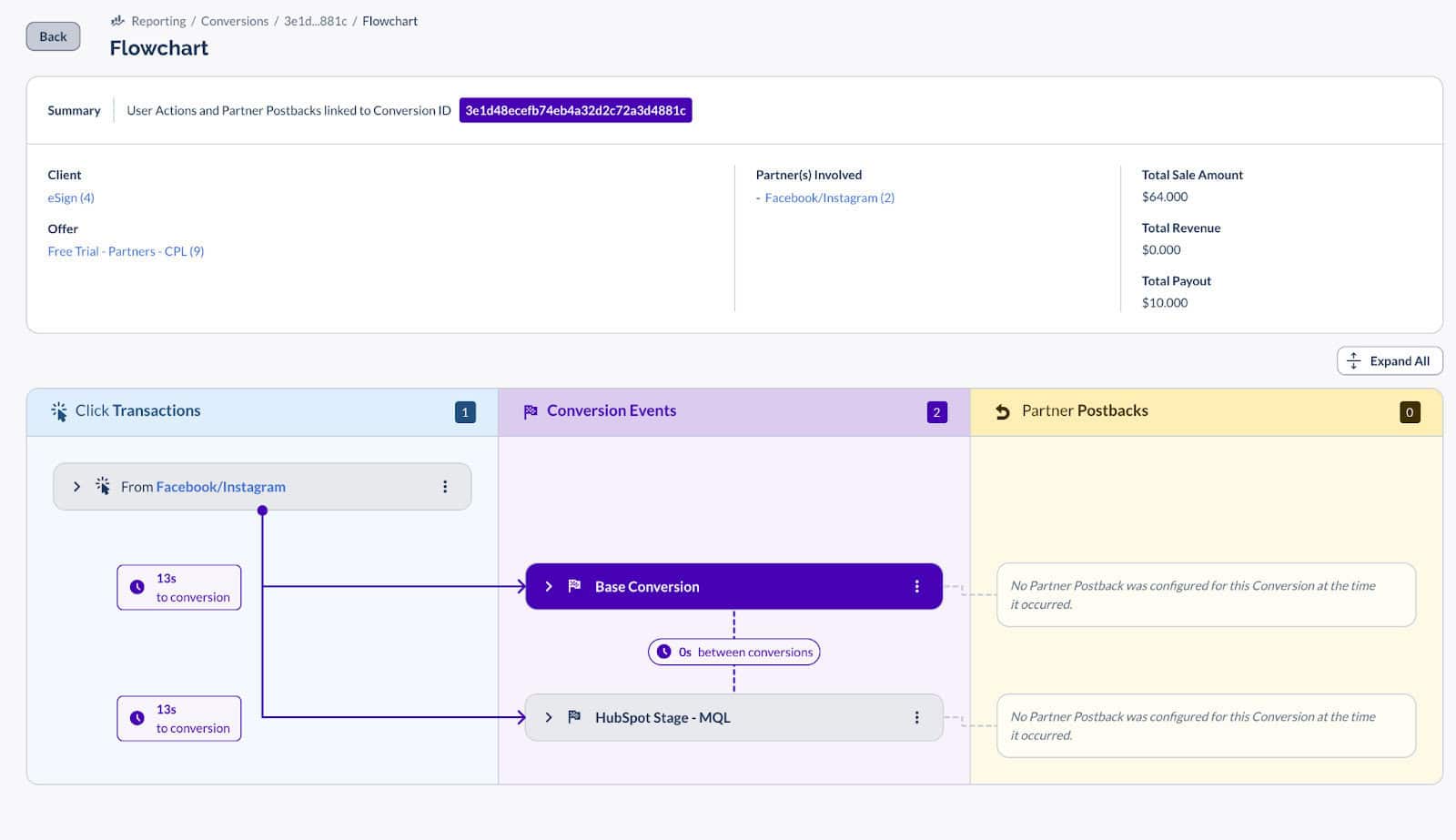
The visual flowchart is one of my favourite reports, as it shows you the end-to-end journey of a conversion, with a clear picture of the full customer journey, and makes it easy to see which placements or partners are performing best without exporting endless reports.
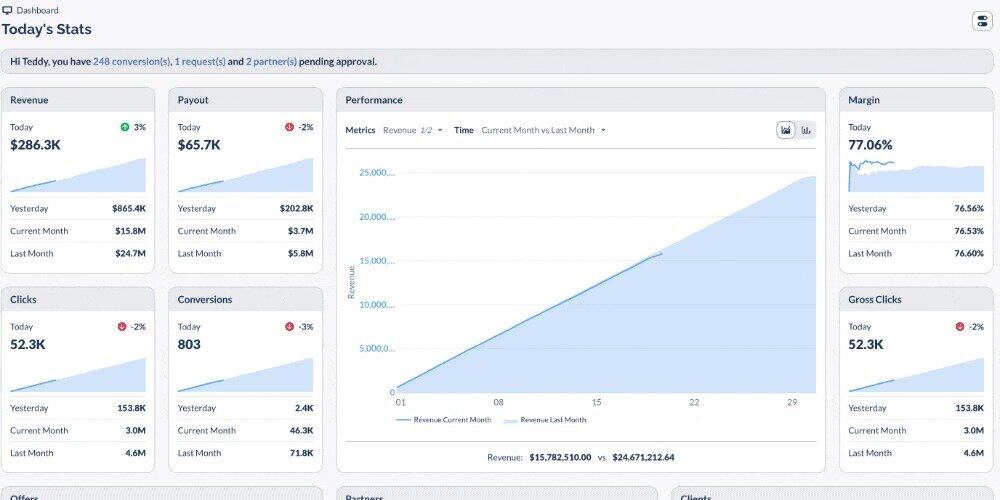
The real-time data is also impressive. You can refresh dashboards instantly and see what’s driving sales almost minute by minute. It does take a little time to get used to the reporting setup as there are a lot of options! But once you’ve built your preferred views, it’s fast and reliable.
Impact
Impact’s tracking is also strong, but feels a bit broader in focus. It’s built to handle not just affiliate links but also influencer campaigns, app installs, and even B2B partnerships. You can track multiple touchpoints across different partner types, which gives you a wider view on where your growth is coming from.
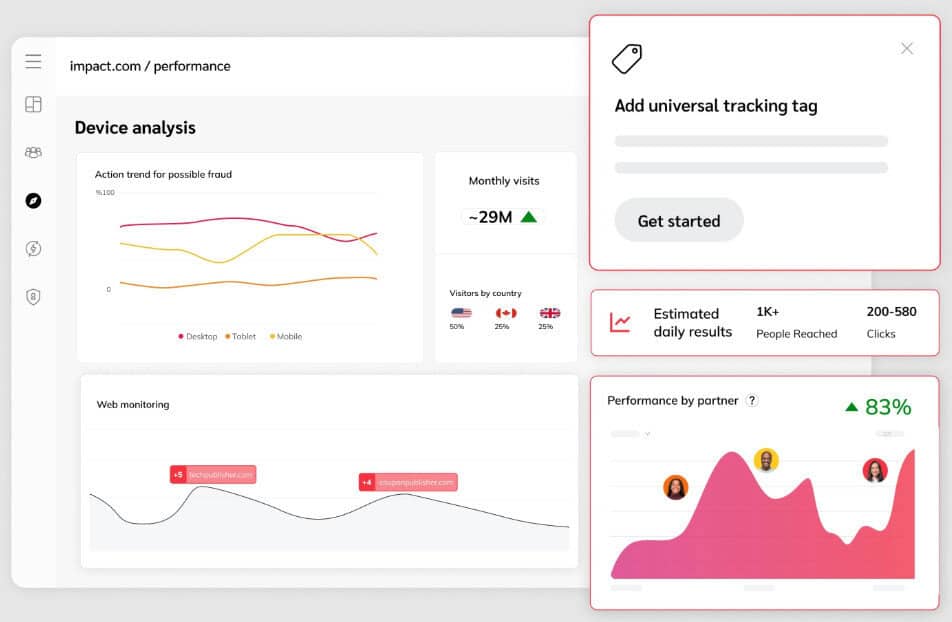
The downside is the dashboard isn’t as customizable, and you need to open multiple reports to get a good view of performance. That isn’t to say the data on Impact isn’t good; it’s just there’s more setup involved, and it can take a while to learn where everything lives.
Partner / Affiliate Management
Everflow
The first thing to note is that Everflow isn’t an influencer marketplace, so it isn’t a place to find influencers. However, it does have a marketplace to find publications and other kinds of partners. Plus, you can manage any influencers you find yourself in Everflow.
Everflow’s partner management page is very easy to use, and you can see the high-level KPIs directly from both the partner page and the main dashboard.
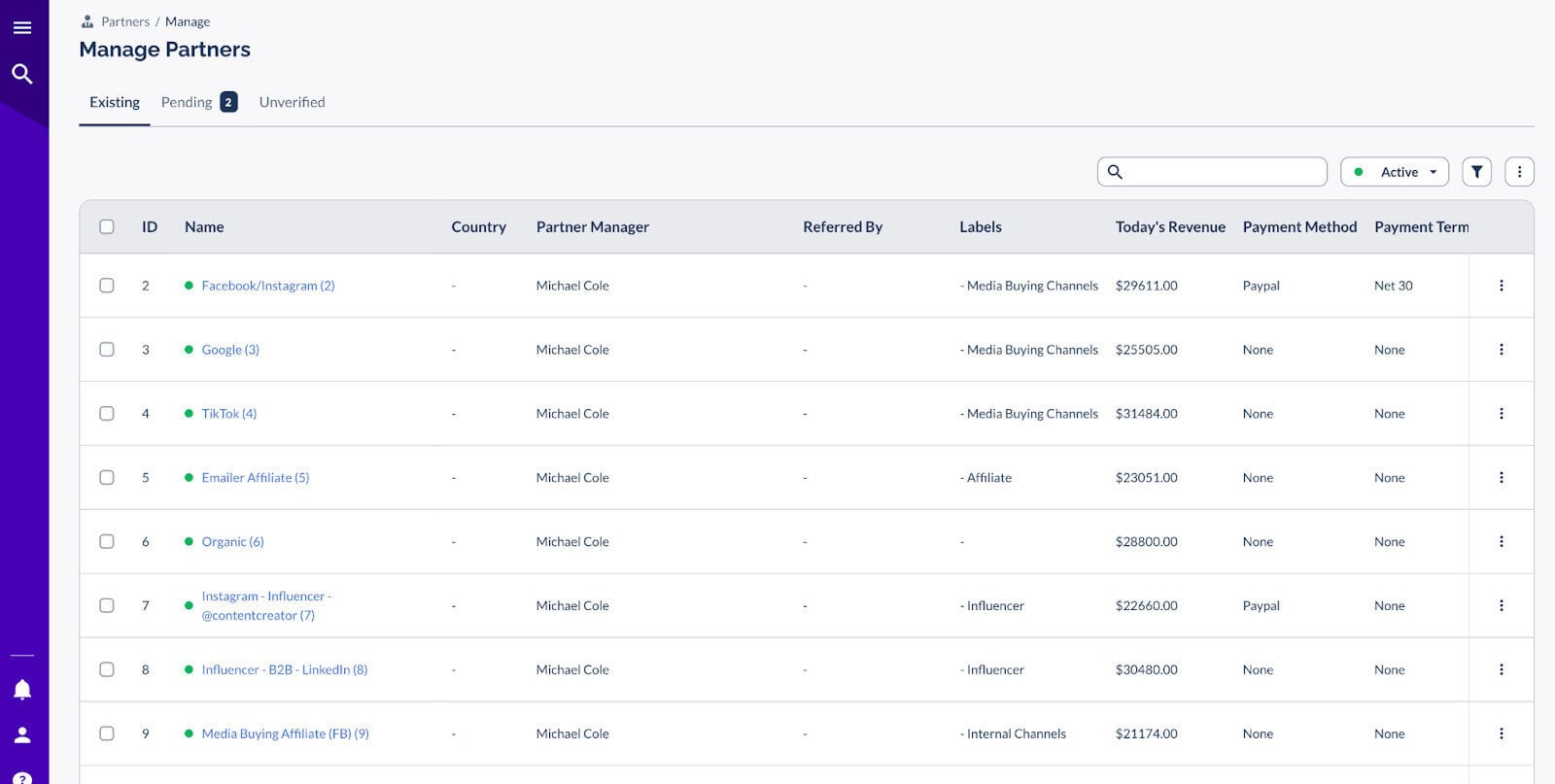
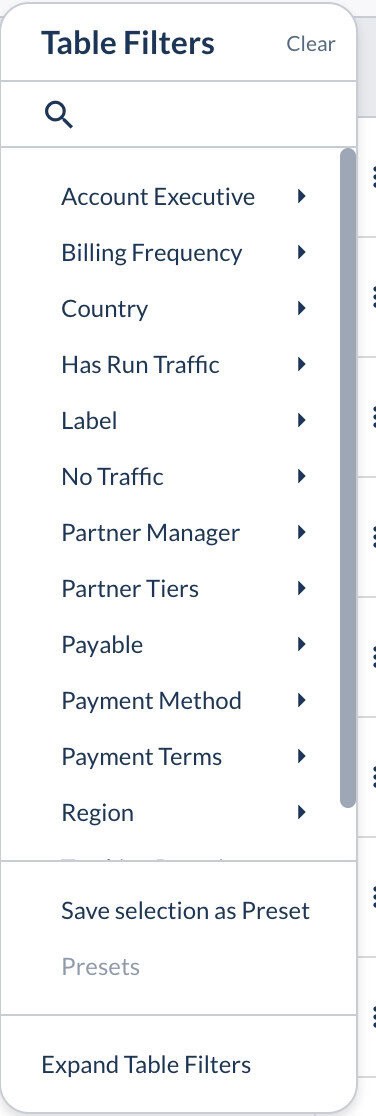
You can also easily find partners you have saved by using the search function and the filters. If, for example, you want to find the performance by each account manager, a particular country, a manual label you’ve created, and many other features, it’s very straightforward to do so.
It’s also straightforward to review applications and approve new partners, and I liked that everything from pending to unverified partners is clearly labelled, so you never lose track of who’s who. You can set automations so that partners are accepted automatically, based on different criteria, too.
Once you’ve set it up, managing affiliates is smooth and powerful. Although smaller teams might need a bit more time at the start to get everything running perfectly. But once it’s configured, it’s very reliable for ongoing management.

Everflow makes partner management simple, fast, and transparent. Real-time data, clean reporting, and tools built for affiliate managers who want to scale with confidence.
Impact
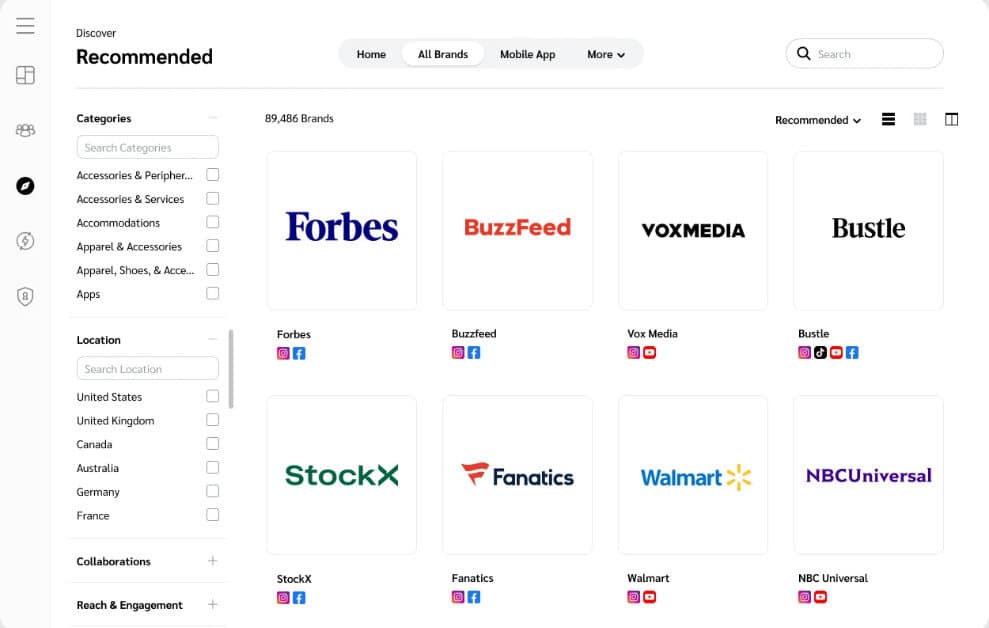
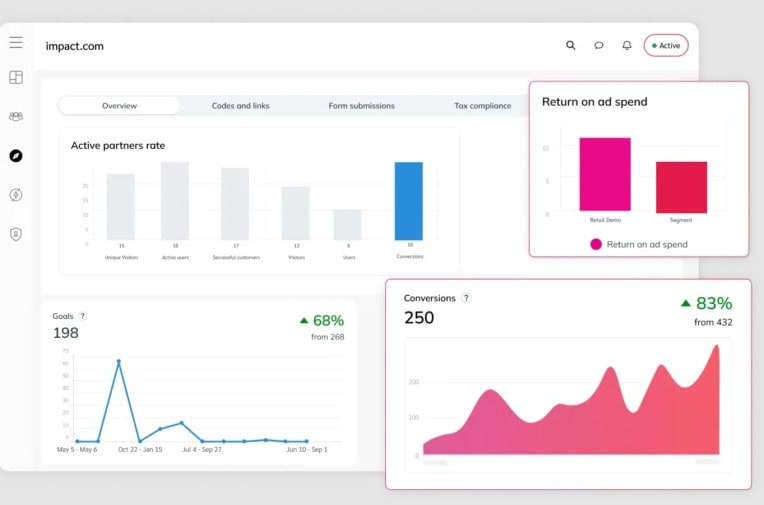
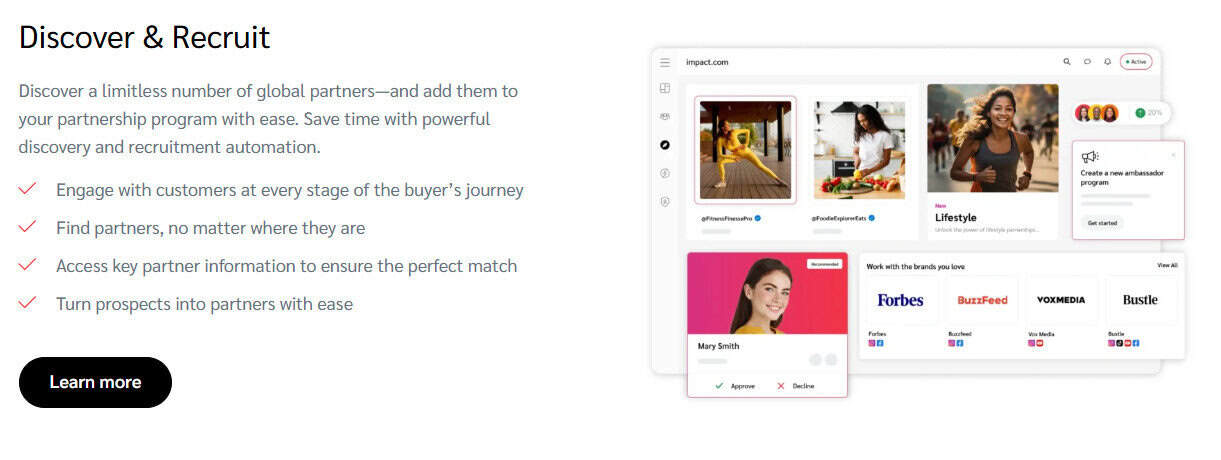
Impact has a great marketplace for finding influencers, with over 80k influencers using the platform. It has great-looking charts and an easy-to-use payment system, but it’s not as easy to see higher-level KPIs, such as trends, and its filtering isn’t as powerful.
Everything on Impact, contracts, payments, communication, and tracking, runs within the same ecosystem. This means once you get set up and you learn how to use the tool, it’s easy to use, but you’ll need to spend some time tailoring it to your workflow, especially if you plan to manage multiple partner types like influencers and B2B partners.
Integrations & Ecosystem
Everflow
One thing I really liked about Everflow is how quickly it connects to other tools. It integrates seamlessly with pretty much everything you will need, such as major eCommerce platforms like Shopify and WooCommerce, along with popular billing and ad platforms like Stripe, Google Ads, and ClickFunnels. Most of these integrations are pre-built, so you don’t need a developer to get started.
If you do need something more specific, Everflow also supports custom API connections, postbacks, and Zapier, making it flexible enough to work with almost any setup. During testing, I was impressed by how fast it synced data between systems — especially compared to some of the other tools I’ve used.
What also stands out is Everflow’s Resource Hub, packed with webinars and integration guides. It’s genuinely helpful if you’re setting up for the first time or trying to connect a more advanced stack, and it’s probably one of the best help centers I have used in any software.
Impact
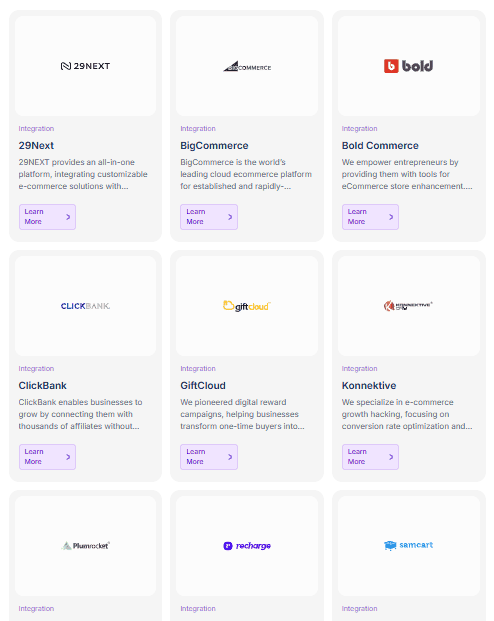
Impact also offers a strong list of integrations, covering eCommerce, CRMs, and analytics tools. You can link it to Shopify, Salesforce, Google Ads, and a variety of data platforms. It’s definitely built for brands managing large-scale or enterprise workflows.
That said, I found the setup process a little more involved. It’s powerful, but it often requires more configuration time — especially if you’re connecting several partner types or global systems.
Payments & Payouts
Everflow
Payments and payouts is one area where Everflow really stands out from Impact, because of Everpay. It’s their built-in payment system for managing partner commissions. It lets you handle everything from invoicing and tax compliance to sending payouts in multiple currencies, all within the same dashboard.
I really liked that you can automate payments based on specific partner rules or performance milestones, which saves a lot of admin time. Once set up, payments flow smoothly without the usual back-and-forth or exporting spreadsheets. It also consolidates partner details, so you’re not chasing down tax forms or payment info every month.
Impact
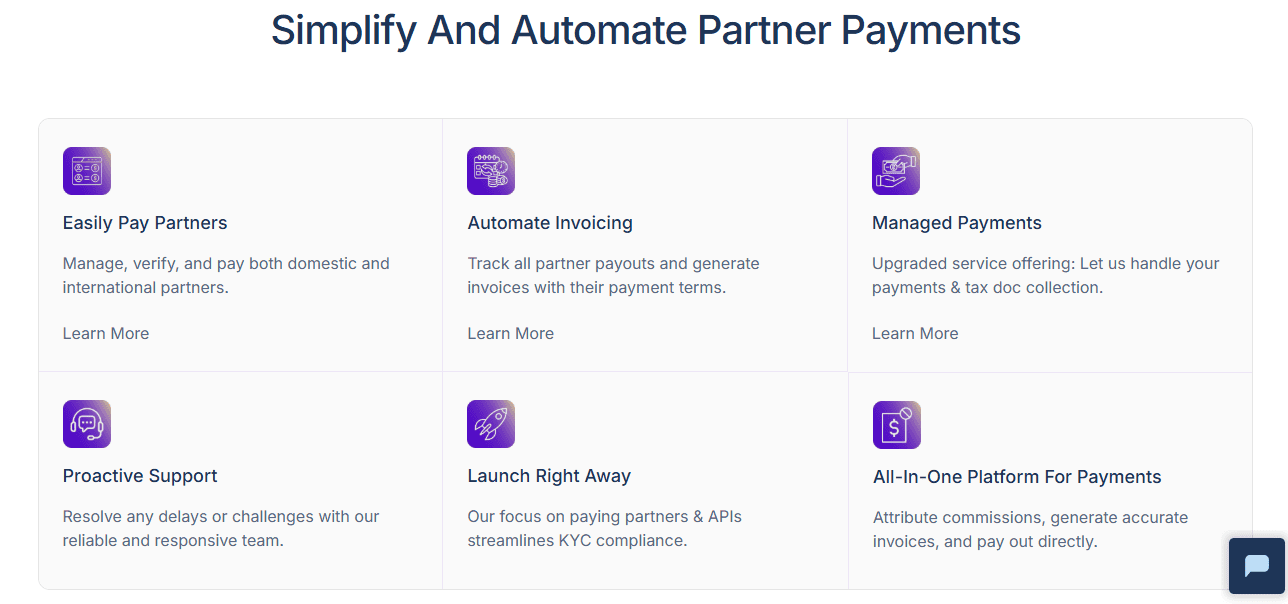
Impact also has a payment system, but I found the setup to be much more complex. Payments run well once configured, and you can track everything through the dashboard, but smaller affiliates might find the processing fees restrictive. For example, international payments can carry a fixed fee, which can add up for low-commission partners.
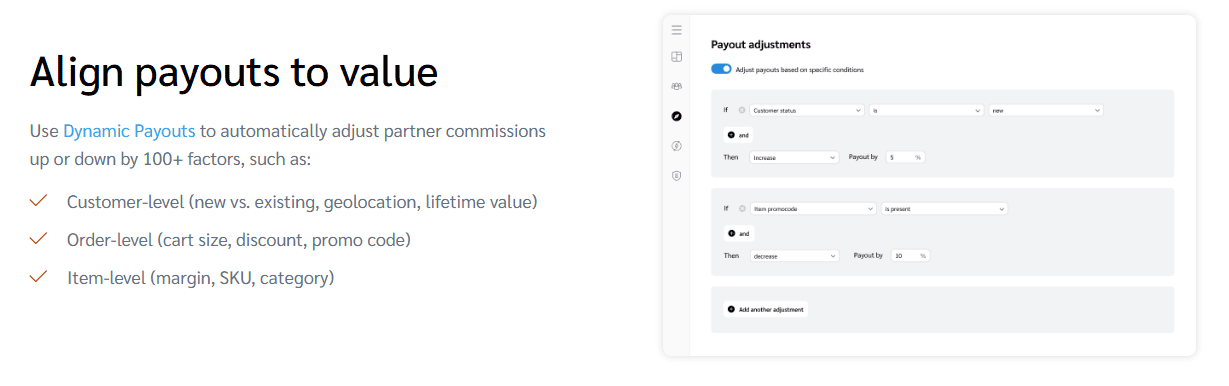
The automation side works well, especially for larger brands handling bigger partner networks.
Pricing & Value for Money
Neither Everflow nor Impact list public pricing, so you’ll need to request a custom quote for both.
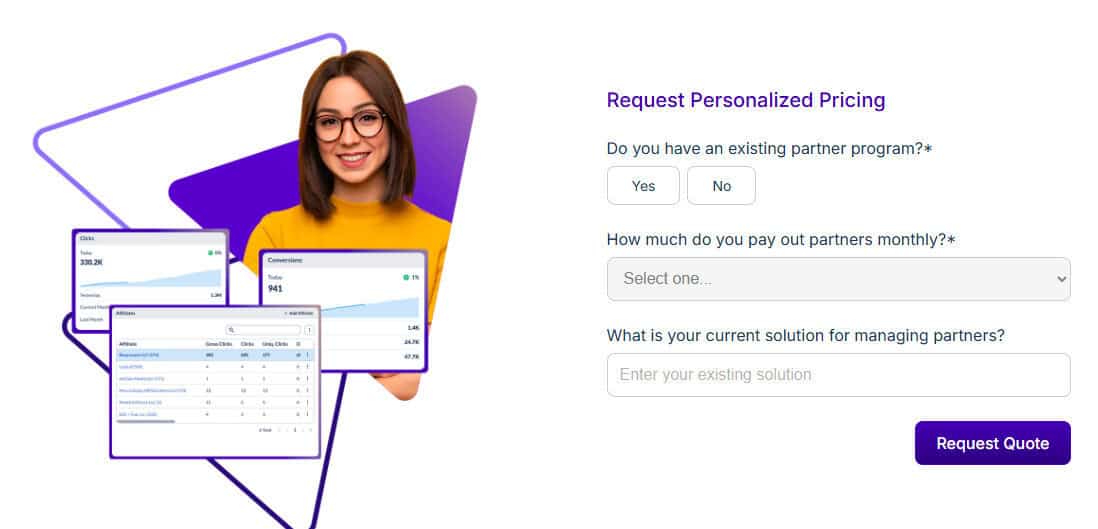
Both Everflow and Impact are premium options, aimed at growing and profitable businesses. Both tools have a pricing model that scales with you, based on how much you pay out in $.
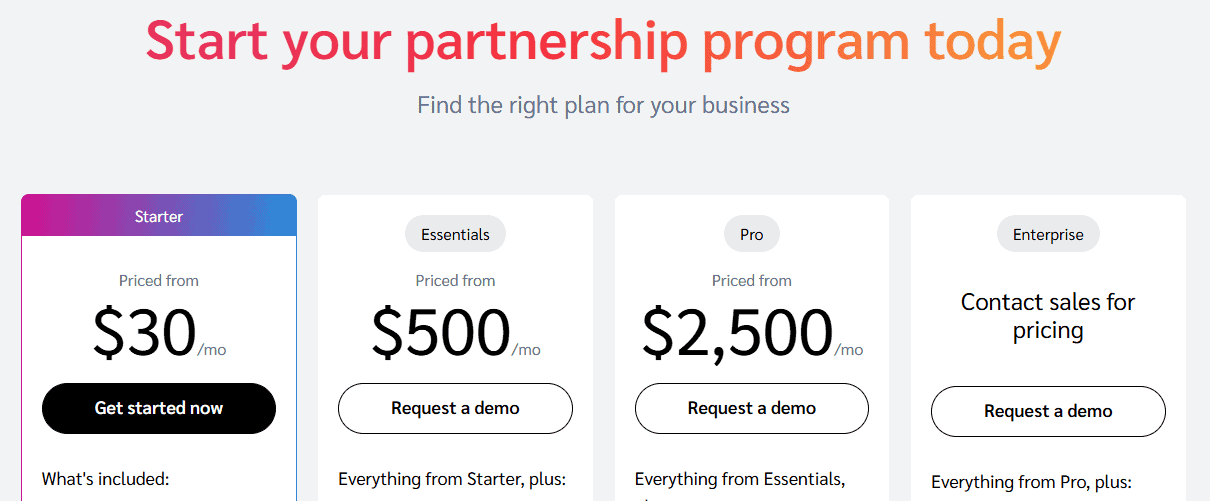
Some reviews of both Everflow and Impact say that the pricing is mostly worthwhile if you are paying out thousands per month, with multiple campaigns and different types of influencer, publication, or business partners.
There are some smaller and cheaper affiliate companies, such as Tapfiliate, which are good for handling one or two offers. But if you are looking to scale the partner side of your business, then it will become limited very quickly.
Use Cases / Ideal Users
Given the above features & trade-offs, here are my thoughts on which scenarios fit which platform best.


Everflow Is Ideal When:
- Your business is focused on affiliate/partner marketing (not only influencers) and you want deep tracking, placement-level insights, and the ability to optimize performance.
- You want to integrate multiple channels (affiliates, media buying, referrals) in one system and unify tracking.
- You have some internal capability (or time) to ramp up features/customisation rather than “plug-and-play”.
- You are medium to large size (or growing) such that investing in the platform gives serious ROI.
Impact Is Ideal When:
- You are building a full partner ecosystem (affiliates + influencers + apps + referral/B2B partners), and you want one platform to manage all these types.
- You need strong integrations and automated workflows (contracts, payments, partner discovery).
- You have resources/training/time to invest in the platform, and you are aiming for scale and global operations.
- You are making partnerships a central growth channel.
Where Each Platform Might Not Be the Best Fit
Everflow May Not Be the Best Fit If:
- Your partner programme is very small, very simple; you just need basic affiliate tracking and minimal partner types. You might be better off with lighter/cheaper tools.
- You just need a marketplace to find affiliates and influencers. If that is the case, use Tapfiliate or Upluence.
Impact May Not Be the Best Fit If:
- You are a smaller business with a very narrow affiliate programme, and don’t need influencer/B2B partner types. You might be paying for features you won’t use.
- You want immediate simplicity, very lightweight system, and you don’t have the capacity to learn a more complex platform.
Things You Should Check / Ask Before You Buy
Because both platforms are flexible and pricing is customised, here are questions you should ask any vendor (whether Everflow or Impact) to ensure there are no hidden surprises.
- What are the tiers/pricing models?
Ask what you’ll pay now and what happens when you scale (more partners, more transactions, more geographies). - How are partner payments handled (currencies, regions, fees)?
For global affiliates, this is super important. Check for payout support, currency conversion, compliance, tax/vat issues. - What integrations exist (and how easy are they)?
You’ll want to connect your eCommerce platform, your ads/traffic sources, CRM. Check whether these are out-of-the-box or require custom engineering. - What is the onboarding/playbook like?
Especially if your team is small, ask how long set-up takes, how steep the learning curve is, what support/training is included. - What partner types can you support?
If you will have only affiliates, you’re fine. If you might add influencers, referrals, B2B deals — check that the platform supports that (Impact clearly does; Everflow likely does, but check details). - What reporting/analytics capabilities exist? Custom dashboards? Real-time data?
If you care about experimentation, placement-level data, flowcharts, etc., ask for a demo of those features.
Final Thoughts
Both Everflow and Impact are excellent platforms built for serious partner marketers, but they take slightly different approaches.
If you want to move fast, track accurately, and automate your partner operations, Everflow is the better fit. It’s intuitive to set up, integrates with everything you need, and gives you complete visibility over what’s working. The reporting, flexibility, and Everflow Pay system make it ideal for brands that want performance data they can actually act on. Everflow’s dashboard and reporting is really excellent, and it’s easy to customize.
Impact is a solid option if you’re running a large, complex partnership ecosystem that includes affiliates, influencers, apps, and B2B deals, and you have a team dedicated to managing it. It’s powerful, and it offers a built-in marketplace for influencers.