

Last Updated on September 1, 2026 by Ewen Finser
Delivery issues (damage in transit, porch piracy, major delays) have become a major problem in the online shopping era. Route’s shipping protection service offers a potential solution to this problem, but the platform has a number of well-documented shortcomings.
It might be one of the leading names in shipping protection, but it’s far from perfect. While its package-tracking feature is generally well received, its contrived claim process alienates a lot of ecommerce shoppers.
Unfortunately, because merchants tend to select just one package protection partner, shoppers don’t have a lot of discretion when it comes to choosing between providers. If you want to buy a specific item from a specific store, and that store uses Route, you’ll need to choose between paying for Route on one hand and going without protection on the other.
However, as there’s plenty of competition in the package protection marketplace nowadays, it’s still worth understanding what alternatives to Route are out there and how they compare.
In this article, I look at the leading alternatives and explain when each one is worth the investment.
Route Alternatives at a Glance
Platform | Core focus | Best for |
Route | Shipping protection + visual tracking | Shoppers and DTC brands prioritizing visual tracking and basic protection |
Seel | Post‑purchase protection bundle (shipping, returns, and warranty) | Shoppers and brands wanting comprehensive protection across shipping, returns, and product lifespan |
AfterShip Protection | Tracking‑first platform with shipping protection add‑on | Tracking-focused shoppers and multi‑carrier, cross‑border brands using AfterShip for tracking |
Navidium | Self‑funded merchant‑led shipping protection | Shoppers comfortable with merchant-managed claims and Shopify brands wanting to own claims and protection economics |
Corso | Concierge shipping protection + carbon offsets | Shoppers wanting high-touch claim support and Shopify DTC brands prioritizing sustainability |
Route’s Shortcomings
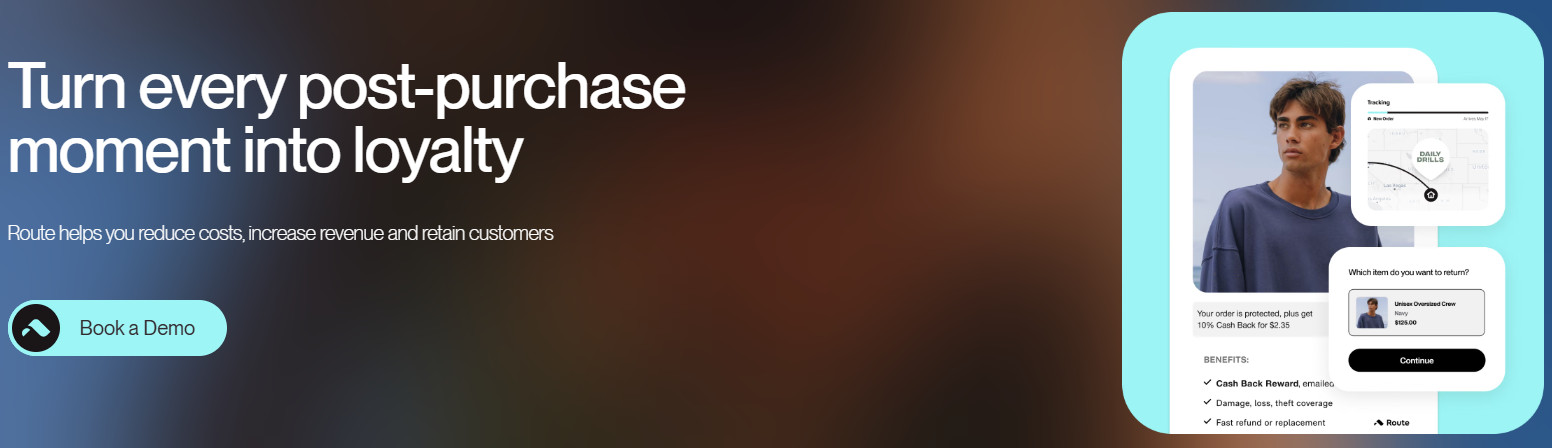
Claim Friction
Route’s protection policies impose tight windows for claims (you generally need to make a submission within 30 days), and its specific evidence requirements can be restrictive. It’s not unusual for a claim to fail because of a poor-quality image (despite the fact the image plainly shows major damage to a purchase).
You may also need to submit police reports or notarized statements for higher‑value orders. These requirements involve extra effort and expense on your part as a shopper, and, coupled with the tight timelines Route imposes, they can make it more difficult to secure refunds on higher-end purchases.
Significantly, many of these requirements are detailed in Route’s help-center policies rather than on its main package protection page, meaning you’ll have to go digging through the small print to even find them.
Fee Opacity
Route’s own site markets protection as “inexpensive shipping insurance” purchased at checkout, but several aspects are opaque to shoppers and smaller merchants:
- Checkout fees vary by order value and merchant configuration, but the specific percentages or tiers aren’t clearly documented for each store.
- Public documentation focuses on high‑level benefits; detailed per‑merchant pricing and claim approval statistics are not widely published, making it hard for you to assess true value as a shopper.
Route Alternatives
Seel
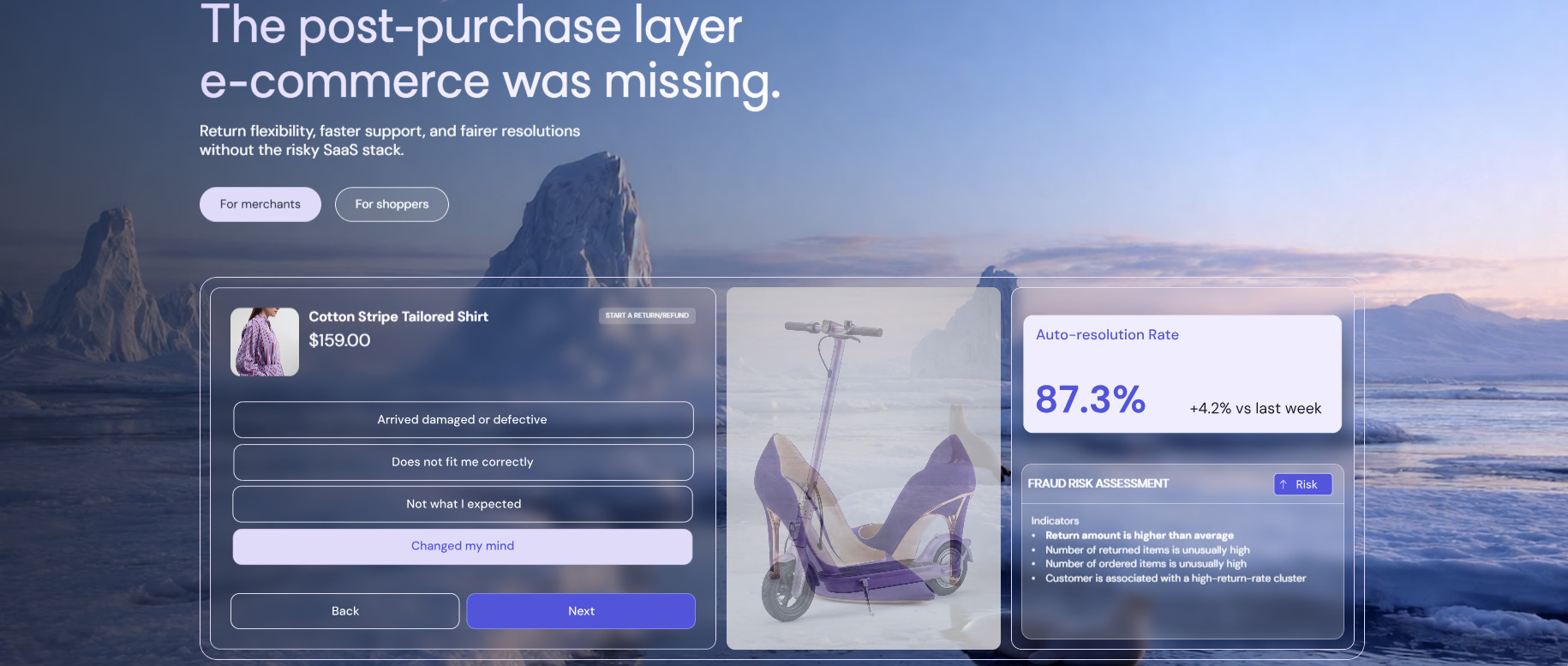
Seel is a post-purchase protection platform that brands can use to give shoppers a little more peace of mind after checkout, whether that means protecting a package, making a return easier, or extending a product warranty.
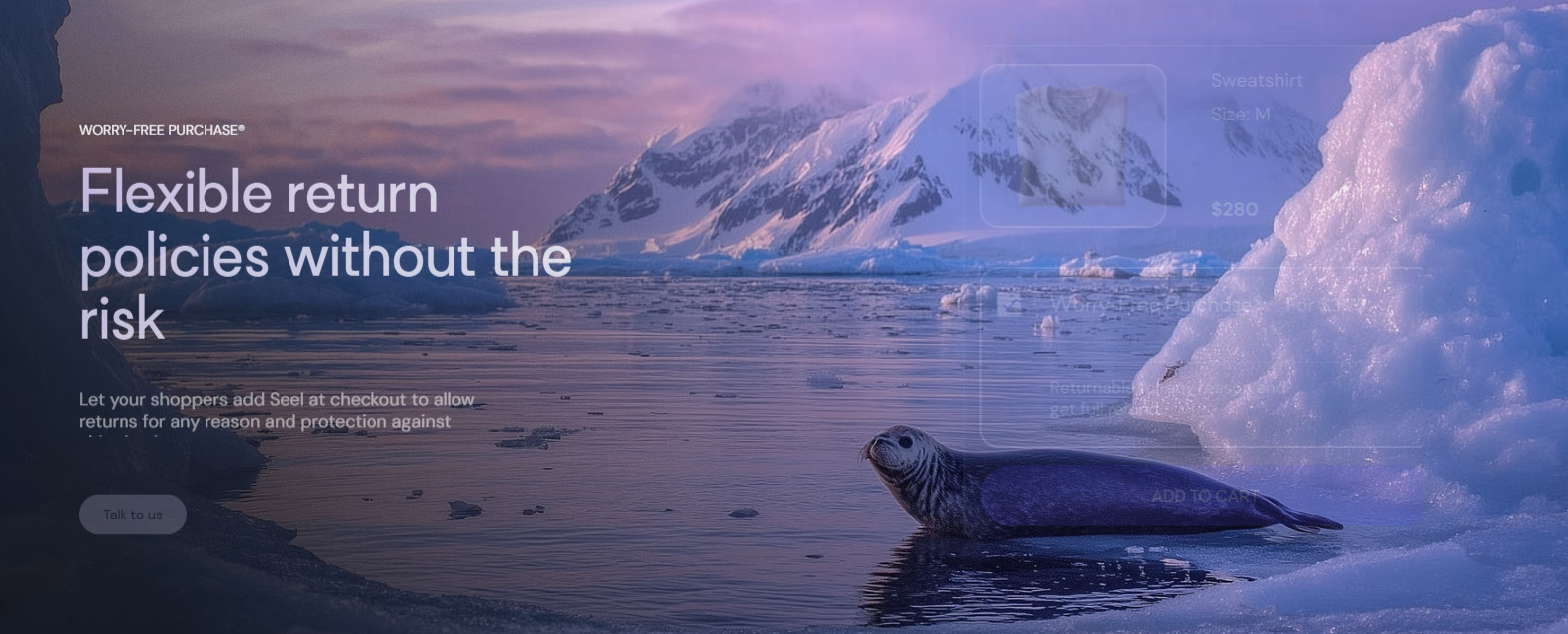
When you’re shopping online, you’ll often see Seel’s three product lines (Worry‑Free Delivery, Worry‑Free Purchase, and Extended Warranty) offered as separate add-ons at checkout. These offer distinct forms of coverage; in all three cases, though, claims are handled independently by Seel through the company’s Resolution Center.
- Worry‑Free Delivery protects your order against loss, theft, damage, and significant delays in transit.
- Worry‑Free Purchase includes shipping protection and allows returns for reasons like poor fit or buyer’s remorse, including on final-sale items that might otherwise be nonreturnable.
- Extended Warranty extends coverage beyond the manufacturer’s warranty.
Seel positions itself around high approval rates and fast, self‑serve resolutions, significantly reducing back‑and‑forth with merchant support. Also, with coverage costing an average of 2% of purchase price, it won’t break the bank.
For merchants, Seel is a post‑purchase protection platform that can replace several service providers in one fell swoop. No longer is there a need for a separate shipping coverage provider, return vendor, and warranty provider once Seel is in the picture. Seel’s protection products are shopper‑funded, and merchants earn revenue share on protected orders.
One drawback I would highlight is that Seel’s tracking capabilities aren’t as sophisticated as Route’s. Not every shopper will care exactly where their package is in the transit process, but it is a priority for some.
AfterShip Protection
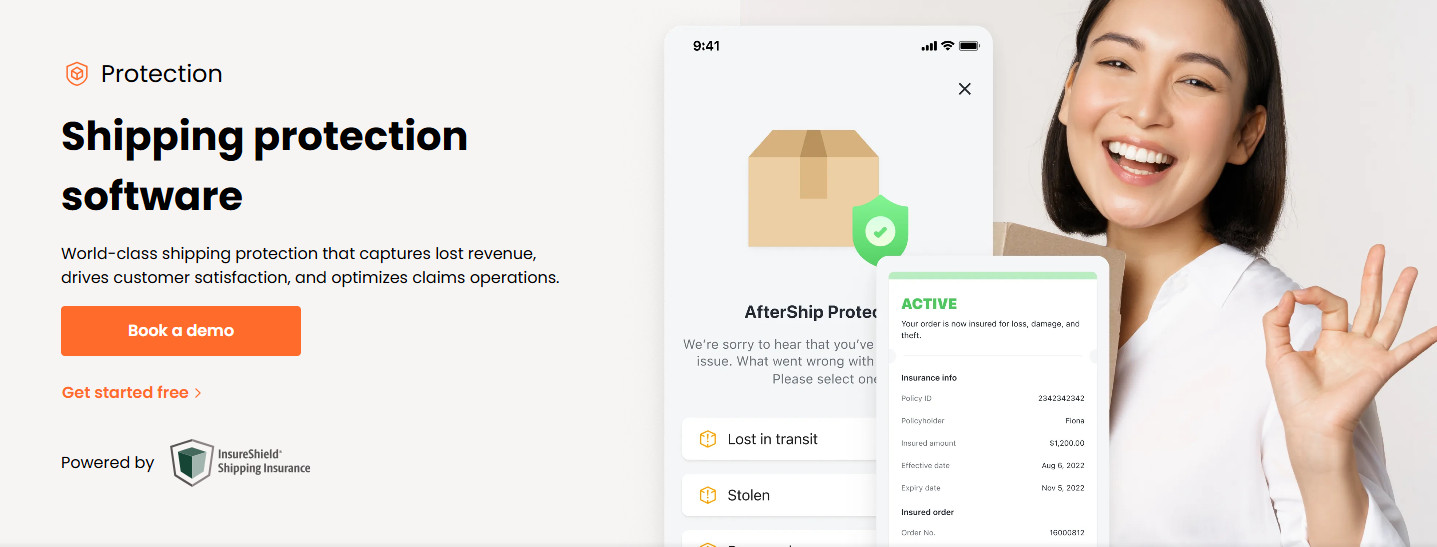
AfterShip started as a multi‑carrier tracking and post‑purchase engagement platform that later added shipping protection as an opt‑in layer. This means that, as a shopper, you’ll get the same sort of branded tracking pages and emails Route offers; if tracking is a key priority for you, AfterShip is a good option.
However, shipping protection is not the platform’s core focus, and this can present some issues. Claim resolution is not as quick and seamless here as it is on specialist platforms like Seel. There are reports of significant delays in processing and irritating bugs on the platform. AfterShip does reimburse up to 120% of the protected value of some purchases, though, rather than the standard maximum of 100%; this is a nice feature.
AfterShip’s coverage is also broader than Route’s, covering cosmetic damage and reimbursing porch piracy victims without requiring police reports.
For merchants, AfterShip Protection is one piece of a larger suite: tracking, returns automation, warranty management, shipping analytics, and carbon footprint accounting. It’s worth noting that AfterShip gives enterprise brands multi‑carrier, cross‑border capabilities that platforms like Route generally struggle to match.
Unlike other platforms, AfterShip gives the option of company-paid, shopper‑paid, and hybrid pricing structures. In each case, shipping coverage costs around 1.5% of order value.
Navidium Shipping Protection
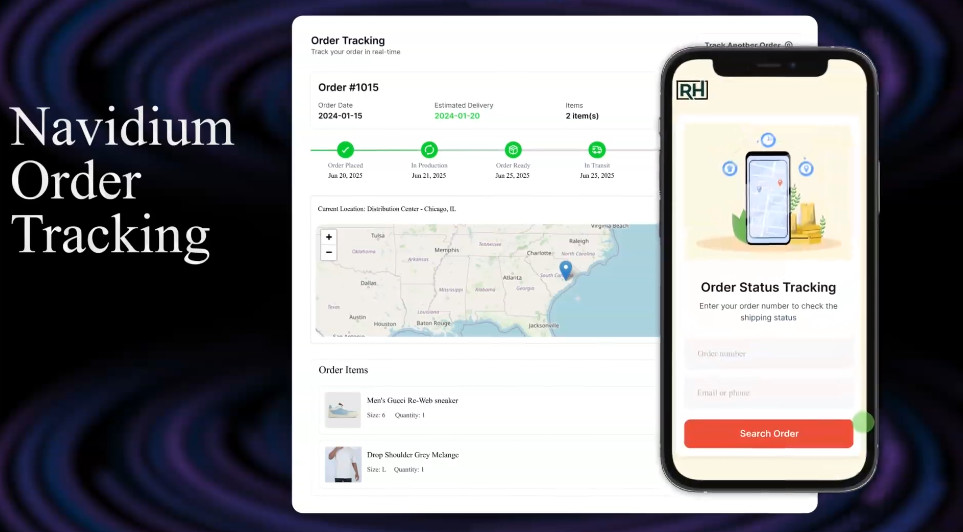
Navidium is different from the platforms we’ve already covered in a couple of important ways, although these are mainly relevant on the merchant side.
As a shopper, you’ll still see a shipping protection widget in your cart or at checkout, clearly labeled as protecting against lost, damaged, or stolen packages. When something goes wrong, you submit a claim through a branded portal tied to the store rather than through a separate third‑party portal, as is the case with Route.
Resolution (refund, reorder, store credit) is determined by the merchant. This means that the likely success or failure of your claim is highly merchant-dependent, which is not the case with an independent platform like Route.
Navidium operates like this because of the way merchants subscribe to it. Unlike other platforms, Navidium charges flat monthly fees (with a free tier for low volume) and allows merchants to keep 100% of protection fees. Merchants set pricing (either through a percentage of order value, flat fees, or custom tiers) and decide claim rules.
As a merchant, you may prefer this level of control, or you might be more inclined to outsource as much as possible to a third party. This is largely a matter of personal preference.
As a shopper, the value Navidium adds depends completely on how the individual merchant handles claims. If reports suggest you’re likely to have even a valid claim refused, you’ll probably be better off avoiding it.
Corso
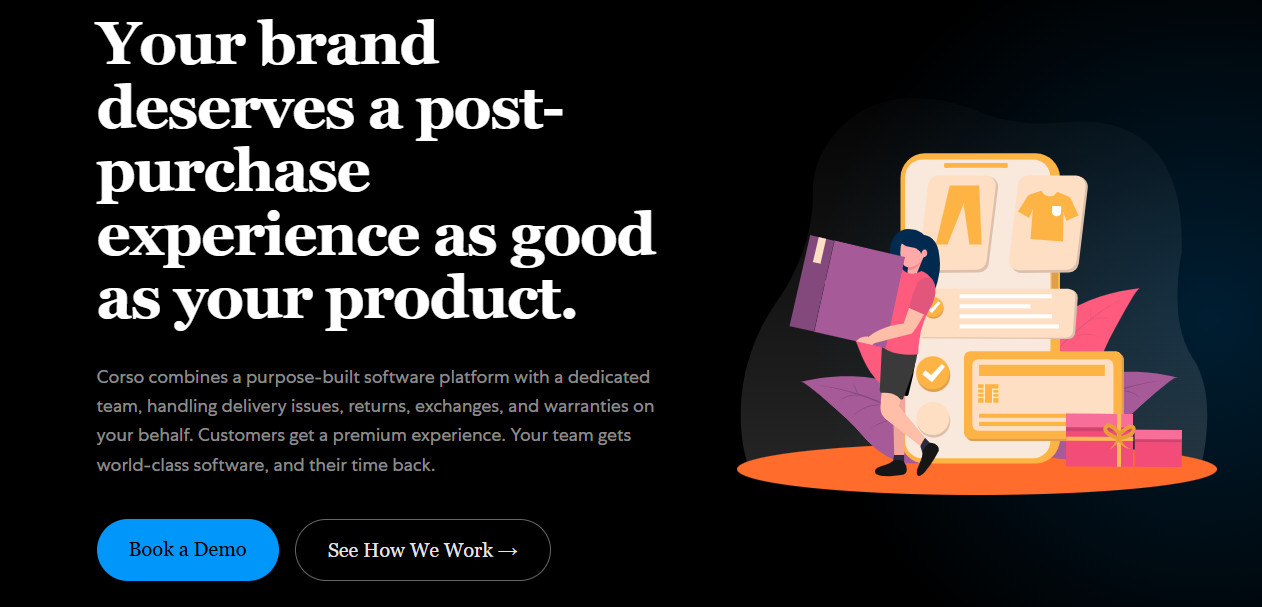
Corso leans heavily into concierge‑style claim handling and sustainability messaging, rather than the independent, third-party feel favored by other post-purchase protection platforms.
As a shopper, you’ll see a “Shipping Protection™” or “Delivery Guarantee” option at checkout, priced at around 2% of the order total. This bundles shipping protection with a full carbon offset (a nice touch if you’re an environmentally conscious shopper).
If your package is lost, stolen, or damaged, you file a claim through Corso’s portal or via email. Corso’s US‑based concierge team manages the claim under the brand’s name and typically reaches a resolution within 24 hours.
For merchants, Corso charges a performance‑based fee as a percentage of revenue generated through protection, rather than a fixed SaaS price. Its platform pays for replacements and return labels out of accrued protection revenue, while the concierge team keeps shipping claims off your support queue. Shipping protection, tracking, returns and exchanges, and warranties are all tied together in a single post‑purchase platform.
Corso provides a more white‑glove and brand‑embedded experience than the likes of Route; the platform wants shoppers to feel like they’re dealing with the store they purchased from, rather than a separate app.
Which Platform Is Best?
As noted already, shoppers won’t generally have a choice between the platforms we’ve listed here; merchants make that choice on their behalf. However, it’s still worth knowing how the different providers compare and what kind of experience each one offers.
If you’re reading this as a merchant, the choice largely comes down to the kind of protection promise you want buyers to see at checkout, and how much control you want over claims and economics.
- Seel is best when you want a comprehensive post‑purchase protection bundle that provides the option to cover shipping, return flexibility, and extended warranties.
- AfterShip Protection works well for tracking‑heavy, multi‑carrier brands that want cosmetic-damage coverage.
- Navidium is ideal for Shopify brands that want to own protection revenue and claim decisions in‑house. If your team is comfortable running its own shipping guarantee and using protection fees to offset losses, it’s a powerful self‑funded alternative apps.
- Corso fits brands that value concierge‑level support and sustainability messaging at checkout. Shoppers get human, fast resolutions and carbon offsets, and merchants avoid fixed SaaS fees while offloading shipping claims.