

- Why Beauty Is a Distinct Affiliate Category
- 1. PartnerCentric: Best for Attribution-Driven Beauty Programs at Mid-Market and Enterprise Scale
- 2. Gen3 Marketing: Best for Enterprise Brands Managing High-Volume Traditional Affiliate Structures
- 3. Acceleration Partners: Best for Multi-National Beauty Brands with Global Program Complexity
- 4. Hamster Garage: Best for Social-First Beauty Brands Prioritizing Creator-Affiliate and TikTok Shop
- 5. Dreamday: Best for Luxury and Prestige Beauty Brands Prioritizing Editorial Placement
- How to Choose the Right Affiliate Agency for Your Beauty Brand
Last Updated on August 17, 2026 by Ewen Finser
Beauty and personal-care brands are among the most sophisticated buyers in the affiliate marketing agency space. They come to the table with established creator relationships, complex attribution environments, and compliance exposure that most verticals never face.
They also come with a bit of skepticism. Too many programs have burned budgets on influencer-affiliate overlap, gifting that goes unmeasured or undelivered, and agencies that treat beauty as a generic e-commerce vertical dressed up with different creative assets.
This article is for in-house marketing leaders at mid-market and enterprise beauty brands evaluating agency partners. It covers what makes beauty programs genuinely harder to run than most categories, and which agencies are built to handle that complexity at scale.
Why Beauty Is a Distinct Affiliate Category
Beauty affiliate marketing works differently from a lot of other industries because people usually don’t buy after seeing a product just once. The path to purchase is often much longer and messier.
For example, someone might discover your SPF moisturizer through a YouTube review in January, click an affiliate link from an Instagram creator in March, then sign up for auto-refill a few months later. That is one customer journey, but it can show up as multiple attribution events across different platforms.
That becomes important for skincare, haircare, and beauty brands with strong repeat customers because a lot of affiliate-attributed sales may actually come from people who were already planning to buy the product again anyway.
So an affiliate program can look extremely successful because revenue numbers are high, but the real question is how many of those sales were truly incremental? If brands cannot measure that difference clearly, they can end up paying commissions on purchases that likely would have happened regardless.
Influencer Marketing and Affiliate Marketing Often Overlap in Beauty
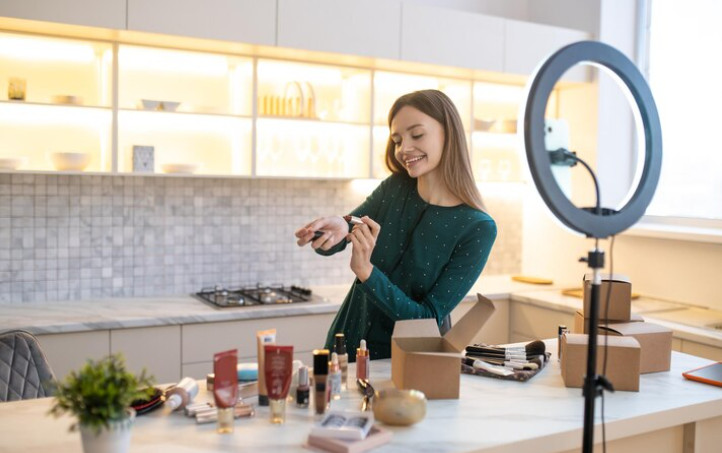
In many industries, influencer campaigns and affiliate programs are treated as separate marketing channels. In beauty, they often involve the exact same creators.
The person receiving your PR package may also be part of your affiliate program, posting commissionable links in their bio, sharing organic content, and running sponsored posts around the same product at the same time.
For example, a skincare brand might send free products to a creator, pay for one sponsored TikTok, and also allow that same creator to earn affiliate commissions through their storefront or link program. If the brand cannot see all of those touchpoints together, it becomes difficult to understand what actually drove the sale.
Without visibility across both influencer and affiliate activity, brands can accidentally double-count results or pay commissions on sales that were already influenced by gifting or paid sponsorships. Over time, that can lead to wasted spending and inaccurate reporting.
Gifting Campaigns Can Create Hidden Costs

Beauty brands send out huge amounts of free product compared to most other industries. PR mailers, gifted reviews, and creator seeding campaigns are all common, but a lot of that activity happens outside the affiliate platform, where tracking is limited.
A brand might send thousands of products to creators over a few months without having a clear way to measure who actually posted, which posts drove sales, or which creators later became strong affiliate partners.
For example, a haircare brand may send free product to 500 creators. Some creators post right away, some post weeks later, some never post at all, and a few may quietly become top affiliate sellers months down the line. Without proper tracking, it becomes difficult to know which creators are actually worth investing in long-term.
Compliance Exposure Is Category-Specific and Consequential
Beauty affiliate content has stricter rules than a lot of other product categories. FTC disclosure requirements, platform rules on TikTok and Meta, and restrictions around claims like “before and after” all apply more directly here because people are often talking about health, skin, or physical results.
If a creator promotes a retinol serum or acne treatment and forgets to disclose that it is a paid or gifted partnership, that is not just a creator issue. It can become a brand issue, too. The same goes for unsupported claims about results or using transformation images that violate platform guidelines. In most cases, responsibility does not stop with the creator posting the content.
The risk level increases in adjacent categories like supplements, topical wellness products, and femtech. In those cases, brands may also need to think about stricter data handling practices and more careful control over personal or sensitive information shared through campaigns.
This is why process matters as much as performance. Brands at scale need clear systems for reviewing content before it goes live, checking compliance across creators, and coordinating between affiliate platforms, creators, and internal legal or compliance teams.
Card-Linked Offers Are Paying Double Without Anyone Noticing

Some beauty brands run card-linked offer (CLO) programs without realizing they can end up paying twice for the same order.
A customer clicks an influencer’s affiliate link for a skincare product, but later also has a cash-back offer activated on their credit card. When they buy, both systems can record it as a successful sale.
The problem is neither system is aware of the other. The affiliate dashboard shows a normal commission. The CLO platform shows a normal reward payout. Everything looks fine on both sides, even though it’s the same purchase.
But at scale, this adds up fast. A mid-sized beauty brand doing steady monthly volume can end up paying duplicate rewards without seeing it clearly in either report. It usually only gets caught when someone looks across both systems at the same time.
That’s why it’s good to work with affiliate marketing agencies that can help you catch these issues before you start paying twice for them. With that in mind, here are a few agencies we recommend:
1. PartnerCentric: Best for Attribution-Driven Beauty Programs at Mid-Market and Enterprise Scale
PartnerCentric is one of the largest independent, woman-owned affiliate agencies, and what sets it apart for beauty brands is how it handles tracking and attribution.
Instead of just showing you a list of “sales your affiliates touched,” their FUSE technology tries to answer a harder question: what actually caused the sale?
For example, if a customer buys a skincare product they were already likely to repurchase, FUSE Incrementality helps separate that from sales that were truly driven by a creator or affiliate. That matters a lot in beauty, where customers often rebuy the same products every month anyway.
Their system also connects affiliate data back to a brand’s own internal sales data, so brands can check whether reported affiliate sales match what actually happened in their store. This helps reduce overcounting and makes commission payouts more accurate.
On top of that, they manage both influencer gifting campaigns and affiliate programs together, so brands don’t have to juggle those separately. Their team handles everything from recruiting creators to negotiating deals to reporting performance.
They also work in more complex, regulated spaces where customer data and compliance rules matter more, and their system can flag issues like duplicate payouts from card-linked offers when data overlaps.
One thing to know is that PartnerCentric doesn’t run its own affiliate network. They work through platforms like CJ, Awin, Impact, and Everflow, so performance can depend on which network a brand uses and how strong the recruitment effort is.
Best for: Beauty brands at mid-market or enterprise level that want clearer attribution, better control over commissions, and help managing both influencers and affiliates in one place.
2. Gen3 Marketing: Best for Enterprise Brands Managing High-Volume Traditional Affiliate Structures
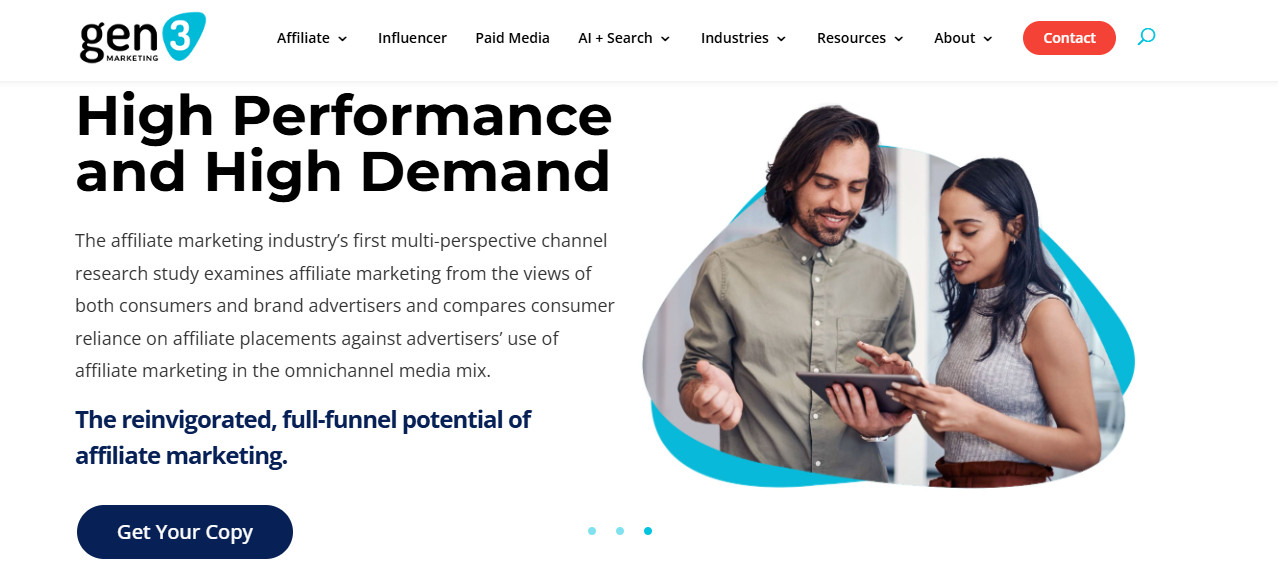
Gen3 is one of the largest affiliate agencies in the world, and they also have a dedicated focus on health, beauty, and wellness. That category focus matters because beauty affiliate programs don’t look like typical ecommerce programs. They rely heavily on a mix of loyalty sites, editorial placements, coupon partners, and cashback platforms, all working at scale.
For big, established beauty brands, Gen3 is built to handle a lot of moving parts. Think thousands of affiliate partners, constant reporting, and ongoing optimization across multiple channels. In many cases, they help replace the need for a large in-house affiliate team because they can manage that day-to-day complexity for you.
Where Gen3 is strongest is operational scale. They are a good fit when the program is already running, and the goal is to keep it organized, stable, and performing across a wide publisher base.
Where they are less focused is on deeper incrementality analysis or blending affiliate with more creator-led, influencer-style programs. If a brand needs very tight measurement of “what actually drove the sale” or wants highly integrated creator management, that may require additional tools or partners.
Best for: Large enterprise beauty brands with mature affiliate programs that need scale, structure, and ongoing program management across many partners.
Worth knowing: Gen3 is built for managing complexity at scale, but it is less specialized in advanced attribution modeling or hybrid influencer-affiliate workflows.
3. Acceleration Partners: Best for Multi-National Beauty Brands with Global Program Complexity
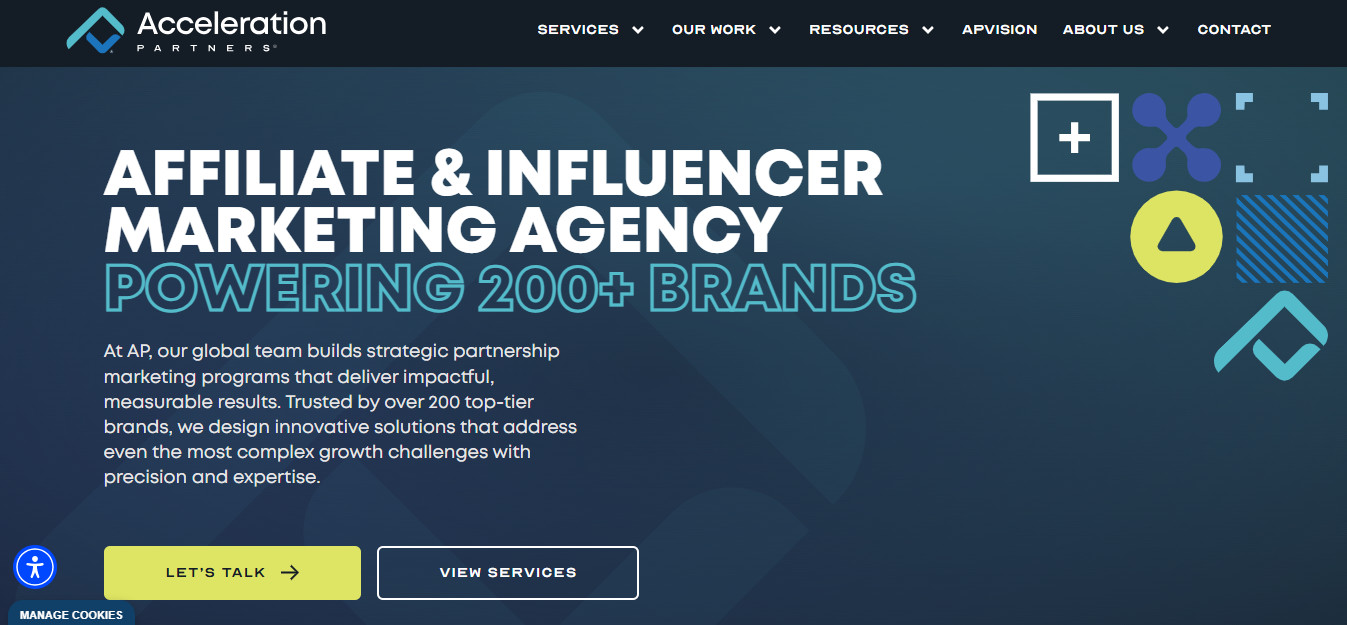
Acceleration Partners is built for large-scale, international affiliate programs. Their main strength is helping global beauty brands manage affiliate marketing across multiple countries at the same time, each with its own rules, partners, and content standards.
For example, a beauty brand might be running programs in the US, UK, EU, and APAC, all with different advertising rules and compliance requirements. Acceleration Partners helps keep those programs aligned so reporting, brand safety, and publisher relationships stay consistent across markets.
They are especially strong when compliance becomes complicated. Beauty is a highly regulated category, and different countries have different rules around claims, disclosures, and advertising standards. Their experience helps reduce risk when campaigns are running across multiple regions at once.
Where they are less focused is on building early-stage programs or helping brands figure out the basics. They are not typically a fit for brands that are still setting up their affiliate strategy or growing domestically from scratch. Their model is better suited to optimizing and managing programs that already exist at scale.
Best for: Large global beauty brands running affiliate programs across multiple countries with different compliance and market requirements.
Worth knowing: They are strongest when managing existing global complexity, not when building new affiliate programs from the ground up.
4. Hamster Garage: Best for Social-First Beauty Brands Prioritizing Creator-Affiliate and TikTok Shop
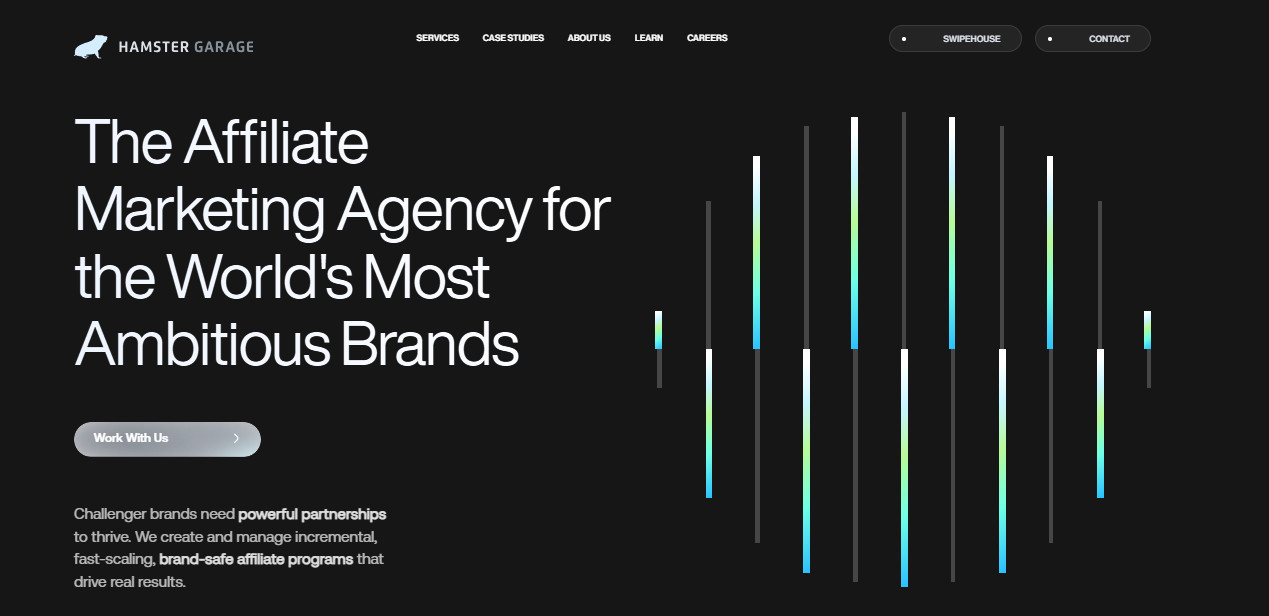
Hamster Garage is focused on one thing: helping beauty brands grow through creators and social platforms, especially TikTok Shop. That focus matters if most of your sales already come from short-form video, influencer content, and social-driven discovery.
For example, a D2C skincare brand that relies on TikTok reviews, GRWM videos, and Instagram Reels to drive sales will likely get more value here than a brand leaning on traditional affiliate sites or coupon partners. Their setup is built around turning creator content directly into purchases as quickly as possible.
Where they are strongest is speed and social conversion. TikTok Shop has shortened the path from “I saw this product” to “I bought it,” and Hamster Garage is built specifically for that environment, especially in categories like skincare, makeup, and haircare.
Where they are more limited is traditional affiliate breadth. If a brand needs a wide mix of coupon partners, editorial placements, cashback sites, and long-tail publisher coverage, this is not their main focus.
Best for: Social-first beauty brands that get most of their traffic and conversions from TikTok and Instagram creators.
Worth knowing: This is a specialist agency for creator-led commerce, not a full traditional affiliate program partner.
5. Dreamday: Best for Luxury and Prestige Beauty Brands Prioritizing Editorial Placement
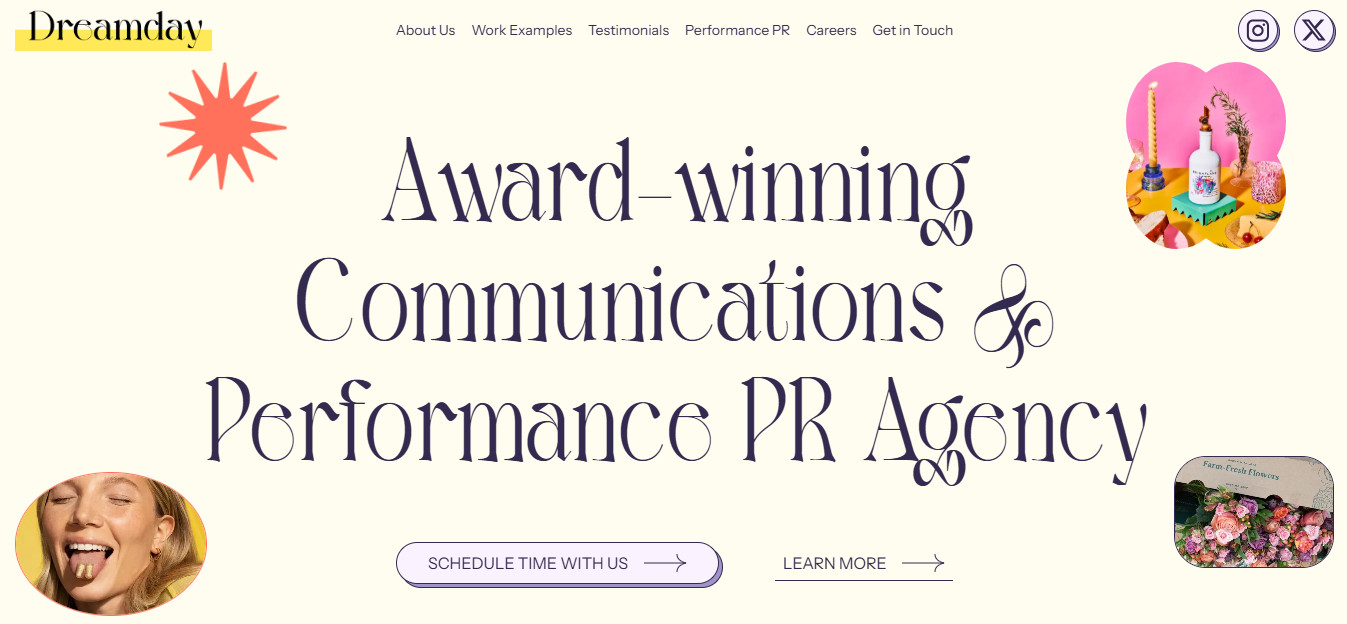
Dreamday sits between affiliate marketing and digital PR. Instead of focusing on volume-driven affiliate partners, they specialize in getting beauty brands featured in high-authority editorial outlets like major fashion and beauty publications.
For luxury or prestige beauty brands, this matters because visibility in places like Vogue or Cosmopolitan is less about immediate clicks and more about brand perception and long-term trust. Dreamday helps brands earn those placements in a way that can still tie back to performance or tracked conversions.
This is especially useful for brands where storytelling and brand image are just as important as direct-response sales.
Where Dreamday is more limited is scale. They are not designed to run broad affiliate ecosystems or manage large networks of coupon, cashback, and long-tail publishers. If a brand needs full affiliate coverage across many partner types, they would need additional support.
Best for: Luxury and prestige beauty brands that want editorial credibility alongside performance marketing.
Worth knowing: This is a specialized partner for editorial and PR-style performance, not a full-scale affiliate program manager.
Keep reading: Best Dreamday Alternatives: Affiliate Marketing Agencies Compared
How to Choose the Right Affiliate Agency for Your Beauty Brand
Affiliate marketing can drive a lot of revenue in beauty, but only if the program matches how people actually shop in this category.
In beauty, customers do not follow a clean path. They see a product on TikTok, get retargeted later, maybe click a coupon site, and then come back through a creator link they saved. On top of that, they might be part of gifting campaigns, loyalty programs, or cashback offers all at the same time.
That is why issues like messy attribution, creator and affiliate overlap, gifting that is not tracked, compliance risks, and duplicate payouts from card-linked offers are not rare edge cases; they’re normal at scale.
The right partner is the one that understands your mix of creators, affiliates, and retail behavior, and can clearly show how they track what is really driving sales, not just what looks good in a dashboard.
If you are evaluating agencies, the key question is simple: do they help you understand and control what is actually driving revenue, or are they just reporting what already happened?