

Last Updated on June 12, 2026 by Ewen Finser
If you regularly shop online, you may already be familiar with Seel and Route. Both show up as little optional add‑ons at checkout that promise to protect your shipment in the event of something going wrong in transit (loss, theft, damage, and so on).
As a shopper, you’re essentially paying for someone other than the store to take responsibility for fixing shipping problems (and, with Seel, potentially returns and warranty issues too).
So, what are some of the main differences between Route and Seel, and when does it make sense to part with the extra cash for their coverage?
Seel vs Route: At a Glance
Seel | Route | |
What you’ll usually see at checkout | A “Worry-Free Delivery” or “Worry-Free Purchase” add-on, sometimes pre-selected depending on the merchant. | A “Route Package Protection” add-on, usually priced automatically as a small percentage of the cart total. |
Core shipping coverage | Loss, theft, damage, and in some cases delay compensation. | Loss, theft, and damage. |
Returns coverage | Often available through Worry-Free Purchase, including protection for some final-sale or restricted items. | Not generally available. |
Warranty coverage | Available for some eligible products through Seel’s extended warranty options. | Not a core part of Route’s package protection offering. |
Tracking experience | Coverage details and claims are handled through Seel’s confirmation email, tracking page, and Resolution Center. | Stronger emphasis on tracking, including Route’s app, web tracking, and visual shipment maps. |
Claims process | Shoppers file claims through Seel’s Resolution Center, provide order details and evidence, then receive compensation if approved. | Shoppers file claims through Route’s claims page or app, upload evidence, and receive compensation if approved. |
Cost | Usually around 2% of the order total; prepaid return shipping may use weight-based flat fees. | Around 2% of the cart total, with a minimum charge. |
What’s Covered (and What Isn’t)
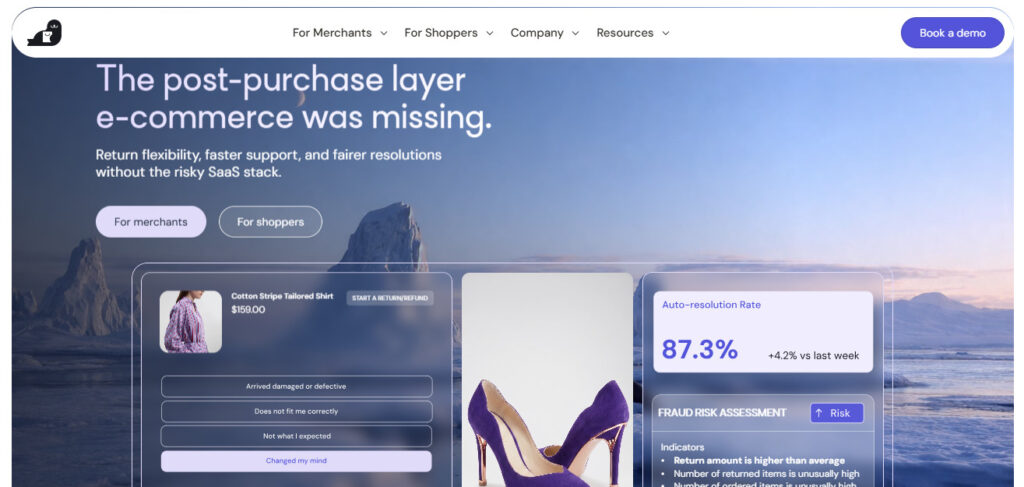
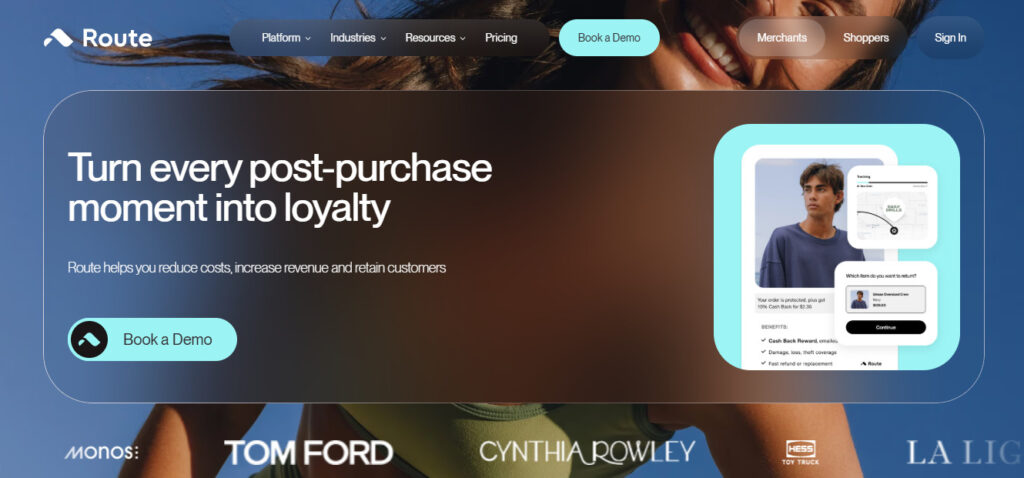
Both companies focus on shipping issues, but Seel also bundles returns and warranties for many merchants.
Seel Coverage
Under Worry‑Free Delivery or equivalent package protection:
- Loss: If a package doesn’t arrive within a defined window (30 days for domestic orders and 60 days for international ones), Seel treats it as lost and reimburses you up to the price you paid.
- Theft (“porch piracy”): If tracking says “delivered” but you didn’t receive it, Seel treats this as theft and will compensate you. However, you may require supporting documents (a police report, for example) before the platform will issue compensation.
- Damage: Seel covers items damaged to the point of being unusable, but not cosmetic issues, manufacturing defects, or packing errors.
- Delay: Seel will pay you $5 if your package hasn’t been delivered within 10 days of fulfillment (this extends to 30 days for international orders).
There are standard exclusions (high‑value jewelry above a threshold, fine art, live animals, cash, certain commodities, etc.). These are explained in detail in Seel’s terms and conditions; if you’re considering adding Seel to a high-value purchase, I’d recommend researching these T’s and C’s to ensure your item will be covered.
On top of shipping protection, Seel’s Worry‑Free Purchase can add:
- Return protection on final‑sale or restricted items, giving you a return window beyond the point at which the merchant itself won’t accept returns.
- Prepaid return shipping where you pay a small fee at checkout and get a label later, with Seel covering the return shipping cost behind the scenes.
- Extended warranty coverage beyond the manufacturer’s warranty on eligible products.
Route Coverage
Route’s core shipping protection product is largely similar to Seel’s, covering:
- Loss: Orders that fail to arrive within Route’s defined timeframe.
- Theft: Packages marked as delivered but not received (like Seel, Route may expect you to share a police report or other documentation as proof here).
- Damage: Items damaged in transit.
As you can see, Route’s coverage is more focused on classic package issues (problems that arise while orders are in transit) than returns or extended warranties.
They also have lists of items and situations that aren’t covered (such as some logistics issues outside the carrier flow or certain high‑risk categories), so, again, you’ll need to check the fine print if your order is unusual.
What You See at Checkout
Seel Checkout Widget
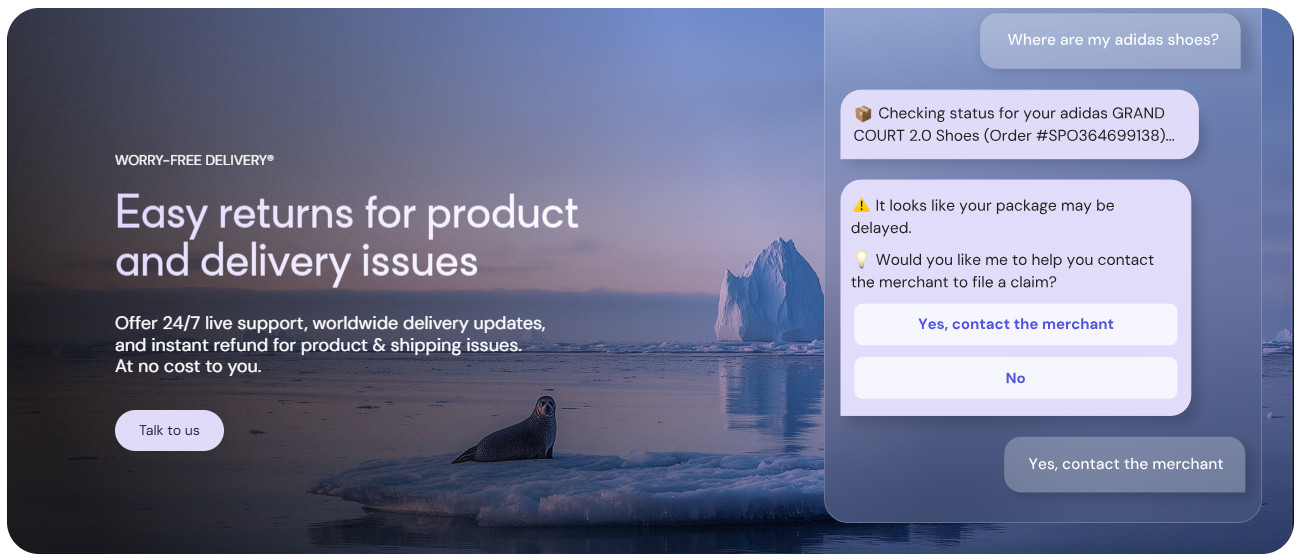
When you’re purchasing from merchants that use Seel, you’ll usually see a line item or toggle at checkout labeled something like “Seel Worry‑Free Delivery” or “Seel Worry‑Free Purchase” with a small fee next to it.
It may be pre‑selected or optional, depending on the store’s configuration; some setups automatically apply Worry‑Free Delivery to eligible orders, while others let you tick/untick a checkbox in the cart or checkout drawer.
After you complete the order, Seel sends a separate confirmation email with your coverage details and a link to their Resolution Center, where you can file a claim if the need arises.
Route Checkout Widget
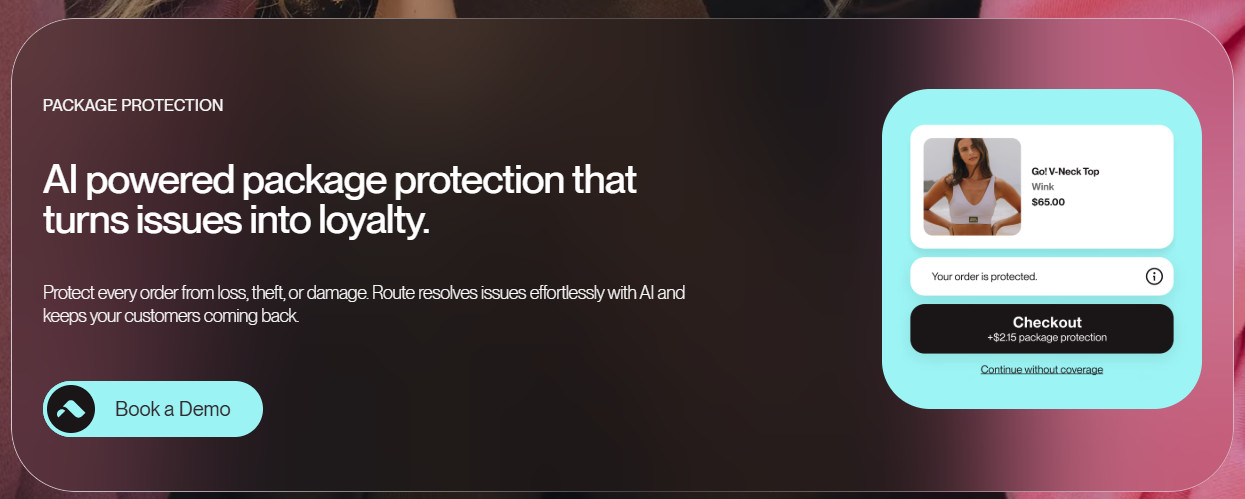
Route’s widget also appears as a line item or toggle (typically “Route Package Protection”) that you can add to your cart for a small percentage of your order total.
On Shopify and other platforms, merchants can drop Route’s widget into the cart or checkout, and shoppers usually see the price calculated automatically once they opt in. Once you pay for Route protection, any follow‑up happens through Route’s site or app rather than the store itself (as is the case with Seel).
How Claims Actually Work
Filing a Claim With Seel
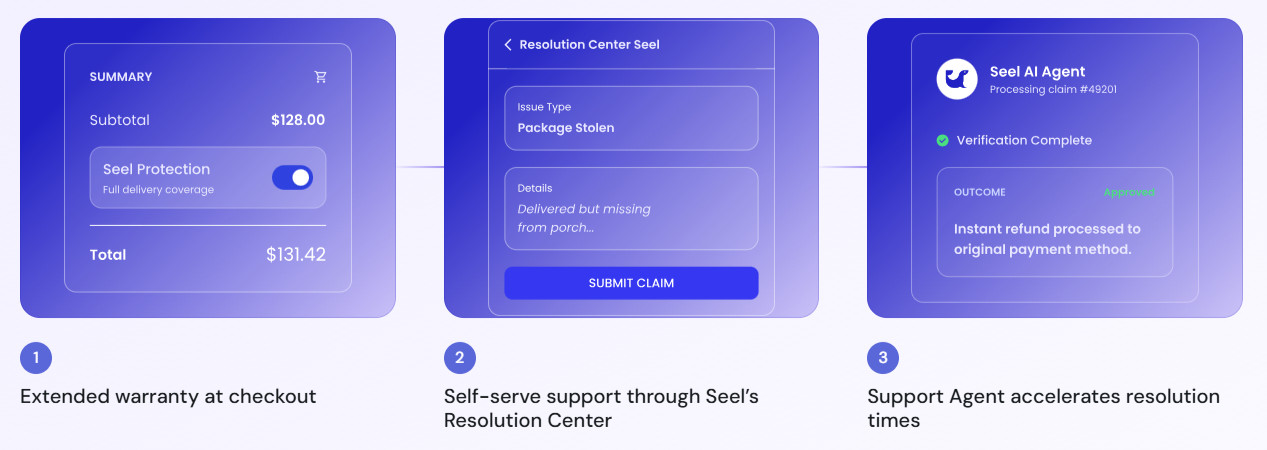
- You add Seel coverage at checkout.
- Seel emails you coverage details with a link to the Seel Resolution Center.
- If something goes wrong, you go to the Resolution Center or tracking page and hit “Report an Issue”.
- You enter your email and order number, explain what happened, upload photos or tracking screenshots if needed, and select how you want to be paid.
- Seel reviews the claim in accordance with policy rules and then sends you a payout if it’s approved.
Filing a Claim With Route
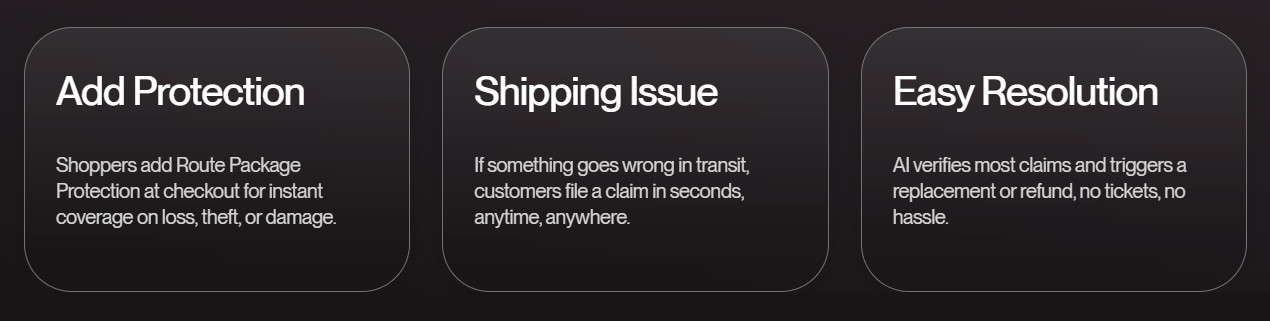
Route’s claim flow follows a similar pattern:
- You add Route protection at checkout.
- If something goes wrong, you go to Route’s claims page or app and start a Package Protection claim.
- You choose whether it’s loss, theft, or damage, upload evidence, and submit.
- Route reviews the claim and pays you if your loss is covered.
What You’ll Pay as a Shopper
Prices for both Seel and Route vary from one merchant to the next, but there are some patterns. Seel’s Worry-Free Delivery fee is usually a small percentage (2% or so) of your order. Seel generally uses weight‑based flat fees for prepaid return shipping, so heavier items cost more.
Route’s protection can cost up to 2% of the cart total, with a minimum charge of $0.98. As is the case with Seel, Route is funded by the shopper fee, not by merchants.
Beyond Shipping: Returns, Warranties, and Tracking
This is where the two platforms really diverge.
Seel: Shipping Protection, Returns, and Warranty
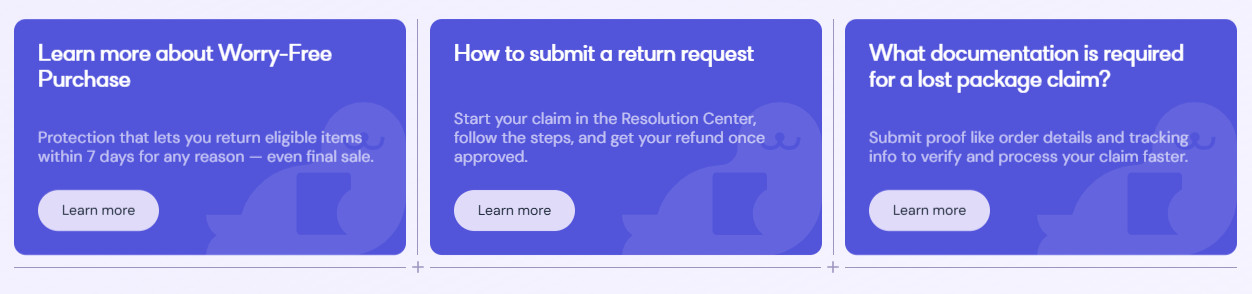
Unlike Route and some other competitors, Seel is more than just a shipping add-on. It also offers robust returns and warranty options, making it a comprehensive post-purchase protection service.
- Worry‑Free Delivery: Protects orders from loss, theft, and damage, sometimes with delay compensation and carbon‑neutral shipping baked in.
- Worry‑Free Purchase: This lets shoppers return eligible items (including some “final sale” inventory) for a refund by paying a fee at checkout; it also covers shipping issues for those items and can include prepaid labels.
- Extended Warranty and related products: This provides the option of added coverage beyond manufacturer warranties, plus programs like guaranteed buybacks for certain categories.
Route: Tracking First With Protection Attached
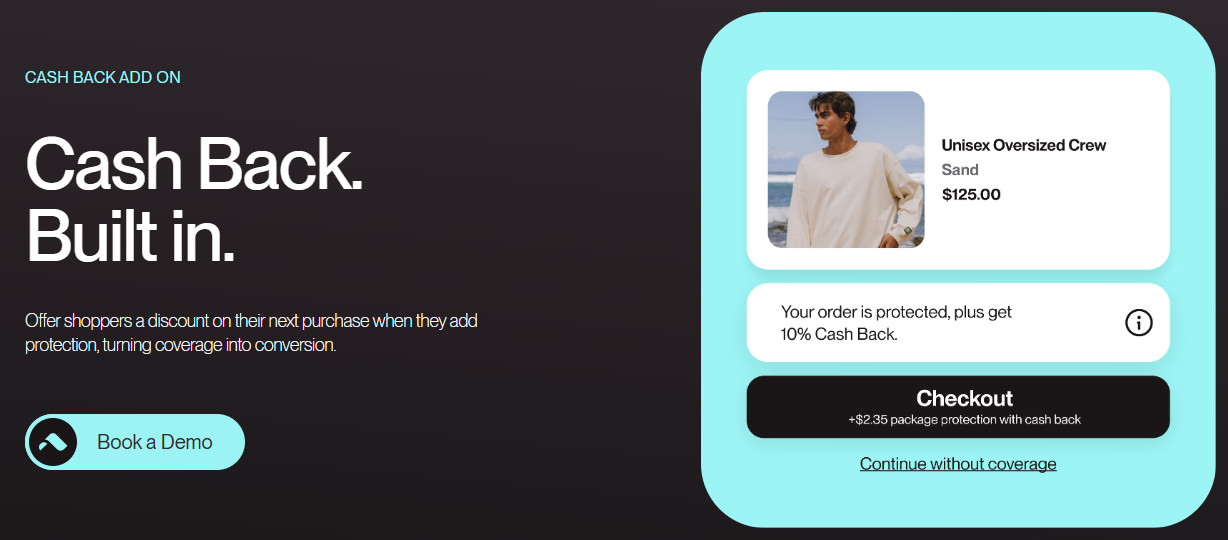
Route started as a tracking‑plus‑protection provider and still leans heavily into that branding.
- Tracking app and web tracking: Route’s app aggregates your orders and shows a visual map of shipments (practically speaking, this doesn’t offer much more than an estimated arrival date, but it does make for a neat visual).
- Package protection: This sits on top of Route’s tracking layer to handle loss, theft, and damage.
- Ecosystem add‑ons: Route also markets returns, exchanges, loyalty, and product recommendation tools to merchants.
Merchant View: Integration, Operations, and Revenue
Seel for Merchants
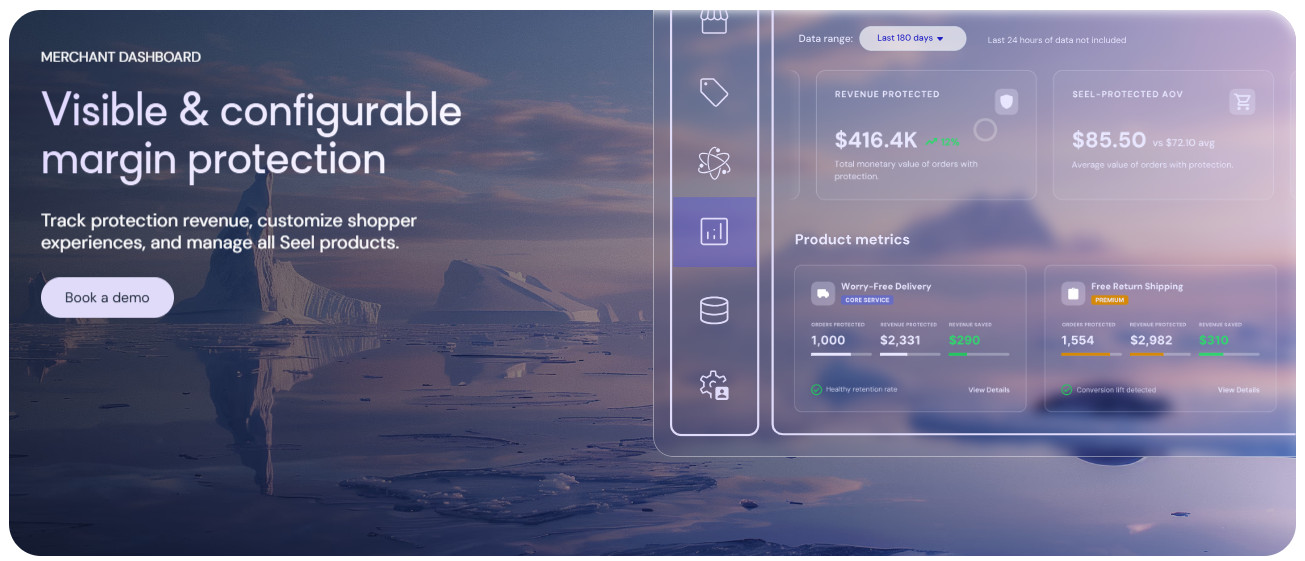
- Coverage & risk: Seel takes on the financial risk for covered issues, pays shoppers directly, and keeps shipping liability off your books.
- Revenue model: Protection products are shopper‑funded, so you don’t need to pay Seel directly.
- Product scope: Seel’s platform can cover shipping protection, returns protection, and extended warranties, and it also provides a Resolution Center within which your customers can handle their own claims without input from you. There are also additional tools, like an AI agent workforce for support automation (though these are merchant-funded, i.e. you’ll have to pay for them). For me, Seel’s biggest selling point is that it can replace multiple vendors (shipping protection, returns portal, and warranty provider) with one platform.
- Integrations: Seel plugs into platforms like Shopify, WooCommerce, Shopline, Loop Returns, and various commerce stacks via apps or partner integrations.
Route for Merchants
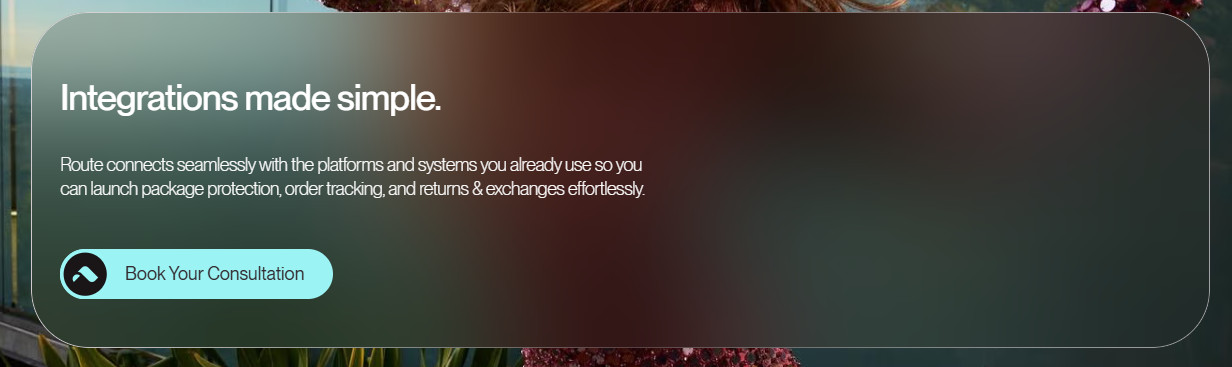
Route’s pitch to merchants centers on post‑purchase experience and tracking, with shipping protection as a pillar.
- Coverage & risk: Route also assumes the risk for given issues and saves you from having to deal with complaints.
- Revenue model: Like Seel, Route’s protection is shopper‑funded, and merchants generally don’t pay for claims out of pocket.
- Product scope: Route offers package tracking, branded order‑tracking pages, and additional CX tools on top of protection.
- Integrations: Official apps and plugins for Shopify, WordPress, Salesforce Commerce, and other platforms make it relatively straightforward to drop into your stack.
What’s the Verdict?
From the shopper’s perspective, both Route and Seel provide useful protection for larger online purchases. They’re not as worthwhile for smaller purchases, where you’d be willing to take the hit on a lost or damaged package; however, if you’re buying a new suite of furniture or a luxury watch, it’s worth having this kind of protection.
For merchants, the decision will largely come down to your priorities. Seel may appeal to businesses looking for a broader post-purchase platform that includes shipping protection, returns-related products, and warranty offerings. On the other hand, Route may be a better fit for merchants primarily focused on package protection and shipment tracking within a post-purchase experience platform.