


Last Updated on May 6, 2026 by Ewen Finser
Payment processing for digital products can get messy faster than you might think.
A shoe store can prove delivery with just a tracking number, whereas a digital template seller has to prove that a download link worked, an email was sent, or a customer accessed the file. This means that a course creator might have to deal with buyers who finish a course and then claim it was “not as described.” A software seller may have subscription churn, failed payments, refunds, and card disputes all hitting the same payment stack.
Then there’s the processor risk problem.
Many digital product sellers start with Stripe because it’s easy to set up, developer-friendly, and works with almost every tool. However, digital products can create risk signals that automated processors do not always handle well: high refund rates, high-ticket products, aggressive marketing claims, subscription confusion, or a sudden sales spike can all create problems.
That is why the best payment processor for digital products is the one that fits the way you sell, the risk profile of your product, and the support you need when something goes wrong. So let’s jump in and talk about who fits the bill.
The Best Payment Processors for Digital Products: At a Glance
Best For | Main Strength | Main Weakness | |
Digital sellers who need account stability and chargeback support | Gives merchants more visibility into risk, disputes, and account health | Not as instant as a self-serve platform | |
Developers and low-risk digital product launches | Has excellent APIs and broad integrations | Automated risk reviews can be painful for higher-risk sellers | |
Sellers who want PayPal checkout and card processing | Customers know PayPal, and Braintree adds developer flexibility | Dispute outcomes can be frustrating for merchants | |
SaaS and software sellers that want merchant-of-record support. | Can handle payments, tax, and compliance under one structure | Sellers give up some control over the payment relationship | |
Software, games, and global digital goods sellers. | Offers a merchant-of-record setup built around digital commerce | May be too heavy for simple creators | |
Subscription businesses with complex recurring billing. | Handles billing workflows, dunning, and plan changes | It’s a billing layer, not a full processor replacement | |
Larger digital merchants with global payment needs. | Offers enterprise-grade payment infrastructure | Usually overbuilt for smaller sellers |
Luqra
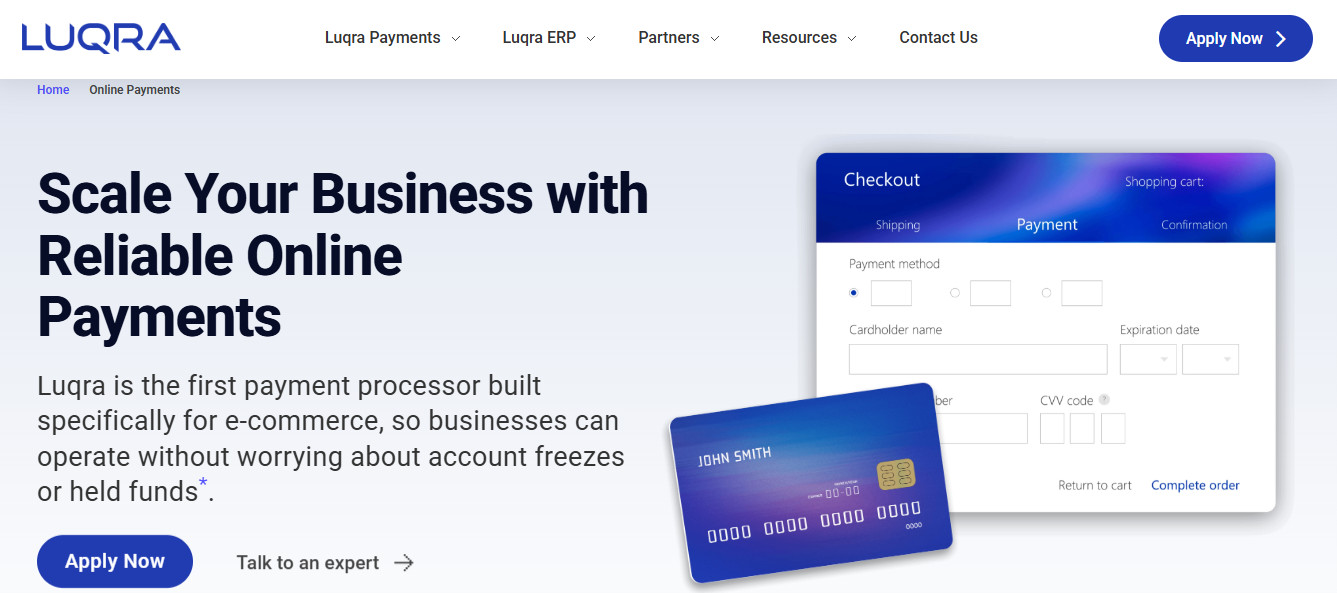
Luqra is a strong fit for merchants who have already dealt with automated processor decisions, sudden reviews, frozen funds, or account terminations with no clear explanation. Where Stripe handles risk through algorithms, for example, Luqra is built around actual underwriting and human support, which makes it a fundamentally different kind of processor relationship.
This underwriting angle is a key differentiator. Instead of getting approved quickly and flagged later, sellers go through a more deliberate onboarding process that gives Luqra a real picture of the business before volume and disputes start stacking up. That means fewer surprises on the back end for merchants who have already learned the hard way that fast approval does not equal account stability.
Where it works well:
- Can help merchants understand chargeback exposure before the account becomes a problem
- Gives sellers more visibility into risk, fraud, and dispute patterns
- Makes sense for merchants who want a processor relationship instead of just a checkout tool
Where it falls short:
- Not as instant as Stripe or PayPal
- Can involve more underwriting and review before approval
- May be more than a small digital seller needs on Day 1
Verdict: I would look at Luqra closely if I were selling digital products and cared about account stability, chargeback visibility, and human support. It’s especially relevant for merchants who have been burned by Stripe’s automated risk decisions and want a processor that understands the category before the red flags show up.
Stripe
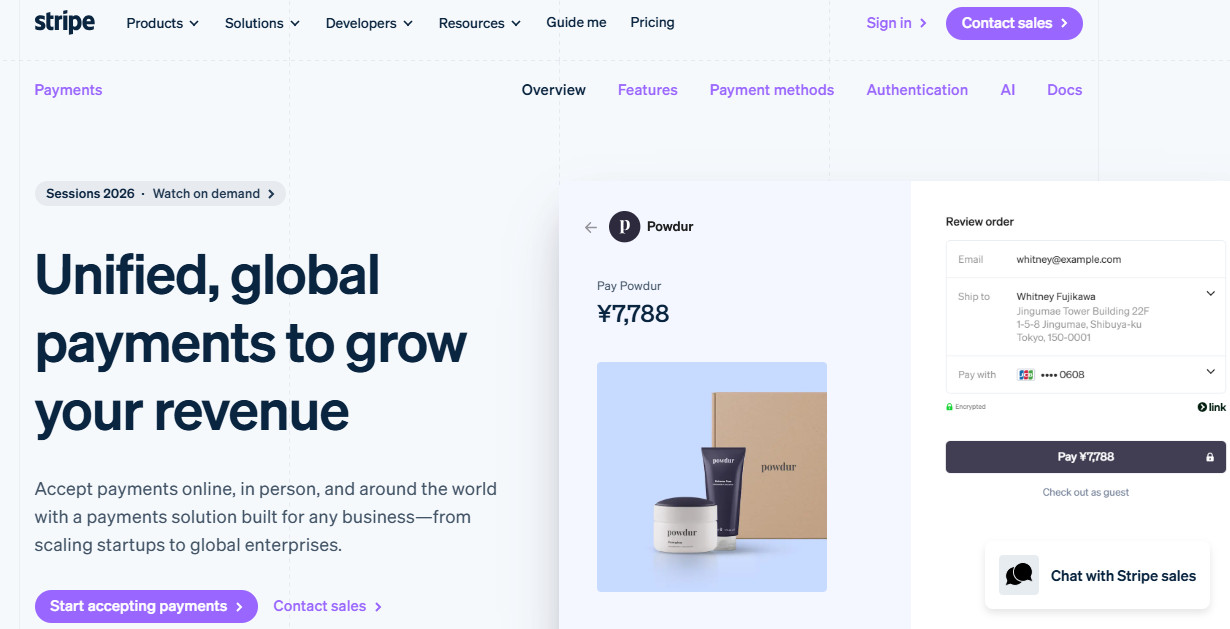
Stripe is best for developers, SaaS startups, and digital product sellers with clean risk profiles. It is popular for a reason: great APIs, strong documentation, and a massive software ecosystem mean it can be fast to launch for almost any digital product setup. It can handle cards, custom checkout flows, subscriptions, customer portals, and connections to your product delivery system, and it works best when the product is simple, the refund policy is clear, and the dispute rate stays low.
It fits sellers who want quick setup and broad software integrations, developers who want technical control over checkout flows, SaaS companies with clear subscription terms, and low-risk digital product sellers with simple offers.
Where it works well:
- One of the easiest platforms for custom checkout flows, with almost limitless customization options
- Integrates with many digital product, subscription, and e-commerce tools — if you’ve got a niche tool you need, Stripe probably works with it
- Gives developers strong control over how payments work inside the product
Where it falls short:
- Automated risk reviews can frustrate merchants when something gets flagged
- Higher-risk offers may create account stability concerns
- Sellers with high-ticket courses, aggressive claims, or chargeback spikes may need more human support
Verdict: Stripe is one of the best options for low-risk digital product sellers who want developer-friendly payments and fast setup. It’s less ideal for merchants who need more hands-on underwriting, chargeback support, or account stability.
PayPal and Braintree
PayPal and Braintree are best for sellers who want broad checkout coverage and customer familiarity. Braintree is PayPal’s developer-facing payment platform (PayPal acquired it in 2013), so the two are often discussed together, with PayPal serving buyers who want a familiar one-click checkout and Braintree giving sellers who want more technical control a way to get it within the same ecosystem. Together, they’re a good fit for creators selling to customers who may not know their brand yet, and for sellers where PayPal’s trust factor is a meaningful part of the sale.
For digital products specifically, that trust matters. A customer buying a course, ebook, membership, or download cannot touch the product first. They’re relying on the brand, sales page, and checkout experience, and PayPal’s familiarity can help reduce that hesitation.
Where it works well:
- Can reduce cart abandonment for some buyers
- Braintree gives sellers even more control than a basic PayPal button
- The PayPal brand can help smaller creators look more credible at checkout
Where it falls short:
- Sellers still need proof of delivery, access logs, refund records, and support notes
- Dispute outcomes can feel frustrating from the merchant side — I feel like PayPal more often than not sides with the buyer
Verdict: PayPal and Braintree are strong secondary options for digital product sellers who want to offer a familiar checkout method. They work best when paired with clean delivery records, clear refund terms, and good customer support.
Paddle
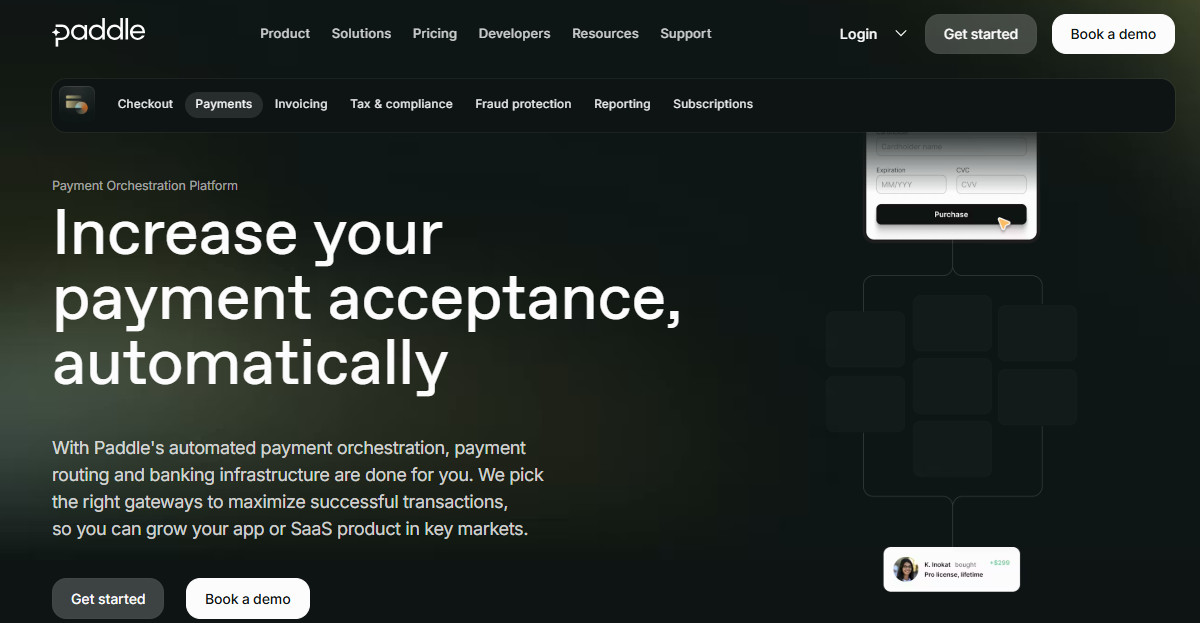
Paddle is best for SaaS and software sellers that want a merchant-of-record model, meaning Paddle handles the payment relationship (including payments, tax, compliance, and checkout operations) rather than the seller doing so directly. This makes it a natural fit for software companies selling subscriptions or software access globally, teams that want help with tax and compliance without building a full payments back office, and businesses that prefer simplicity over direct payment control.
Digital products can create tax headaches fast. SaaS, software, and memberships may trigger sales tax, VAT, or GST obligations depending on where customers live, and Paddle helps reduce that burden by wrapping payments and compliance into one structure.
Where it works well:
- Can reduce the burden of global tax and compliance — definitely one of the stronger points if you’re selling everywhere to everyone
- Can help software teams avoid building a full payments back office
- Makes sense for companies that want the merchant-of-record model
Where it falls short:
- Sellers give up some control over the payment relationship
- May be more than a simple creator needs
- Not the best fit for sellers who want a direct merchant account
Verdict: Paddle is a strong option for SaaS and software sellers that want to simplify payments, taxes, and compliance under one structure. It’s less compelling for smaller digital product creators who only need basic payment acceptance.
FastSpring
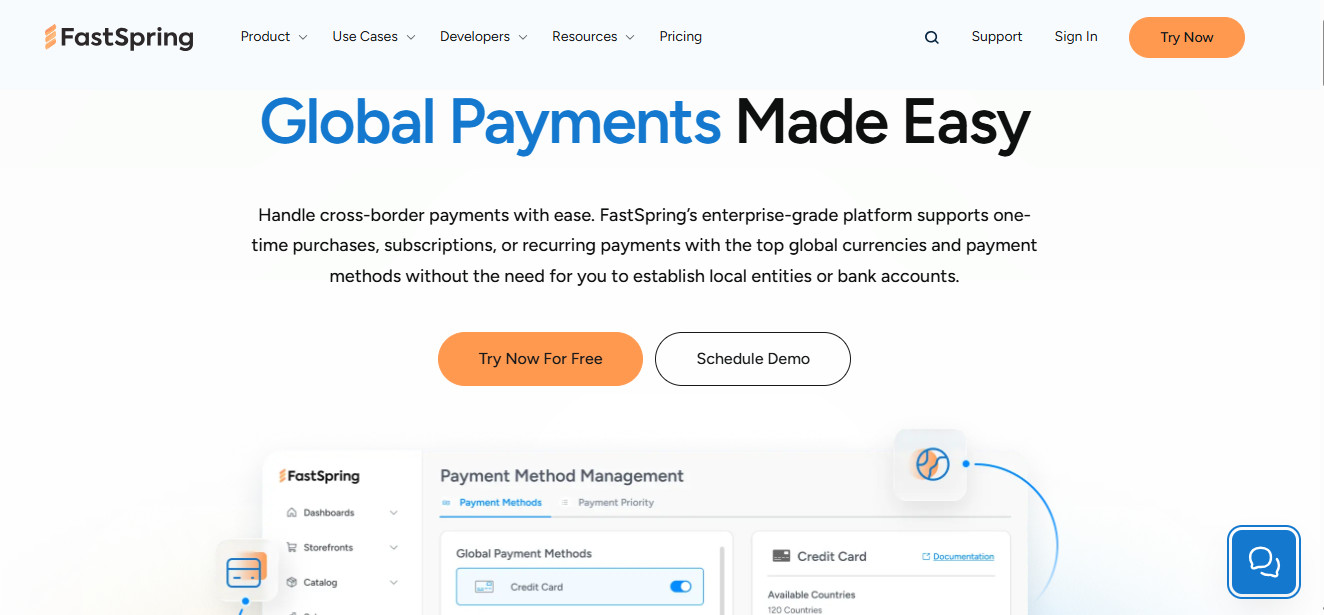
FastSpring is best for software, downloadable tools, and global digital goods sellers. Like Paddle, it uses a merchant-of-record model, making it a good fit for software companies selling licenses or downloads, digital goods companies with international customers, and businesses that want payments, tax, and compliance handled together rather than spread across multiple tools.
Unlike Paddle, FastSpring is built specifically around digital commerce, which makes it feel more purpose-built for that category rather than adapted to it. The tradeoff, as with any merchant-of-record setup, is that sellers give up some direct control over the payment relationship.
Where it works well:
- Built specifically for digital goods and software commerce (and does it well)
- Can help reduce the number of payment and tax tools a seller needs
- Supports more complex digital product sales than a basic checkout tool
Where it falls short:
- Can be too heavy and may not be worth the added structure for simple digital shops
- Sellers give up some direct control under the merchant-of-record model
Verdict: FastSpring is a strong fit for software and digital goods companies that sell globally and want payments, taxes, and compliance handled together. However, it may be too much for smaller creators who only need a simple way to accept payments.
What Digital Product Sellers Should Look For

The best payment processor for you depends on what you sell, how much you sell, and how much risk your product creates. After all, the seller of a $29 ebook won’t need the same payment support as someone who’s selling a $2,500 online course.
Still, every digital product seller should look at the same core areas.
- Account stability: A reputation for fast approvals doesn’t necessarily mean the processor understands your business; a processor can approve you quickly, then review you later once volume, disputes, or risk signals increase.
- Chargeback handling: Digital products can be hard to prove after the fact, so sellers need access to logs, download records, email confirmations, refund records, support notes, and clear terms.
- Fraud tools: Digital delivery can happen instantly, and a fraudster can buy, download, and disappear before the merchant has time to react.
Besides these pain points, there are a few other factors to consider depending on your offerings. For example, subscription support matters if your product has recurring billing: poor cancellation flows, weak renewal notices, and failed payment confusion can often turn into disputes. Also, tax and global compliance matter if you have customers in multiple states or countries: digital products can create sales tax, VAT, or GST issues depending on the product and jurisdiction.
The Best Payment Processors for Digital Products: Final Verdict
A digital product seller doesn’t just need to get paid. They need to stay paid, avoid unnecessary holds, understand dispute risk, and work with a processor that sees the business model before the red flags show up. And only a handful of processors make this painless.
Stripe is great for clean, developer-led launches, PayPal and Braintree make sense when customer trust and PayPal checkout matter, and Paddle and FastSpring are strong for software companies that want merchant-of-record support.
But for digital product sellers who have already felt the pain of processor risk, Luqra stands out. It’s essentially a merchant-account partner with fraud protection, chargeback management, underwriting, and support around the parts of payment processing that scare digital sellers the most.