


Last Updated on August 17, 2026 by Ewen Finser
Affiliate marketers have been trained to think about online visibility in a certain way. The process was direct: rank on Google, get a click, optimize the page with keywords and internal links, have some backlinks, improve conversions rates, and repeat.
Back then, the SEO playbook was simple. If you appeared on page one and could answer the user’s question, the traffic took care of itself. As long as your affiliate links were set up properly, those clicks brought revenue.
Today, conversational AI is completely changing how content gets discovered. We are moving from a world of “top 10 search results” to one where AI answers a user’s questions directly in a chat. Whether you use ChatGPT, Claude, or Google AI Overviews, you don’t need to browse websites for answers anymore because an AI assistant does the work for you.
I have worked in digital marketing for over 15 years, and I’ve seen plenty of “industry-changing” trends come and go. But this one is structurally different because it changes how people find information online.
Too many affiliate marketers are treating AI search like an SEO upgrade. But to tell the truth, answer engines change consumer behavior, which means affiliate marketers need to rethink how to prove authority and usefulness to an AI bot.
This is where AEO (Answer Engine Optimization) starts becoming important.
What Does AEO Mean for Affiliate Marketing?

AEO is becoming one of those marketing terms everyone mentions, but not many people can explain it in a practical way. It’s usually depicted as “SEO for AI”, but in many avenues of the digital world, including affiliate marketing, it’s more than that.
If I was to simplify AEO, it’s about optimizing content, brand signals, and digital relationships so that AI models can confidently cite your information as a reliable source. While traditional SEO helps users find links, AI engines are designed to provide instant answers.
For years, affiliate success for creators and influencers relied on ranking mechanics, and success came down to two things: whether you could outrank competitors for high-intent keywords and capture the click before they did.
I remember working on affiliate-focused SEO campaigns where the primary KPI was visibility volume. For example, if a creator’s article was the top search result for “best shampoo for blondes”, the campaign was considered a win because that ranking drove website traffic, which guaranteed affiliate commissions.
An AI chatbot, on the other hand, can pull information from six different sources, blend them into one answer, and never send the user to a particular website. At this point, your visibility depends on whether the bot trusts your data is trustworthy to reference, which is exactly why some affiliate programs are not prepared for this major change in marketing.
Here’s a side-by-side comparison to understand how traditional SEO vs AEO works in affiliate marketing:
Traditional SEO Focus | AEO/AI Search Focus |
Ranking webpages in SERPs | Becoming a trusted cited source |
Getting clicks | Contributing reliable answers |
Keyword placement | Entity clarity and contextual meaning |
Backlinks and authority signals | Citationworthiness and corroboration |
Page-level optimization | Ecosystem-level consistency |
Search volume targeting | Conversational query relevance |
Content quality and coverage | Information quality and trust |
Optimizing for crawlers | Optimizing for retrieval and synthesis |
Individual article performance | Cross-source consistency |
Traffic acquisition | Visibility inside AI-generated answers |
Now, I’m not saying traditional SEO signals no longer matter.
Backlinks, topical authority, page structure, and engagement metrics still play an important role. But answer engines have introduced an additional layer on top, which is “can the model use this information as part of a response?”
The Truth About Trying to Tackle AEO Alone
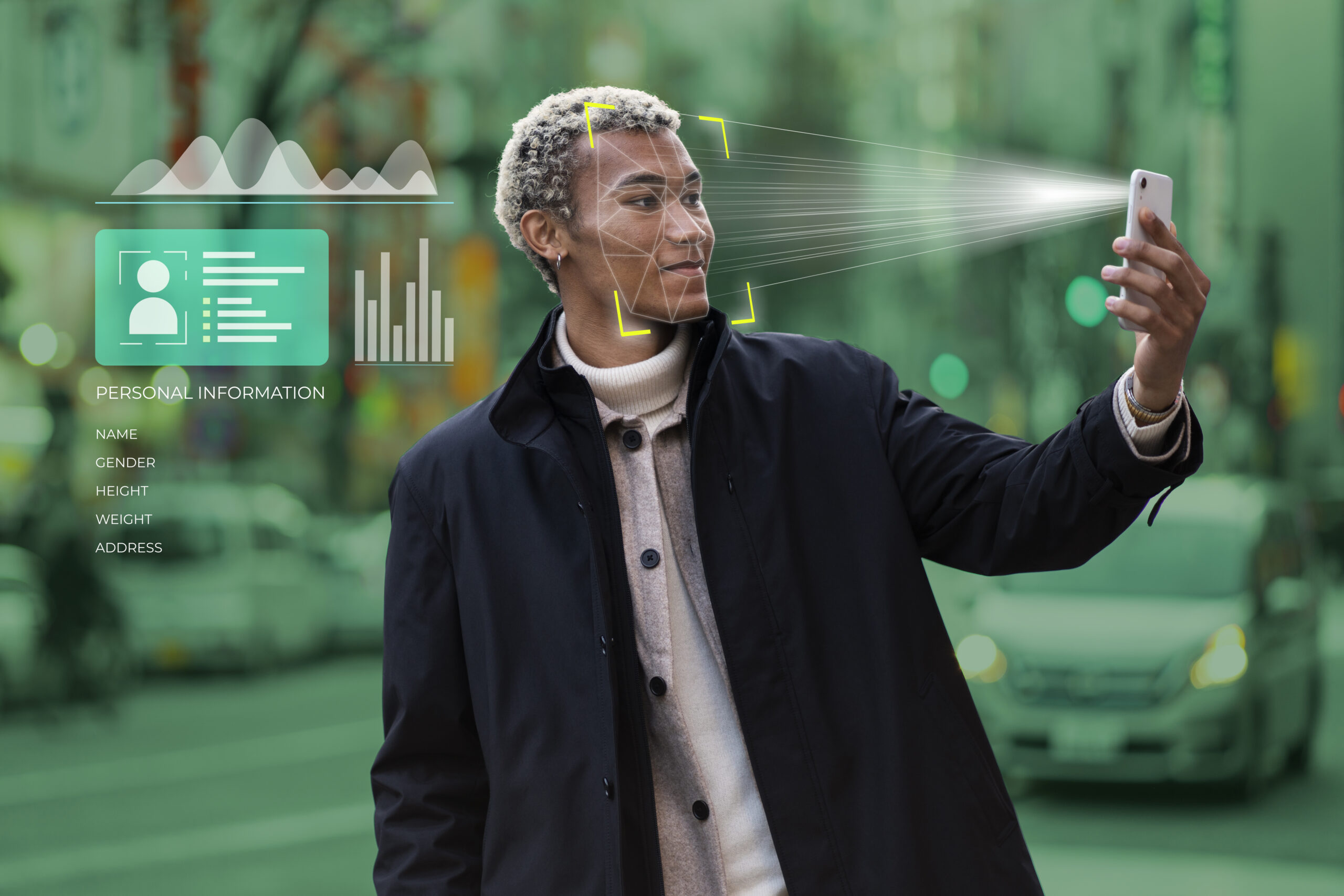
When researching AEO, the conversation is mostly dominated by software companies. Almost every article explains AI visibility reference tools, dashboards, citation tracking systems or prompt monitoring platforms. While these insights are useful, the affiliate operations perspective is what’s missing.
Affiliate marketing is an entire world of its own. To get it right, you need to juggle creator relationships, publisher partnerships, attribution models, commission structures, and compliance rules all at once.
This is where I think affiliate marketing agencies can contribute because they can see patterns across multiple brands, industries, and partnership structures simultaneously.
Why Agencies See AEO Differently
Affiliate agencies are naturally entering the AI conversation because they can see how discoverability is becoming interconnected across different ecosystems rather than existing as separate channels.
I spoke to one of my friends who took a course on from SEO to AEO, and one thing she mentioned caught my attention. Most of the examples in the course focused on software platforms and SEO/AEO tools, but very few discussed how this affects affiliate operations at the agency level.
She brought up affiliate marketing companies like PartnerCentric, Acceleration Partners, and DMi Partners as examples that are paying closer attention to AI visibility through their service lines. These agencies are witnessing firsthand how affiliate, creator, and organic search strategies are starting to overlap.
They’re not just looking at rankings or increases in traffic; they can see:
- Which creators influence consideration
- Which publishers add educational value
- Inconsistent messaging
- Attribution shifts across channels
- Lost discoverability opportunities
This broader perspective is important in AI-driven search because answer engines don’t evaluate channels separately, the way brands often perceive internally.
The Benefit of AI Discovery Services

AI Discovery is becoming a larger conversation inside affiliate marketing. It’s more than just monitoring rankings or backlinks; it’s about understanding how a brand is appearing across AI-generated answers, creator ecosystems, and partner-driven content.
One of the companies that my friend mentioned (PartnerCentric) introduced an AI Discovery service line focused on helping brands improve discoverability across LLM-driven search environments. Using incrementality data, they’re able to make smart decisions with partners, such as commission increases and optimizations, and using benchmarking tools across clients.
As AI platforms become a larger part of discovery, affiliate programs need to think beyond rankings and acquisition. The brands that succeed will invest in AI discoverability, credibility, and interconnected digital ecosystems. In many ways, AEO is forcing affiliate marketing to become more holistic.
AI Engines Reward Affiliates Who Add Real Value

I’ve worked on campaigns where affiliate performance was impressive on paper because the traffic numbers were high.
But once we dug deeper to evaluate the customer journey, it was obvious that some affiliate partners were capturing users long after they already decided to make the purchase. These partners were positioned close enough to checkout to capture attribution and take credit for the sale.
That’s because answer engines favor usefulness more than interception. If a creator is educating consumers, influencing consideration, comparing products or services by adding contextual insight, AI will value and surface that content. If they’re just trying to hijack a click at the checkout page, the bot will automatically ignore them.
Smart agencies are looking at business this way. PartnerCentric, for example, built much of their positioning based on which partnerships bring in new customers, and which ones just pop up at the last second to grab a commission. Their FUSE technology helps manage these affiliate programs and gets rid of messy tracking data to show brands exactly which creators are driving revenue and which ones are just click-stealing.
In some way, AI search is forcing the entire industry to evolve, and the affiliate partners that are most likely to survive and gain long-term visibility are the ones contributing real expertise and a trustworthy perspective.
Information Consistency in AI-Driven Search
Both brands and affiliate marketers need to understand how important information consistency is in AI-driven search environments. AI platforms are constantly looking at the entire information ecosystem of a brand to generate an answer, such as:
- Affiliate content
- Creator discussions
- Client testimonials
- PR mentions
- Website copy
- Conversations via social
- Publisher authority
- First-party brand information
All these signals need to be connected, and if they feel repetitive or inconsistent, the trust level decreases.
I’ve actually witnessed this first hand in digital marketing with fast-growing brands. An internal team describes a product in one way, then influencers talk about it using different messaging. And even worse, some affiliates will exaggerate claims just for conversions. Before you know it, your brand’s identity becomes fragmented online.
Us humans (especially digital marketers) can piece those inconsistencies together, but AI bots can not. So, when AI gathers conflicting information across the web, the algorithm gets confused and won’t recommend a brand. If you want AI engines to trust you, your brand voice has to be uniform.
AEO is Changing The Rules of Affiliate Visibility
As affiliate marketing evolves with the growth of AI, it’s being forced to deal with a problem the industry has dealt with under the surface for many years: affiliate content often focused on high rankings instead of meaningful information.
As long as a page was optimized well enough, traditional search engines favored it. Website traffic came through even if content didn’t add anything new to the conversation. But AI engines don’t completely align with this strategy and change the economics of visibility.
AI platforms don’t need 10 articles about the “best hotel in Paris” rewritten from the same top-ranking pages because it can summarize and identify the similarities within a split second. The real challenge is original insight, trusted expertise, contextual depth, and corroborated brand messaging.
Marketing professionals are recognizing the importance of AEO in affiliate programs. I came upon a recent Reddit discussion about AI search and affiliate visibility. It had dozens of marketers asking the same question: “What makes content discoverable in AI search?” Instead of pure rankings and mechanics, the conversation is moving towards informational trust and AI discoverability.
This conversation is being discussed from a tool perspective, but I think it’s lacking the agency-side operational perspective. With the right agency support that specializes in AI discoverability, brands can actually understand partnership ecosystems, creator attribution, and incrementality at scale.