


- Why Consider Alternatives to Metro by T-Mobile?
- Best Metro Cell Phone Alternatives at a Glance:
- Visible: Best Overall Unlimited Alternative
- Total Wireless: Best for Families & Multi-Line Savings
- Cricket Wireless: Best AT&T-Powered Option
- Mint Mobile: Best Value on T-Mobile’s Network
- How to Choose the Right Alternative
- Tips for Switching
Last Updated on March 25, 2026 by Ewen Finser
Metro by T-Mobile has solid prepaid plans on a strong network, but in my experience, they’re not always the best fit for every user. Having tested multiple carriers across urban, suburban, and rural areas, I’ve seen firsthand how coverage, hotspot performance, and plan flexibility can vary. For someone who streams video, relies on hotspot data, or manages a multi-line household, certain alternatives offer better performance or more consistent costs.
Why Consider Alternatives to Metro by T-Mobile?
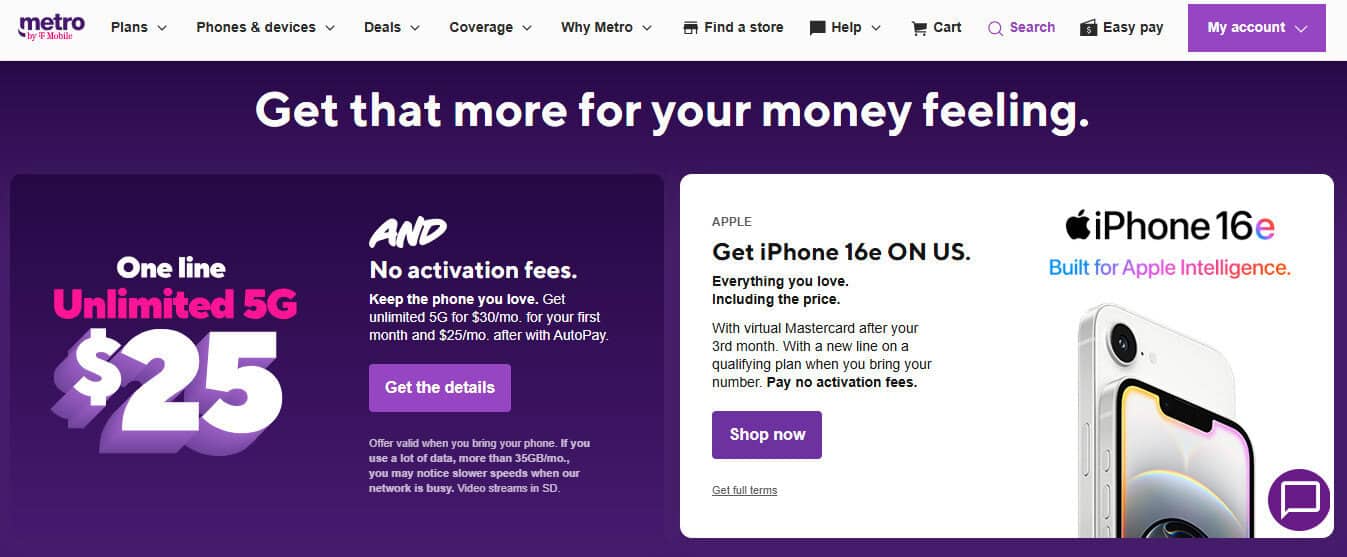
When I first started comparing carriers, I noticed that Metro’s prepaid plans are straightforward, but there are situations where alternatives make more sense. MVNOs like Visible, Total Wireless, and Mint let you leverage the networks of major carriers without paying full postpaid prices. Because they don’t operate large retail chains or maintain extensive infrastructure, they can offer lower rates and customizable plans.
After doing some testing, I noticed that the differences between plans often come down to three things: network coverage, plan flexibility, and how the carrier handles heavy usage.
For example, Verizon-based options like Visible and Total Wireless tend to handle high-density data or multiple devices better than T-Mobile in some rural areas I’ve worked in. AT&T’s network, used by Cricket, feels more consistent for families who rely on multi-line plans, especially when coverage matters more than raw speed. On the other hand, T-Mobile-based MVNOs like Mint give you excellent 5G coverage in cities at a very low cost, but you have to be mindful of hotspot limits or deprioritized data during congestion.
As someone with a background in electronics and a lot of hands-on experience testing mobile devices, I’ve found that the “right” carrier is often a balance between what your usage pattern demands and how much flexibility you want in your plan. Heavy data users, multi-line households, budget-focused users, and travelers all have different priorities, and the carriers I’ll discuss reflect that variety.
Best Metro Cell Phone Alternatives at a Glance:
Carrier | Network | Best For | Key Strengths | Main Drawbacks |
Verizon | Unlimited data users & hotspot needs | True unlimited data, hotspot on all plans, strong Verizon coverage, simple pricing with taxes/fees often included | No in-store support; base plan may be deprioritized during congestion; limited family discounts | |
Verizon | Families & multi-line savings | Strong multi-line discounts, hotspot options, reliable Verizon coverage, occasional price-lock deals | Single-line pricing not always the cheapest; perks depend on plan tier; customer service quality may vary | |
AT&T | Families wanting reliable nationwide coverage | Competitive multi-line pricing, solid AT&T network, perks on higher-tier plans | Hotspot not included on some plans; higher tiers can get pricey for single lines; video streaming may be capped | |
T-Mobile | Best value pricing | Very low effective monthly cost when prepaid, hotspot on many plans, strong 5G in urban/suburban areas | Requires paying 3 – 12 months upfront; data may be deprioritized during congestion |
Visible: Best Overall Unlimited Alternative
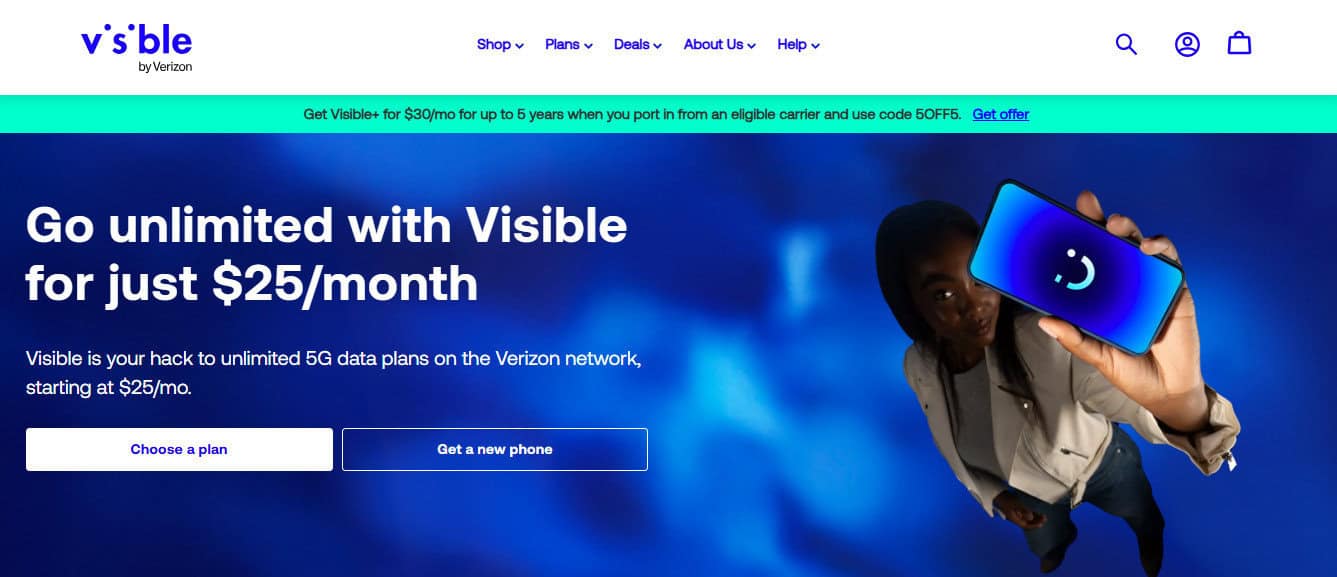
I’ve spent a lot of time testing Visible across both urban and rural settings, and it consistently performs well on Verizon’s network. What stands out is how reliable the coverage is, especially in areas where T-Mobile can be spotty. I’ve used it for everything from streaming multiple videos on a hotspot to video calls while traveling, and it held up without dropping connections or slowing excessively. For someone who relies on consistent data, whether for remote work, streaming, or keeping several devices online, Visible is hard to beat among prepaid options.
Full Visible by Verizon review here!
Key Features
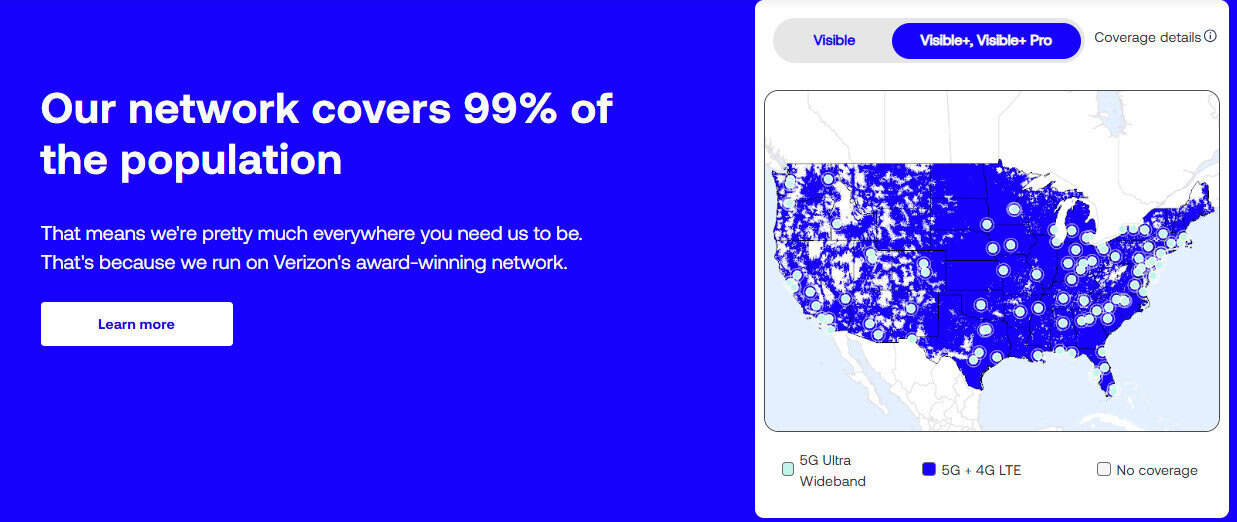
- Verizon’s nationwide 5G and 4G LTE coverage, which is especially solid in rural areas
- Unlimited talk, text, and data on all plans
- Mobile hotspot included, though speeds can be limited depending on the plan tier
- Two main tiers: a base unlimited plan and Visible+ with priority data, higher speeds, and some added perks
- International features for Canada and Mexico on higher plans
Pros
- I rely on Verizon coverage for trips outside the city, and Visible performs well even in areas where T-Mobile struggles
- Unlimited data and hotspot access make it easy to work or stream without constantly monitoring usage
- Taxes and fees are usually included in the displayed price, which keeps the monthly bill predictable
- International talk and text options are helpful when traveling to Canada or Mexico

Try Visible for FREE with their 15-day offer before you switch. No commitment or credit card needed. Terms apply.
Cons
- There are no physical stores, so support is app-based or online, which can be frustrating if you prefer in-person troubleshooting
- On the base plan, data can be deprioritized during network congestion, which I noticed during peak hours
- Family or multi-line discounts are limited compared to other carriers, so households with several lines might not see the best value
Best For
- Heavy data users who need reliable hotspot performance
- People who frequently travel to rural areas or locations with weaker T-Mobile coverage
- Streamers, remote workers, and anyone who values a predictable monthly bill
Total Wireless: Best for Families & Multi-Line Savings
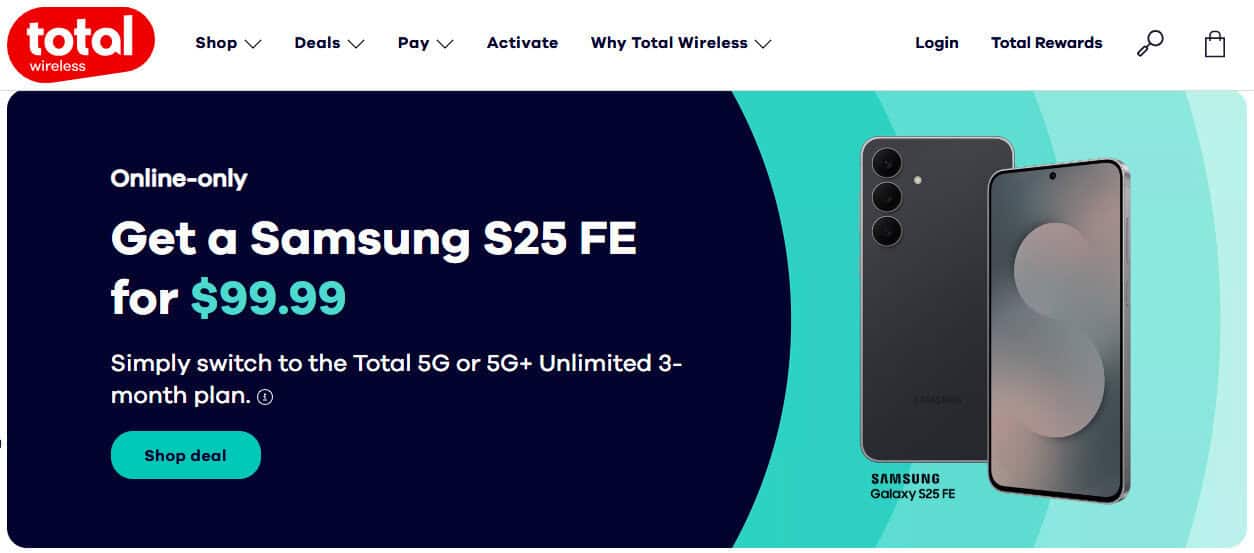
I’ve tested Total Wireless on several household setups, and it’s clear why it works well for families or anyone managing multiple lines. Since it runs on Verizon’s network, coverage is consistently strong, calls stay clear, data remains stable, and hotspot connections rarely drop, even when multiple devices are active at once.
The multi-line pricing is where it really shines; in my own testing with a family setup, adding additional lines lowered the per-line cost significantly compared to Metro or even Visible.
Key Features
- Verizon-powered 5G and 4G LTE coverage, excellent for both urban and rural areas
- Discounts for multiple lines, which makes group pricing very competitive
- Unlimited data plans, with generous hotspot allowances depending on the plan tier
- Occasional perks like entertainment bundles or price-lock promotions

Pros
- Multi-line savings are substantial, adding three or four lines can cut the per-line cost dramatically, which I’ve personally verified
- Reliable Verizon coverage, which I noticed during travel to rural and suburban areas
- Flexible plan lineup with both unlimited and high-data options, allowing households to match plans to individual needs
- Price-lock promotions provide predictable monthly costs for at least a year
Cons
- Customer service can vary by region, and I found that some local stores are better equipped than others
- Certain perks, such as streaming bundles or hotspot speed boosts, require higher-tier plans
- If you only need one line, Total Wireless might not be the most cost-effective option compared to some MVNOs
Best For
- Families or multi-line households who want predictable costs and strong coverage
- Users who need hotspot capabilities across several devices
- Anyone looking for Verizon network reliability without the higher postpaid fees
Cricket Wireless: Best AT&T-Powered Option
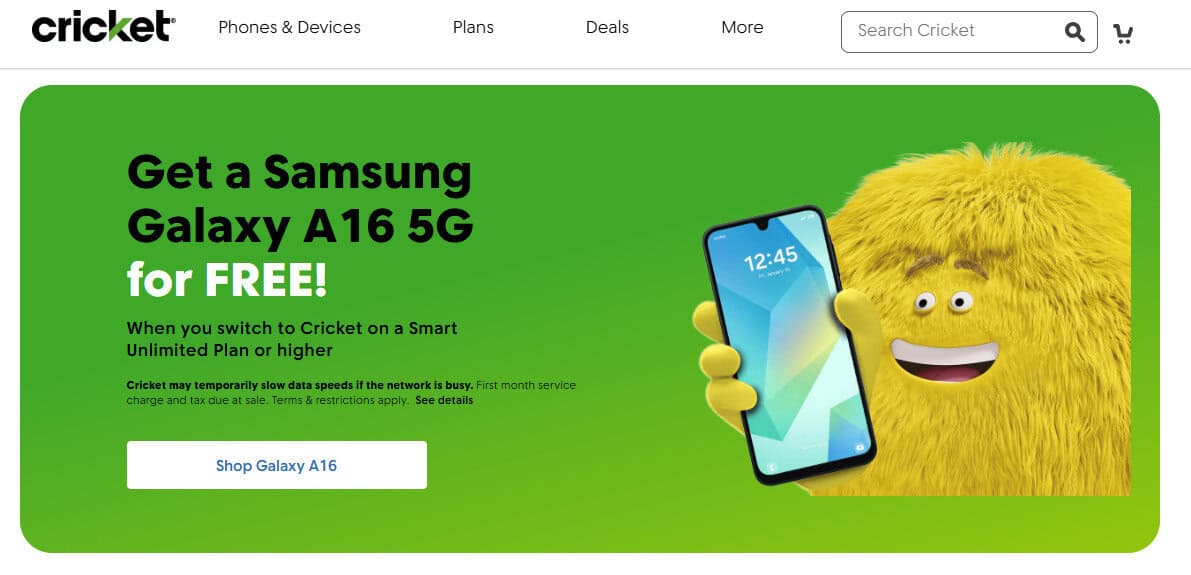
I’ve worked with Cricket Wireless on several multi-line setups, and it’s one of the more predictable AT&T-based prepaid options I’ve tested. The network is reliable in most urban and suburban areas, and I’ve rarely experienced dropped calls or slow data when streaming or uploading files.
What stands out to me is how straightforward the multi-line discounts are. For families or roommates sharing a single account, the cost per line drops quickly, which can make it cheaper overall than Metro if you’re adding multiple devices.
Also read: Total Wireless vs. Cricket Wireless: Which Prepaid Carrier Is Right for You?
Key Features
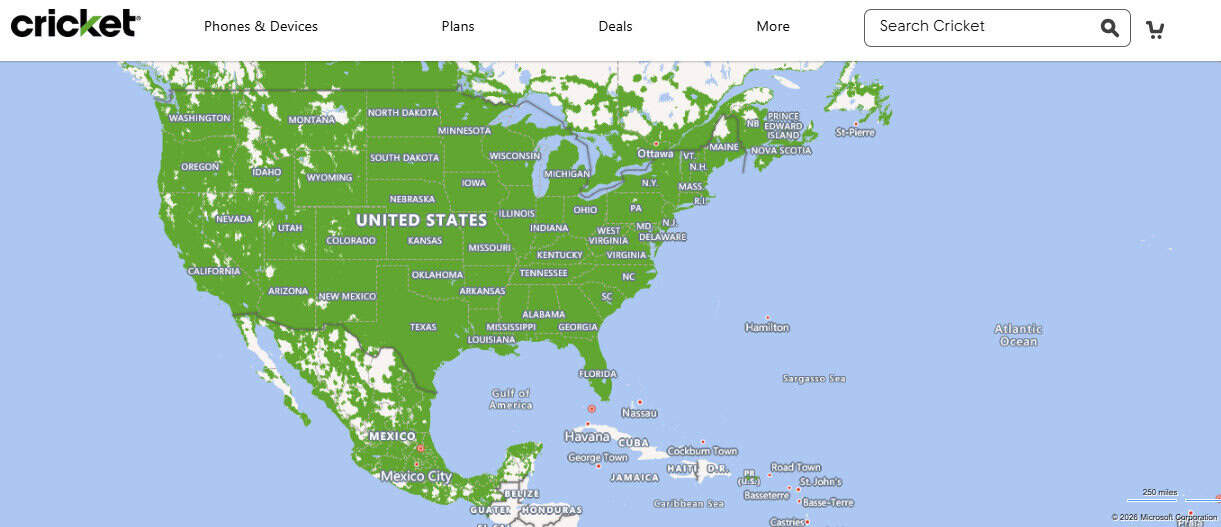
- AT&T nationwide 4G and 5G coverage, which remains consistent across most regions
- Multi-line discounts that reduce the cost per line significantly
- Higher-tier plans include perks like streaming bundles or cloud storage
- Many plans include roaming or texting to Canada and Mexico
Pros
- I’ve found the AT&T network very reliable for both calls and mobile data in suburban and rural areas
- Multi-line discounts make managing multiple devices easier and more cost-effective
- Streaming and cloud storage perks on mid- to high-tier plans add real value if you use those services
Cons
- Lower-tier plans often do not include hotspot data, which limits flexibility if you work remotely
- Single-line users may find higher-tier plans expensive relative to what they need
- Video streaming can be capped at SD quality on cheaper plans, which I noticed during testing
Best For
- Families or groups who need reliable multi-line service
- Users who prioritize consistent nationwide coverage
- Anyone who wants a predictable prepaid plan with some extra perks on higher tiers
Mint Mobile: Best Value on T-Mobile’s Network

I’ve used Mint Mobile extensively in both urban and suburban areas, and it’s consistently one of the most budget-friendly ways to access T-Mobile’s 5G network. What I appreciate (as someone who values efficiency and predictable performance) is that the prepaid “block” system forces you to commit to 3, 6, or 12 months upfront, but in return, the effective monthly cost is often much lower than Metro or many other prepaid options. For casual users or even moderate data users, this can translate into significant savings.
Key Features
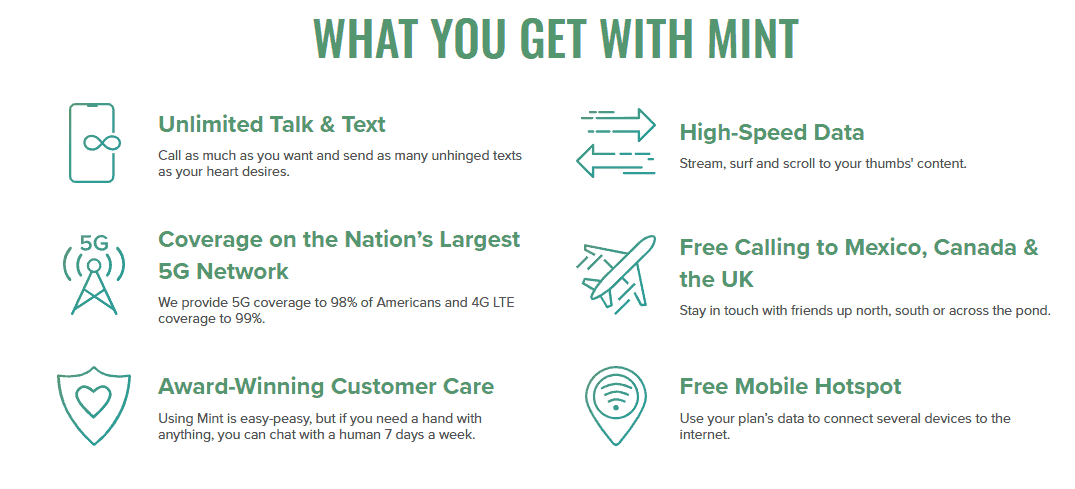
- Runs on T-Mobile’s nationwide 5G and 4G LTE network, which is particularly strong in cities
- Prepaid blocks of 3, 6, or 12 months, which reduce the per-month cost if you’re willing to pay upfront
- Unlimited talk and text on all plans, with generous data allotments on higher tiers
- Hotspot access included on many plans, with allowances depending on the plan tier
Pros
- I’ve found the pricing structure to be extremely cost-effective for anyone willing to prepay, with seasonal promotions often making it even cheaper
- Coverage in urban and suburban areas is strong and reliable for both streaming and mobile hotspot use
- Unlimited plans often include hotspot data suitable for light remote work or casual streaming
- Managing the plan online is straightforward, with a clean portal for tracking usage and making adjustments
Cons
- You must pay upfront for multiple months, which is not ideal if you prefer month-to-month billing flexibility
- On lower-tier plans, data may be deprioritized during periods of congestion, which I’ve noticed when the network is busy
- Hotspot allowances vary by plan, so heavy users may need to carefully consider the tier they select
Best For
- Budget-conscious individuals or families who want solid 5G coverage
- Users comfortable with prepaid multi-month plans to reduce monthly costs
- Anyone who doesn’t need unlimited hotspot speeds but wants a reliable, low-cost option
How to Choose the Right Alternative
Choosing the right Metro alternative means making sure that your coverage, data usage, and plan flexibility are all solid. Coverage, especially, is the most important. Even the cheapest plan is frustrating if calls drop or hotspot speeds are unreliable.
Verizon-powered options like Visible and Total Wireless tend to excel in rural or less densely populated areas, while T-Mobile-powered carriers like Mint deliver excellent 5G speeds in cities. AT&T-powered options like Cricket strike a balance for multi-line households with solid nationwide coverage.
Data usage is the next factor. I often track my own data when streaming video, using hotspots, or syncing devices. For heavy users, unlimited plans with hotspot access are essential, whereas light users may save money by picking a lower-tier plan with throttled hotspot data. Prepaid “blocks” like Mint’s are great if you can commit upfront. I’ve found this saves hundreds over a year compared to month-to-month plans.
Plan flexibility and extras matter too. Multi-line households benefit from carriers with line discounts, like Total Wireless and Cricket. Travelers should consider carriers offering international features, such as Visible+ for Canada and Mexico. Finally, practical details like whether a carrier has physical stores or online-only support can affect your experience. Personally, I prioritize carriers that let me test coverage first or offer money-back guarantees, so I know I won’t get stuck with a poor connection.
Tips for Switching
I’ve learned a few things that make switching smoother. First, always check your phone’s compatibility with the new network. Even if your device works on T-Mobile, it might behave differently on Verizon or AT&T bands, especially for 5G and hotspot performance. I’ve seen cases where phones that seemed fine on one network struggled on another.
Next, plan your number porting carefully. Most carriers allow you to keep your number, but start the process before canceling your old plan to avoid downtime. Testing coverage is also key. I usually run a week of real-world use in my home, work, and travel routes to ensure calls and data stay reliable.
Finally, consider your actual data and hotspot needs, along with any extra perks like international talk or entertainment bundles. Comparing monthly cost is important, but understanding what the plan delivers in practice makes a bigger difference.