


- Top Affiliate Platforms Beauty Brands Rely On Most
- 5 Things Beauty Brands Need From Affiliate Software
- Best Affiliate Software for Beauty
- Everflow (Best for Beauty Workflows, IMO)
- Impact.com
- Refersion
- Partnerize
- ShareASale (Awin)
- CJ Affiliate
- How to Choose the Right Affiliate Platform for Your Beauty Brand
- Summing Up
Last Updated on March 25, 2026 by Ewen Finser
The beauty market moves fast. One new product can blow up in a week. A small creator can sell out a serum with one quick video. Shoppers take their time, though. They watch routines, compare shades, and scroll through reviews on every app they use.
This is why affiliate marketing works so well in beauty. It ties creator talk to real sales. It also shows brands how people actually discover products. But running a program in this space is not always smooth. Shoppers bounce between apps all day. Many skip the link and use a creator code at checkout instead.
I have managed affiliate programs for skincare, makeup, and haircare brands. Some were tiny teams packing orders by hand. Others were mid-sized retailers with long product lines. I tested many tools along the way. A few made creators happy, but missed half the data. Others tracked everything but confused partners during setup. Only a handful worked well for the way beauty buyers behave now.
I’m going to break down what beauty brands should look for in affiliate software. I’ll also share the tools that have held up in real campaigns. From my own work, Everflow has been the most reliable choice. It handles links and codes with no fuss. It also tracks the full shopper path and gives clear reports for both teams and creators.
Top Affiliate Platforms Beauty Brands Rely On Most
Before we get into the details, here’s a quick table to show how the major platforms stack up. This gives you a clean snapshot before we dive deeper.
| Platform | Tracking Strengths | Influencer Support | Ease of Use | Best For | Notes |
|---|---|---|---|---|---|
| Everflow | Links, codes, multi-touch, real-time data | Strong creator workflows | Simple setup | DTC beauty, skincare, makeup | Best balance of data + creator support |
| Impact.com | Very strong attribution | Deep creator marketplace | Complex for new teams | Large retailers | Great for big budgets and many partners |
| Refersion | Clean Shopify tracking | Basic creator tools | Very easy | Small beauty brands | Good for new programs |
| Partnerize | Advanced analytics | Limited creator focus | Mid-level | Enterprise beauty | Ideal for retail + online mix |
| ShareASale (Awin) | Solid link tracking | Light creator tools | Simple | Coupon/offer-heavy brands | Huge affiliate pool |
| CJ Affiliate | Global reach | Traditional affiliate tools | Moderate | Established beauty | Strong for international traffic |
| Rakuten | Robust reporting | Less creator-focused | Enterprise-level | Prestige beauty | Trusted by major names |
5 Things Beauty Brands Need From Affiliate Software
Running an affiliate program in beauty comes with its own quirks. Creators move fast. Trends change overnight. Shoppers split their attention across five different apps. The software you choose has to keep up with all of that. Here’s what actually matters.
#1. Influencer-First Capabilities
Creators sit at the center of the beauty world. Most of the real action comes from micro-influencers who post daily routines, swatches, and honest reviews. Their followers trust them. They also convert at a higher rate than big celebrity accounts.
To support these creators, brands need solid link tracking and strong code tracking. Both matter. A TikTok GRWM creator may drop a link in her bio, but many of her followers will type the brand name into Google later and use her code instead. An Instagram skincare reviewer may rely on a code because links in posts are limited.
If your software only tracks one of these paths, you lose sales data and creators lose credit. Good tools capture everything so the creator feels valued and the brand sees the full result.
#2. Accurate Multi-Touch Attribution
Beauty shoppers rarely buy right away. They see a product on TikTok, save it, then forget about it for a day. Later, they look for shade matches on Instagram or watch a review on YouTube. Only after all that do they check out.
This is why multi-touch attribution matters. It shows the steps a shopper took before buying. It also tells you which creators play a key role early in the journey. Some creators warm the audience. Others seal the deal. When you can see both your payouts and budgets become much easier to manage.
Tracking coupon codes, last-click data, and the full journey makes a huge difference here.
#3. Easy Onboarding for Affiliates
Most creators do not want a long setup. They want to sign up, grab their link or code, and start making content. If the onboarding flow feels confusing, they will drop off fast.
A simple dashboard helps a lot. So does a clean signup link. When creators can see their clicks, sales, and payouts in seconds, they stay active. When they have to hunt for basic info, they lose interest.
Brands save time, too. A smooth onboarding process means fewer emails and fewer support headaches.
#4. Strong Reporting and Fraud Prevention
Beauty traffic can spike in a flash. A single video can push thousands of clicks before lunch. You need reporting that updates fast, so you know what is real and what might be off.
Fraud checks also matter. Bot clicks, fake referrals, and shady coupon sites show up in beauty more often than people expect. Good software flags these problems early and gives you tools to block or limit risky activity.
Clean data keeps your program healthy. It also protects your budget.
#5. Integrations Built for Beauty E-Commerce
Most beauty brands run on Shopify or a similar platform. Your affiliate software should connect to it without extra work. This keeps tracking clean and avoids manual tasks.
It also helps if the platform connects with tools you already use. Paid social tools. Creator platforms. Email systems like Klaviyo and HubSpot. All of these help you shape campaigns and track repeat buyers.
Good integrations save time and reduce mistakes. They also help your brand scale without adding more hands to the team.
Best Affiliate Software for Beauty
I’ve tested all of these tools across real campaigns. Some felt polished. Some felt dated. One or two surprised me. But there was a clear theme: a few platforms truly understand the beauty space, and Everflow has been the one that fits the widest range of needs without a steep learning curve.
Below is how each tool performs in practice.
Everflow (Best for Beauty Workflows, IMO)
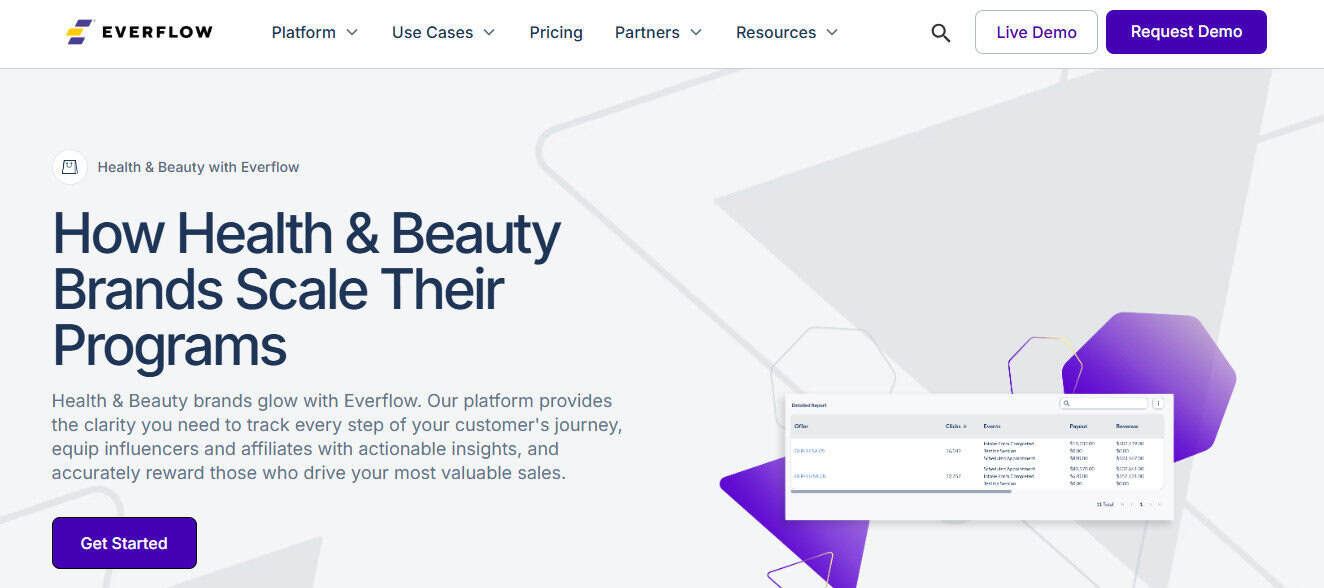
I have used Everflow in several beauty programs over the years. The setup has always been quick. The dashboard feels clear even for small teams. What stood out right away was how well it handles the mix of link clicks and code-based sales. Beauty creators rely on both, so this feature alone solves many headaches.
It also works smoothly with Shopify. This matters a lot, since most beauty brands live there. Tracking fires cleanly, and orders show up fast. The real-time data helps when a creator’s post suddenly gains traction.
Key Features That Help Beauty Teams
- Clean link and code tracking
- Real-time reporting
- Simple campaign settings for influencer programs
- Multi-touch attribution that shows what warmed the buyer
- Fraud checks that flag odd spikes
- Easy partner discovery tools
What It Feels Like to Use
Setting up a creator campaign takes only a few steps. Add the offer. Add the partner. Pick either a link, a code, or both. This helps during fast launches, especially for makeup drops or seasonal skincare kits. Creators can get their materials in minutes.
Pricing Notes
Everflow is not the cheapest tool, but the pricing makes sense for brands that plan to scale. You pay for features you actually use, and most teams outgrow the cheaper tools within a year anyway.
Ideal Use Cases
- Skincare brands with many creator partners
- Makeup brands with fast release cycles
- Subscription boxes with recurring tracking needs
- Luxury brands that rely on accurate attribution
Overall, Everflow has been the most dependable choice for beauty teams that want both data clarity and creator-friendly workflows.
Impact.com
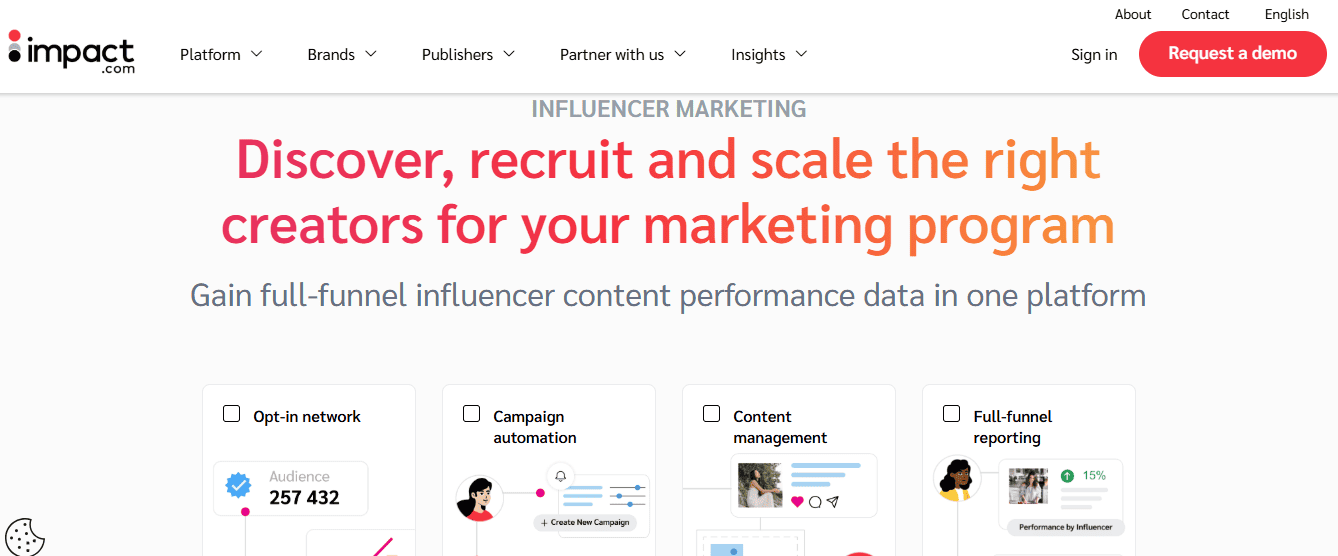
Impact is one of the most advanced platforms in the space. The attribution tools are strong, and the creator marketplace is huge. But the setup can feel heavy for small or mid-size beauty teams.
Strengths
- Great for brands running large partner rosters
- Deep marketplace for creators and publishers
- Strong reporting
Weaknesses
- Steep learning curve
- Pricing can stretch early-stage brands
Best For
Large beauty retailers or brands with big teams.
Refersion
Refersion works well for brands that just want to start fast. The Shopify connection is simple. Creator onboarding is easy. It handles coupon codes with no fuss.
Strengths
- Clean setup
- Good for small DTC brands
- Solid support team
Weaknesses
- Limited attribution depth
- Reporting feels basic compared to Everflow or Impact
Best For
Indie beauty brands and early-stage DTC shops.
Partnerize
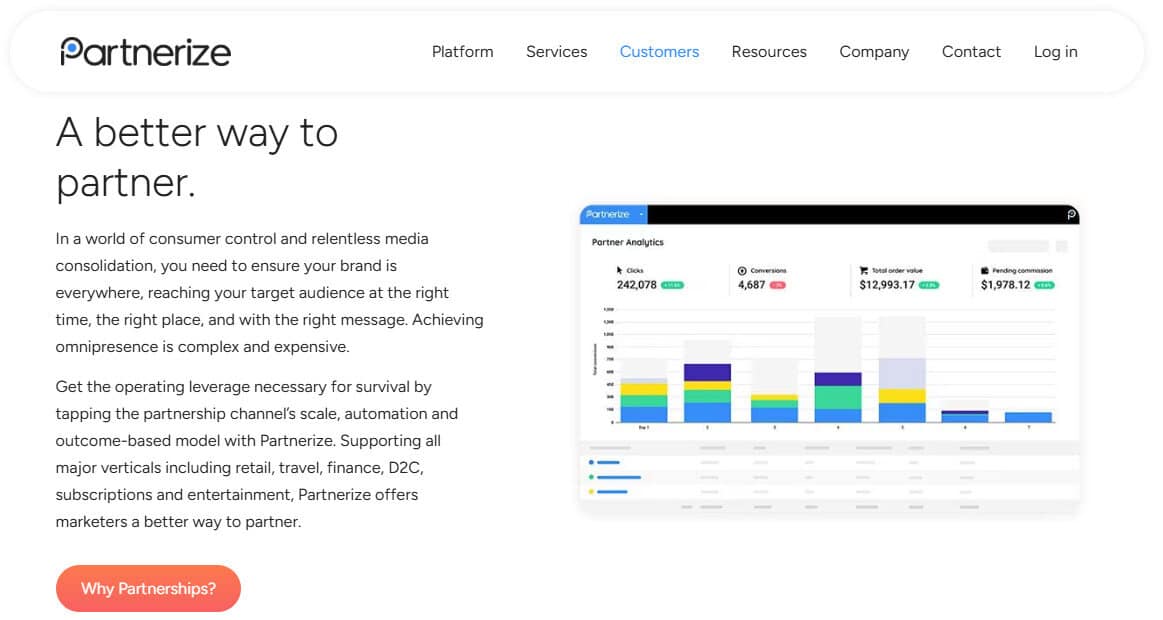
Partnerize is strong on automation and analytics. It works best when a brand has both online and retail sales to manage. It feels more enterprise than creator-first.
Strengths
- Serious analytics
- Automated workflows
Weaknesses
- Not built around influencer use
- Overkill for many DTC beauty brands
Best For
Enterprise beauty brands with multiple sales channels.
ShareASale (Awin)
ShareASale has been around forever. It’s simple and offers access to a huge affiliate pool, especially coupon and cashback sites.
Strengths
- Easy onboarding
- Large affiliate network
Weaknesses
- Light creator tools
- Older UI
Best For
Brands that lean on coupon sites or traditional affiliates.
CJ Affiliate
CJ offers global reach and a well-established network. It works best when a brand wants scale and international partners.
Strengths
- Strong global footprint
- Trusted by many long-running programs
Weaknesses
- Not ideal for TikTok-first or creator-heavy brands
Best For
Established beauty brands expanding into new regions.
Rakuten Advertising
Rakuten has strong reporting and a great reputation. But it is priced for enterprise teams and not ideal for small beauty brands.
Strengths
- Excellent reporting
- Trusted by major prestige brands
Weaknesses
- High cost
- Limited creator workflow support
Best For
High-end beauty and department store partnerships.
How to Choose the Right Affiliate Platform for Your Beauty Brand
Finding the right tool depends on how your brand works, how your creators work, and how complex your tracking needs are. Here are the factors I look at when helping beauty teams pick a platform.
Match the Software to Your Business Size
Your size shapes your needs more than anything else.
- Startups: You need clean tracking and easy onboarding. You also need simple workflows because your team is small. Tools like Refersion or ShareASale can work here, but many startups still choose Everflow when they want to set a long-term foundation.
- Mid-size DTC brands: You need stronger attribution and better creator tools. You also want more control over reporting. This is where platforms like Everflow and Impact tend to shine.
- Enterprise beauty brands: You need advanced data, retail tie-ins, and many partner types. Tools like Partnerize, Impact, or Rakuten fit here. Everflow still works well, especially for DTC-focused divisions.
The key idea is simple. Pick a tool that fits your current size, but can also support the next year of growth.
Consider Where Your Creators Live
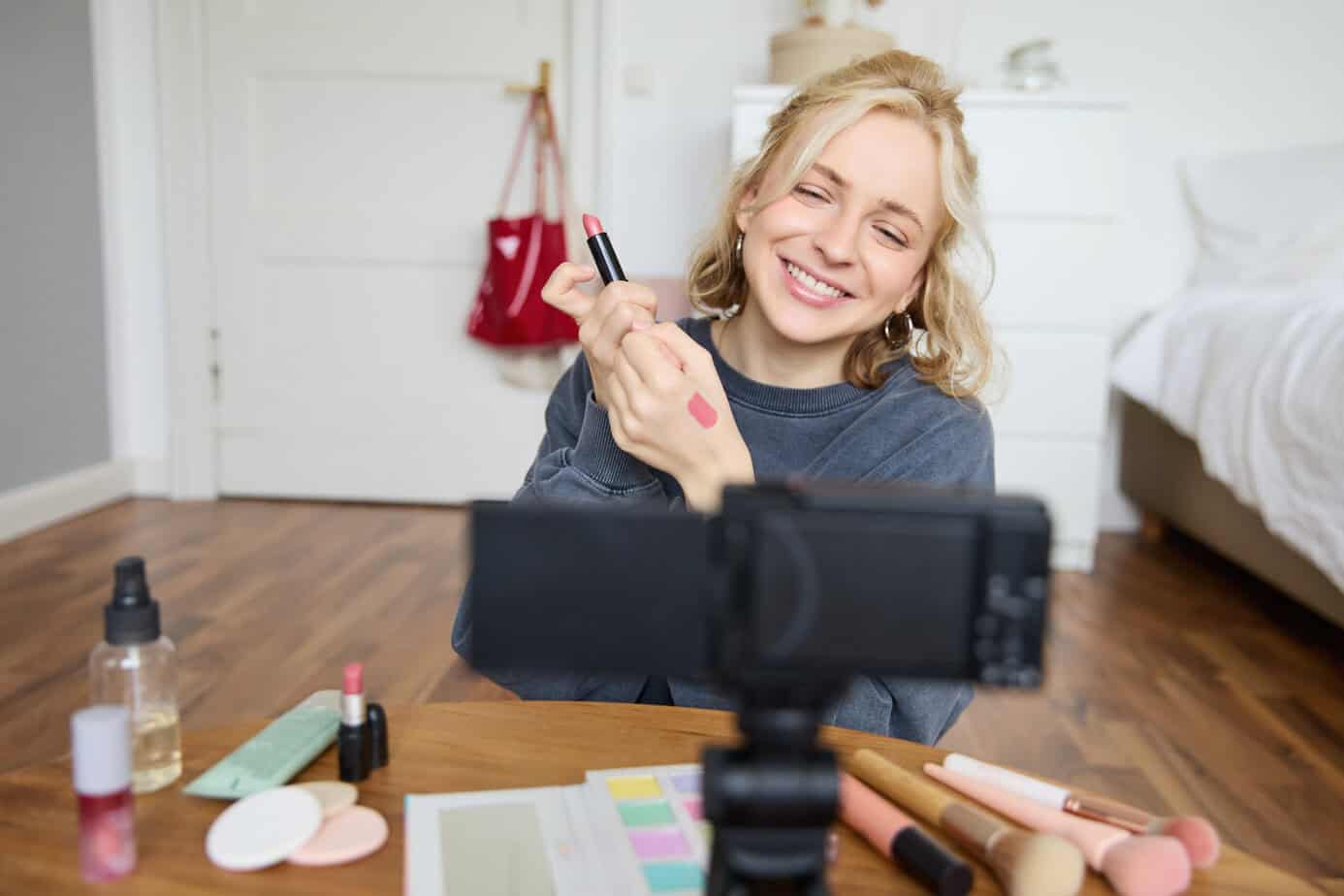
Every creator has a home platform, and each platform behaves differently.
- TikTok drives fast spikes and many code-driven sales.
- Instagram blends link clicks, Story taps, and code use.
- YouTube leans on link clicks in descriptions.
- Blogs deliver long-tail traffic and strong SEO value.
Your software should support the mix you rely on most. If you work with TikTok creators, code tracking is a must. If you use blogs and YouTube, clean link tracking matters more.
Tools like Everflow and Impact cover all of these. Some others lean more toward traditional link-only setups.
Determine What Kind of Attribution Matters Most
Beauty buyers don’t buy right away. They see a serum in a GRWM, then a swatch video, then a review. Good attribution shows all these touches.
If you want to reward creators who warm up the buyer, you need multi-touch attribution. If your focus is speed and simplicity, last-click may be enough.
Everflow handles both well. Other platforms may lean stronger in one direction.
Assess Your Need for Automation or Hands-On Control
Some teams want full automation. Others want manual control.
If you want automated partner approval, payout rules, fraud filters, and instant tracking fixes, look for tools with strong automation. Everflow, Impact, and Partnerize offer these.
If you prefer hands-on control with simple settings, Refersion and ShareASale are easier.
Your team’s working style matters as much as the tool’s features.
Summing Up
Each platform has a clear place in the beauty ecosystem. Some shine in enterprise settings. Some are perfect for small teams. Across all the programs I’ve managed, Everflow has offered the best mix of tracking accuracy, creator ease, and clean data, without making teams jump through hoops.
If the goal is to run a modern beauty affiliate program that supports creators and keeps up with fast-moving buyers, it’s the platform I choose most often.
If you’re ready to test a platform, start with Everflow or try a few of the other tools listed here. Each one brings something useful to the table. The right choice comes down to your team size, your creator mix, and what kind of tracking you need as you grow.