


Last Updated on January 5, 2026 by Ewen Finser
I’ve seen affiliate platforms look great in demos and fall apart the moment a real campaign launches. Especially in health and beauty. This space doesn’t forgive sloppy tracking, vague reporting, or tools that treat influencers like coupon sites. When money, claims, and credibility are involved, the platform has to work. Every day. No excuses.
I’ve watched brands burn time and budget choosing the wrong tools. On paper, everything promises growth. In practice, many platforms weren’t built for subscription products, creator-heavy programs, or repeat buyers. Health and beauty brands need more than basic links and dashboards.
The biggest challenge is fit. A platform that works for a general eCommerce store can quietly fail here. Tracking breaks across devices. Influencers get frustrated. Reporting doesn’t match revenue. And suddenly, the “simple setup” turns into weekly troubleshooting calls.
I’m sharing how I actually evaluate affiliate platforms. Not based on marketing pages. Based on usage, demos, and real programs I’ve seen in action. I’ll walk through what matters, what doesn’t, and where different tools make sense depending on your brand stage.
No hype. No magic growth stories. Just practical insight from time spent inside these platforms, helping health and beauty brands figure out what won’t come back to haunt them three months later.
Why Affiliate Marketing Works So Well for Health & Beauty

Affiliate marketing isn’t just effective in health and beauty. It’s almost built for it. The way people discover, evaluate, and repurchase these products lines up perfectly with how strong affiliate programs work.
Trust Drives Every Purchase
Health and beauty are built on trust and repetition. Most buyers don’t act after one ad. They watch reviews. They compare options. They follow creators who feel honest and informed. Affiliate marketing fits this behavior naturally because it rewards the voices people already trust.
Influencers Matter More Than Ads
Influencers carry real influence in this space. A dermatologist explaining ingredients or a fitness creator sharing results holds more weight than a banner ad. Affiliate programs let brands support these creators without paying upfront for every post. It aligns incentives in a way that paid ads often fail to do.
Repeat Purchases Multiply Results
Many health and beauty products depend on refills or subscriptions. A well-run affiliate program doesn’t stop at the first sale. It keeps driving returning customers. Over time, this pushes lifetime value well beyond what single-click campaigns deliver.
General Platforms Miss the Mark
Not every affiliate platform is built for this. Many focus on simple link tracking and coupon traffic. Health and beauty brands need more. Cross-device tracking matters. Influencer workflows matter. Reporting must show real revenue, not vanity metrics.
Compliance Isn’t Optional
Claims, disclosures, and attribution carry more weight here. Platforms must support transparency and proper disclosures. Tools that work around compliance become liabilities fast. In health and beauty, shortcuts always show up later.
How I Evaluate Affiliate Platforms
I don’t trust feature lists. I trust friction. If a platform causes problems early, it only gets worse later.
Here’s what I look for every time.
- Ease of use: If the setup feels like assembling furniture without instructions, that’s a red flag. Brands delay launches when tools feel heavy. Clear onboarding wins.
- Tracking accuracy: Health and beauty shoppers bounce between devices. If tracking can’t keep up, reporting becomes guesswork. That’s never acceptable.
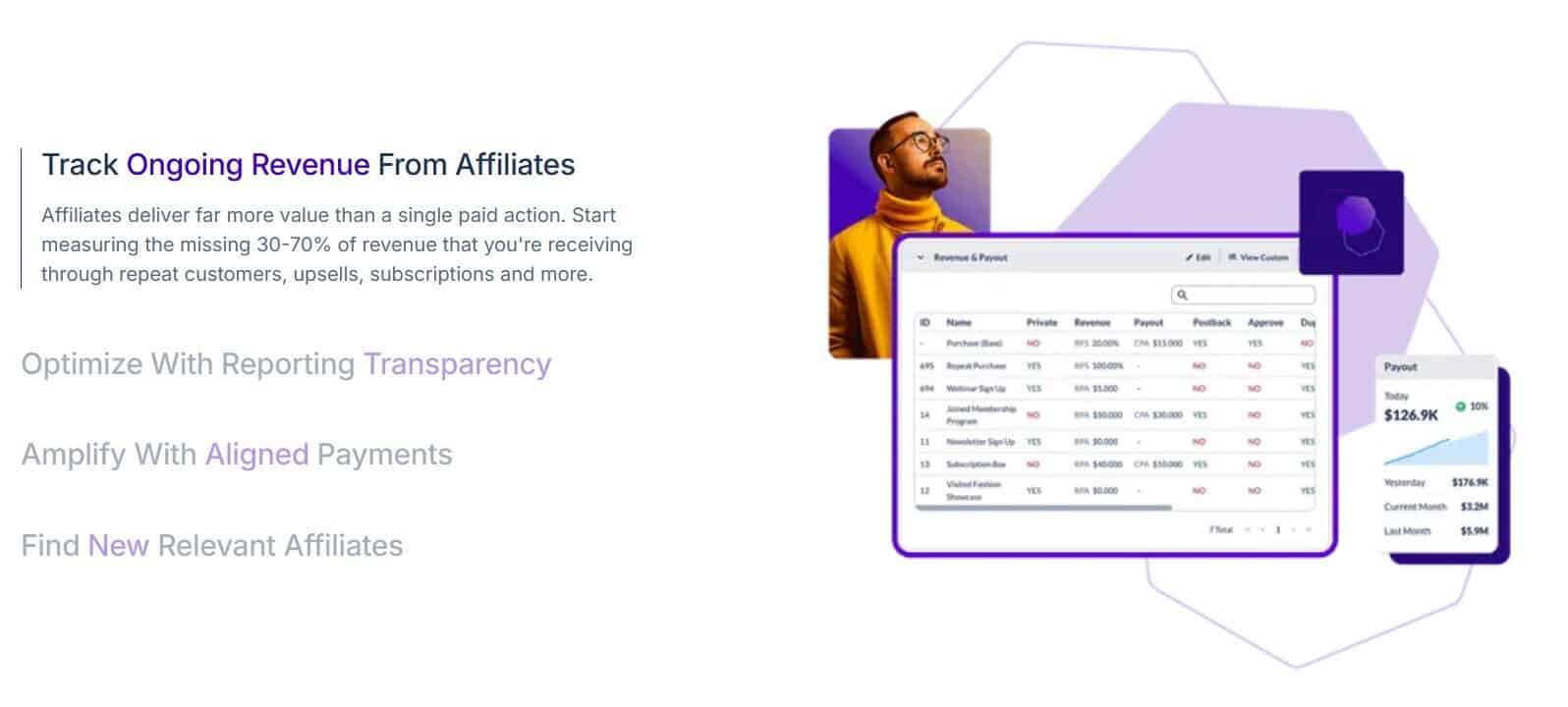
- Reporting that makes sense: I want answers, not charts. Which partners drive repeat buyers? Who actually makes money? If I can’t see that quickly, the platform fails.
- Partner management tools: Influencers aren’t coupon sites. Bloggers aren’t paid media buyers. Platforms need flexibility here, or partnerships suffer.
- Compliance support: Disclosure tracking and transparency aren’t optional. Platforms should support clean programs, not work around rules.
- Support and onboarding
Some platforms vanish after signup. Others stay involved. I’ve learned which ones scale better long-term. - Pricing that grows with you: Health and beauty brands don’t grow in straight lines. The platform should handle that without penalties.
These criteria shape everything I recommend next. No shortcuts. No guessing.
Best Affiliate Platforms for Health & Beauty Brands
Before diving in, one quick note. None of these platforms are “bad.” The difference is fit. Some work beautifully for influencer-heavy brands. Others shine inside traditional eCommerce stacks. I’m sharing how they actually behave once campaigns are live.
Everflow – Best Overall for Health & Beauty
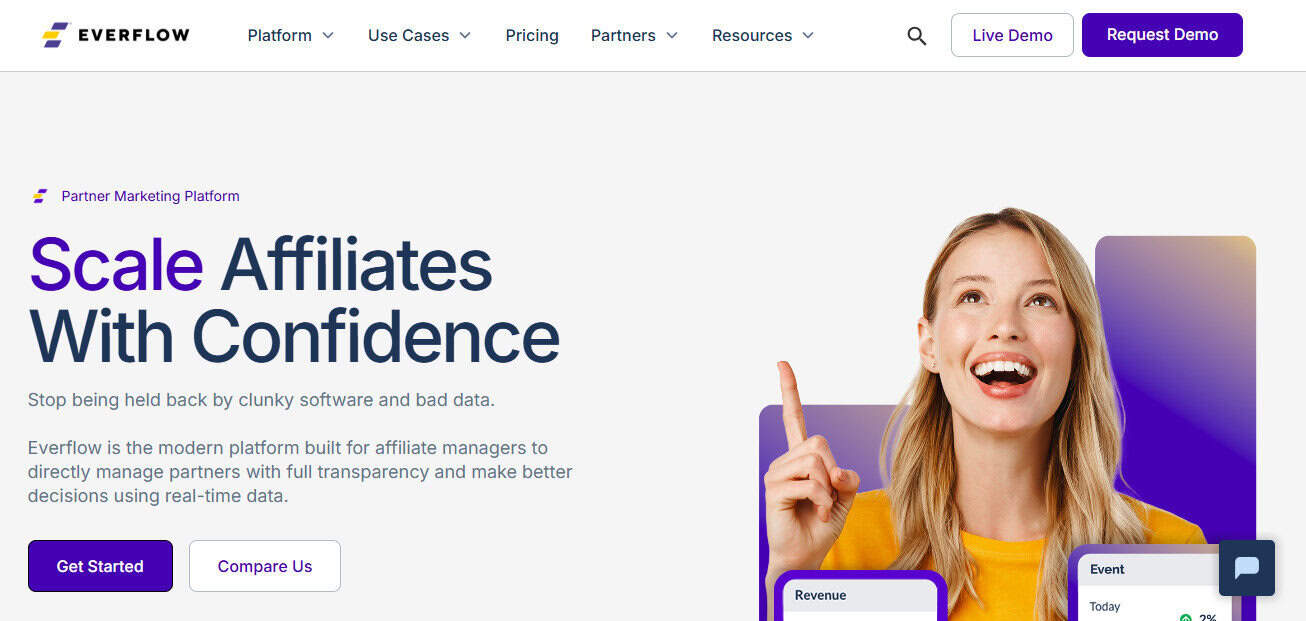
Everflow is one of the few platforms that felt intuitive from day one. Setup was clean, the dashboard made sense, and partner workflows didn’t require constant explanation. I’ve used it in demos, live programs, and test environments, and it stayed consistent across all three.
Why It Works
Everflow works for early-stage brands and scaling teams because it doesn’t box you in. You can start simple, then layer complexity as needed. That flexibility matters in health and beauty, where programs evolve quickly.
Real-World Use Cases
I’ve seen Everflow handle influencer-heavy campaigns with mixed traffic sources without breaking attribution. It also performs well when order volumes spike, which is common during launches or promos.
What Stands Out
Reporting is clear and transparent. Attribution rules are flexible. Tracking can be customized without engineering headaches. I rarely feel like I’m fighting the platform.
Access & Onboarding
Demos are easy to get, and I’ve found the onboarding process practical rather than overwhelming. You can actually test ideas instead of guessing.
My Take
If I had to pick one platform that causes the fewest long-term regrets, this is it. Not flashy. Just solid.
Refersion – Great for eCommerce-First Health Brands
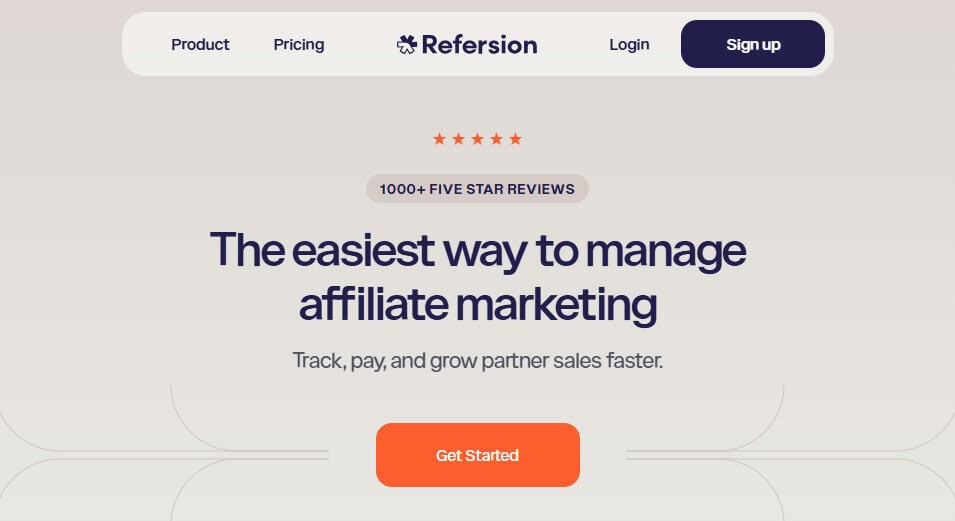
Refersion feels familiar if you live inside Shopify or Magento. I’ve used it mostly with brands where the store is the entire ecosystem.
Why It Works
The platform integrates smoothly with eCommerce stacks. If your affiliate program supports your store rather than drives complex partnerships, Refersion fits naturally.
Real-World Use Cases
I’ve seen smaller health brands launch programs quickly using Refersion, especially when working with a limited number of influencers or ambassadors.
What Stands Out
Onboarding is fast. Influencer tools are accessible. You don’t need weeks of setup to get moving.
Where It Falls Short
Reporting depth is lighter than Everflow. Attribution options are more limited. It’s best when traffic sources are predictable.
Impact – Strong for Enterprise and Large Budgets
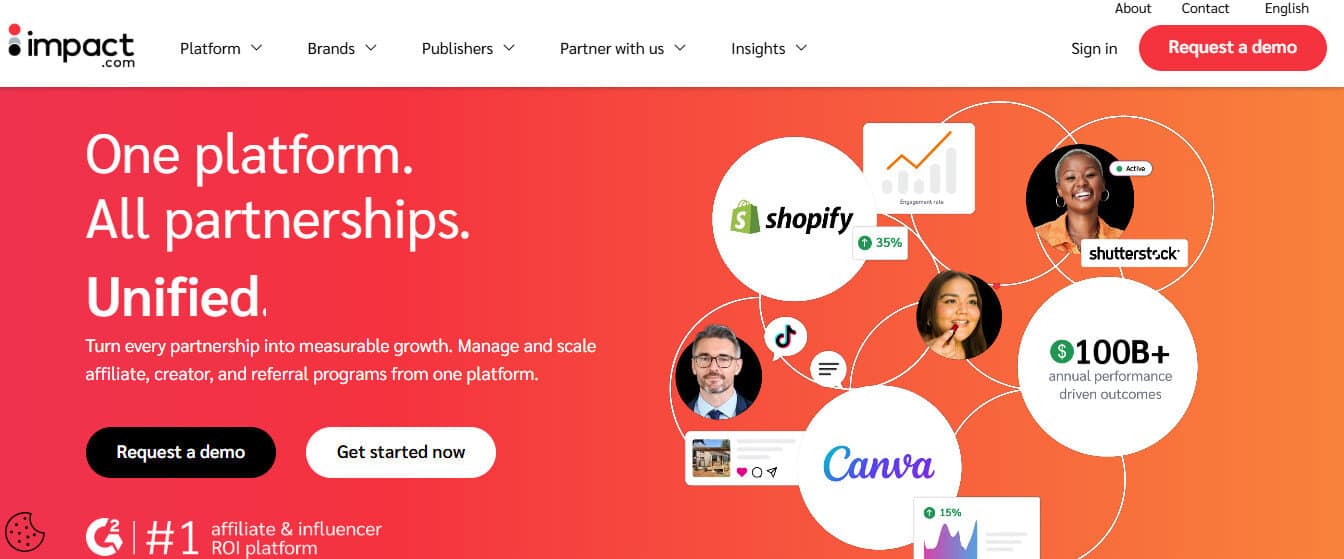
I’ve mostly encountered Impact inside large organizations with dedicated affiliate teams. It’s powerful, but not lightweight.
Why It Works
Impact has one of the deepest partner ecosystems available. Attribution models go far beyond basics, which matters at scale.
Real-World Use Cases
Enterprise health brands running global programs tend to use Impact well. It shines when multiple channels and regions are involved.
What Stands Out
Reporting is extremely detailed. You can slice performance data almost any way you want, if you know what you’re looking for.
Things to Consider
Pricing reflects its target audience. Smaller teams often find it heavy, both operationally and financially.
ShareASale – Established Network With Broad Reach

ShareASale has been around longer than most platforms I’ve used. That history shows up in its publisher base.
Why It Works
Many bloggers and niche health sites already operate on ShareASale. That lowers friction when recruiting content partners.
Real-World Use Cases
I’ve vetted wellness blogs, review sites, and comparison publishers here with solid results, especially for content-driven programs.
What Stands Out
Its network reach is the main strength. You’re tapping into an existing ecosystem rather than building from scratch.
Limitations
The interface feels dated. It works, but it doesn’t feel modern. For some teams, that’s fine. For others, it slows momentum.
Partnerize – Great for Influencer-Centric Brands
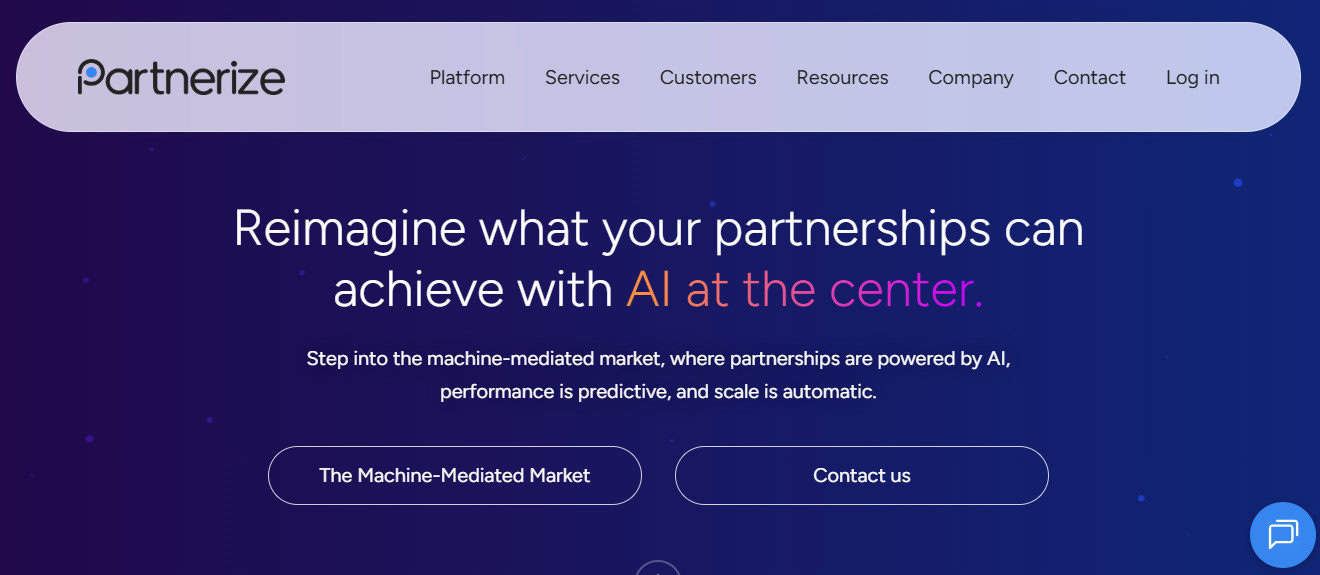
Partnerize works best when influencer relationships are complex and numerous. I’ve seen it used effectively in global creator programs.
Why It Works
Automation tools help manage large influencer rosters. Approval flows and tracking are designed for scale.
Real-World Use Cases
It performs well when brands run layered partnerships across regions or campaigns with strict controls.
What Stands Out
Influencer workflow automation is strong. It reduces manual work when programs grow large.
Things to Consider
Onboarding takes time. Costs can climb. Support quality depends heavily on the account tier.
Other Notable Mentions
Platforms like Awin, Rakuten Advertising, and CJ Affiliate still show up in certain programs I review.
Why They Work
They’re strong in specific regions or traditional affiliate ecosystems. Some publishers still prefer them.
Real-World Use Cases
They make sense for international reach or legacy affiliate models.
Limitations
They’re less ideal for influencer-first strategies or modern creator workflows.
How to Choose the Right Platform for Your Brand
Choosing an affiliate platform isn’t about picking “the best one.” It’s about picking the one that fits where your brand is right now. I’ve seen great tools fail simply because they were chosen too early or too late.
If You’re a Startup or Early Stage
At this stage, speed matters more than complexity. You need something easy to launch, easy to manage, and forgiving if you change direction. Look for clean onboarding, simple partner workflows, and pricing that won’t punish experimentation. You’re learning. The platform should support that.
If You’re a Growth Brand
This is where cracks start to show. Tracking accuracy, attribution logic, and reporting depth suddenly matter. You’re likely adding influencers, testing new channels, and pushing subscriptions. The right platform here should scale without forcing a full rebuild six months later.
If You’re an Enterprise or Multi-Channel
Large teams need structure. Permissions, advanced reporting, and automation become essential. You’ll benefit from deeper integrations and more complex attribution, but only if you have the people to manage it.
Questions I Always Ask Before Signing Up
- Can this platform grow without breaking?
- How clear is partner-level reporting?
- What does support look like after onboarding?
- How painful is switching later?
My 30-Day Post-Launch Checklist
- Validate tracking with real orders
- Review attribution settings early
- Recruit partners immediately
- Test payouts before scale
- Document workflows before things get busy
Getting this right early saves months later.
Affiliate Program Setup Checklist for Health & Beauty
Running an affiliate program in health and beauty can spiral fast. One day, you’re excited about creator partnerships. The next, links aren’t tracking, creators are DM’ing you the same question in three different ways, and you’re quietly wondering why paid ads suddenly felt simpler.
I’ve learned this the hard way: the fix is rarely another tool. It’s usually a clearer, more human process.
Choose Partners Who Actually Make Sense
Big follower counts look impressive on paper. They rarely tell the full story. I’ve seen creators with 20k followers outperform someone with 500k, simply because their audience actually listens.
For health and beauty, this usually means people already talking about routines, results, and real experiences. Skincare creators showing their morning routine. Fitness creators explaining what they actually take and why. Wellness bloggers who explain things in plain language.
A good gut check: if their content already sounds like a recommendation from a friend, you’re probably on the right track. If it feels forced, scripted, or purely sponsored, sales usually follow the same pattern.
Keep Commissions Easy to Understand
If your commission structure needs a chart, a footnote, and a follow-up email, it’s too much.
Start simple. A clear percentage or flat rate works just fine in the beginning. I’ve watched creators lose interest simply because they couldn’t quickly understand how they were getting paid.
You can always optimize later. Early on, clarity beats cleverness every time.
Give Creators What They Need (Not More)
Most creators don’t want a 20-page brand guide. They want usable stuff.
Clean product photos that they can post without editing. Short video clips they can repurpose. A few talking points so they don’t accidentally miss something important.
I’ve seen campaigns stall because creators were overwhelmed with instructions. I’ve also seen them take off because posting felt easy. When creators don’t have to think too hard, content actually goes live.
Test Everything Before You Launch
This step is boring. It’s also where most problems start.
Click your own links. Go through checkout. Test subscriptions. Try it on your phone. Try it on a desktop. Pretend you’re a distracted customer and see what breaks.
Broken tracking doesn’t just lose sales. It creates awkward conversations with creators who did the work and didn’t get credit. Once trust slips, it’s hard to get back.
Start Small, Then Scale
You don’t need fifty affiliates on day one. You need a few good ones.
I like starting with a small group, watching how communication flows, seeing how reporting looks, and fixing issues while the stakes are still low. Once the system feels solid, scaling is much less stressful.
Trying to grow before the basics work usually just magnifies the problems.
Track Results, But Also Watch Behavior
Yes, numbers matter. But patterns matter too.
Who posts on time without reminders? Who asks smart questions? Who gives feedback that actually improves the program? Who disappears after onboarding?
Those details don’t show up neatly in dashboards, but they tell you exactly who to invest in long-term. The best programs I’ve seen weren’t built on volume. They were built on reliable partners and clear processes.
Common Mistakes Brands Make with Affiliate Platforms
I’ve made some of these mistakes myself. Most brands do. The problem isn’t the mistake itself, it’s repeating it.
Rushing the Setup
Affiliate platforms aren’t plug-and-play, even when they claim to be. Skipping setup steps leads to broken tracking and messy reporting. That confusion spreads fast.
Treating Compliance as an Afterthought
Health and beauty brands can’t afford this. Disclosures, claims, and attribution matter. Platforms should support clean practices, not work around them. Fixing compliance issues later is always harder.
Ignoring Attribution Settings
Default settings are rarely ideal. Long buying cycles need longer tracking windows. Influencer-driven sales need smarter attribution. If you don’t adjust this early, the data becomes misleading.
Underestimating Partner Recruitment
Partners don’t magically appear after launch. Recruiting, onboarding, and activating affiliates takes time. Platforms don’t replace relationships. They support them.
Expecting Instant Results
Affiliate programs build momentum. Brands that quit early usually never fixed the basics. Once foundations are solid, growth tends to follow.
What I’ve Learned the Hard Way
Slow setup beats fast cleanup. Clear tracking beats flashy dashboards. And the right platform feels boring in the best way…it just works.
Final Thoughts
Affiliate marketing in health and beauty isn’t some marketing gimmick, it actually works! Done right, it builds trust, drives sales, and keeps customers coming back. From my experience, Everflow hits a sweet spot: flexible, reliable tracking, and workflows that actually make life easier for influencers. Platforms like Refersion or Impact have their own strengths too; it just depends on where your brand is and what you need.
Don’t choose a platform just by looking at a feature list. It might look shiny, but real value comes from how it handles actual campaigns. Run a small test. Check the reporting. Talk to support. Watch how it manages your day-to-day. That hands-on experience tells you way more than a demo ever could.
If you’re ready to jump in, start small but smart. I’ve found Everflow especially dependable for brands looking to scale in health and beauty, and their demos make it easy to explore without committing. Run a mini-campaign, review the results, involve your team, see it in action before going all-in.
Test other platforms too, but make testing non-negotiable. And don’t forget: affiliate marketing works best when knowledge is shared. Ask questions, swap experiences, and learn from others. Your program will be stronger for it, and your sanity might thank you too.