


Last Updated on August 3, 2026 by Ewen Finser
While Seel and Redo offer similar features as post-purchase protection add-ons, there are important distinctions between them.
Both tools reduce support volume and make post‑purchase experiences more predictable. However, there’s significant overlap around shipping protection, returns, and the way claims are handled for shoppers. They take notably different approaches to risk and product scope, and their operational complexity also differs depending on use case.
Seel is positioned primarily as a post‑purchase protection platform that lets shoppers pay a small fee at checkout to unlock flexible returns (including many final‑sale items), shipping protection, and extended product coverage, while Seel processes covered claims and absorbs the underlying risk.
Meanwhile, Redo is a broader operational platform built around returns, claims, and customer experience, with optional package protection layered into a more comprehensive suite that also spans support, order tracking, marketing, and fulfillment.
Seel vs. Redo: At a Glance
Seel | Redo | |
Core positioning | Focused post‑purchase protection platform centered on shipping protection, flexible returns, and extended warranties. | Broad post‑purchase operations platform featuring returns/claims, package protection, support, tracking, marketing, and fulfillment. |
Funding model | Shopper‑paid fee at checkout for all coverage types. | Package protection can be merchant‑funded or shopper‑funded. Return flexibility is shopper-funded. |
Shopper claims and return experience | Standardized, self‑serve resolution center for claims and returns. | Merchant‑branded portals for returns and package protection; shoppers interact directly with the brand’s environment and policies, with Redo providing the underlying tooling. |
Use cases | Best suited to merchants who want a unified post‑purchase protection layer (shipping protection, flexible returns, warranties) that plugs neatly into an existing stack and offloads risk and claim work. | Best suited to merchants who want to combine post‑purchase workflows with CX, tracking, and marketing. |
Shipping Protection
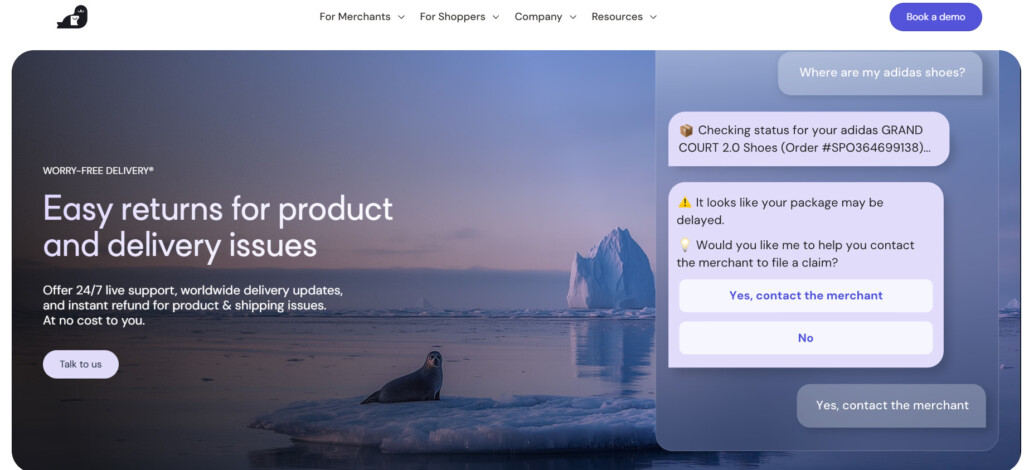
Seel’s Worry‑Free Delivery provides shipping protection against loss, damage, and delivery issues, funded by a small shopper fee at checkout. Claims are handled by Seel’s own resolution center, with Seel agents approving or denying requests and issuing refunds or replacements for covered events.
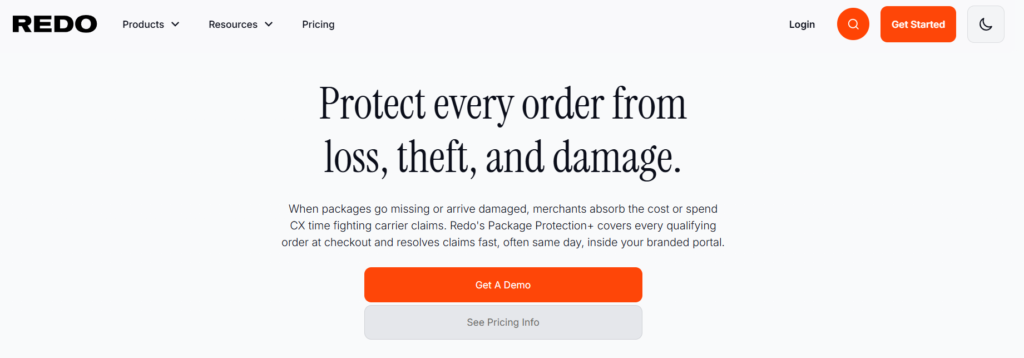
Similarly, Redo’s Package Protection and Package Protection+ services cover qualifying orders against loss, theft, and damage, with claims handled via the Redo portal.
However, under the basic Package Protection program, Redo agents don’t handle claims in the way Seel’s do. As a merchant, you’ll need to review submissions yourself and decide how to respond based on the reports and photos uploaded by the customer. This gives you more control over the process, but it also requires a greater level of active involvement on your part.
Redo’s Package Protection+, on the other hand, allows you to outsource approval and resolution to the Redo team, as you would with Seel.
Claims Experience
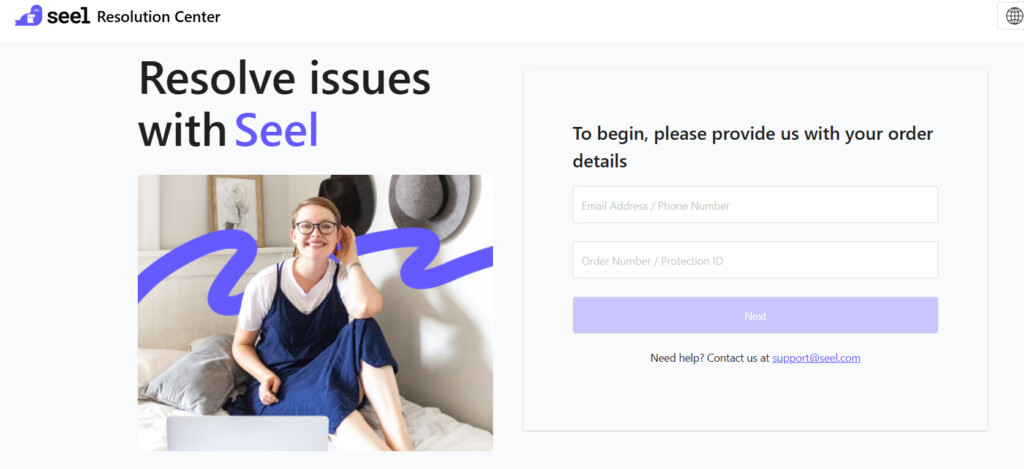
Seel standardizes shopper flows through its Resolution Center, where customers can start a claim, file a return, or check warranty coverage through self-service. Shoppers submit proof (photos, tracking information, etc.), Seel agents handle approvals and resolution, and refunds on successful claims are often processed within 48 hours. If the customer’s issue is covered by Seel, you won’t need to worry about it (or even find out about it in most cases).
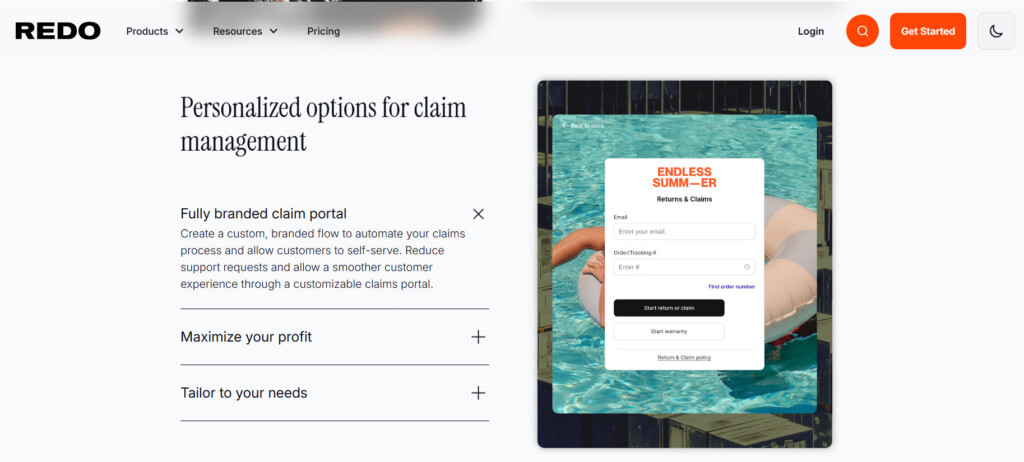
With Redo, shoppers file through the same merchant‑branded portal used for returns, uploading the relevant reports and photos. From there, resolution depends on your setup: Under basic Package Protection, you review and settle claims yourself, while Package Protection+ and Redo’s managed returns service hands approval and resolution over to the Redo team. For the shopper, the flow itself looks much the same as Seel’s — the main difference sits behind the scenes, in who does the resolving.
Returns
Seel’s Worry‑Free Purchase program allows returns “for any reason” on eligible items and makes many final‑sale items returnable when shoppers opt in at checkout.
Shoppers pay a small fee to add Seel, then use Seel’s Resolution Center to file a return, submit order and tracking details, and receive a refund once the claim is approved. Seel then pays the associated refund on covered orders. As is the case with Worry-Free Delivery, this allows you to pretty much outsource the entire process.
Redo’s returns framework also gives customers an option to pay a small fee for return flexibility. If shoppers opt in, they get a return shipping label in their package that they can use to access a return and refund for free — a small touch that does make things easier for customers.
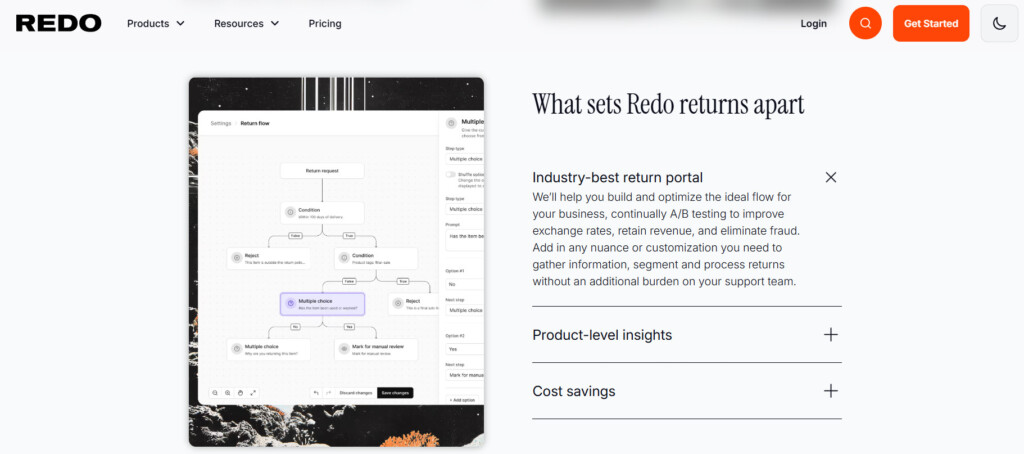
Notably, returns and exchanges are handled in a customizable, merchant‑branded portal, rather than a uniform site like Seel’s. For some merchants, this is desirable and creates a cohesive shopping experience. Others might prefer the trust that a branded resolution platform implicitly offers.
Redo can also manage inspection, verification, rerouting, and restocking on your behalf (for a price). While Seel offers shopper-funded return flexibility, this gives you the option to outsource your returns workflow completely.
Extended Warranties
Seel’s extended warranty product lets you offer protection plans lasting between 1–5 years at checkout. These plans are configured to suit various product categories, and they typically cover mechanical and electrical failure, with the option to add accidental damage in some cases.
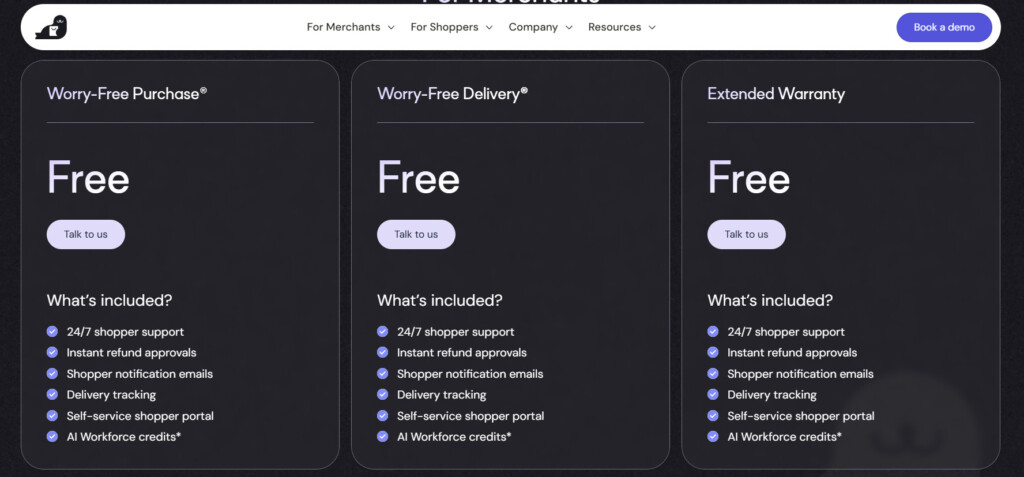
You control the pricing and the coverage thresholds, which means you have a larger degree of input here than you do with Seel’s other product lines. Seel underwrites the risk, and claims flow through the same resolution center as returns and shipping issues.
Redo also allows shoppers to add extended warranties to baskets at checkout for an additional fee, covering mechanical/electrical defects, accidental damage, or both.
There are two key differences, though. First, Redo’s warranties last for a maximum of three years, compared to Seel’s five. Second, Redo offers a revenue-sharing model, which means you can earn extra money from each warranty sold if you go down this route.
Integration
For Shopify merchants, Seel is delivered through the Seel Worry‑Free Purchase app, which is free to install (not to mention quick and painless) and surfaces an opt‑in widget at checkout. The dashboard manages widget configuration, rules, and coverage settings across Worry‑Free Purchase, Worry‑Free Delivery, and warranty programs.
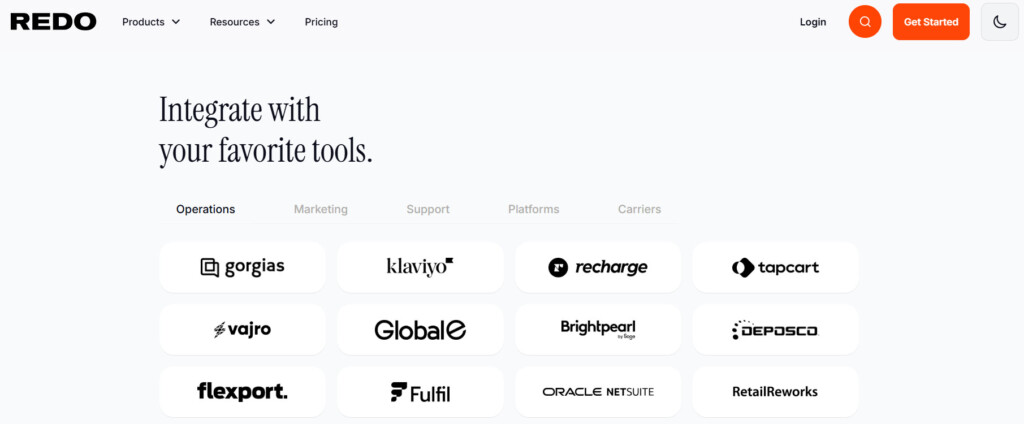
Redo is also delivered via a Shopify app and offers effective, user-friendly integrations for returns, exchanges, labels, order status, and analytics. The returns portal, package protection, and associated flows are configured in Redo’s settings, with options to tie return reasons, refund behavior, and coverage rules back to Shopify’s data model.
Pricing
Seel’s products are explicitly shopper‑paid: shoppers add Worry‑Free Purchase, Worry‑Free Delivery, or extended warranties at checkout for a small fee (depending on the merchant and the nature of goods, but generally ~2% of purchase price), while merchants do not pay subscription or per‑order charges. The platform covers the cost of all covered orders, paying refunds and resolutions so you receive clear operational cost savings and margin protection without needing to set aside funds for claims.
Redo uses a mixed pricing model: Its core returns software is offered on a free plan, with additional modules and usage‑based charges for checkout optimization, email/SMS, and fulfillment. For package protection, you can either fund coverage yourself or charge a small opt‑in fee at checkout, with fees going into your Shopify account as a “claims fund” that’s tracked within Redo’s dashboard.
The price that shoppers pay for Redo coverage varies based on the merchant’s return rate and average shipping label cost, and merchants can tune coverage to apply primarily to exchanges and store credit to disincentivize cash refunds. As a result, Redo’s economics are more customizable than Seel’s.
Seel vs. Redo: The Bottom Line for Merchants
Seel and Redo cover a lot of the same bases, but they’re not truly one-to-one. Redo is a much larger platform overall, offering many benefits to brands that want an all-in-one solution, but it does mean that it’s less focused on the specific problems Seel sets out to solve.
So if you only need to offer your shoppers shipping protection, flexible returns, and extended warranties, then go with Seel. However, if you’re looking for a much broader platform that will take the full returns workflow off your hands and add in tools for marketing, analytics, and tracking, Redo is the better option.