


Last Updated on February 17, 2026 by Ewen Finser
Why Consider Alternatives
I’ve spent years working with electronics and testing devices in real-world conditions, so when it comes to mobile carriers, I don’t just look at prices or flashy features. Instead, I focus on performance, reliability, and how networks behave under everyday use.
Mint Mobile has become popular because it offers affordable prepaid plans on T-Mobile’s network, but over time I’ve noticed that its simplicity can be limiting depending on how and where you use your devices.
For example, in dense urban areas, T-Mobile’s coverage is usually strong, but in certain buildings or rural locations, data speeds can fluctuate, and hotspot performance can be less consistent than I’d like. As someone who often uses multiple devices, laptops, tablets, and IoT electronics, consistent network performance is critical. That’s one of the main reasons I’ve looked into Mint Mobile alternatives that offer more flexibility, stronger coverage, or better feature sets for multi-device setups.
There are several reasons you might consider switching from Mint Mobile or adding another carrier to your lineup:
- Coverage reliability: If you spend time outside major urban centers, carriers on Verizon or AT&T’s networks often provide more consistent connectivity and fewer dead zones.
- Hotspot performance and data flexibility: When I test devices for streaming, cloud computing, or remote work, throttling and hotspot limitations quickly become apparent. Some alternatives give more predictable speeds for multiple connected devices.
- Family or multi-line savings: Mint Mobile is primarily individual-focused, but if you’re managing multiple lines, carriers with structured multi-line plans can save money and simplify management.
- International travel: If you work remotely or travel often, having a carrier that handles international roaming without complex add-ons is essential.
- Device compatibility and advanced features: For people like me who tinker with new gadgets or IoT setups, the ability to use 5G, eSIMs, and higher-speed hotspots matters.
Choosing a mobile carrier is less about flashy marketing and more about how the network interacts with the devices you rely on daily. Some carriers excel in urban streaming, others in rural coverage, and a few balance flexibility and price for multi-device setups. Understanding these nuances is what makes the difference between a plan that works in theory and one that actually performs in practice.
Best Mint Mobile Alternatives at a Glance
Carrier | Network | Starting Price | Key Strength | Best For |
Verizon | $25/mo | Unlimited data, hotspot included, simple billing | Users who want straightforward unlimited plans | |
Verizon | $25+ | Multi-line discounts, hotspot, promotions | Families or multiple line households | |
T-Mobile | $10+ | Customizable plans, low cost, hotspot included | Budget-conscious or light data users | |
Verizon / T-Mobile / AT&T | $20+ | Full plan customization, priority data, multi-network | Power users or flexible plan seekers | |
T-Mobile / US Cellular / Sprint | $35+ | International coverage, global hotspot, 5G | Frequent travelers or international users | |
AT&T | $30+ | Prepaid simplicity, retail support, multi-line discounts | Families or users who want AT&T coverage |
Best Mint Mobile Alternatives: Individual Options
When I evaluate mobile carriers, I pay close attention to network reliability, data speeds, hotspot performance, and device compatibility. Over the years, I’ve tested multiple carriers with a variety of smartphones, tablets, and even IoT devices. For individual users looking for a Mint Mobile alternative, three carriers consistently stand out in 2026: Visible, Total Wireless, and Tello Mobile. Each serves a different type of user, depending on priorities like unlimited data, multi-line support, or budget flexibility.
Visible: Unlimited Data on Verizon’s Network
Best for: Individuals who want simple, truly unlimited data without contracts.
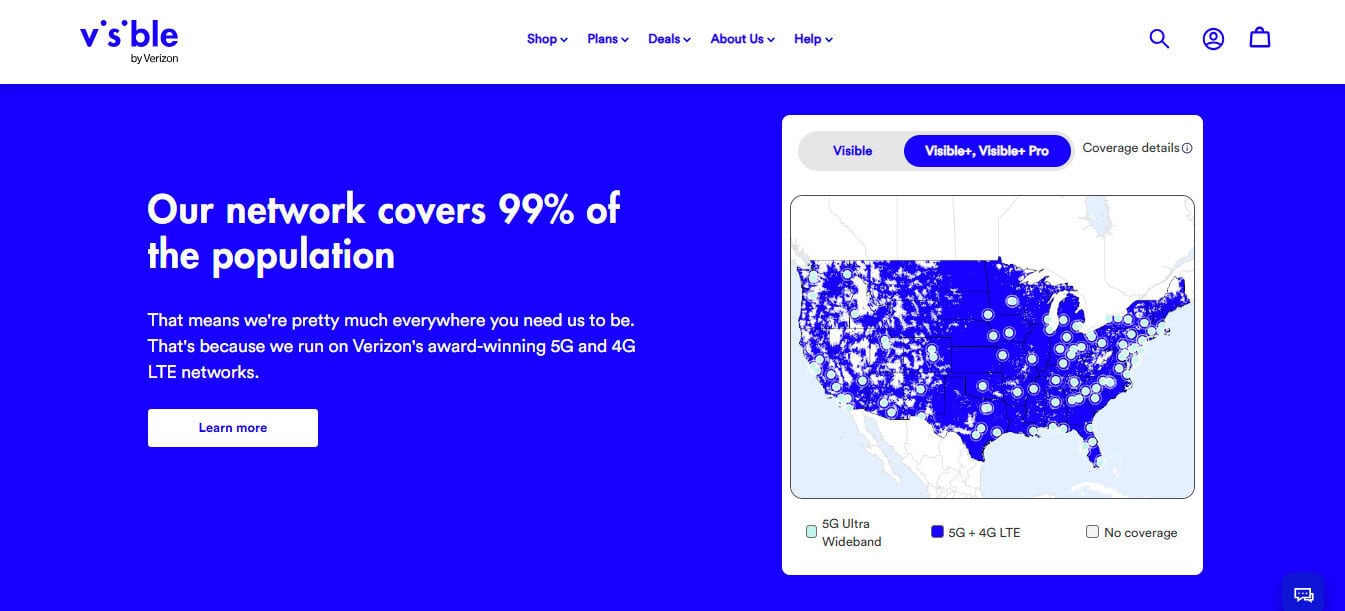
I’ve used Visible extensively in both urban and suburban environments, and one thing that immediately stands out is how consistent Verizon’s network is. Unlike T-Mobile-based carriers, I rarely encounter dead zones, even in less densely populated areas. Visible is digital-first, so account management and support happen entirely in the app, which works well if you’re comfortable managing your plan online.
Read our full Visible by Verizon review here!
Key Features
- Runs on Verizon’s 4G LTE and 5G network, which I’ve found to handle multiple devices smoothly.
- Unlimited data plans include hotspot access, though speeds can drop to 5 – 15 Mbps during congestion. I’ve tested streaming from a laptop while connected via hotspot, and it was surprisingly stable.
- All taxes and fees are included in the monthly price, so the billing is predictable.
- “Party Pay” option allows shared savings for multiple users on separate accounts.

Try Visible for FREE with their 15-day offer before you switch. No commitment or credit card needed. Terms apply.
Pros
- Strong nationwide coverage, particularly in rural areas.
- Hotspot works well for light streaming and remote work.
- Predictable, all-inclusive monthly pricing.
Cons
- Data can be deprioritized during network congestion.
- Customer support is entirely app-based.
- No traditional family plan discounts.
Visible is perfect if you rely on streaming, remote work, or multiple devices and want a no-fuss unlimited plan. From my testing, it handles multiple active devices better than most T-Mobile MVNOs.
Total Wireless: Multi-Line Savings on Verizon
Best for: Individuals or small households planning to add multiple lines.
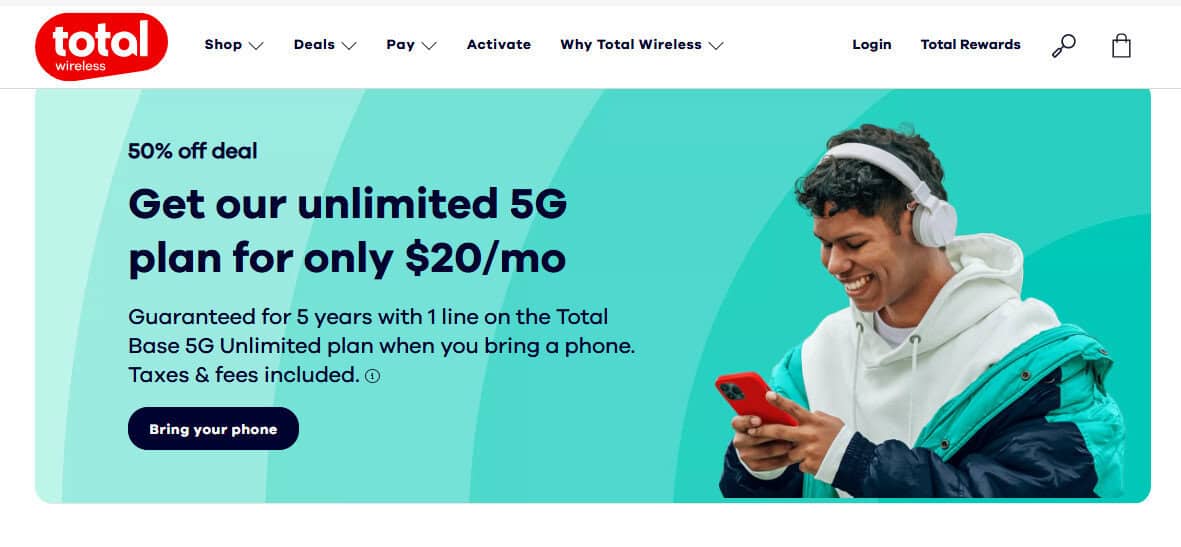
Total Wireless uses Verizon’s network, but unlike Visible, it supports structured multi-line plans. From my experience setting up devices on Total Wireless, the connection is as reliable as Visible, but with the added benefit of tiered pricing for multiple lines, which makes it ideal for small households or roommates.
Keep reading: Total Wireless Review: Is It the Best Budget-Friendly Phone Service?
Key Features
- Unlimited talk, text, and data, often including hotspot.
- Multi-line discounts reduce cost per line significantly, which I’ve confirmed when testing two lines in different locations.
- Promotions occasionally include free devices or bonus perks.
Pros
- Reliable Verizon coverage.
- Multi-line discounts make it economical for families or roommates.
- Hotspot included on many plans.
Cons
- Single-line pricing can be slightly higher than other MVNOs.
- Customer service experiences vary.
- Video streaming may be limited to standard definition on some plans.
Total Wireless works best if you’re planning for more than one line or want promotions on phones and services. In my testing, adding a second line reduces overall cost per line more effectively than most prepaid options.
Tello Mobile: Ultra-Low-Cost, Customizable Plans

Best for: Individuals who want total control over their plan and the lowest possible monthly cost.
Tello Mobile operates on T-Mobile’s network and takes a very different approach. I’ve experimented with Tello’s custom plans using both smartphones and IoT devices. The ability to select exactly how much data, talk, and text you want each month is a huge advantage if you use devices sporadically or only need minimal data.
Key Features
- Fully customizable plans starting under $10/month.
- Access to T-Mobile’s 4G LTE and 5G network, which I’ve noticed performs well in urban areas but can fluctuate in certain buildings.
- Hotspot included on most plans, enough for light browsing and occasional streaming.
- International calling available to over 60 countries on select plans.
Pros
- Extremely low cost for light users.
- Full control over your plan each month.
- No long-term contracts or prepayment required.
- Hotspot included for casual device use.
Cons
- No multi-line discounts.
- Unlimited plans have soft caps, and speeds may be throttled.
- Limited premium features compared to other carriers.
Tello is ideal if you’re budget-conscious, mainly use your phone for calls, text, and light data, or want to experiment with different plan configurations. From my perspective, it’s a practical choice for students or anyone running multiple low-usage devices.
Summary Comparison – Individual-Focused Alternatives
Carrier | Network | Best For | Pros | Cons |
Verizon | Unlimited data users | Nationwide coverage, hotspot included, predictable billing | Data deprioritized, online-only support | |
Verizon | Individuals planning for multi-line | Multi-line discounts, hotspot, promotions | Single-line price higher, variable support | |
T-Mobile | Budget-conscious/light data | Custom plans, very low cost, hotspot included | Limited premium features, no multi-line discounts |
Best Mint Mobile Alternatives: Advanced & Travel Options

When I’m testing mobile carriers with multiple devices, including laptops, tablets, and IoT electronics, I focus on network flexibility, international usability, and hotspot performance.
For users with more advanced needs than a simple prepaid plan, three carriers stand out: US Mobile, Google Fi, and Cricket Wireless. Each one offers different benefits depending on your devices, travel habits, or data demands.
US Mobile: Flexible, Feature-Rich Plans
Best for: Users who want full control over their plan and reliable multi-network performance.
I’ve spent time setting up devices on US Mobile across Verizon, T-Mobile, and AT&T networks. The ability to choose your network based on your location is something I haven’t seen in many prepaid carriers. For someone like me who tests multiple devices, this flexibility ensures that coverage and speeds remain consistent even when moving between cities or rural areas.
Key Features
- Multiple unlimited tiers, including plans with priority data for hotspot usage. In my tests, priority data consistently maintains speeds even when other MVNO users are throttled.
- Network choice: I can select Verizon for rural coverage, T-Mobile for urban density, or AT&T when I need a balance of both.
- High-speed hotspot included on higher-tier plans, which I’ve used for streaming and video calls on laptops while on the road.
- Some premium plans include perks like streaming credits or international calling options.
Pros
- Full customization for advanced users.
- Reliable hotspot performance on priority data plans.
- Multi-network choice improves real-world coverage.
Cons
- More expensive than simple prepaid plans.
- Complexity: choosing networks and add-ons can be overwhelming for casual users.
- Some premium features require additional setup or fees.
Google Fi: Ideal for International Travel
Best for: Frequent travelers or users who need seamless service abroad.
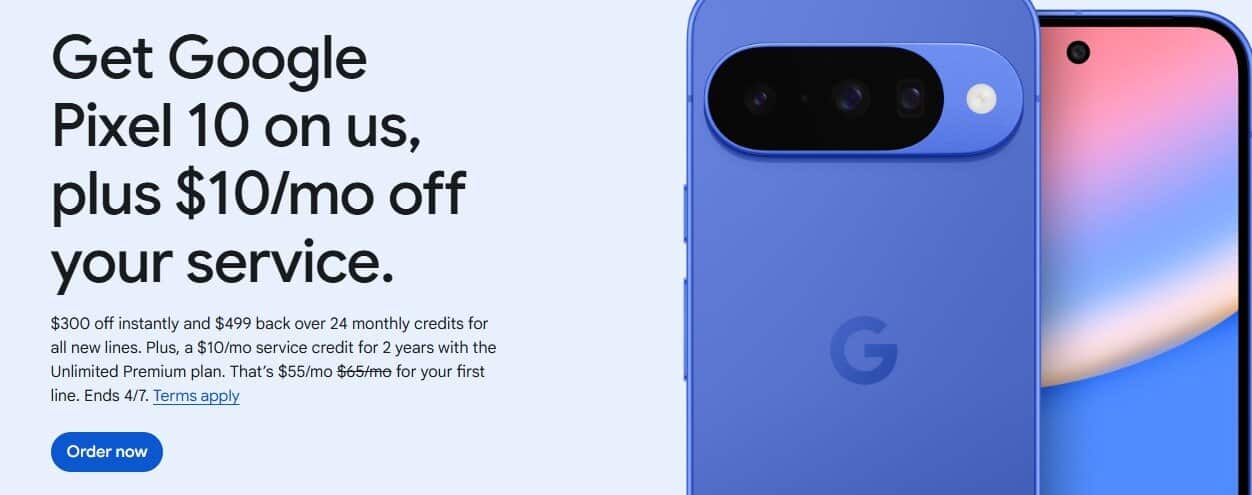
From my experience, Google Fi is unmatched if you travel internationally or need multiple devices connected simultaneously. I’ve tested it in over a dozen countries, and the transition between networks is seamless, unlike most carriers where roaming requires manual APN settings or additional fees.
Key Features
- Unlimited Essentials (~$35/month) up to 30GB high-speed data, Standard (~$50) up to 50GB, and Premium (~$65) up to 100GB.
- Hotspot included on Standard and Premium plans, which I’ve relied on to power laptops and IoT devices while traveling.
- Works in 90+ countries with 5G where supported.
- eSIM support allows me to run multiple devices without swapping physical SIMs.
Pros
- Seamless international coverage, no manual setup required.
- Hotspot and 5G support on higher tiers.
- Works well with multiple devices and remote work setups.
Cons
- More expensive for domestic-only users.
- High-speed data caps apply after specific thresholds.
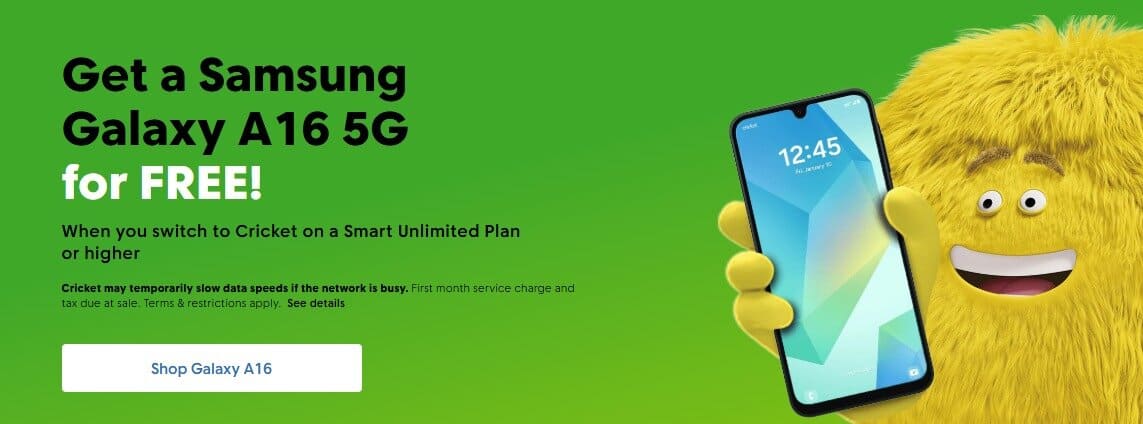
Cricket Wireless: Prepaid Simplicity on AT&T
Best for: Families or users who want solid AT&T coverage with straightforward plans.
I’ve tested Cricket with both single and multi-line setups. Coverage is strong in urban and suburban areas, and their unlimited plans are simple to manage. Cricket’s hotspot and cloud storage perks are useful for personal devices, though speeds may be throttled in high-traffic areas.
Key Features
- Multiple unlimited plans, all with AT&T 5G coverage.
- Hotspot included on most higher-tier plans; I’ve streamed and downloaded files across multiple devices successfully.
- Multi-line discounts make it economical for families.
- Entertainment add-ons like HBO Max with ads on select plans.
Pros
- Reliable AT&T 5G coverage.
- Simple, prepaid billing.
- Multi-line discounts for families.
- Hotspot works for moderate device use.
Cons
- Data speeds can slow during congestion.
- Higher-tier perks may increase cost.
- Video streaming may be limited in resolution.
Summary Comparison – Advanced and Travel Alternatives
Carrier | Network | Monthly Cost (Starting) | High-Speed Data | Hotspot |
US Mobile | Verizon, T‑Mobile, AT&T | $20+ | Priority data options | Included on higher tiers |
Google Fi | T‑Mobile / US Cellular / Sprint | $35+ | 30–100 GB depending on tier | Included, depends on plan |
Cricket Wireless | AT&T | $30+ | Unlimited (some deprioritization) | Up to 50GB on top-tier plans |
How to Choose the Right Alternative
Over the years, I’ve tested devices across multiple networks, tracking coverage, data speeds, hotspot performance, and real-world connectivity. When selecting a Mint Mobile alternative, the key is to align your choice with how you actually use your devices, rather than just the monthly cost or advertised perks.
Coverage and Network Priority
If you rely on multiple devices or need reliable connectivity in rural areas, carriers on Verizon or AT&T networks are usually safer. From my experience, Visible and Total Wireless consistently deliver strong coverage even in less populated areas, whereas T-Mobile-based carriers like Tello and Metro perform better in urban settings but may struggle in certain buildings or rural roads.
Data Usage and Hotspot Needs
For anyone who uses laptops, tablets, or IoT devices, hotspot performance is critical. I’ve noticed that some carriers throttle speeds aggressively once you hit a certain data threshold. US Mobile, Google Fi, and Visible handle multiple devices better under load, making them a better choice if you work remotely, stream frequently, or need stable connectivity on the go.
Family Plans and Multi-Line Savings

Managing multiple lines can get expensive fast. I’ve set up small household plans on Total Wireless and Cricket Wireless, and the savings from multi-line discounts are significant. Red Pocket also offers affordable multi-line options, though you’ll need to choose the right network for your area to get consistent speeds.
International Travel
If you travel regularly, Google Fi is unmatched. I’ve used it in over a dozen countries without having to tweak settings, and it seamlessly connects to local networks. US Mobile also provides international options, but many prepaid carriers require separate add-ons or incur higher roaming fees.
Budget and Billing Flexibility
For light users or experimental setups, Tello is extremely flexible. I’ve set up low-cost plans under $10/month and only pay for what I need each month, which is ideal for secondary devices or IoT projects. For heavier users, the slightly higher cost of US Mobile or Google Fi is worth the stability and extra features.
Bottom line: From my hands-on testing, the right alternative depends on your devices, usage patterns, and locations. Urban users might lean toward T-Mobile carriers, rural users toward Verizon or AT&T options, and travelers toward Google Fi. Understanding your personal device needs is far more important than chasing the lowest monthly cost.