

- The Structural Difference: Website-First vs Marketplace-Native
- Amazon: Where Performance Gaps Typically Appear
- Common Pain Points for Brands
- How Levanta Addresses Amazon Attribution
- Shopify: Governance, Publishers, and Enterprise Structure
- Where impact.com Excels
- How Levanta Complements Shopify
- Walmart: Expanding the Marketplace Layer
- Ease of Use and Operational Lift
- Why Levanta Resonates with Lean Teams
- Creator Ecosystem Alignment
- Which Platform Fits Your Brand
Last Updated on March 25, 2026 by Ewen Finser
As DTC brands expand across Amazon, Shopify, and Walmart, affiliate and creator programs have become increasingly complex, and revenue no longer flows through a single checkout environment. In turn, performance data frequently becomes fragmented across platforms. For brands evaluating partnership software, the central question remains a practical one: which system reflects where revenue actually converts and meaningfully reduces friction for the internal team running it?
Levanta vs impact.com: Both support affiliate and creator management. The difference, however, lies in how each platform was designed and where it delivers the most operational clarity. Below, we explore the key differences through the lens of a modern e-commerce brand running affiliate, creator, and influencer programs across multiple channels, so you can determine which platform best supports your growth strategy and internal structure.
The Structural Difference: Website-First vs Marketplace-Native

To understand which platform fits your brand, it helps to start with the foundational assumption each one makes about how and where your customers buy.
- impact.com was built primarily for website-first affiliate programs, most commonly anchored in Shopify or other owned properties. Its architecture assumes conversion happens on your site and focuses on managing diverse partner types across structured workflows.
- Levanta meanwhile was built around omnichannel commerce, with an infrastructure that supports Amazon, Shopify, and Walmart, unifying management from one platform.
For modern DTC brands operating across multiple channels, that structural difference will materially affect reporting, payouts, and day-to-day management.
Amazon: Where Performance Gaps Typically Appear

For many scaling brands, Amazon represents a substantial share of total revenue. Creators often prefer linking there due to higher conversion rates and built-in consumer trust through reviews and Prime fulfillment. Still, traditional affiliate systems were not architected around marketplace attribution, which can lead to visibility gaps.
Common Pain Points for Brands
- Amazon revenue increases without clear creator attribution
- Standard Amazon Associates links limit commission flexibility
- Product-level performance data is difficult to isolate
- Finance sees total revenue but lacks campaign-level clarity
How Levanta Addresses Amazon Attribution
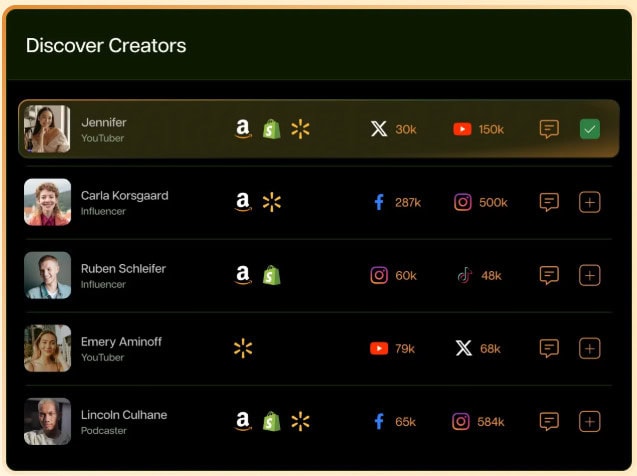
Levanta integrates directly with Amazon’s Attribution API and tracks performance at the ASIN level, giving brands clear visibility into which creators are driving sales for specific products. Campaigns can be structured around cost per sale, with cost per click layered in when it makes strategic sense, allowing teams to tailor incentives to their goals. Paid placements can be negotiated and arranged directly in the platform, with flat rate or hybrid payment models. It also enables brands to optimize their commissions around Amazon’s Brand Referral Bonus; brands can offer better commissions to incentivize high-performing creators, above the standard ~10% that the program pays out.
Primary Differentiators
- Direct Amazon Attribution API integration
- ASIN-level reporting by product and creator
- Flexible commissions, typically 15 to 25 percent, but can even go up to 100%
- CPA, CPC, and hybrid flat fee + commissions campaign structures
- Brand Referral Bonus eligible
- Creator Connections integration
- Support for international Amazon stores
Operational Benefit: Clear visibility into which creator drove which product sale.
Strategic Benefit: Commission alignment based on real marketplace performance rather than blended channel estimates.
impact.com supports Amazon in evolving ways, but its architecture is basically centered on owned-site attribution. For brands where Amazon is secondary, that’s probably sufficient. But for brands where Amazon is just as important and their DTC storefront, marketplace-native tracking becomes more consequential.
Shopify: Governance, Publishers, and Enterprise Structure
Shopify remains central to many DTC brands because it protects margin, houses first-party customer data, and anchors lifecycle marketing efforts across email and SMS. For brands that rely heavily on website-based revenue, affiliate programs often require more structure, with clear contract terms, compliance oversight, publisher management, and coordinated internal workflows.
Where impact.com Excels
- Enterprise contract workflows
- Multi-region and multi-currency support
- Strong publisher and editorial relationships
- Cross-channel DTC attribution
- Deep martech integrations
For organizations with mature affiliate operations and dedicated internal teams, impact.com provides the governance depth generally required for complex website-first programs.
How Levanta Complements Shopify
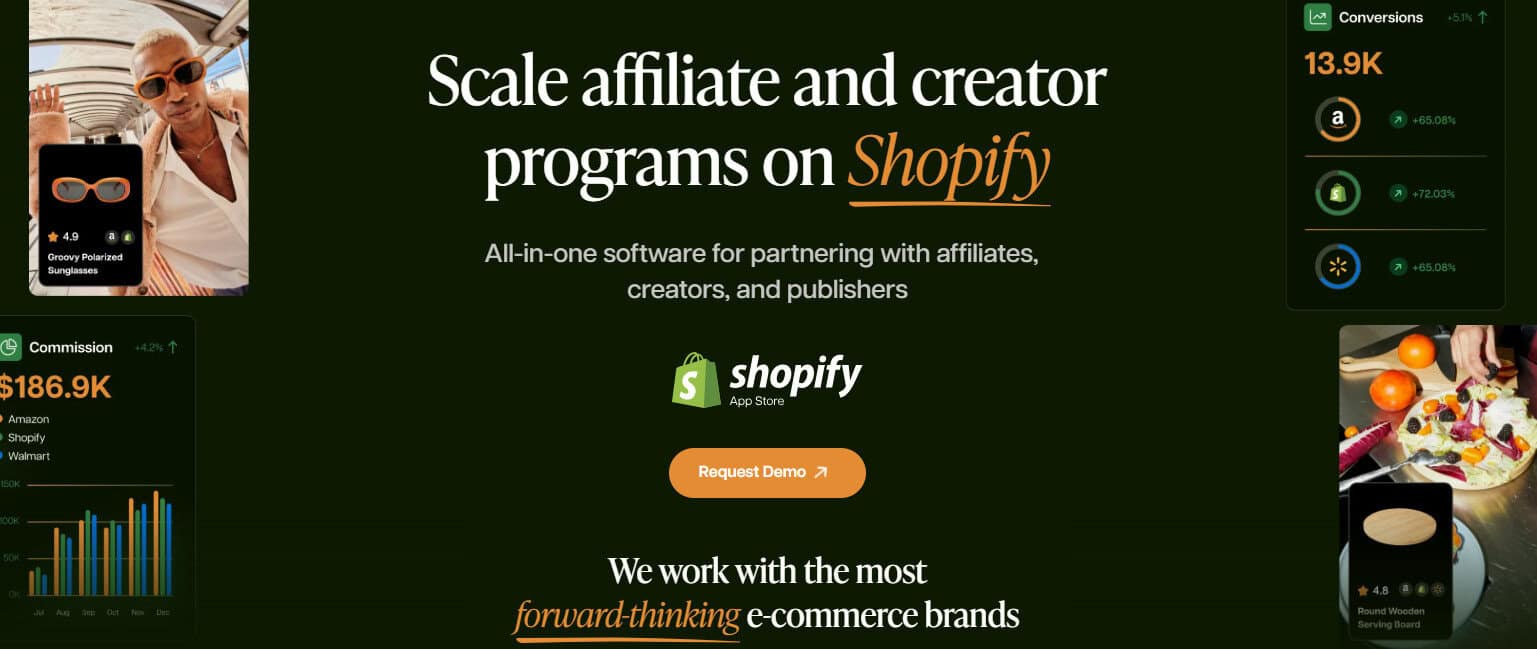
Importantly, Levanta doesn’t position itself solely as a replacement for Shopify’s own affiliate platform. Instead, it centralizes creator and affiliate management when omnichannel revenue is meaningful alongside DTC sales.
It becomes particularly relevant when:
- Creators prefer linking to Amazon
- Marketplace volume rivals or exceeds Shopify revenue
- SKU-level visibility influences forecasting and inventory planning
- Teams want Amazon, Shopify, and Walmart creator logic in one platform
Walmart: Expanding the Marketplace Layer
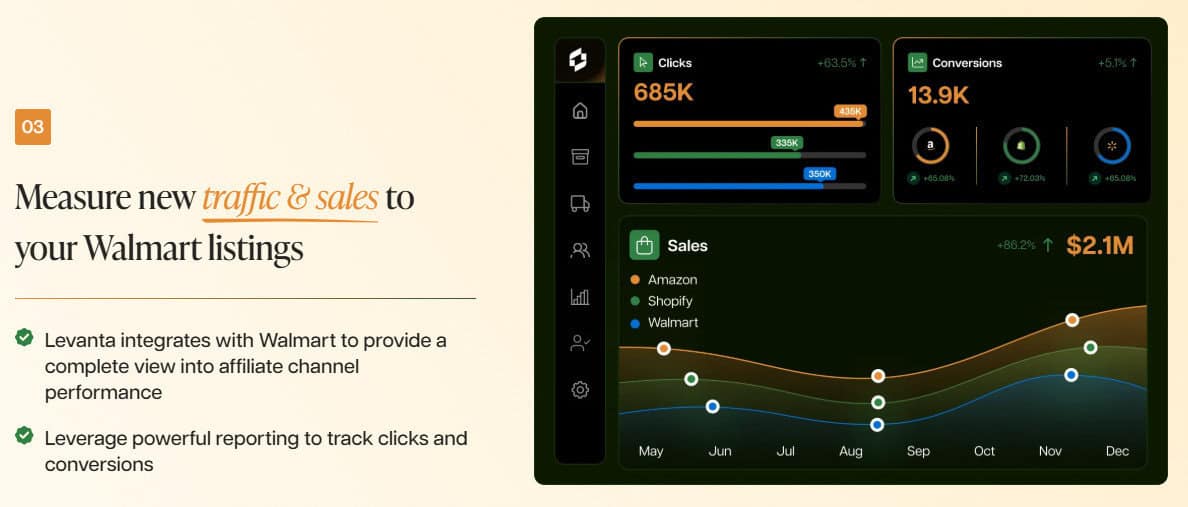
As Walmart has grown into a major online marketplace, managing multiple retail channels has become more complex for DTC brands. Levanta addresses head-on this by offering native Walmart integration, which allows brands to:
- Centralize marketplace reporting across Amazon and Walmart
- Unify creator payout logic
- Track product-level performance in both environments
For brands that are focused on Walmart as part of their growth strategy, this integration also brings retail-driven creator commerce together under a single platform, which can potentially simplify tracking and payouts. By comparison, impact.com continues to excel in website-based attribution, with marketplace integrations still evolving relative to its DTC-focused capabilities.
Ease of Use and Operational Lift

Platform fit doesn’t end at features, but is also about internal capacity. impact.com assumes structured workflows and cross-department coordination, which aligns well with enterprise teams managing layered approvals, contracts, and global partner ecosystems.
Levanta on the other hand was designed for established brands that may not have a dedicated affiliate operations department. Many DTC teams operate lean, with one growth lead overseeing creators, paid acquisition, lifecycle marketing, and marketplace expansion.
Why Levanta Resonates with Lean Teams
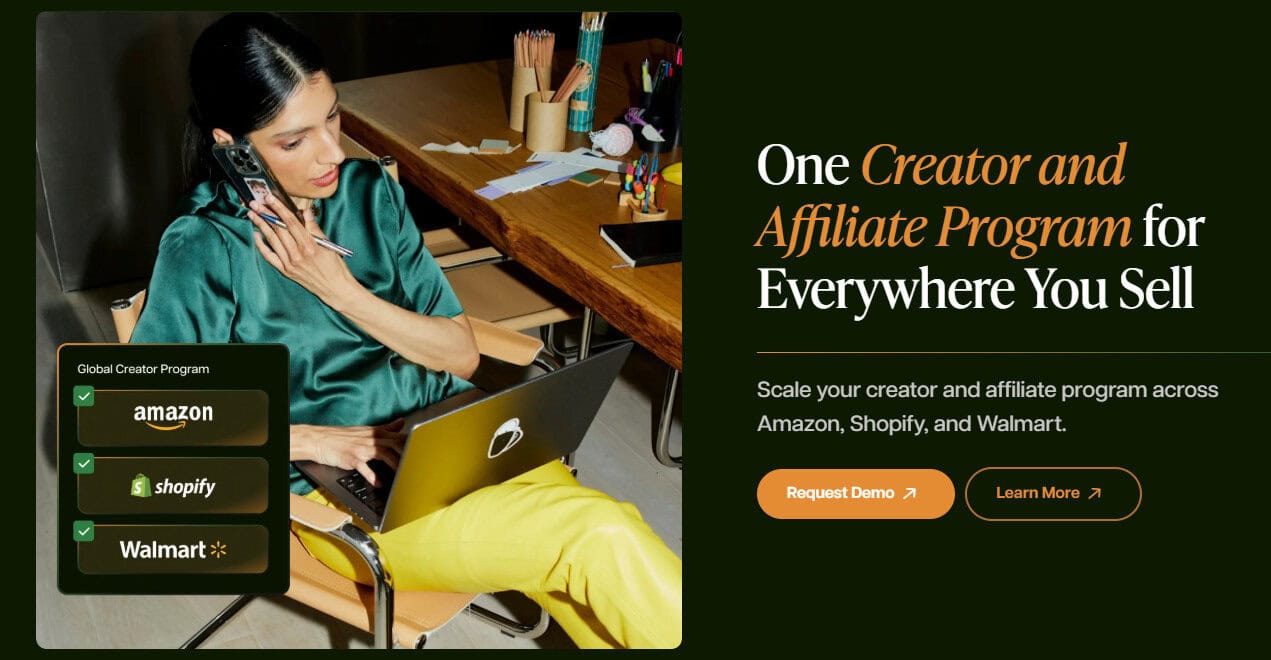
- One-click integrations with Amazon, Shopify, and Walmart
- Built-in Creator Marketplace with 60,000 plus vetted creators
- Branded signup pages
- Influencer gifting management
- Paid Placements allows brands to negotiate flat rate creator and editorial content
- Automated payments and 1099 handling
- Single monthly payout distribution
Operational Value: Reduced administrative overhead and simplified compliance.
Emotional Value: Confidence that marketplace revenue is fully attributed and measurable.
Levanta is particularly well suited for growing brands with meaningful Amazon revenue, typically those exceeding $5 million annually, and for teams seeking a system that scales with them.
Creator Ecosystem Alignment
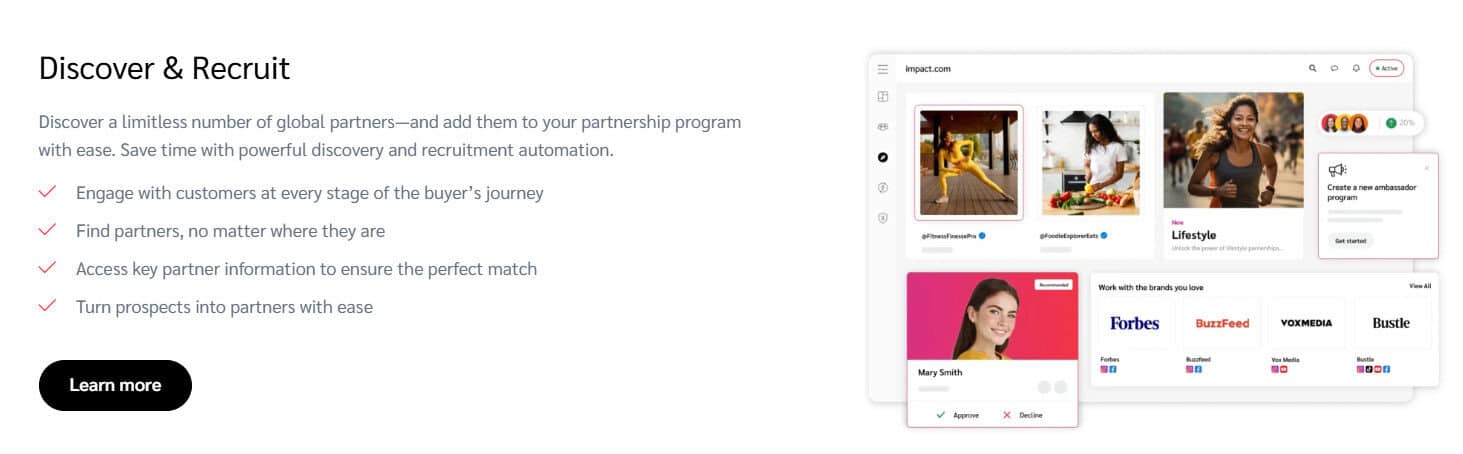
Ecosystem composition influences results, and impact.com maintains strong relationships with established publishers, editorial commerce teams, and traditional affiliate networks. This is valuable for brands prioritizing media partnerships and diversified publisher programs.
Levanta’s network consists of tier one publishers, affiliates, product reviewers, deal sites, and media buyers and more. For brands focused on driving SKU-level performance across Amazon, Shopify, and Walmart, this alignment is operationally significant.
Recent consumer research underscores this shift, with a large majority of shoppers reporting discovering products through creator content and then purchasing through marketplaces. Marketplace reviews and independent product reviewers rank among the most trusted purchase signals. For brands, this reinforces the importance of marketplace-native tracking when creators are influencing sales.
Which Platform Fits Your Brand

The decision should reflect revenue composition and internal structure.
impact.com is often well suited for brands that:
- Generate the majority of revenue on Shopify
- Require enterprise-level governance and contract workflows
- Manage global publisher ecosystems
- Have dedicated affiliate operations resources
Levanta is often well suited for brands that:
- Need to unify their creator and affiliate programs across Amazon, Shopify and Walmart
- Need ASIN- and SKU-level creator attribution
- Work on performance-based and flat rate creator campaigns
- Operate with lean growth teams
As DTC commerce becomes increasingly multi-channel, partnership infrastructure must align with conversion reality. Choosing the platform that mirrors how your revenue truly flows doesn’t just streamline operations, it gives your brand the confidence and control to turn creator partnerships into predictable, scalable growth.