


- At a Glance
- Shopify Payments: Best for Low-Risk Shopify Sellers
- Stripe: Best for Developer Documentation
- PayPal: Best for Alternative Payment Methods
- Helcim: Best for Volume Discounts
- Luqra: Best for Rapid Growth
- Finix: Best for Subscription-Based Pricing
- Which Is the Best Payment Processor for Online Clothing Brands?
Last Updated on November 26, 2026 by Nora Ramirez
Selling clothing online can come with unique payment processing challenges. Most sellers in the fashion industry are able to get by just fine with a mainstream processor, but others are better off having their own merchant accounts.
This is especially true of vendors deemed “high-risk.” There are several variables that can result in a clothing store falling into this category, such as sudden increases in volume brought on by an unusual seasonal sales spike or a social media post going viral — good things that might end up getting your funds frozen through a mainstream processor.
Then, there’s the issue of returns. Clothing stores regularly deal with returns due to sizing, fit, or style, with customers sometimes going through the incorrect channels and filing chargebacks instead. Other activities that could increase your store’s risk level are using dropshipping over a direct-to-consumer model, selling luxury clothing, and selling subscription boxes.
Keeping all this in mind, here are some of the best payment processors for online clothing brands, including both mainstream options and merchant account providers.
At a Glance
Best For | Online Card Fee | E-commerce Platform Integrations | Customer Support | |
Shopify Payments | Low-risk Shopify sellers | 2.9% + $0.30 (Standard cards on the Basic plan) | Shopify | Live chat |
Stripe | Developer documentation | 2.9% + $0.30 (Standard) | Shopify, Adobe Commerce, Magento, BigCommerce, WooCommerce, Your Next Store, GoCart, PrestaShop, Spree Commerce, others | Live chat, developer Discord server |
PayPal | Alternative payment methods | 2.99% + $0.49 (Checkout), 2.89% + $0.29 (Expanded Checkout) | Shopify, WooCommerce, BigCommerce, Shopware, Adobe Commerce, Checkout Champ, Ecwid, nopCommerce, OpenCart, ShopSite, others | Live chat, phone support |
Helcim | Volume discounts | IC + 0.50% + $0.25, volume discounts available | WooCommerce, Freshline | Support ticket, phone support |
Luqra | Rapid growth | Custom pricing | Shopify, BigCommerce, WooCommerce, OpenCart, Magento, Ecwid, CheckoutChamp, SamCart, others | Phone support, online form |
Finix | Subscription-based pricing | IC + 0% + $0.15 (Visa, Mastercard, Discover)IC + 0.30% + $0.15 (Amex) | Shopify, BigCommerce, WooCommerce, Adobe Commerce, OpenCart, Drupal Commerce, PrestaShop | Email |
Shopify Payments: Best for Low-Risk Shopify Sellers
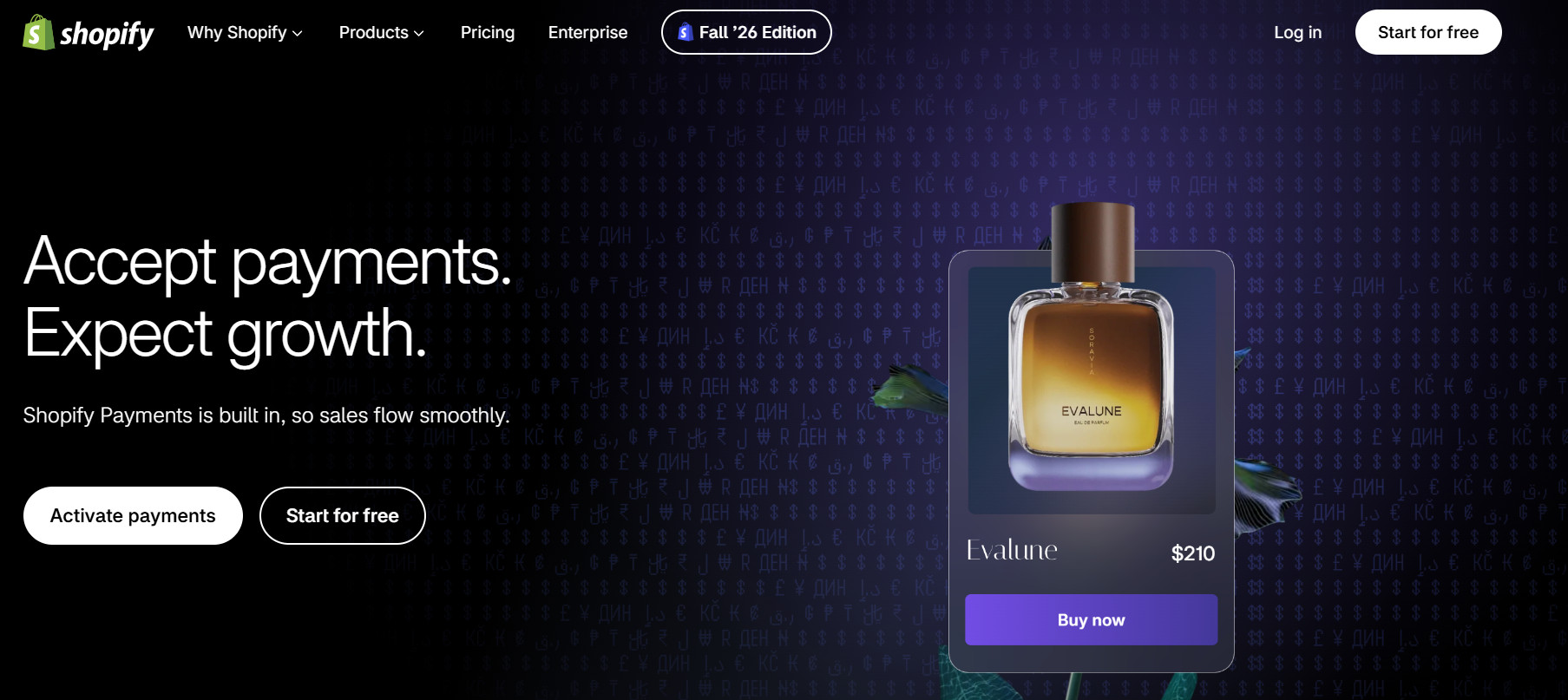
Shopify Payments, which runs on Stripe’s underlying infrastructure, is the easiest way to start accepting payments if you have a Shopify store since you don’t have to go through the hassle of connecting a third-party payment provider. It’s popular for being a straightforward way to accept a range of payment methods.
With Shopify Payments, you can accept debit and credit cards, Apple Pay, Google Pay, and crypto payments in USD Coin. For international sales, Shopify Payments accepts over 130 payment methods, and you can sell in the customer’s currency and get paid in yours. Additionally, customers can use Shop Pay, a streamlined checkout service that lets them save their email address, preferred payment method, and shipping details.
Notably, Shopify Payments has built-in fraud analysis that uses machine learning, and you can also set up customizable fraud rules.
Pricing
The online transaction fees you’ll face depend on the Shopify plan you’re on: Basic, Grow, Advanced, or Plus. Higher-tier plans experience lower transaction fees.
However, here are the fees you’ll face if you’re on the $39/month Basic plan:
- Online standard cards: 2.9% + $0.30
- Online premium cards: 3.5% + $0.30
Premium cards include business and American Express cards. Note that international payments come with an additional 1% charge.
E-commerce Platform Integrations
You’ll only be able to use Shopify Payments if you’re running your e-commerce store through Shopify.
Customer Support
Shopify’s support mostly takes the form of 24/7 live chat, although those on the highest plan tier can access phone and email support as well.
Stripe: Best for Developer Documentation
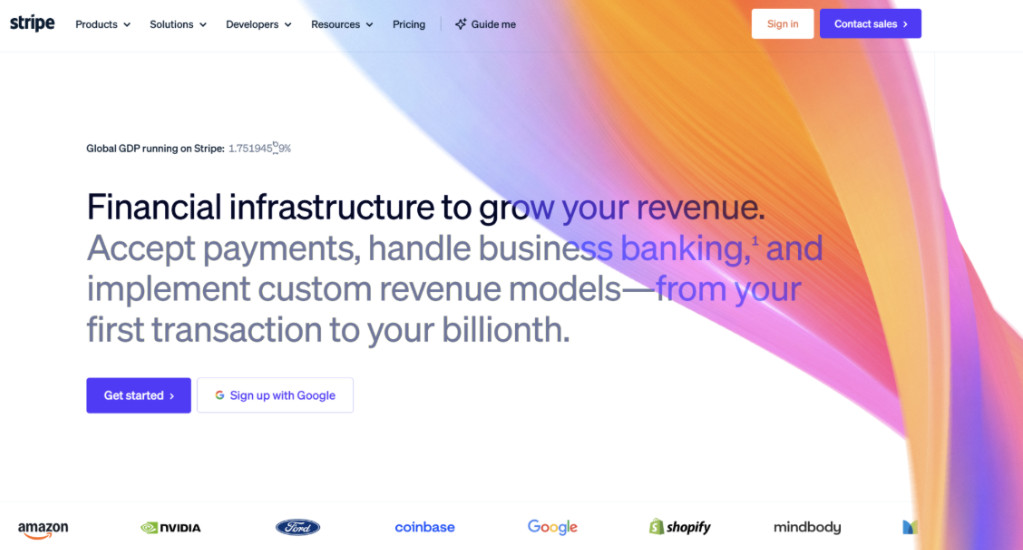
Stripe is one of the leading names in payment processing. It’s relatively easy to get up and running, and it’s also a favorite among developers favoring custom solutions due to its strong API documentation. Among those desiring simpler checkout solutions instead, Stripe has plenty of resources for this, including pre-built checkouts and other no-code options.
Stripe lets you accept over 100 payment methods. You can accept credit and debit cards (including international cards), prepaid cards, digital wallets, Buy Now, Pay Later options, stablecoins, and others. The platform is also known for its AI-powered fraud prevention, Stripe Radar, which can help you manage several types of fraud, including transaction and account fraud, as well as offering abuse prevention and dispute management.
Pricing
Stripe has two distinct pricing models: Standard and Custom. Most smaller clothing brands will do just fine with Standard, as Custom is designed for those with large payment volumes or unique business models.
The transaction fee for online card and digital wallet payments is 2.9% + $0.30. There’s an additional 1.5% charge for international cards and an extra 1% if currency conversion is required.
E-commerce Platform Integrations
The Stripe App Marketplace houses hundreds of third-party software integrations, including those with the top e-commerce platforms. Some of the e-commerce integrations offered include Shopify, Adobe Commerce, Magento, BigCommerce, WooCommerce, Your Next Store, GoCart, PrestaShop, and Spree Commerce.
Customer Support
For the most part, Stripe support takes place over 24/7 live chat. For developers, there’s an official Discord server for technical questions.
PayPal: Best for Alternative Payment Methods
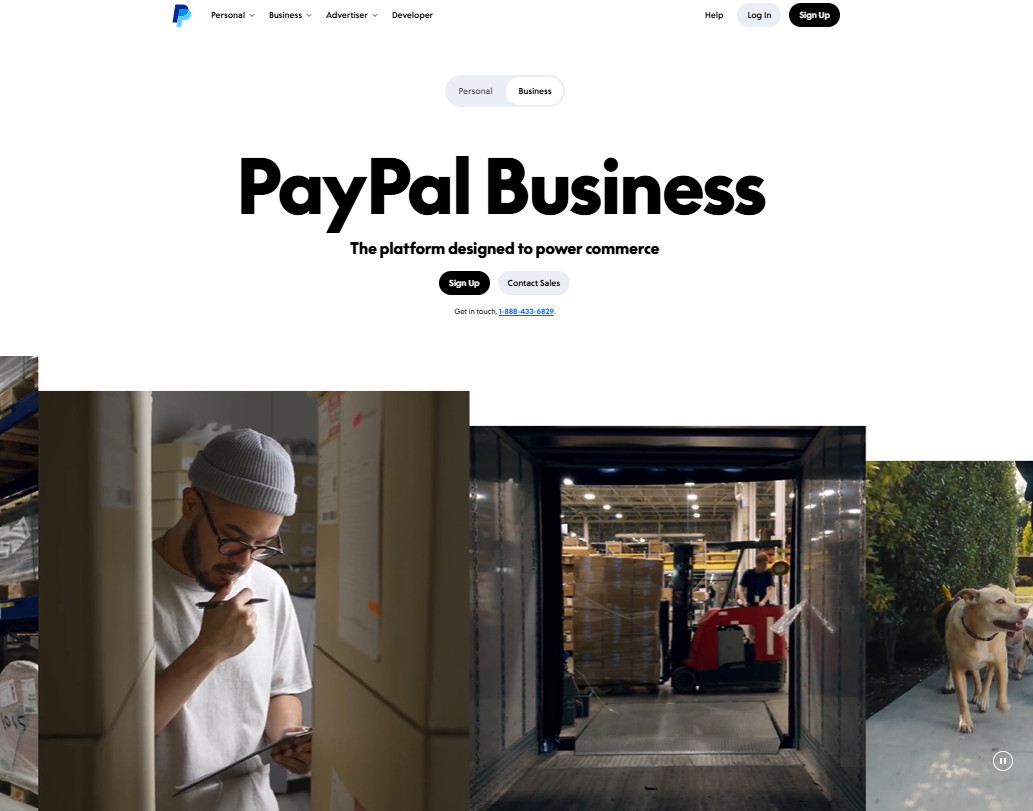
The payments giant PayPal is another strong option for online clothing sellers, offering two checkout configurations: Checkout and Expanded Checkout. PayPal Checkout is the simpler choice, suitable for those who want to start accepting payments fast. However, it is more limited than Expanded Checkout on multiple fronts, particularly when it comes to customization and the payment methods you can accept.
For instance, Checkout lets you choose from preset colors and shapes for your payment buttons, while you have complete control with Expanded Checkout. Regarding payment methods, Checkout supports PayPal Payments (including PayPal, Venmo, Pay Later, and Pay with Crypto) and major debit and credit cards. Expanded Checkout goes beyond this, supporting Apple Pay and Google Pay, along with payments from over 200 markets and in over 130 currencies.
The risk management capabilities differ between the two as well. With Checkout, it’s built-in and managed by PayPal. With Expanded Checkout, risk is self-managed, though you can opt for Chargeback Protection or Fraud Protection Advanced.
Pricing
Transaction fees depend on which checkout option you use. Here are the fees for online credit and debit card payments:
- Checkout: 2.99% + $0.49
- Expanded Checkout: 2.89% + $0.29
E-commerce Platform Integrations
PayPal integrates with a range of e-commerce platforms, including Shopify, WooCommerce, BigCommerce, Shopware, Adobe Commerce, Checkout Champ, Ecwid, nopCommerce, OpenCart, and ShopSite.
Customer Support
PayPal has both live chat and phone support. There’s also an extensive help center with articles covering common topics.
Helcim: Best for Volume Discounts
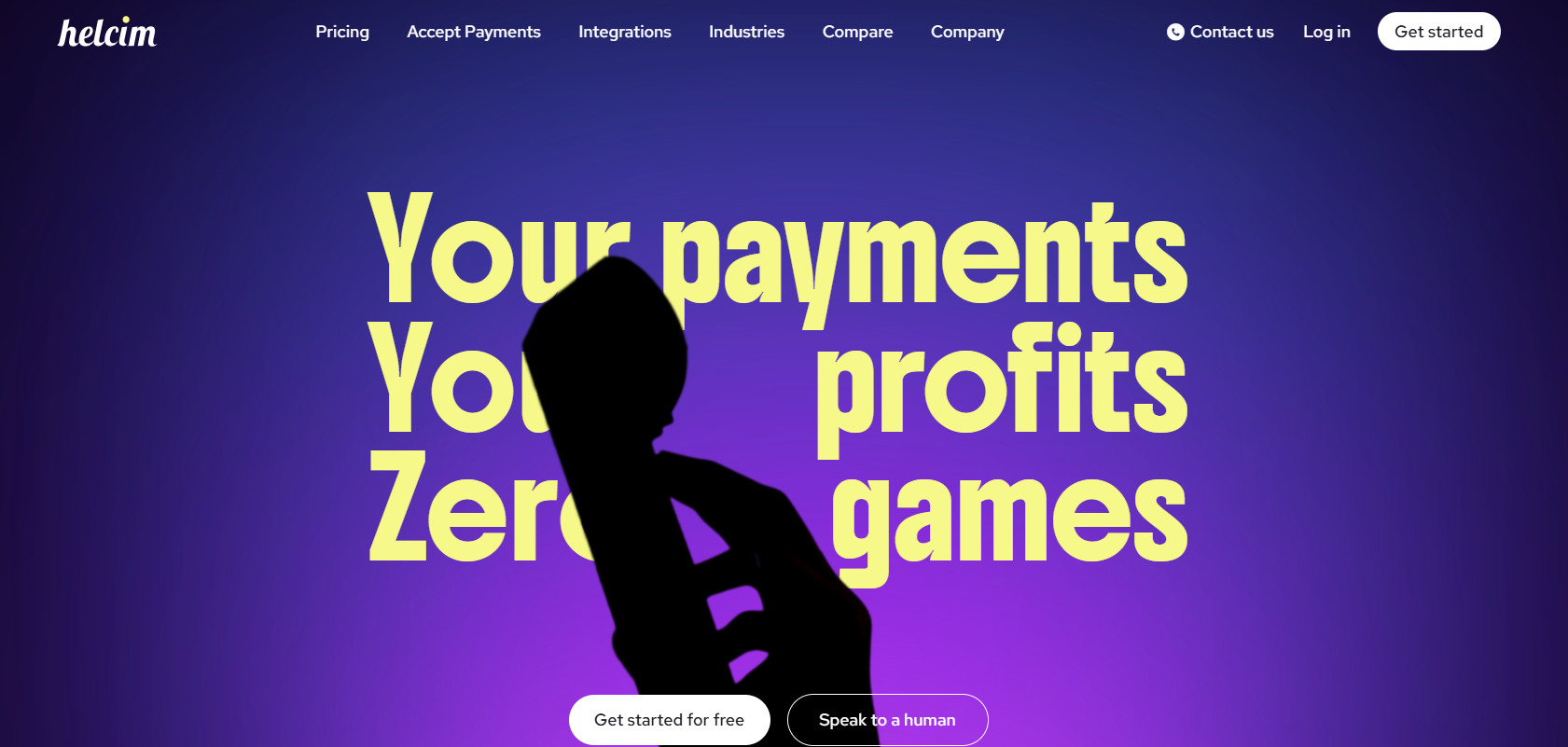
In many respects, Helcim is similar to Shopify Payments, Stripe, and PayPal, being an easy way for low-risk online clothing stores to start accepting payments. However, while those three processors use primarily flat-rate pricing, where each transaction faces the same fee, Helcim uses an interchange-plus (IC+) model — which, at higher levels of volume, is generally the cheaper cost structure, as transaction fees vary along with the card network, ticket value, and other factors.
Some of the payment methods that Helcim supports include both domestic and international cards, with the option to enable Google Pay. If you want to keep things simple, you can use Helcim’s no-code solution to create your online store. But if you want to customize things further, you can use Helcim’s API.
Another of Helcim’s notable features is that it has a contract buyout program, helping you get out of your current payment processor’s contract by covering up to $500 in cancellation fees.
Pricing
For those processing up to $50,000 monthly, the fee for online card payments is interchange + 0.50% + $0.25. There are volume discounts available for those with higher processing volumes. Alternatively, if you want to pass card fees onto your customers, you can use Helcim’s Fee Saver at no cost to you.
E-commerce Platform Integrations
Presently, Helcim is limited when it comes to native e-commerce integrations. The available integrations are WooCommerce and Freshline, which is for the food industry.
Customer Support
To get in touch with someone at Helcim, you can either submit a support ticket or contact phone support. Support is available six days per week during business hours.
Luqra: Best for Rapid Growth
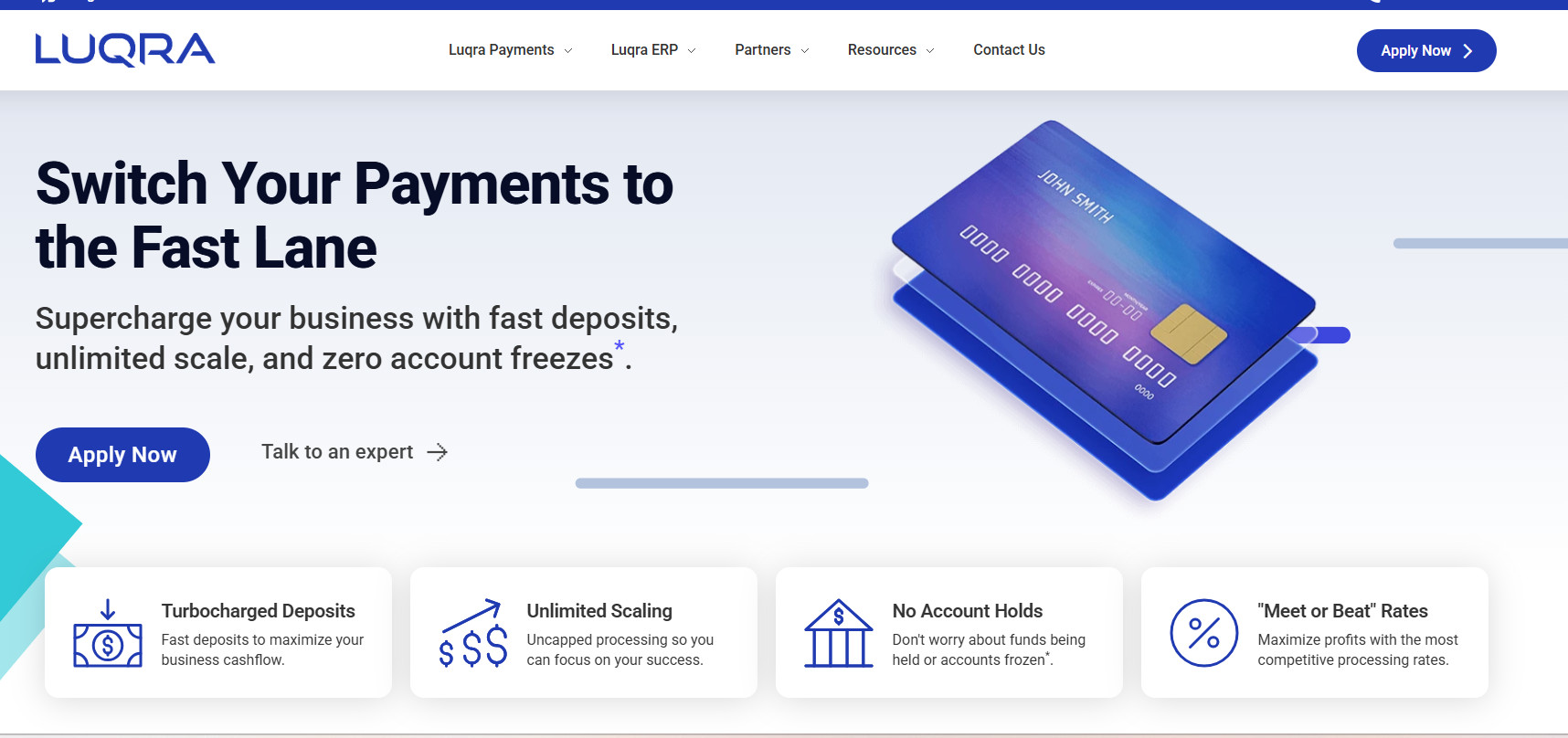
Designed specifically with e-commerce in mind, Luqra is a solid option for sellers who want their own merchant accounts with in-house underwriting. The processor notably works with both low- and high-risk sellers. And while clothing isn’t inherently high-risk, certain aspects of your business model can increase your store’s risk level, with rapid growth being a particular concern.
Mainstream payment aggregators like Stripe and PayPal place merchants under a shared master account, with the result being that they have a lower risk tolerance. If you experience a rapid spike in sales, mainstream processors may shut you down or hold your funds. Luqra is less likely to do this, promoting uncapped processing and no account holds.
Like many of its competitors, Luqra has strong fraud protection features, including configurable fraud filters and rule-based thresholds, which you can manage through its online portal.
Pricing
Luqra uses custom pricing tailored to your business, stating it keeps costs low and offers “meet or beat” rates.
E-commerce Platform Integrations
Luqra can integrate with many e-commerce platforms, some of which are Shopify, BigCommerce, WooCommerce, OpenCart, Magento, Ecwid, CheckoutChamp, and SamCart.
Customer Support
Luqra offers 24/7/365, U.S.-based phone support. You can also fill out an online form if you’d like. Many members of Luqra’s team have firsthand experience running e-commerce stores, and they can assist with areas extending beyond payments, such as providing marketing advice. Additionally, Luqra will assign you a relationship manager to help you through the application process.
Finix: Best for Subscription-Based Pricing
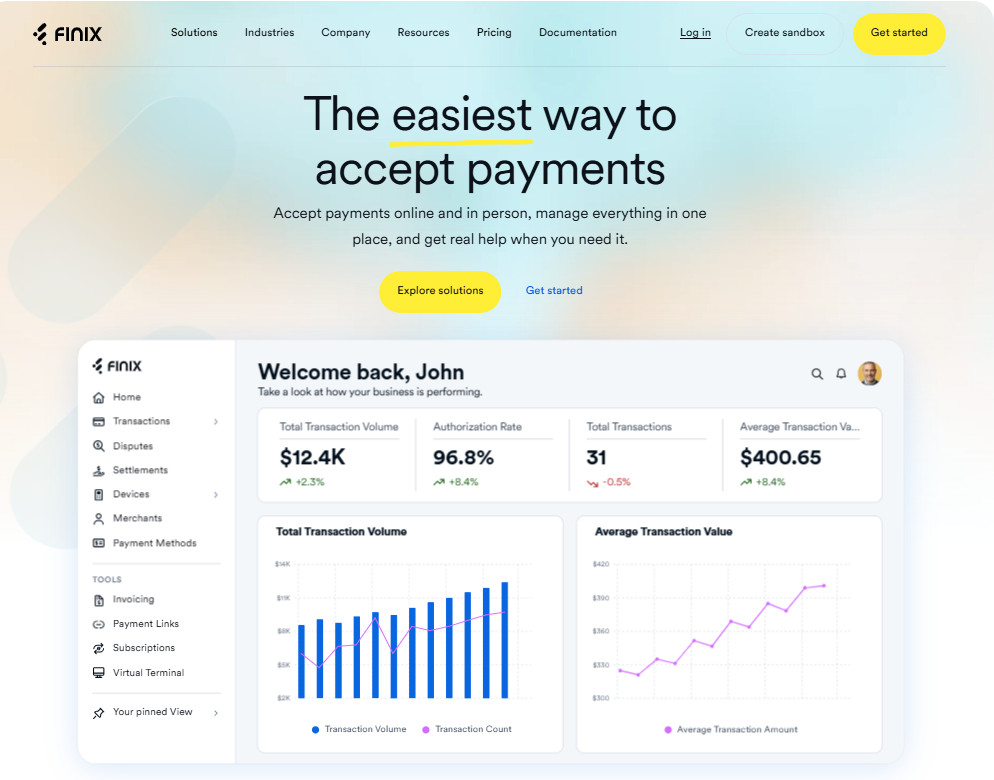
Finix occupies a similar space as Luqra, as it provides sellers with their own merchant accounts and is more tolerant of risk and growth. It’s targeted toward businesses processing at least $5,000 in sales each month, so those with particularly low sales volumes may wish to start elsewhere. Something it has in common with Stripe is the depth of its developer documentation, which you can use to build custom checkout integrations. Alternatively, you can use its low- or no-code solutions.
Regarding payment methods, you can use Finix to accept all major card brands, along with Apple Pay and Google Pay. It also has AI-powered fraud prevention tools, containing rulesets that are continuously updated to respond to evolving threats. Analytics is another of its strong suits, allowing you to view summary data charts, profitability metrics, chargeback trends, and more.
Pricing
Finix charges a $250 monthly membership fee alongside interchange-plus pricing. The card transaction fees are:
- Visa, Mastercard, Discover: IC + 0% + $0.15
- American Express: IC + 0.30% + $0.15
E-commerce Platform Integrations
You can connect Finix to Shopify, BigCommerce, WooCommerce, Adobe Commerce, OpenCart, Drupal Commerce, and PrestaShop.
Customer Support
Customer support at Finix takes place primarily via email. There’s no dedicated phone line, but if you’d like to speak over the phone, you can request a callback in your email.
Which Is the Best Payment Processor for Online Clothing Brands?
All the options covered here can be strong choices for e-commerce fashion businesses, but there’s no one-size-fits-all solution for payment processing in this niche. When you’re choosing a processor, you’ll want to carefully consider factors like e-commerce integrations, customizability, supported payment methods, and pricing before making your final decision.
If you sell on Shopify and are looking for a quick and easy way to get up and running, Shopify Payments would be a solid pick. You might like Stripe for its strong API documentation, PayPal for its support of many alternative payment methods, or Helcim for its interchange-plus pricing with volume discounts.
However, clothing brands aiming to scale rapidly would be better off considering a dedicated merchant account provider like Luqra or Finix. Be sure to factor in both your present needs and your future goals when shopping around.