


Last Updated on November 4, 2026 by The Digital Merchant Team
Final mile retail delivery has split into two very different worlds. On one side are e-commerce networks for small packages and on-demand deliveries of food or urgent items, which rely on gig economy drivers. On the other side are specialized retailers, carriers, and third party logistics providers handling scheduled, heavy deliveries like furniture, major kitchen appliances, fitness machines, and outdoor structures.
Many companies looking to grow their delivery fleets start with Bringg because of its strong reputation for automated dispatch and order visibility. But when daily operations involve two-person crews for loading and unloading, strict delivery windows, staging orders at the dock, and special packaging, platforms built for quick, light deliveries start to show their limits.
So finding the right alternative takes more than comparing basic routing and tracking tools. You need a platform that connects the warehouse to the final mile.
Top Bringg Alternatives at a Glance
Here’s how each platform stacks up for big and bulky delivery operations.
Platform | Architectural category | Average implementation timeline | Core operational focus | Primary platform limitations | Best for |
Grasshopper Labs | Unified first to final mile platform | Two weeks | Scheduled big and bulky two-person delivery | Rigid preconfigured workflows. It requires clean operational data before launch | Heavy goods retailers, carriers, and 3PLs needing warehouse dock and final mile control under one roof |
DispatchTrack | Dedicated transportation and final mile point solution | Two to four months | Scheduled delivery routing and customer communication | Lacks native warehouse management; requires separate software for docks | Delivery fleets picking up from third party docks that strictly need route planning and driver tracking |
FarEye | Global transportation visibility platform | Three to five months | Mid mile tracking and multi modal freight dispatch | High integration expense; inventory status relies on external middleware | Global logistics organizations managing complex cross border transportation networks |
Descartes / Manhattan | Enterprise supply chain management suites | Six to twelve months | End to end global supply chain operations | Excessive consulting fees and permanent reliance on software engineers | Large multinational corporations with massive internal IT engineering departments |
Where Bringg Falls Short for Scheduled and Heavy Goods Deliveries
Bringg has built its reputation on solving one specific problem: connecting large retailers with networks of independent and outsourced drivers to make local deliveries as fast as possible. Its dispatch engine works best when an order is a bag or small box that one driver can pick up at a store and drop at the customer’s door in under an hour.

The problem starts when retailers try to run big and bulky orders through that same dispatch model. Heavy equipment or freezers can’t just go out on any vehicle. Before a truck leaves, these steps all need to line up:
- Receiving the item at the warehouse
- Inspecting the pieces for damage
- Prepping components
- Planning loads based on truck space
Because Bringg focuses primarily on transportation synchronization, it doesn’t include a native warehouse management system. You’d have to run separate warehouse software and build custom API connections between the two. So when your warehouse crew spots freight damaged in transit or sets aside an uninspected carton, that information often stays stuck in the warehouse system. Your dispatchers then assign trucks to orders that aren’t ready for the morning load out.
Adapting Bringg for white glove installation, stair carry pay, and complex contractor payouts can also take months of custom engineering and high professional services fees, which eats into your margins.
Top Bringg Alternatives for Modern Logistics Operations
Switching platforms is a big decision, so it helps to compare tools that were built for heavy, scheduled deliveries from the start. Each of these alternatives handles the gap between the warehouse and the final mile differently.
1. Grasshopper Labs: Unified Execution for Big and Bulky Delivery
This platform approaches the final mile from an operational perspective substantially different from that of Bringg. Instead of treating transportation as a separated event, Grasshopper unifies the system to manage warehouses and the system for transport inside one single native database.
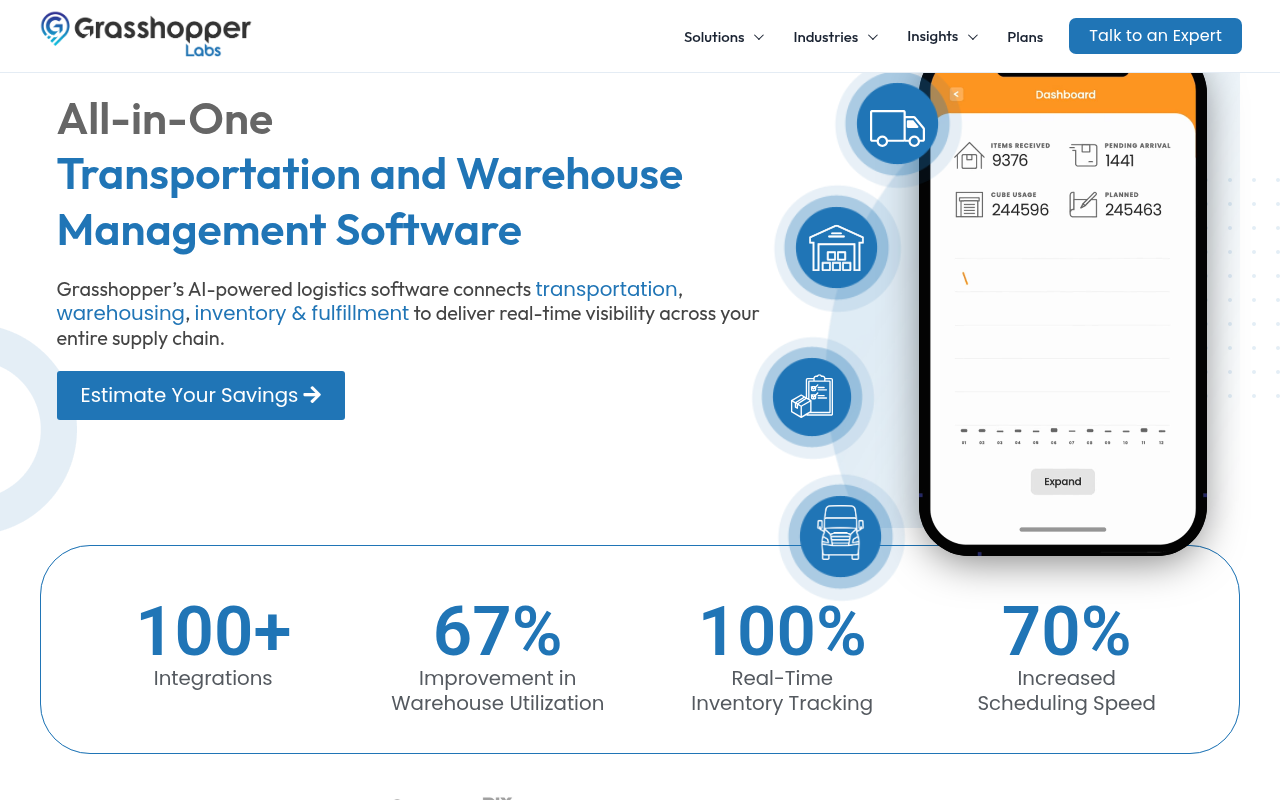
This unified architecture is really powerful for retailers and carriers of household goods, fitness equipment and loads with a big volume that require two or more people to load or unload safely.
The platform manages the complete operational workflow:
- The initial reception of the product at the dock
- The damage inspection
- The consolidation in the warehouse
- The optimization of routes
- The issue of proof of delivery showing specific details
- The breakdown of payment to drivers and other parties
Since there is no separation between the dock and the truck, the dispatchers know exactly which articles are physically ready before choosing routes.
Another key differentiator from Bringg is implementation speed. While enterprise orchestration deployments often drag on for several months, Grasshopper deploys in approximately two weeks by utilizing preconfigured workflows designed specifically for big and bulky loads.
That said, this setup comes with a few trade offs:
Grasshopper Labs is simply not built for lightweight parcel or on-demand courier operations. The platform was never designed to route single package courier drops or coordinate gig economy food deliveries, meaning that attempting to deploy it for rapid small box transit represents a direct operational mismatch.
The preconfigured workflows that allow the system to achieve two week deployments naturally limit custom software builds. The platform attains fast rollout timelines specifically because it enforces proven industry standards for heavy freight handling. Operations that need highly tailored screens or processes will find less flexibility here than with platforms custom coded from scratch by external engineering teams.
Achieving rapid onboarding requires thorough internal data preparation before implementation can even begin. Fast deployment depends directly on data readiness, so logistics teams must organize their facility geofences, fleet specifications, crew skill profiles, and contractor pay structures before initial setup starts. Organizations that enter the onboarding phase with disorganized master records will inevitably experience setup delays.
2. DispatchTrack: Dedicated Final Mile Routing and Customer Communication
DispatchTrack represents one of the most visible brands in the final mile transportation sector. Unlike Bringg, DispatchTrack has decades of focused experience in scheduled residential deliveries where customer appointment windows and two person handling are standard expectations.
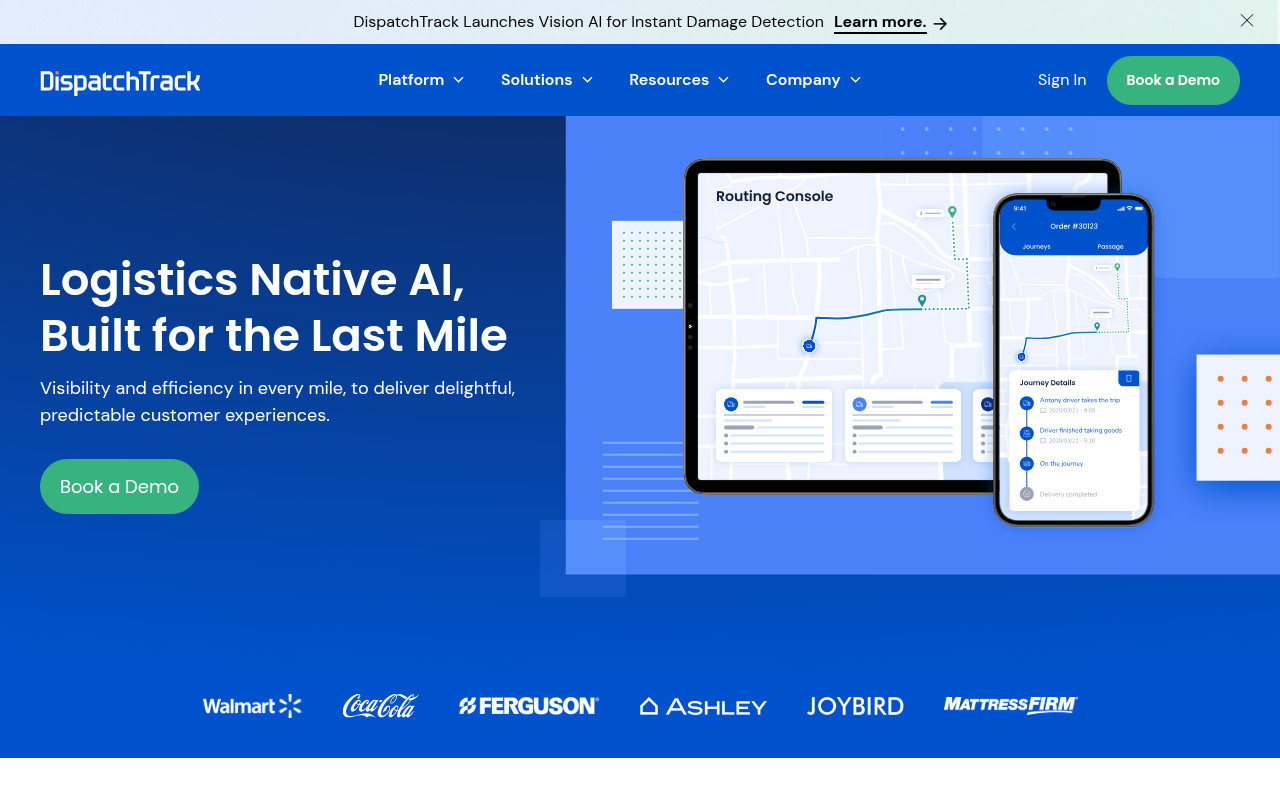
The platform excels in:
- Dynamic route optimization accounting for traffic patterns
- Automated customer self scheduling portals
- Mobile proof of delivery applications
Drivers can easily:
- Record signatures
- Take high resolution delivery photos
- Document customer exceptions
- Trigger immediate satisfaction surveys
The fundamental drawback of DispatchTrack is its architectural focus as a transportation point solution. It does not provide an integrated warehouse management system. Retailers and asset based logistics operations running their own cross docks or fulfillment hubs must purchase and maintain a separate warehouse platform.
Integrating DispatchTrack with an external warehouse system requires engineering resources to build and maintain middleware connections. Over time, maintaining these software bridges drives up IT maintenance expenses and introduces data synchronization errors between docks and trucks.
3. FarEye: Global Logistics Synchronization and Multi Modal Visibility
FarEye serves as a direct enterprise competitor to Bringg for large international retail brands and global logistics providers. Its primary strength lies in managing:
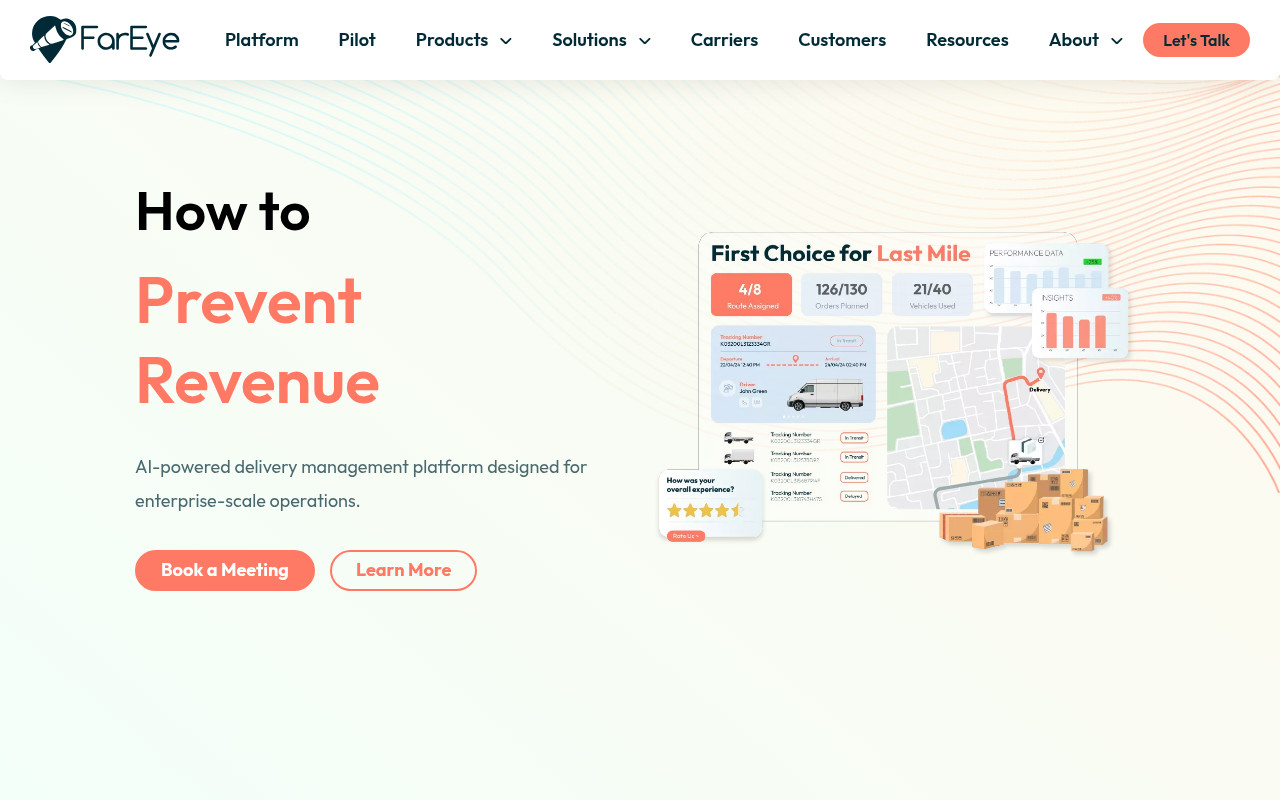
- Multi modal shipments
- Cross border freight tracking
- Multi carrier network allocation across multiple geographies
The software provides centralized visibility for organizations working with multiple regional third party delivery companies, offering control tower dashboards that monitor service level agreements and delivery exceptions. Its routing engine allows enterprise logistics directors to allocate parcel volume dynamically based on carrier pricing and real time performance metrics.
However, FarEye shares similar architectural limitations with Bringg when evaluated by operators handling big and bulky goods. Because it is designed primarily as a transportation and visibility engine, it does not natively manage:
- Internal warehouse bin locations
- Staging lanes
- Dock cross docking
Deployments frequently take between three and five months, requiring dedicated technical teams to map application interfaces and configure external system handoffs.
4. Descartes and Manhattan: Enterprise Level Supply Chain Suites
For multinational enterprise corporations operating massive global logistics networks with in-house software engineering teams, traditional enterprise suites like Descartes and Manhattan represent comprehensive solutions.
These platforms deliver extensive capabilities covering:
- International freight forwarding
- Customs compliance
- Intermodal rail tracking
- Advanced warehouse automation
- Fleet dispatching
They provide virtually limitless customizability, allowing corporate technology leaders to tailor every workflow to match complex enterprise architectures.
The major drawback for mid market retailers and regional carriers is the deployment overhead. Deploying Manhattan or Descartes typically requires six to twelve months or longer. Organizations must hire third party systems integrators billing premium hourly consulting fees to write custom software code.
During protracted rollouts, operations absorb dual software licensing fees and suffer significant productivity drops while software consultants attempt to understand the physical realities of the logistics terminal.
Core Evaluation Criteria When Selecting a Synchronization Platform
When comparing platforms, look past basic routing and tracking features. These are the areas that have the biggest impact on heavy goods operations.
Standalone point solutions versus unified platform architecture
A key consideration is the handoff between the loading dock and the delivery truck. Using separate systems for warehouse management and dispatch means syncing data through third party APIs. If warehouse crews find concealed damage on an item but dispatch doesn’t get the update in time, trucks leave with missing items, leading to costly failed deliveries. Unified platforms that connect warehouse staging, delivery tracking, and billing remove the ongoing cost of maintaining separate software connections.
Cargo characteristics and crew handling requirements
Heavy freight needs features that parcel systems don’t support. One driver can’t safely move a cast iron bathtub or a modular sofa upstairs. The software needs to account for multi-person crews, liftgate equipment, and realistic time on site. Platforms built for courier networks assume stops take three to five minutes, which leads to bad schedules for furniture assembly jobs that take 45 minutes or more.
Total cost of software ownership and technical independence
Looking only at monthly license fees misses a lot of the real cost. Operations leaders also need to factor in developer integration fees, implementation consulting, and paying for old and new software at the same time during long rollouts. Platforms with preconfigured workflows can launch in weeks instead of months, which saves money and reduces long term reliance on developers.
How to Choose the Right Bringg Alternative
The best fit depends on what you deliver and how much of your warehouse you need to control.
Choose Bringg if you’re a retailer handling on demand courier drops in under two hours, without heavy merchandise warehouses. It works well for connecting to carrier networks.
Choose Grasshopper if you’re a retailer, carrier, or asset based logistics provider running scheduled big and bulky deliveries with staging docks, tight appointment windows, two person white glove crews, and independent driver settlements. A unified platform removes fragile middleware integrations and dual software license fees, and can be fully deployed in about two weeks.
Choose DispatchTrack if your fleet picks up pre-staged freight from third party docks and you only need route optimization and driver tracking. You get focused value without changing your existing warehouse workflows.
Choose FarEye if you’re a large international retail brand or global logistics provider managing multi modal shipments and cross border freight across multiple carriers and regions. Its control tower dashboards give you centralized visibility across your delivery partners.
Choose Descartes or Manhattan if you’re a multinational enterprise with a massive global logistics network and an in-house software engineering team. You get virtually limitless customizability, as long as you can handle a six to twelve month rollout.