


- Roadmunk Strengths and Limitations
- What To Look For In a Roadmap Tool
- Roadmunk Alternatives: Our Top Picks for the Best Roadmap Management Tools
- 2. LaunchNotes: Best Alternative For Sharing Roadmaps and Communication
- 3. Aha! Roadmaps - Best Enterprise Roadmap Alternative
- 4. ProductPlan - Best For Lightweight and Visual Roadmaps
- 5. Jira Product Discovery - Best for Jira users or Atlassian-focused organizations
- 6. Monday.com - Best for Project Management Focused Teams
- Which Roadmunk Alternative Is Best For Your Team?
- In Summary, How to Choose a Roadmunk Alternative
Last Updated on January 23, 2026 by Ewen Finser
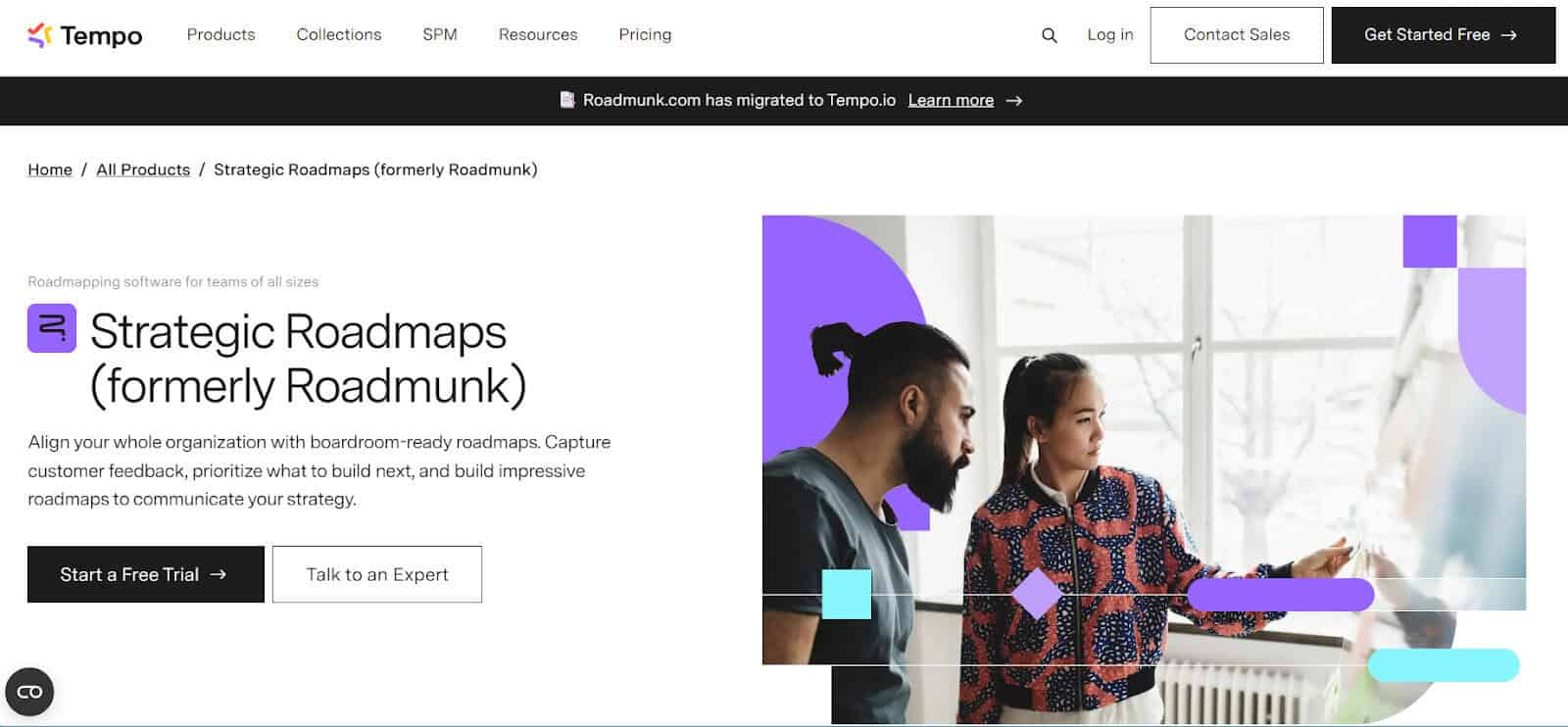
With so many options out there for roadmap tools, it can be hard to decide which is best for you. Roadmunk is one of the most well-known platforms, but it has also undergone quite a change in the last few years. Roadmunk was acquired by Tempo Software in 2021 and is now known as “Strategic Roadmaps.” However, for this article, I will refer to it as Roadmunk, as most users are already familiar with this name.
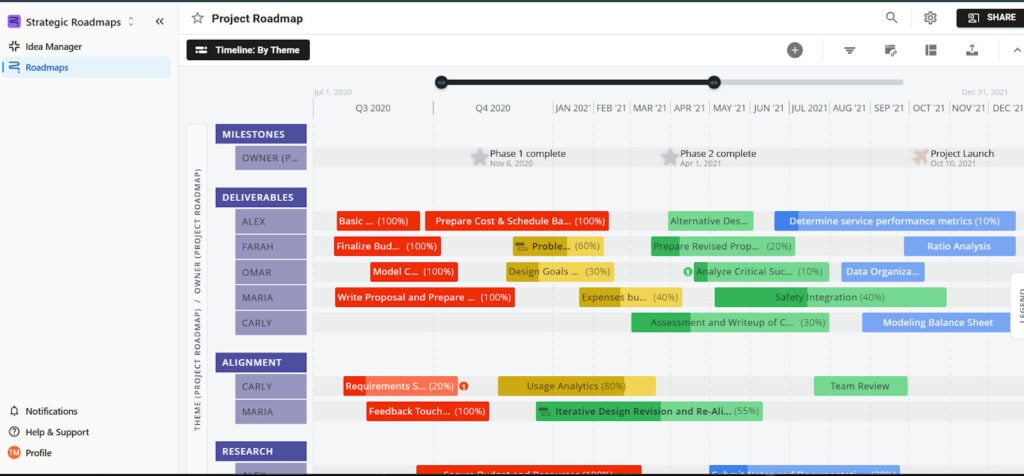
Roadmunk is primarily a roadmap tool that allows users to share and visualize roadmaps in multiple ways. Although it’s excellent at delivering straightforward roadmaps, I do find it a bit limited when it comes to additional functionalities that complement roadmap features.
I prefer to use well-rounded software, which means that I won’t need to make use of disparate systems. Having an all-in-one tool helps keep everything in one place and reduces costs and the administrative burden of managing multiple tools.
There are some great alternatives available that help users overcome some of the limitations experienced with Roadmunk. Aside from just straightforward roadmapping features, some of these tools also excel when it comes to collaboration, roadmap sharing, integrating feedback, and enabling product communications, all in one platform!
Roadmunk Strengths and Limitations
What Roadmunk Does Well:
- Overall, Roadmunk is easy to use and has a bright, simple user interface. It provides decent multi-view roadmaps, including swimlanes, timelines, and list views.
- Roadmunk’s drag-and-drop functionality makes amending roadmaps easy and user-friendly for multiple collaborators.
- Integrations will include well-known tools such as Jira, GitHub, Asana, Azure DevOps, and more.
- Roadmunk has several templates available to get started, which makes it easy for users to get up and running without needing to start from scratch.
- Integrated idea management features as part of the Strategic Roadmap module.
Roadmunk’s Limitations:
- Roadmap sharing can be limited and less dynamic than other tools. I often find that I need to share and update roadmaps as a team, which means making use of more collaborative tools that allow integrated feedback loops.
- Roadmaps are limited to specific views and can’t be amended to more visually appealing views like Kanban Boards or Gantt charts.
- When it comes to offering transparent communications, Roadmunk tends to fall short. Product teams need a way to split out customer-facing and internal communications in a way that can be easily accessible and segmented.
- Roadmunk is also limited in terms of integrations compared to competitors, which makes it harder for teams to connect a wide range of tools.
What To Look For In a Roadmap Tool
When looking for alternatives, it’s essential first to consider your main goals and pain points you’re looking to solve. Whichever features are vital for you, there are some core functionalities that are important to consider when looking for a well-rounded roadmap management software.
Here’s a Quick List of Key Features That I Look For:
Overall Ease of Use and Flexibility
- Any software should first and foremost be easy to use and should not require a steep learning curve.
- Customizable roadmaps and flexible configuration are always a high priority for me. The ability to add and make changes with shifting strategies and priorities is essential for product teams. Flexible views that can be tailored for different audiences is always a functionality I look out for.
- Flexible roadmaps that allow workflows can be a powerful way for Product teams to manage their tasks with ease.
Roadmap Sharing and Collaboration
- The ability to access and share roadmaps is critical. If you have a platform that doesn’t allow sharing, this can be a significant limiting factor.
- Internal and external roadmap views are a vital way to split out key strategic roadmap items. Some information should not be surfaced to external users or customers, and having a way to ringfence sensitive roadmap items is essential.
- Notifications and updates should be easy to set up and subscribe to so that users can stay ahead of any changes to roadmap items with ease.
Customer ideas, feedback, and insight collection
- A great roadmap tool should allow customers to vote or provide feedback directly on the roadmap items.
- The ability to prioritize features and roadmap items based on customer feedback and votes is a great way to keep functionalities in one tool.
Integrations
- Product roadmap tools should allow integrations with other PM software or have built-in integrations to ensure that updates are sent and received in one place.
- Integrations with popular tools like Asana, GitHub, Jira, Slack, and other PM tools can make roadmap management easy.
Roadmunk Alternatives: Our Top Picks for the Best Roadmap Management Tools
1. Productboard: Best for Customer-Centric Roadmaps
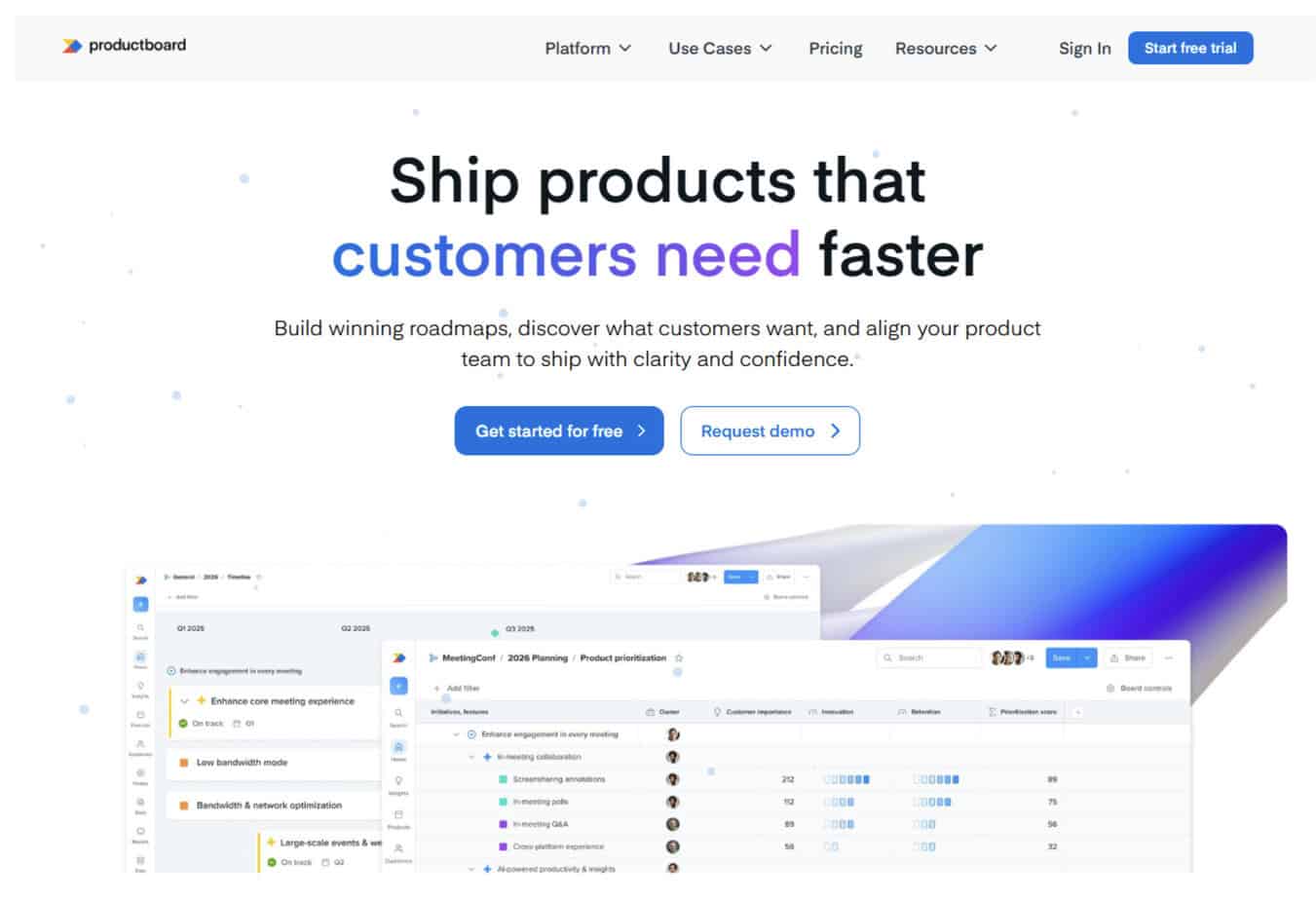
Productboard is a popular tool for teams that have a customer-first approach when it comes to creating roadmaps that speak to customer needs and priorities. Productboard has a range of dynamic roadmap views that can be set up in a unified view, making it a great tool that needs to tie roadmap goals with strategic initiatives.
Productboard Strengths:
- Customer-centric tool that allows users to set up roadmaps according to customer prioritization.
- Good range of roadmap views for organizations that want a visual tool that allows a good level of control.
- Ability to configure roadmap view with an easy toggle switch to include specific objectives and attributes such as owner, work progress, percentages, and more.
- Customizable prioritization boards with easy-to-use drag and drop features. Users can switch between views like “now, next, later” that can be set up to show features linked to corresponding objectives and other criteria.
Why Productboard is a good alternative to Roadmunk:
Productboard offers a lot more flexibility around roadmap views, configuration, and customization. It’s also a really customer-focused tool that helps teams align priorities with business goals using data to drive decisions.
2. LaunchNotes: Best Alternative For Sharing Roadmaps and Communication
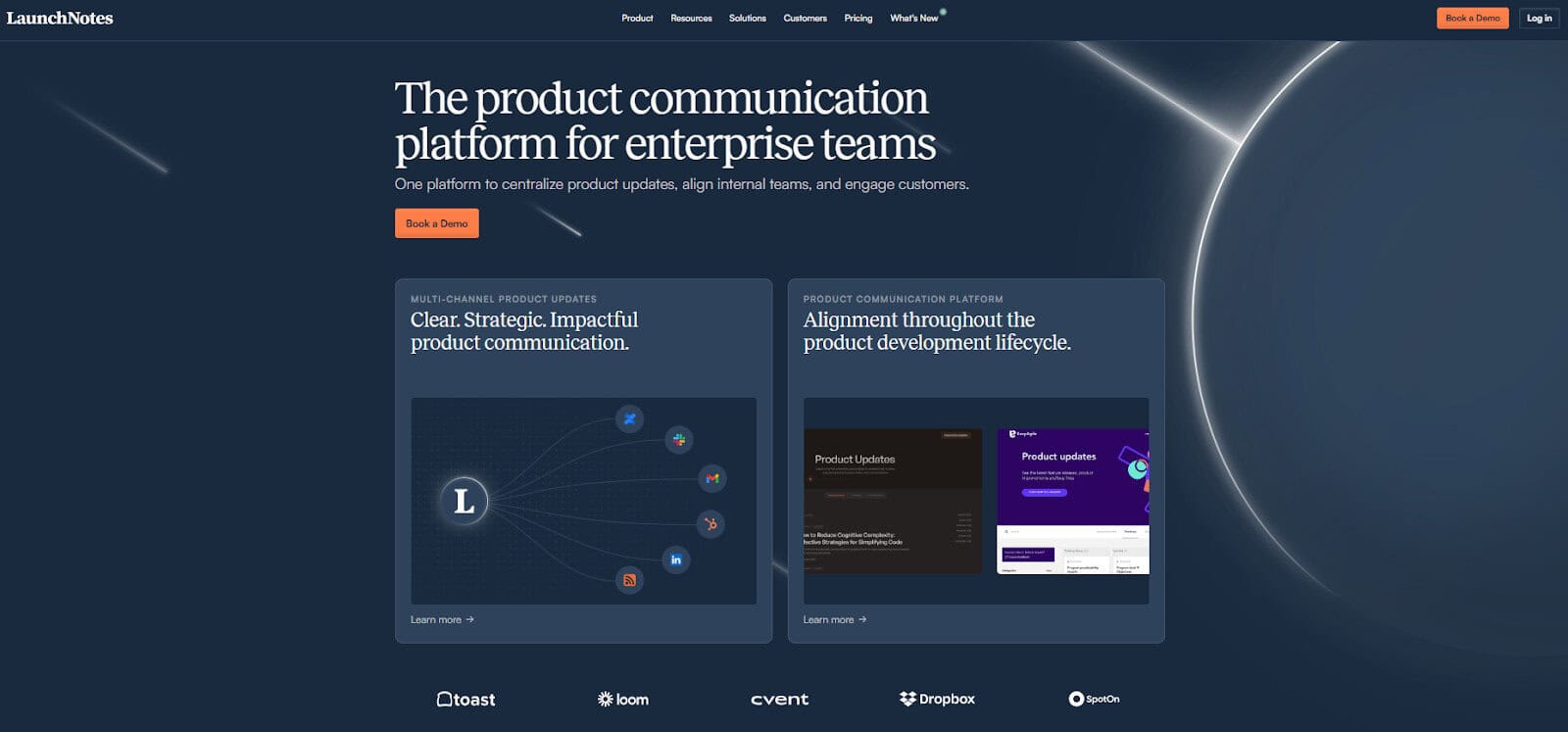
LaunchNotes is an excellent option for teams that need more than just a way to create simple roadmaps. LaunchNotes offers users a way to build, create, and configure transparent and customizable roadmaps that can translate into interactive and customer-facing updates.
LaunchNotes is ideal for teams needing more than just a product roadmap tool and is best suited for those needing to close the loop on roadmap communications, announcements, and changelogs.
LaunchNotes Strengths:
- LaunchNotes stands out with its ability to help users create roadmaps that are purpose-built for easy sharing.
- Options to create internal or external roadmaps, which can be customized for versatility.
- Users can subscribe to receive automated notifications directly on roadmap items, making it ideal for stakeholders to get time-sensitive updates.
- Unified tool that allows roadmaps, announcements, and changelogs to be created and managed all in one place.
- Integrated feedback, insights, and idea management capabilities within the tool. Allows users to provide input and sentiments directly on the roadmap items, helping product teams prioritize more effectively.
- Extensive segmentation functionalities within the tool allow organizations to split out key roadmap items as well as communications.
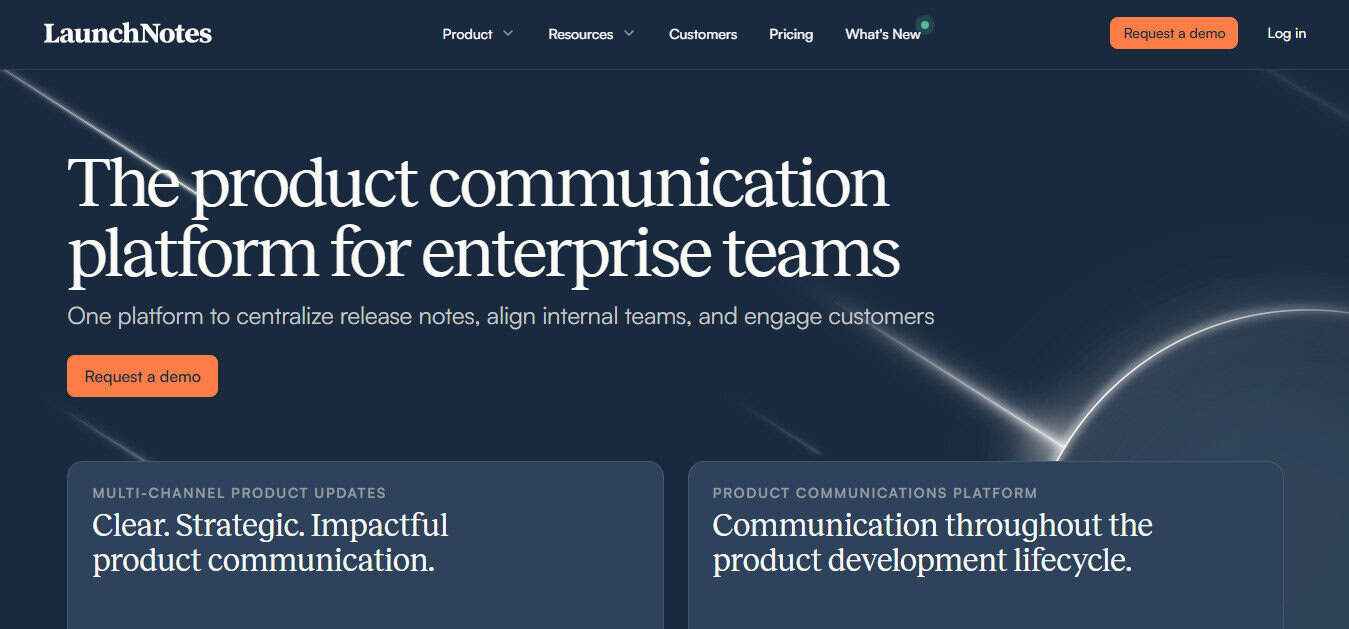
LaunchNotes takes the busywork out of product updates. Paste in your notes or tickets and get a structured announcement draft instantly. It’s designed for teams that want to save time, segment updates, and keep communication consistent across every channel.
Why LaunchNotes is a good alternative to Roadmunk:
LaunchNotes helps teams not only create a great user-friendly roadmap, but also helps teams create shareable and interactive roadmaps with segmented audiences. LaunchNotes also goes a step further in closing the feedback loop by ensuring that customers or internal stakeholders can provide updates or feedback on the roadmap directly. LaunchNotes is a standout tool for managing the entire lifecycle of roadmap communications.
3. Aha! Roadmaps – Best Enterprise Roadmap Alternative
Aha! Roadmaps is a heavyweight when it comes to roadmap management, best suited for large-scale organizations that are less cost-conscious and for those that need more advanced functionalities. Product teams that need a strong tool that can help create customizable roadmaps with the use of templates and AI-assisted features may find Aha a great alternative.

Aha! Roadmaps Strengths:
- Aha! is first and foremost an exceptionally feature-rich platform that can manage more than just roadmap creation.
- Purpose-built AI assistant within the tool helps product teams create clear product visions and initiatives that help drive product direction and prioritization.
- Users can easily create dependencies, linked epics, or roadmap items to key business strategies.
- Integrated idea and feedback management portal within the tool, helping to keep feedback centralized and product teams informed. AI-driven features can link feedback to initiatives directly on the roadmap, saving teams time and effort.
Why Aha! Roadmaps is a good alternative to Roadmunk:
Aha! is a great alternative for larger teams or businesses that have large-scale needs and advanced requirements. Where Roadmunk seems limited in features, Aha! is exceptionally feature-rich and can manage a multitude of tasks outside of simple roadmap management. Its standout AI-assisted features within the tool can help larger businesses save time and add a level of efficiency that may be lacking in other tools.
4. ProductPlan – Best For Lightweight and Visual Roadmaps
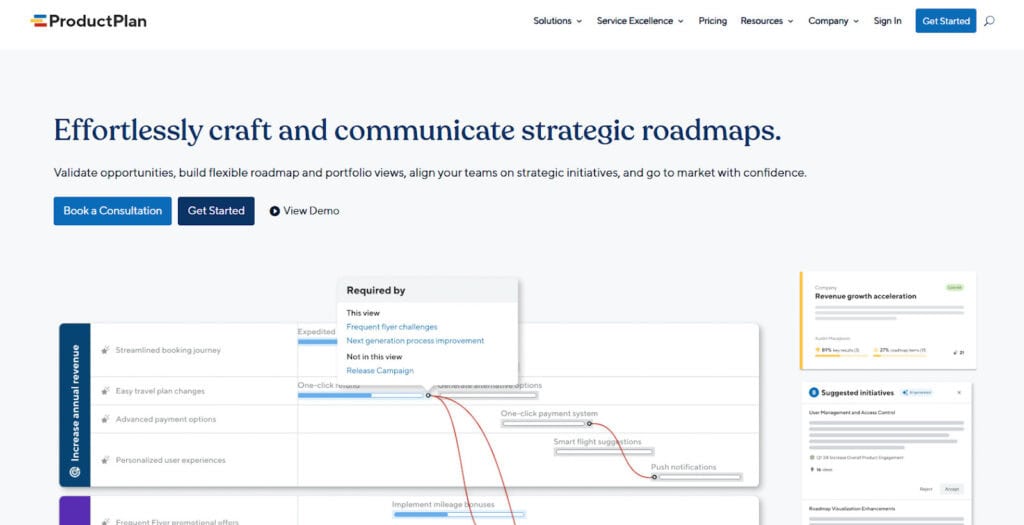
Where some of the other tools feel exceptionally feature-heavy, ProductPlan is best for users who need something lightweight and easy to use. With customizable views, it’s easy to create shareable roadmaps which can be embedded directly into apps or platforms like Microsoft Teams or Slack that your team may already be using.
ProductPlan Strengths:
- Clean, easy-to-navigate user interface with simple drag and drop features for quick and easy roadmap management.
- Great for creating easily accessible roadmaps where users can easily locate them in tools that may already be in use.
- Option to create simple views or more advanced strategic portfolio views, which is ideal for stakeholder presentations.
- Integrates with popular software tools such as Microsoft DevOps or Atlassian Jira to help keep teams aligned and surface any blockers immediately.
Why ProductPlan is a good alternative to Roadmunk:
ProductPlan stands out for its simplicity. Where some users or teams may be overwhelmed by the cost or complexity of other roadmap tools, ProductPlan is far easier to navigate and requires a less steep learning curve. It’s lightweight and straightforward, making it great for lean teams who need to get up and running within minutes.
5. Jira Product Discovery – Best for Jira users or Atlassian-focused organizations
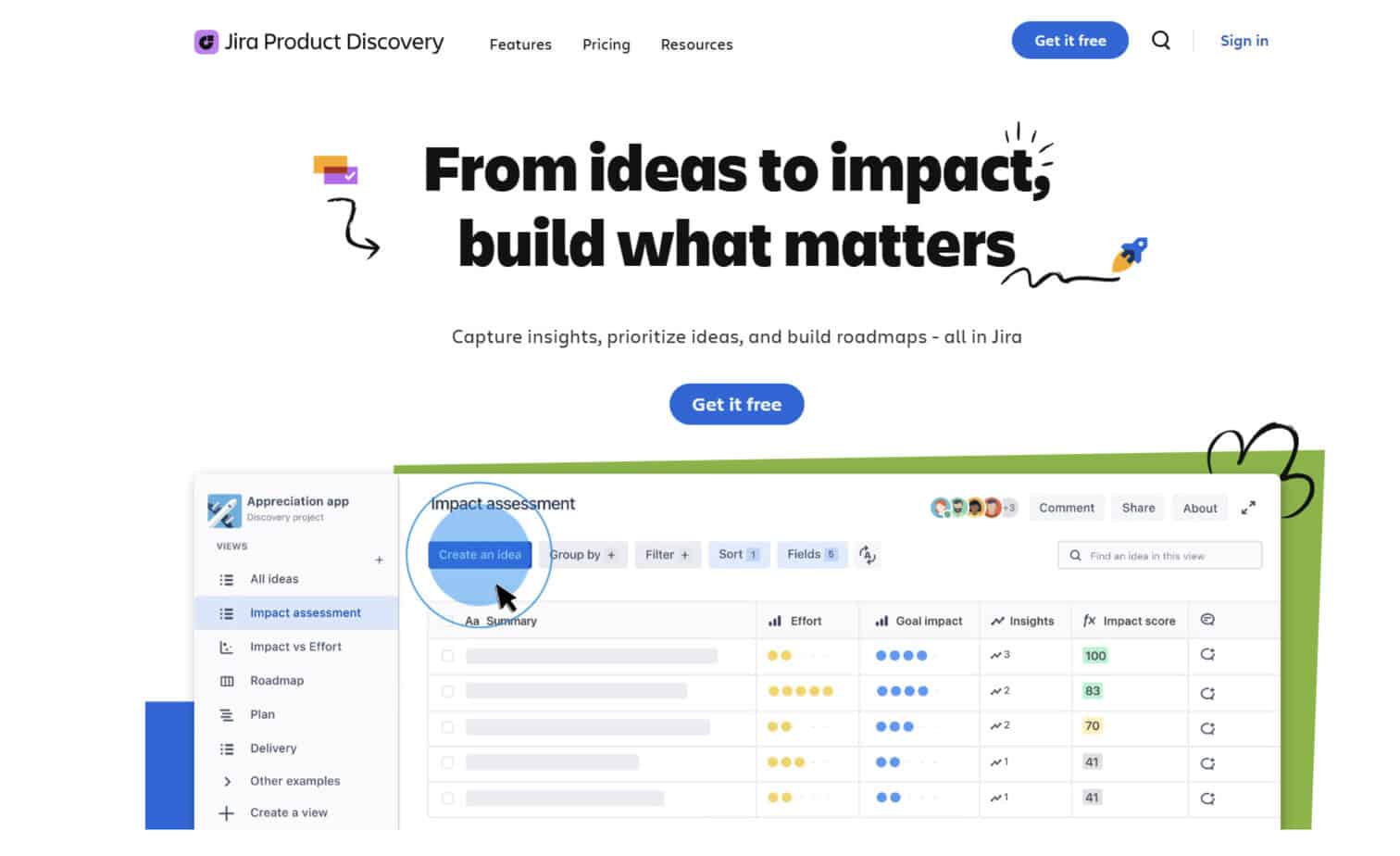
Jira’s Product Discovery is a solid alternative for teams that already use any of Atlassian’s tools, like Jira or Confluence. Integrated initiatives can be easily linked to tasks, development items, or project management tasks, all within one tool.
Jira Product Discovery Strengths:
- An excellent alternative for organizations that are idea-led and require a lightweight tool that helps centralize customer feedback and ideas into the product development and management process.
- Ability to incorporate existing workflows, delivery management, roadmap management, and more, all within the Atlassian ecosystem for easy centralized product management.
- Best suited for internal-focused teams that don’t require external-facing roadmaps and communications.
- Ability to integrate into existing Atlassian suite products like Confluence makes it easy for product teams to create and publish communications, release notes, and other knowledgebase articles in a centralized, connected way.
Why Jira Product Discovery is a good alternative to Roadmunk:
While Roadmunk possibly offers more extensive methods for sharing roadmaps for customer-facing views, it lacks some of the advanced integration capabilities of Jira Product Discovery. For teams already within the Atlassian ecosystem, Jira Product Discovery may be a better option and offer a way to keep teams aligned with real-time updates across platforms such as Confluence, Jira Service Management, and other Jira tools.
6. Monday.com – Best for Project Management Focused Teams
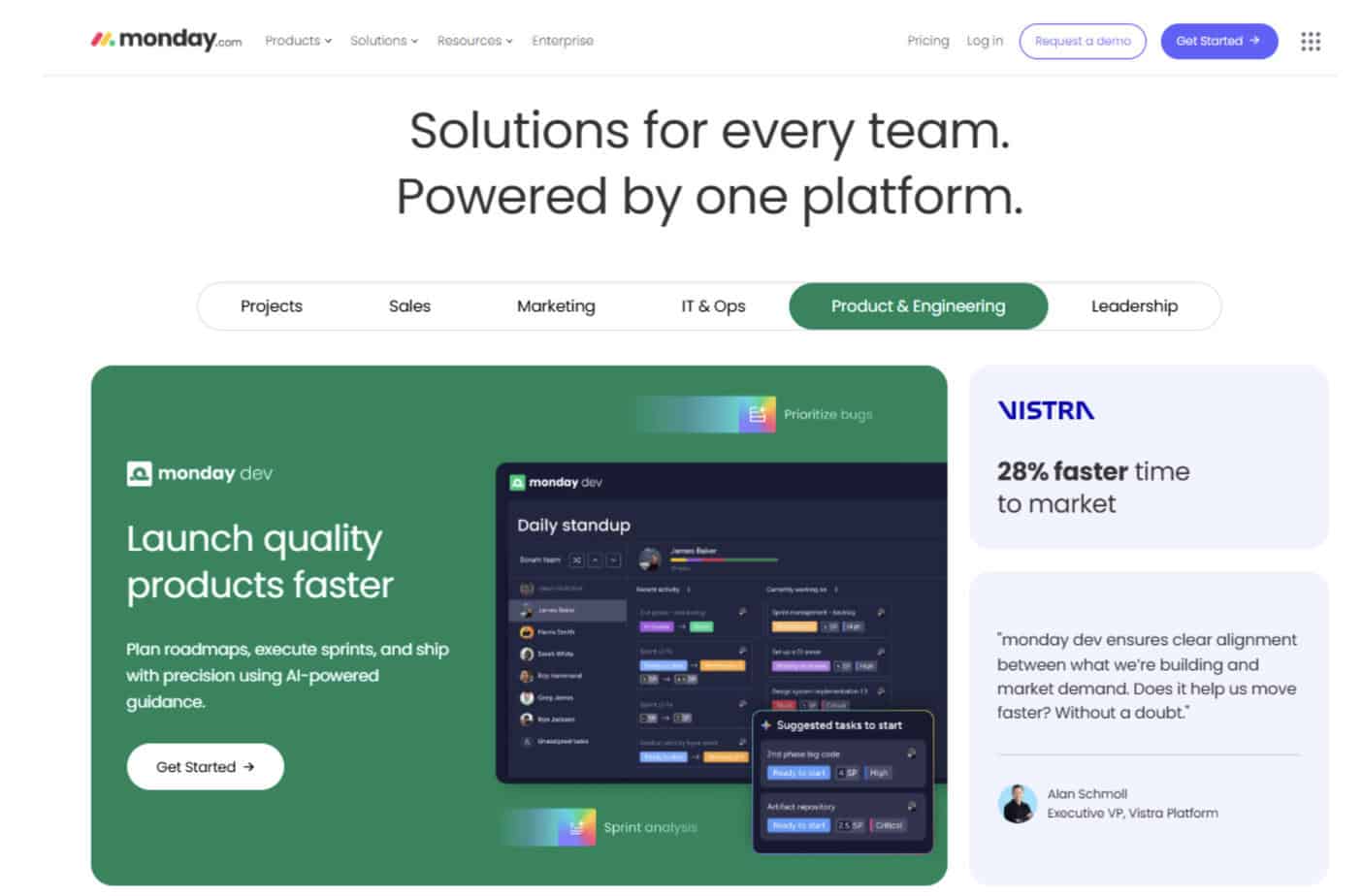
Monday.com, although not technically a complete roadmap management tool, is often used in this way. Larger organizations that are strongly focused on using a centralized tool across multiple teams may find that Monday.com’s task and roadmap management features may be a great fit.
Monday.com Strengths:
- Ideal for teams that already use Monday.com to manage their work tasks or project management. Roadmaps can be easily integrated into existing workflows and strategies.
- AI-assisted features built into the platform that help teams predict risks and create better roadmaps by analyzing customer insights and priorities.
- Users can create a diverse range of boards and views that can be shared internally or externally, which makes it a good option for stakeholder presentations.
Why Monday.com is a good alternative to Roadmunk:
Monday.com has a wide range of functionalities within the platform and is a popular alternative for teams that want more than just a roadmap management tool. Although it may require a more hefty implementation than more lightweight tools, Monday.com can help deliver functionality across teams in sales, marketing, finance, project management, and product, all within one platform. It’s ideal for project-management-focused teams who want to manage ongoing work across departments.
Which Roadmunk Alternative Is Best For Your Team?
When weighing up options, users should compare which main features are most important to them. Decide whether you need a simple, lightweight tool or a more feature-heavy option that can deliver more than just roadmap options.
Also consider how steep the learning curve is and what your budget is when it comes to choosing a software tool. Here is a quick overview to help you decide!
Tool | Best for | Overall ease of use (out of 5 stars) | Pricing |
Productboard | Customer feedback-driven roadmaps | *** | Free plan availablePricing ranges up to $59/maker per month. |
Best for roadmap sharing and communications. | ***** | Pricing starts at $249 for two users per month. | |
Aha! Roadmaps | Best for enterprise organizations | *** | Pricing ranges from $59/maker per month up to $149/maker per month. |
ProductPlan | Best lightweight and visual product tool | ***** | No pricing publicly available – Upon request only. |
Jira Product Discovery | Best for Atlassian and Jira users | ** | Free plan availablePricing ranges from about $10/maker per month for the standard plan. |
Monday.com | Best for project management-focused teams | *** | Free (for less than two users) up to $19/user per month. Pricing scales based on team size |
In Summary, How to Choose a Roadmunk Alternative
Whichever option you choose, decide which features are most important and if you need a tool that is internal only or rather one that caters to external and customer-facing audiences. Some platforms offer extensive communication functionalities and transparency, and others are more strongly focused on automations and workflows.
Deciding which option is best for you depends on your product and business goals. Although Roadmunk is a well-rounded option for roadmap management, it lacks when it comes to transparent communications and engagement. An excellent, well-rounded roadmap management tool should allow transparent, easily shareable roadmaps that can gather insights and help teams make better decisions.
Related Read