


- Quick Comparison Table: Parcel Monkey Alternatives
- Why Most Businesses Outgrow Parcel Monkey
- What to Look for in a Parcel Monkey Alternative
- 1. Shippo - Best Overall Parcel Monkey Alternative
- 2. Pirate Ship - Cheap Labels, Minimal Workflow
- 3. ShipStation - Good for High-Volume Enterprise Businesses
- 4. Easyship - Good for International-First Shipping
- 5. Sendcloud - Aimed at European Merchants
- 6. ShippingEasy - Simple Step Up from Parcel Monkey
- Final Verdict: Which Parcel Monkey Alternative Should You Pick?
Last Updated on March 19, 2026 by Ewen Finser
If you’ve ever Googled ‘cheap shipping rates’ or ‘send a package internationally,’ you’ve probably seen Parcel Monkey. It does what it promises: low rates, courier comparisons, and cheap international shipping.
But once you start running a real eCommerce business, especially shipping multiple packages per day, the limitations quickly become clear. There’s no automation to streamline repetitive tasks, no proper order syncing with your store, and no fulfillment workflows to manage everything efficiently.
Let’s talk about the best Parcel Monkey alternatives based on real-world use with Shopify stores, WooCommerce sites, and growing DTC brands.
Quick Comparison Table: Parcel Monkey Alternatives
Tool | Best For | Automation | Integrations | International Shipping | My Opinion |
Shippo | eCommerce businesses | Strong | Major e-commerce marketplaces and platforms | Yes | Best all-round alternative |
Pirate Ship | Low-volume sellers | None | Good | Basic | Cheap, but limited in functionality |
ShipStation | Teams with complex shipping needs | Advanced | Very wide, including niche platforms | Yes | Powerful but complex |
Easyship | International-first sellers | Advanced | Good | Excellent | Global focus, mixed UX |
Sendcloud | EU & UK sellers | Limited | Good | Europe-centric | Strong for Europe |
ShippingEasy | Small stores upgrading | Strong | Good | Yes | Easy but quickly outgrown |
Why Most Businesses Outgrow Parcel Monkey
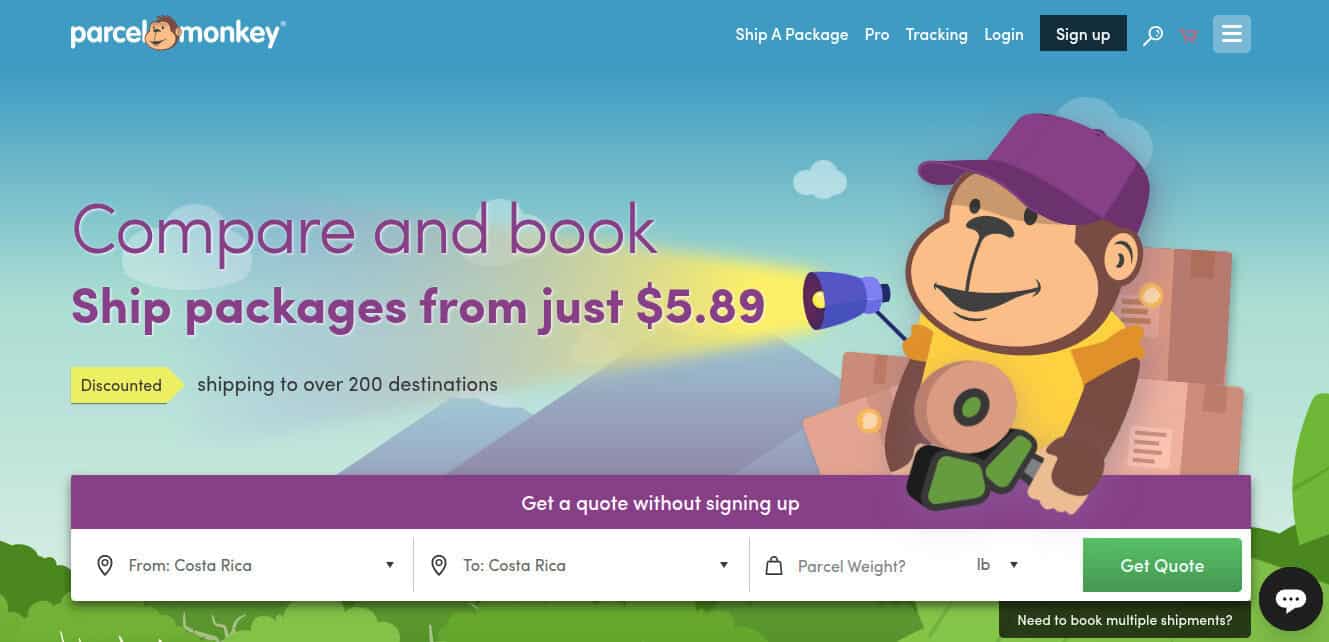
Parcel Monkey works fine when:
- You’re sending the occasional package
- You don’t need order syncing
- Every shipment is handled manually
The limitations of Parcel Monkey start once you’re shipping high volumes daily:
- No way to bulk process orders or automate your shipping, forcing teams to handle orders individually. This not only wastes time but can also slow down fulfillment and increase the risk of manual errors.
- No real store integrations, resulting in tedious and error-prone processes
The breaking point for most people is how long it takes everything to start, and how many mistakes start to be made. That’s where proper shipping management software comes in handy.
What to Look for in a Parcel Monkey Alternative
Parcel Monkey lacks a lot of the functionality of other shipping management software, so before jumping into those tools, let’s be clear about the benefits you’ll want before making a decision:
1. Real Order Syncing: Orders should automatically import into your shipping dashboard from Shopify, WooCommerce, Amazon, Etsy, or whichever eCommerce platform you’re using.
2. Automation: Automations are one of the first things you’ll notice when you get a new tool. The best tools have easy-to-use automations which expedite the label creation process by removing repetitive tasks. For example, automatically assigning a particular package template for certain items, or automatically choosing a specific service level based on the weight of an item.
3. Batch Label Printing: When you get hundreds of orders a month, you need to create multiple labels per day. The best tools allow you to edit and print 100 labels in one go, which is a huge time saver.
4. More Carrier Options: Parcel Monkey works with ~15 carriers, while other software services have more. Shippo, for example, has ~40 carriers.
5. International Without Headaches: Customs forms are where things become a bit more complicated, and good tools help you manage those forms with ease.
6. Scales With Your Business: You shouldn’t have to switch tools again in six months. You want a tool that can grow as you do, without adding a huge amount of cost.
1. Shippo – Best Overall Parcel Monkey Alternative
What Is Shippo?
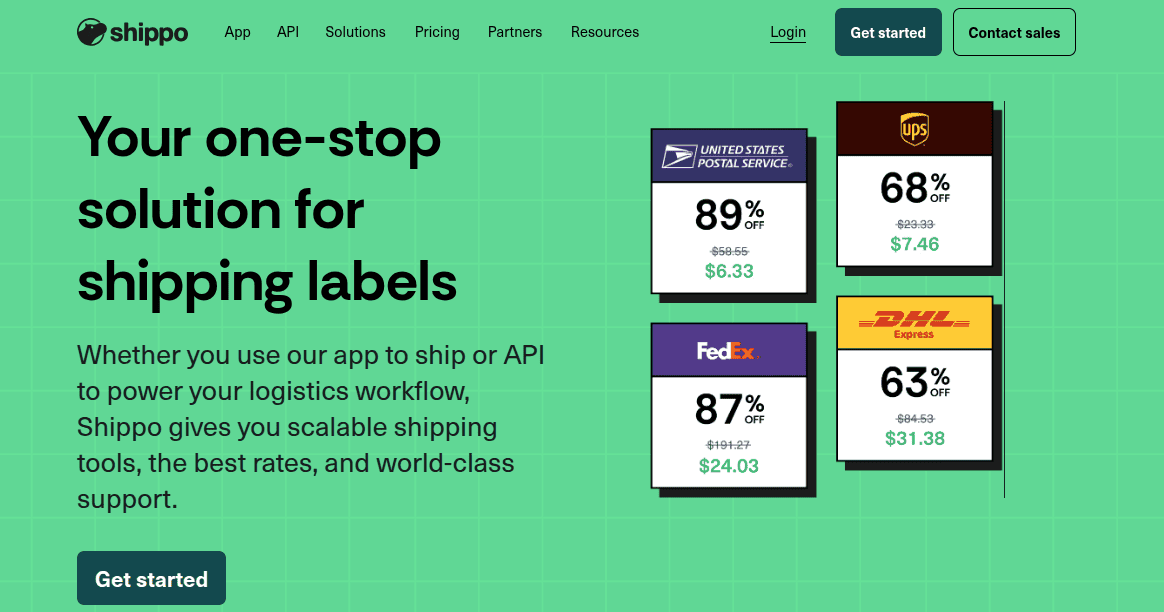
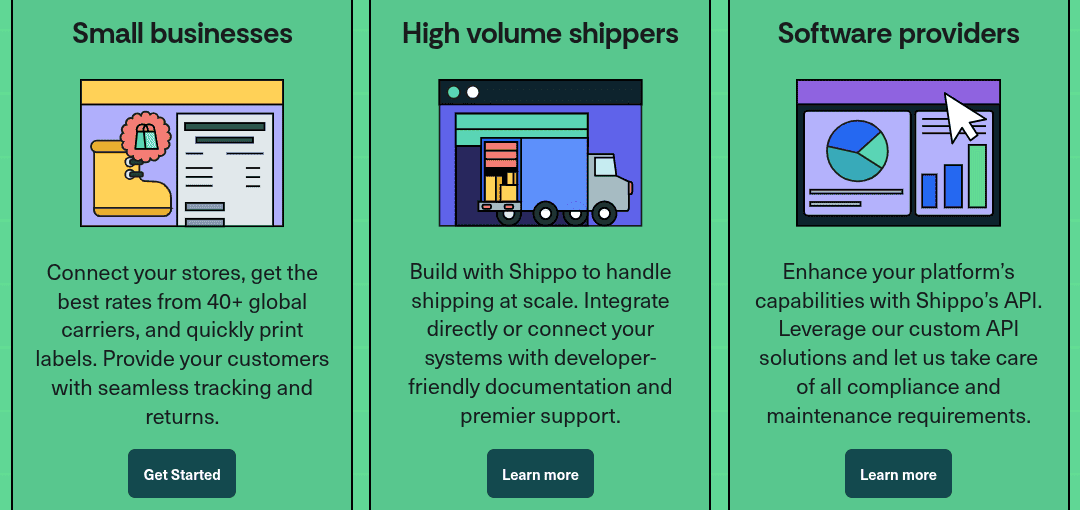
Shippo is a full shipping management platform designed for growing eCommerce businesses. It’s ideal for solo operators or small-to-mid teams who are tired of manually entering orders, dealing with errors, and juggling multiple platforms. It combines discounted rates for 40+ carriers with tracking, returns, and automations–all in one easy-to-use platform.
Parcel Monkey works fine if you’re sending a few packages here and there. You pick a courier, ship it, done. But once you’re dealing with real volume, that approach doesn’t really scale. Shippo is built for that next stage: automating your workflow, managing all your store orders in one place, and not having to manually think through every single shipment.
Key Features
- Access to discounted rates for 40+ carriers (USPS, UPS, FedEx, DHL, Royal Mail, Evri + more)
- Direct integrations with Shopify, WooCommerce, Amazon, Etsy, and others, so you can manage shipping for all your orders in one dashboard
- IF/THEN automation rules that help you automate repetitive shipping decisions; easy to use, even for non-technical people (like me)
- Bulk label editing and printing of up to 100 labels, saving you time
- Strong international shipping support with customs forms automations
- Good API for custom-built workflows
Real-World Example
If you sell on Shopify or any other major e-commerce platform, your orders automatically sync to Shippo. No copying addresses, no jumping between carrier websites.
From there, you can set up automation rules that handle the repetitive decisions for you:
- IF item = ‘small t-shirt’ THEN apply Small T-Shirt box
- IF destination = UK THEN use Royal Mail Tracked
- IF weight < 1 lb THEN use USPS First Class
Label generation, tracking, and returns all live in the same dashboard. Once your rules are configured, most of the manual work just disappears.
After that, you can also integrate with your other stores. The dashboard shows shipment status, so even if it’s just you running operations and customer service, you can see what’s happening with every order.
What I Liked
- Big step up in functionality and much faster than Parcel Monkey at handling daily shipping tasks
- Reduces manual work, prevents errors, and saves time for growing teams
- Clean, modern dashboard, easy to understand and use
- Automations are genuinely easy to set up, no need to be technically minded
- Great balance of enterprise-level features, without the added complexity of an enterprise tool
- Good value shipping rates, equal to Parcel Monkey, but offers way more carriers
What I Didn’t
Because Shippo gathers more details upfront, including sender address information and store integrations, the setup can feel slightly longer compared to Parcel Monkey. Still, these steps help automate and simplify shipping later, which can ultimately save time once you’ve gotten your workflow up and running.
Who’s It For?
- Businesses selling on multiple platforms, such as Shopify, Amazon, and WooCommerce sellers
- Businesses shipping many packages daily
- Growing eCommerce businesses that need automations
- Anyone tired of manual shipping decisions
2. Pirate Ship – Cheap Labels, Minimal Workflow
What Is Pirate Ship?
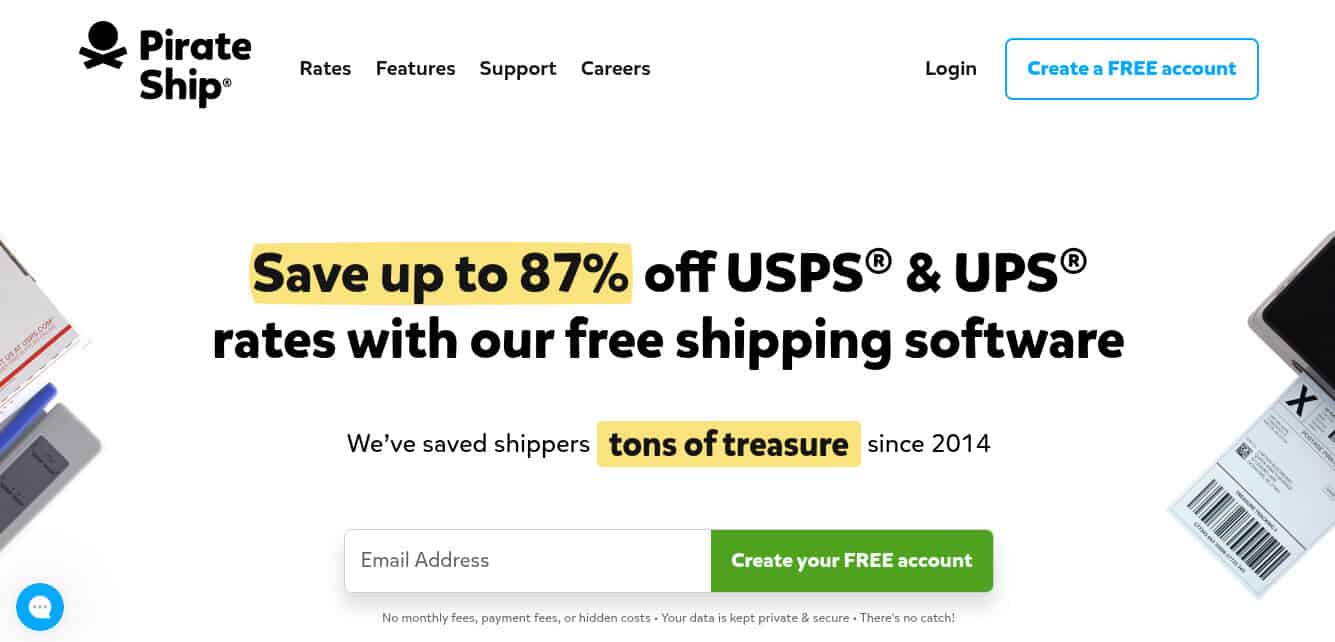
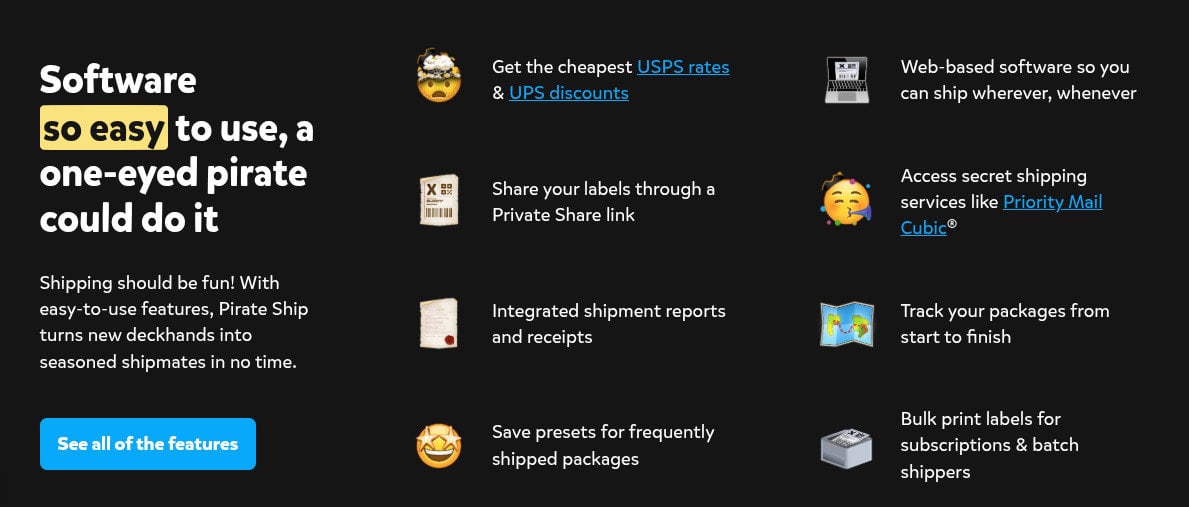
Pirate Ship is a free label-printing tool and basic shipping management tool, focused on USPS and UPS shipping. It is a bit of a step up from Parcel Monkey, without going into a full shipping management tool.
It’s designed for sellers who want cheap labels and who don’t need any automation, without paying a monthly fee. It’s often the first tool people look at after they’ve outgrown Parcel Monkey.
Key Features
- Discounted USPS and UPS rates
- Simple international shipments flow
- Very basic order imports
- No subscription fees
Real-World Example
For something like a low-volume eBay store, Pirate Ship works well as a simple, no-friction way to handle shipping. You connect your account, import orders in a couple of clicks, choose a USPS/UPS service, and print your labels. There’s very little setup involved, and almost no learning curve, which makes it easy to get started even if you’ve never used shipping software before.
What Pirate Ship does well here is remove decision-making. You’re not setting up rules, carriers, or workflows; you’re just choosing a service and moving on. For sellers shipping a handful of orders a day, that’s often exactly what they want. It feels fast, lightweight, and easy to fit around everything else you’re doing to run the store.
What I Liked
- Cheap USPS and UPS rates
- Simple, clean interface
- No monthly cost
- Easy label creation
What I Didn’t
- No real automation
- Limited carrier options
- Weak international shipping
- Still very manual once volume increases
- You need to make the same shipping decisions multiple times per day
Who’s It For?
- Sellers who work with sites like eBay, Squarespace, Wix, Square, and Paypal
- Very low-volume Shopify stores
- Sellers who want the cheapest labels and don’t mind manual work
3. ShipStation – Good for High-Volume Enterprise Businesses
What Is ShipStation?
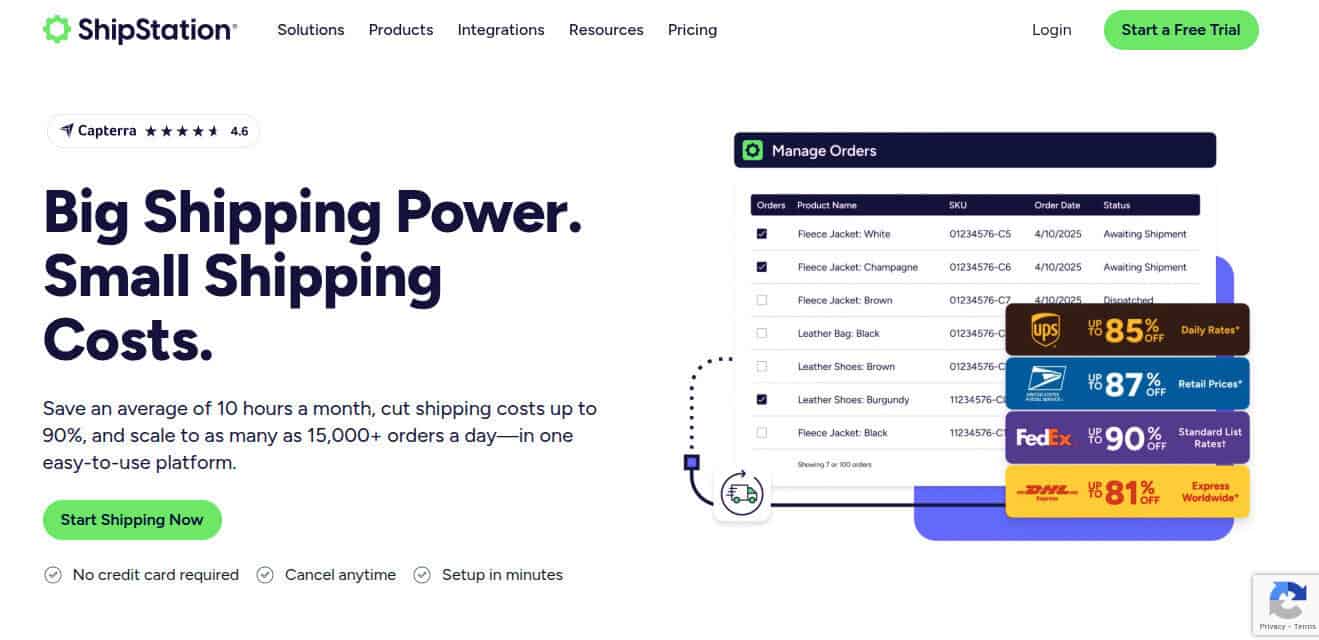
ShipStation is a powerful shipping platform built for complex operations, multiple warehouses, and high daily order volumes. It offers advanced automation (think batch label printing, conditional shipping rules, and multi-carrier workflows) as well as detailed reporting on shipments, order status, and fulfillment performance.
That means ShipStation is mostly aimed at higher-volume eCommerce stores or businesses with a solid operations team.
Key Features
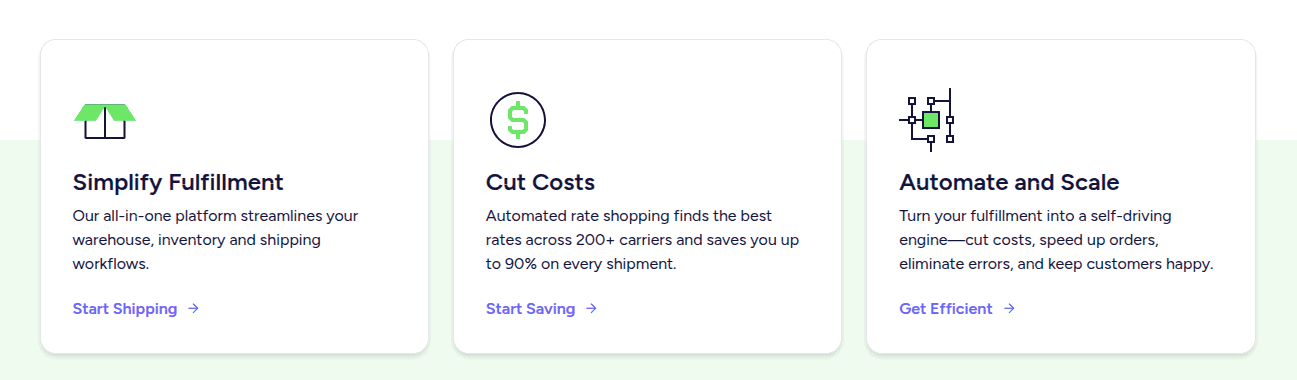
- Advanced automation workflows
- Huge integration ecosystem
- Detailed reporting and analytics
- Multi-warehouse support
Real-World Example
For a business selling across multiple channels, such as Amazon, Shopify, eBay, and even physical retail locations, ShipStation becomes a very good option. Orders from all sales channels can be pulled into one dashboard and processed according to predefined automation rules. That means online orders, marketplace sales, and in-store shipments can all be handled in a single workflow instead of jumping between platforms.
You can split orders into multiple shipments, prioritize certain channels, and batch-process hundreds or thousands of labels per day without manual decision-making. For businesses with complex operations, this can dramatically reduce fulfillment errors and operational overhead.
The downside is the upfront investment and complexity. Without an experienced operations team, connecting multiple platforms, configuring automation rules, and accounting for edge cases takes time and testing. ShipStation works best for businesses that already have operational complexity and the resources to manage it. Once everything is dialed in, it becomes a very powerful central hub for multi-channel fulfillment, but it’s not a quick plug-and-play solution.
What I Liked
- Very powerful automations that cover almost any scenario
- Excellent reporting and dashboard
- Scales extremely well
What I Didn’t
- The interface isn’t as simple as tools like Shippo
- Steep learning curve
- Overkill for most Parcel Monkey users
Who’s It For?
- Large businesses selling on multiple platforms
- Businesses with complex shipping needs
- Businesses with dedicated operations and fulfillment staff
- Brands with a warehouse, or possibly multiple warehouse teams
4. Easyship – Good for International-First Shipping
What Is Easyship?
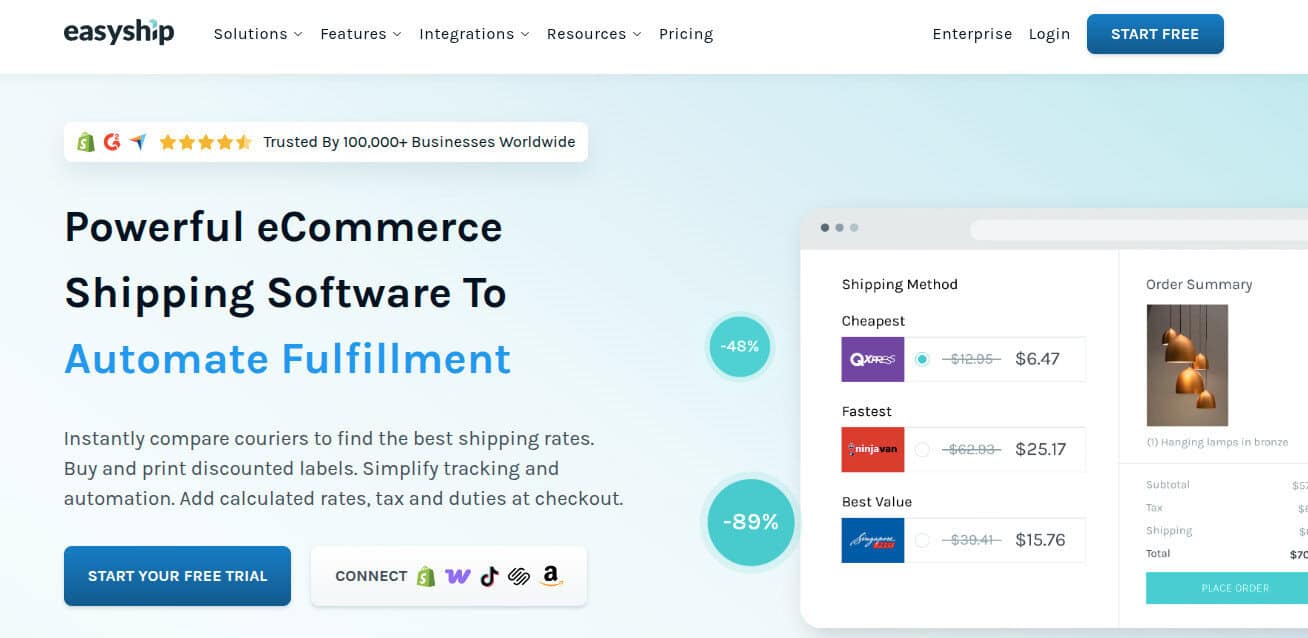
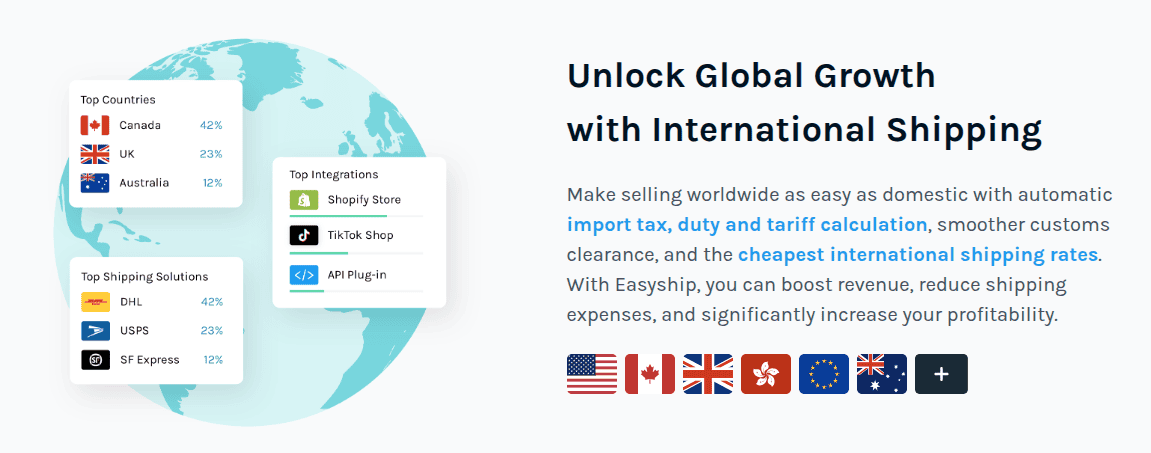
Easyship is another shipping management platform. On paper, it does have a lot of the same tools as Shippo and ShipStation, but its main focus is on cross-border shipping, with tools for duties, taxes, and landed cost calculations.
Key Features
- Large international carrier network
- Duties & tax calculations
- Landed cost display at checkout
Real-World Example
For stores shipping internationally from day one, Easyship helps take a lot of the uncertainty out of cross-border fulfillment. Orders shipping to different countries can automatically show the full landed cost, including duties and taxes, which reduces the risk of customers being hit with unexpected fees at delivery.
In practice, this is most useful for DTC brands selling into multiple regions at once. Instead of manually working out customs paperwork or explaining charges after the fact, Easyship handles much of that upfront. It’s not the fastest or simplest tool overall, but for businesses where international shipping is the norm rather than the exception, it can prevent costly delivery issues and unhappy customers.
What I Liked
- Strong international focus
- Customs and tax handling
- Landed cost displayed to the customer
What I Didn’t
- Domestic shipping isn’t its strength
- Automations are lighter than Shippo and Shipstation
- The interface can feel slow
- Really bad reviews on TrustPilot
Who’s It For?
- International-focused brands
- Stores where the VAT and customs complexity are constant
5. Sendcloud – Aimed at European Merchants
What Is Sendcloud?
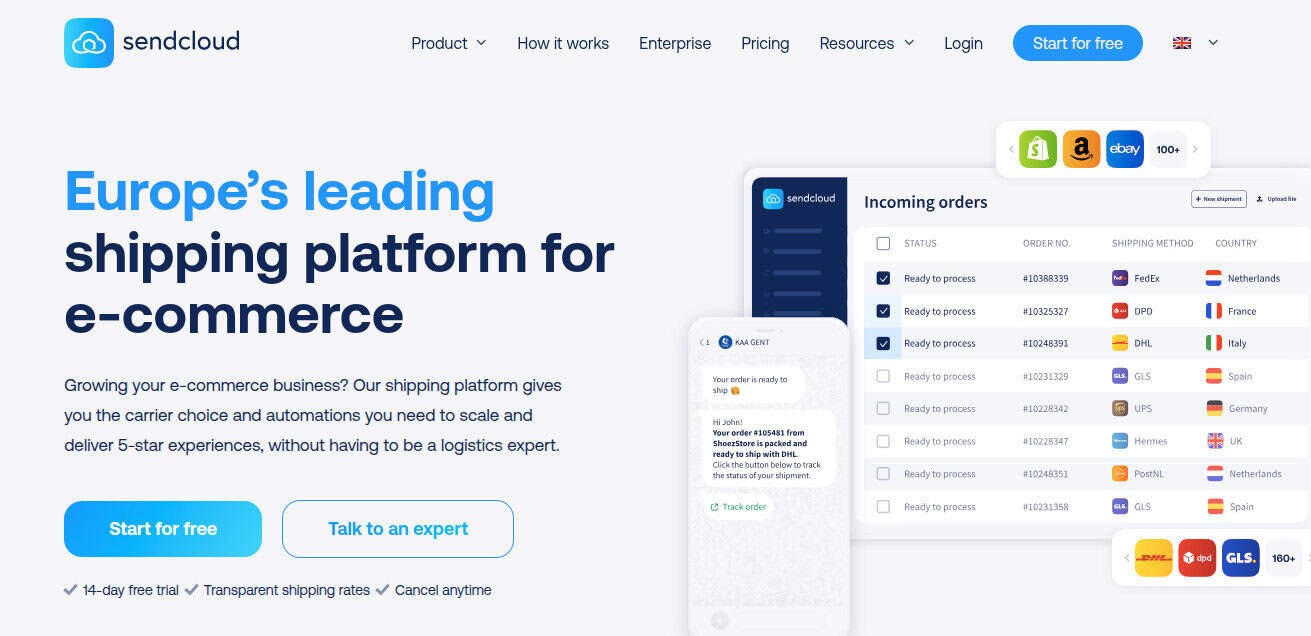
Sendcloud is a Europe-focused shipping platform built around EU carriers and the complexities of cross-border Value Added Tax (VAT). It’s mostly designed for businesses shipping within the UK and EU, where delivery options, local couriers, and tax rules vary significantly by country. Instead of forcing a one-size-fits-all setup, Sendcloud focuses on making regional shipping feel easy and predictable for European merchants.
Key Features
- Strong EU carrier coverage
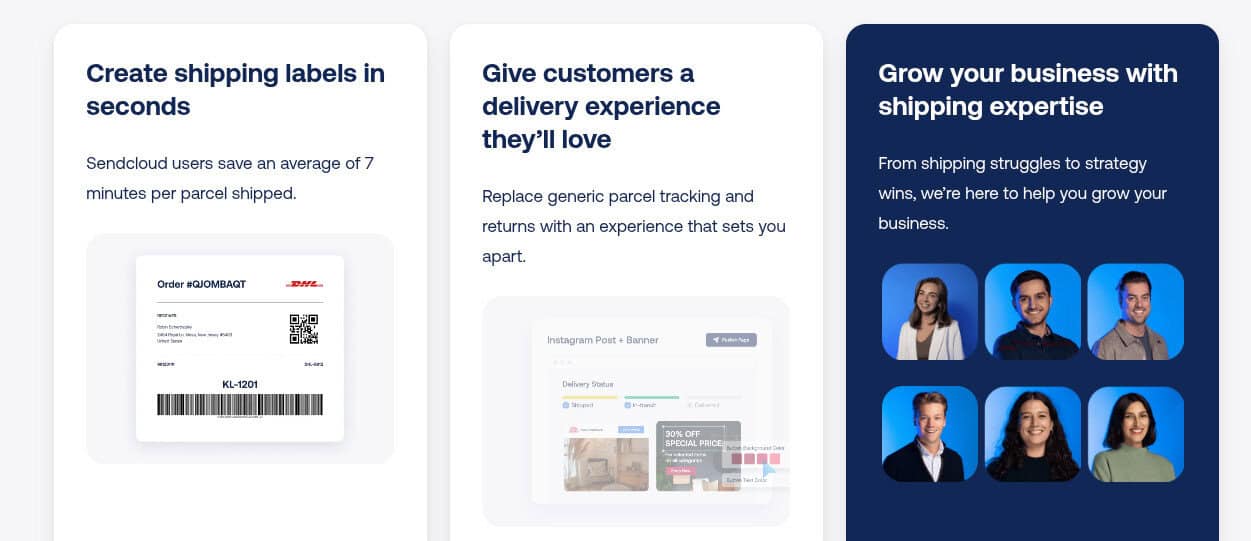
- Branded returns portal
- Very nice checkout delivery widgets
- 100+ integrations
- 100+ carriers
Real-World Example
For UK and EU-based stores shipping mainly within Europe, Sendcloud feels well thought out and polished. Local carriers, delivery options, and return flows are built into the platform in a way that matches how European customers expect shipping to work. That makes day-to-day fulfillment smoother, especially for businesses dealing with multiple countries and regional rules.
What I Liked
- Excellent for European sellers
- Easy to understand VAT rules
- Strong returns experience, with white label branding (at the pro level)
What I Didn’t
- No free plan, and pricing is quite expensive in comparison to other tools
- Less flexible globally, mostly aimed at Europe
Who’s It For?
- EU-based sellers
- Stores shipping mainly within Europe
6. ShippingEasy – Simple Step Up from Parcel Monkey
What Is ShippingEasy?
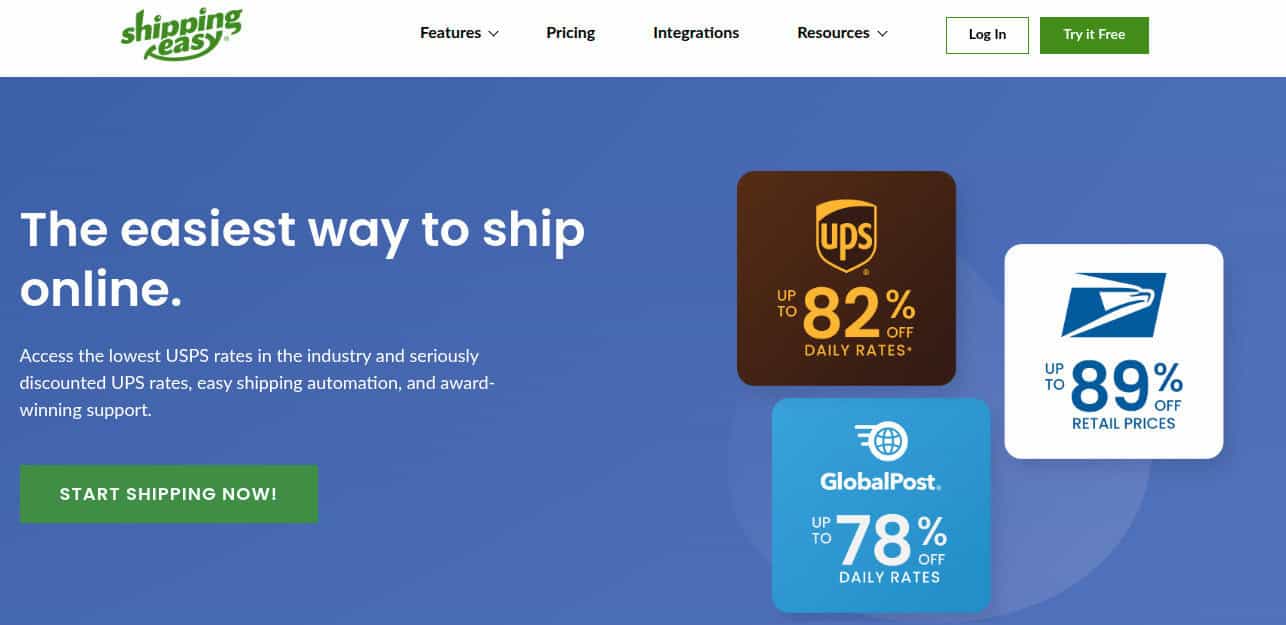
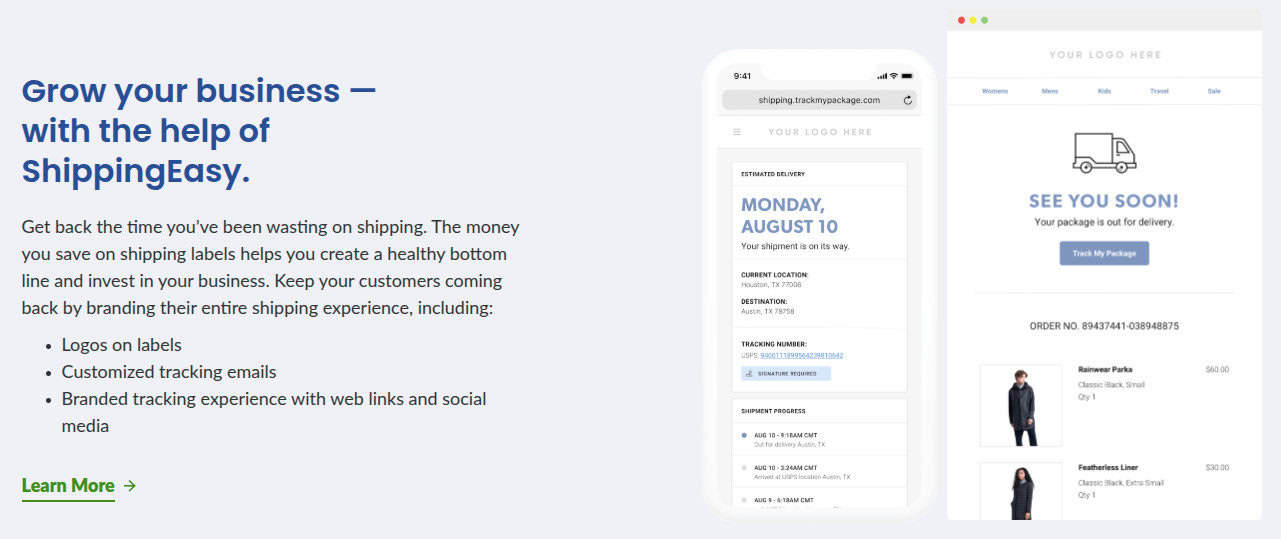
ShippingEasy is a beginner-friendly shipping tool designed to help small eCommerce businesses move away from fully manual fulfillment. It adds automation and integrations, like Shippo and Shipstation, making it easier to manage orders and print labels from a single dashboard. Compared to more advanced tools, it keeps things simple, which is why it often appeals to stores just starting to take shipping more seriously. It doesn’t have as many carriers or integrations as Shippo or Shipstation.
Key Features
- Simple order syncing
- Easy to use automation, no technical knowledge needed
- Easy onboarding
Real-World Example
For a small eCommerce business shipping between 5 to 20 orders a day, ShippingEasy works as a good upgrade from Parcel Monkey. Orders from Shopify, Amazon, or eBay pull into one dashboard, and the team can print labels without jumping between platforms or carrier websites. Basic label presets help speed things up, and the automations help give parcels the correct packaging and labels.
In practice, this suits businesses where shipping is handled by one person for part of the day, rather than a dedicated fulfillment team. ShippingEasy makes the process faster and less messy, but it still expects someone to be “driving” shipping, which is why many stores eventually move on once volume increases.
What I Liked
- Easy to use out of the box
What I Didn’t
- Similar pricing to Shippo, fewer features
Who’s It For?
- Teams that want stronger automation than most competing tools offer
- A wide range of integrations and carrier partners out of the box
- Anyone looking to move on from manual shipping
- Not sure where to start with automation? Shippo is built to ease you in
Final Verdict: Which Parcel Monkey Alternative Should You Pick?
The “best” Parcel Monkey alternative depends on how shipping fits into your day, not just how cheap the label is. Most of the companies we talked about have similarly priced labels, so the main thing we need to look at is how the tools work and who they are aimed at. I’ve summarised it:
- Fast-growing eCommerce businesses: Shippo
- Low-volume sellers who want cheap labels: Pirate Ship or Shippo
- High-volume, multi-channel teams: ShipStation, Shippo or ShippingEasy
- International-first brands: Easyship
- EU-focused merchants: Sendcloud
Parcel Monkey does a decent job when you’re sending the occasional parcel and just want to compare prices. But it was never designed for day-to-day fulfillment, automation, or scaling an eCommerce brand. Once shipping becomes a daily task, you will outgrow Parcel Monkey very quickly. At that point, you don’t just need cheaper rates. You need a system that reduces decisions, prevents mistakes, and fits naturally into how your business actually runs.