


- “Delivered” Does Not Always Mean “Inbox”
- Why This Happens So Often on Mailchimp
- Mailchimp Isn’t Really Built to Repair Reputation
- So, What Actually Helps You Fix This Problem?
- What Deliverability Tools like InboxAlly Does
- The Real Question Mailchimp Users Should Be Asking
- So What’s the Best Deliverability Tool for Mailchimp Users?
Last Updated on March 6, 2026 by Ewen Finser
If you are using Mailchimp and your open rates have been slipping, you might be wondering what changed. Your delivery rate still looks fine and nothing appears technically broken, yet engagement is declining and revenue feels less consistent.
This is a pattern many Mailchimp users eventually run into. On the surface, everything looks normal, but performance slowly erodes over time.
Before tweaking subject lines or redesigning templates, it is worth asking a different question: Are your emails actually landing in the contact’s inbox?
Deliverability-focused tools, such as InboxAlly, can help. They monitor placement and reinforce the trust signals that inbox providers use to decide where your messages appear, which can protect reader engagement before it begins to slip.
“Delivered” Does Not Always Mean “Inbox”
When Mailchimp says your email was delivered, it only means that the receiving server accepted it. It does not confirm that the message landed in the Primary tab, avoided the Promotions tab, or bypassed spam filtering. “Delivery” just confirms that the email did not bounce.
Meaning, you can technically have a 99% delivery rate and still be slowly losing inbox placement without realizing it.
Why This Happens So Often on Mailchimp
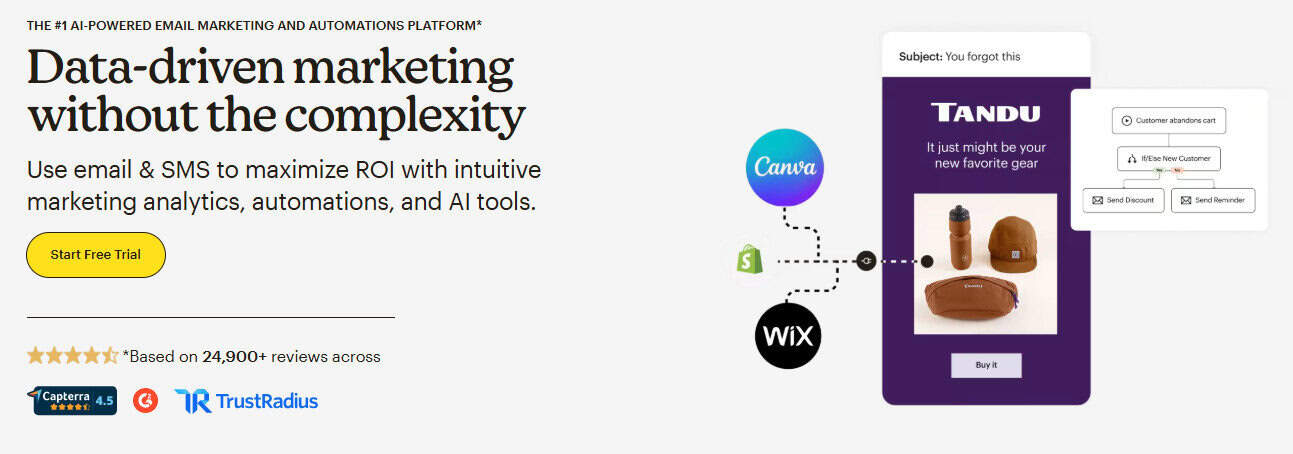
Mailchimp is widely used by ecommerce brands, creators, coaches, and growing businesses that send frequent promotions, which equals higher volume and more consistent sending activity.
Inbox providers like Gmail and Outlook evaluate patterns over time. Instead of asking whether someone opened a single campaign, they are evaluating broader behavioral signals.
- Are subscribers consistently engaging?
- Are they replying or interacting?
- Are they scrolling, or deleting without reading?
- Is engagement gradually declining?
When those signals weaken, even slightly, inbox placement can decline. If your emails start to feel overly promotional and engagement softens, you might see open rates move from 28% to 24%, then to 21%, and then to 18% over time.
It often feels like audience fatigue, but in reality, it may be inbox placement slowly eroding behind the scenes.
Mailchimp Isn’t Really Built to Repair Reputation

Mailchimp is strong at automation, segmentation, campaign building, and reporting. It’s built to execute and track email marketing efficiently.
What it is not designed to do is repair or strengthen sender reputation.
Even if domain trust weakens, Mailchimp will continue sending your campaigns. It won’t warn you that inbox placement is declining, and it isn’t built to rebuild trust signals with inbox providers. It functions as a sending engine, not a reputation management system.
It’s up to you to know how your emails are being received, their open rate, where they’re landing, and whether or not they are engaging to your audience.
So, What Actually Helps You Fix This Problem?
If the issue is sender reputation, you need a solution that directly addresses it. This is where email deliverability tools come in.
Instead of replacing Mailchimp, a deliverability layer works with it. It keeps focus specifically on strengthening the trust and engagement signals that inbox providers evaluate, helping your emails land where they should.
That way, Mailchimp users don’t need to migrate to a new platform or rebuild their email infrastructure. Campaigns, automations, segmentation, and flows can remain exactly as they are.
What Deliverability Tools like InboxAlly Does
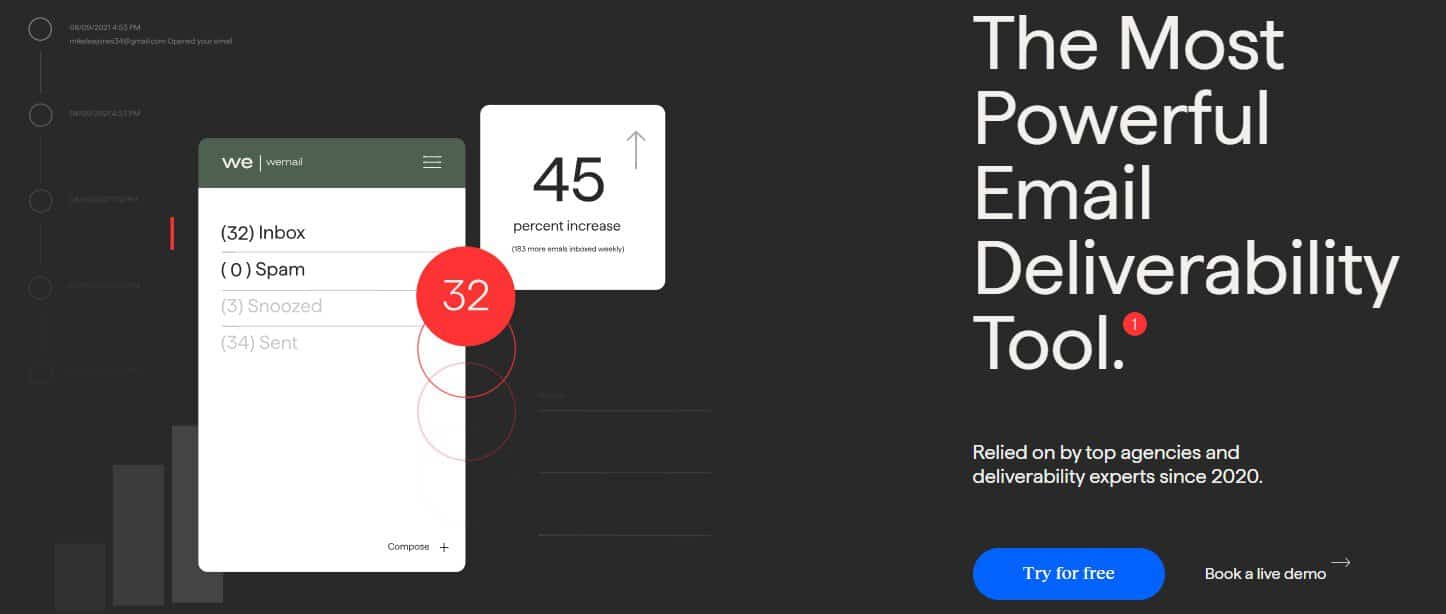
Instead of just tracking opens and clicks, InboxAlly works on the engagement behavior layer. It helps generate consistent positive engagement signals, including opens, scroll behavior, reply activity, and realistic interaction patterns that inbox providers interpret as genuine interest.
From Gmail’s perspective, your domain begins to look desirable again.
Inbox placement is based on long-term engagement patterns, not a single campaign. It’s best for those who have recently increased send volume, imported an older list, run aggressive promotions, or have noticed a steady decline in open rates.
The Real Question Mailchimp Users Should Be Asking
If inbox placement is compromised, tweaking subject lines, adjusting send times, or redesigning templates will not fully restore performance. Inbox placement is the foundation that everything else depends on. Without it, even the best campaigns can underperform.
So, instead of asking, “Why is my open rate lower?”, the more important question is whether or not your emails are consistently landing in a contact’s inbox.
So What’s the Best Deliverability Tool for Mailchimp Users?

If you need an email deliverability tool for Mailchimp that improves inbox placement, strengthens sender reputation, and does not require switching platforms, InboxAlly is a top choice.
Mailchimp continues to handle sending, automation, segmentation, and reporting, while InboxAlly focuses specifically on reinforcing engagement signals and building domain trust with inbox providers. Together, the two platforms provide both the infrastructure and the reputation support your emails need to be seen.
By addressing both campaign performance and deliverability, you gain a complete strategy that protects engagement, preserves revenue, and ensures your messages reach the audiences that matter.