


Last Updated on March 9, 2026 by Ewen Finser
Boulevard and Zenoti are both powerful salon and spa software platforms, but they serve slightly different types of businesses.
Boulevard is a strong fit for US-based salons and spas that want an all-in-one system with a modern interface, integrated POS, built-in marketing, ecommerce, and inventory support. It is especially appealing for growing businesses that want software that feels polished and easy to use day to day.
Zenoti is more of an enterprise-level tool, making it especially appealing for privacy-focused, HIPAA-compliant med spas. Some of its standout features include smart automations and an AI-powered phone system.
But which one is actually the better fit? That depends on the size of your business, the kind of features you need, and whether you want something more streamlined or something built for more complex operations.
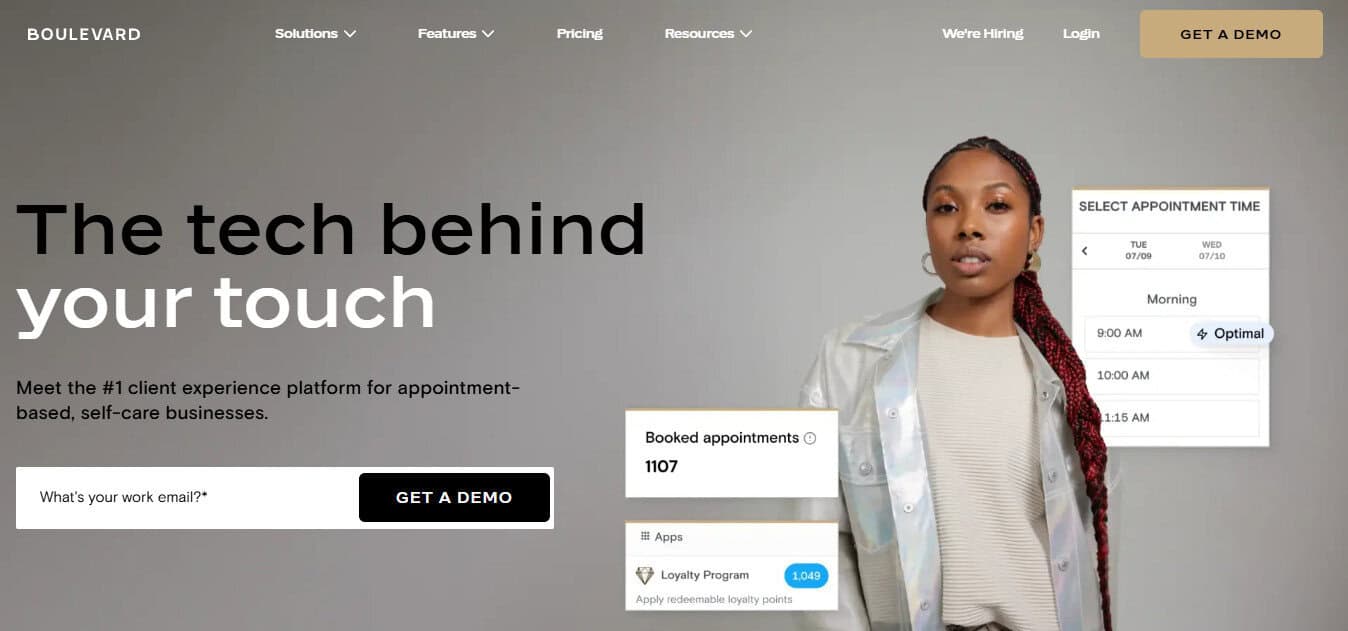
Boulevard was built for real stylists, salon, and spa owners. It handles booking, checkout, and smart scheduling the way busy salons actually work. It even handles marketing, from rebooking reminders to targeted emails and texts, plus it fills open spots with waitlist requests, without the scrambling.
Boulevard vs. Zenoti: Which is Better?
For most businesses, especially those trying to scale without taking on rising costs for every new employee, Boulevard is the better choice. The pricing is almost identical, but Boulevard offers more value overall and a much better platform to work with.
You might also be interested in: Best Zenoti Alternatives

A Quick Note on Availability:
While the pricing is almost exactly the same ($420 vs $425 per month average), availability is not. Zenoti is available in over 50 countries worldwide, but Boulevard is only available in the United States and only in English.
So right away, if international availability is a key feature for your business, there is not much else to compare.
But if that is not a dealbreaker, let’s take a look at how they compare side by side.
User Interface
Let’s start with the first thing you see, literally.
When you open the software, especially especially at the beginning of your day, it should feel like a gentle transition in work, not something that visually punches you in the face.
So, to that end, I really appreciate that Zenoti doesn’t try to gamify their platform like so many comparative software options today. Instead, it uses a very traditional layout, with 1990s blue for the menus and headers, a white background, and muted orange and gray text.
Like Boulevard, Zenoti uses clear labels for things like appointments, reports, inventory, and sales across the top and in the left-hand menu, rather than relying too heavily on icons. That makes it relatively easy to understand where things are.
You can see how it looks here:

What I don’t like, though, is that so much of the text is in all CAPS. All of the menu options along the sides and top are in CAPS, and it seems like the software is screaming at me.
Even when you get into more detailed areas of the platform, like adding a new employee, that same design style carries through. (WHAT SERVICES DO THEY OFFER? WHAT IS THEIR COMMISSION?):

Boulevard, by comparison, feels much calmer. It talks to me in a gentle, cubicle-appropriate decibel level that does not violate OSHA standards.

Can you see all that regular font along the top and the side? You can just hear it talking so much softer, right?
I also prefer the way Boulevard uses brighter colors more sparingly. Instead of making the entire interface feel busy and loud, it saves those accents for places where they are actually useful, like notification icons, toggles, or important action buttons such as booking a service or adding a new client.
Booking
Booking is another area where Boulevard just feels easier to work with than Zenoti. Zenoti’s interface gets the job done, but it carries over some of the same visual heaviness as the rest of the platform, so the booking process can feel more cluttered than it really needs to.
By contrast, booking on Boulevard doesn’t cause nearly the same UX/UI headaches that are common with many other platforms:

Again, the platform only uses bright colors where they absolutely need to draw your attention, like booking a new appointment in the top-right corner. Beyond that, the color palette stays simple and dignified in a way that doesn’t overwhelm.
Clicking that purple box opens the pop-up menu shown in the bottom-right corner, making it easy to add a new client or book an appointment for an existing one without having to leave the current window.
Reports
Zenoti offers a wide range of internal reports, including things like:
- Sales reports for specific time frames, categories, or employees
- Individual employee sales performance reports
- Appointment reports
- Attendance summary reports
- Turnaway reports for guests who didn’t show up
- Booking productivity reports
- Employee sales metrics
- Zoom meeting metrics
That level of reporting can be useful for larger businesses that want to track a lot of moving parts. But for smaller or mid-sized salons and spas, it can also feel like more data than you actually need on a daily basis.
With Boulevard, you can customize reports based on the type of data you want to see, how you want the rows grouped, and which columns you want included. So as a business owner, I can adjust the report to get more specific information, like how many appointments in a given week were prebooked versus self-booked, or what total service sales looked like compared to tip sales.

This layout also feels much more intuitive. It looks less like PowerPoint and Excel thrown together and more like a quick, useful snapshot of how my employees are doing that week.
The biggest difference, then, is that Zenoti gives you more built-in reporting options, while Boulevard gives you a more streamlined and customizable reporting experience. If you run a larger operation and want to track everything, Zenoti may appeal more. If you want reports that are easier to read and more useful for everyday decision-making, Boulevard is the better fit.
Customer-Facing Features
While all of the internal tools matter, it’s equally important to see how these platforms handle customer-facing features.
Gift Cards and Loyalty Packages
When it comes to payments, Boulevard makes it easy to process payments immediately or to schedule automated fees for cancellations and no-shows.
Zenoti, on the other hand, stands out a bit more with things like packages and gift cards, which are built in more directly. The downside is that Zenoti often feels much less intuitive, and some of these features come with long training videos just to learn the setup.
Invoices
Boulevard keeps invoicing simple. You take payment when an appointment happens, and then you can automatically send an invoice to the client’s email afterward.
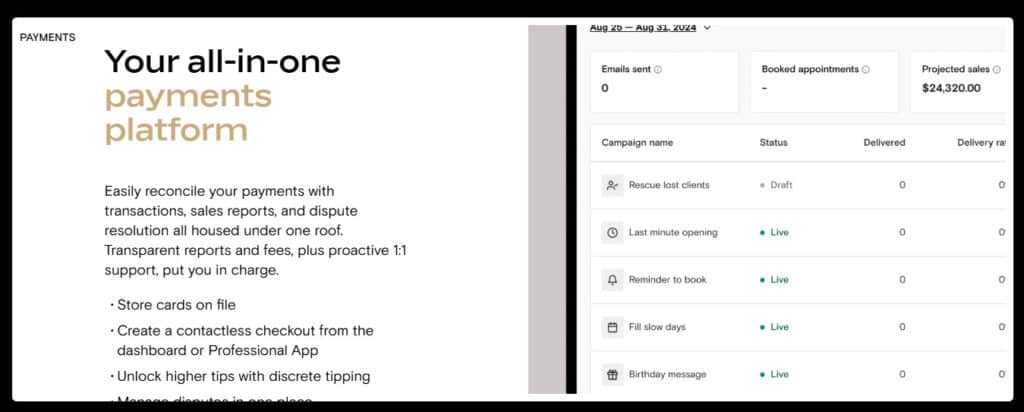
Zenoti also supports electronic invoices, and it gives businesses more flexibility to adjust certain settings with drag-and-drop tools
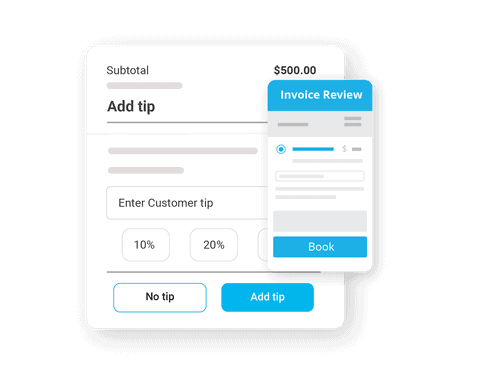
For med spas, it also includes more specialized features Boulevard does not have, like prescription capture for services that involve prescription medications.
AI-Phone
One of the things I really like about Zenoti is the AI-powered phone system. This is one of their internal automations that’s designed to make things a lot easier; instead of keeping someone full-time at the front desk to answer phones, the AI tool can handle basic phone needs like messages, appointments, and company information.
Boulevard also has phone functionality built into the platform, but it works a little differently. Calls are routed through the system, so your team can answer them directly or call clients from the platform. It is less proactive than Zenoti’s AI phone, but it does keep communication in one place.
Client Info
Boulevard makes client information much easier to access during the day-to-day workflow. So, if I show up for an 8:30 appointment, I can click that client in the calendar function and immediately pull up useful details like when their last appointment was, what services they booked, how long they have been coming in, and how much they have spent, and so forth.
Zenoti has minimal reporting in this regard. You can only look back on scheduled appointments up to one month in the past, which can be frustrating for services that are spaced farther apart. If someone is coming in for something like a chemical peel and their last appointment was several months ago, that information may not be easy to access directly from the calendar view.
Marketing
Zenoti has a marketing subsection, but what’s it all about?
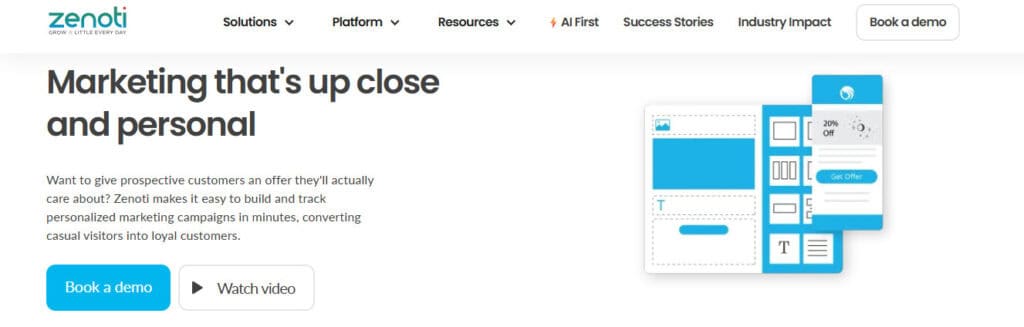
Zenoti offers automated marketing with things like loyalty rewards, upsells, and cross-sells as well as email and text automations, web store integration for those that sell products on their website, and multi-location campaign management.
So, if you sell products on your website and you have an enterprise-level organization with multiple locations, this can be great because it has the same types of marketing options, segmentation, and automations as Boulevard, but you can link them across different locations.
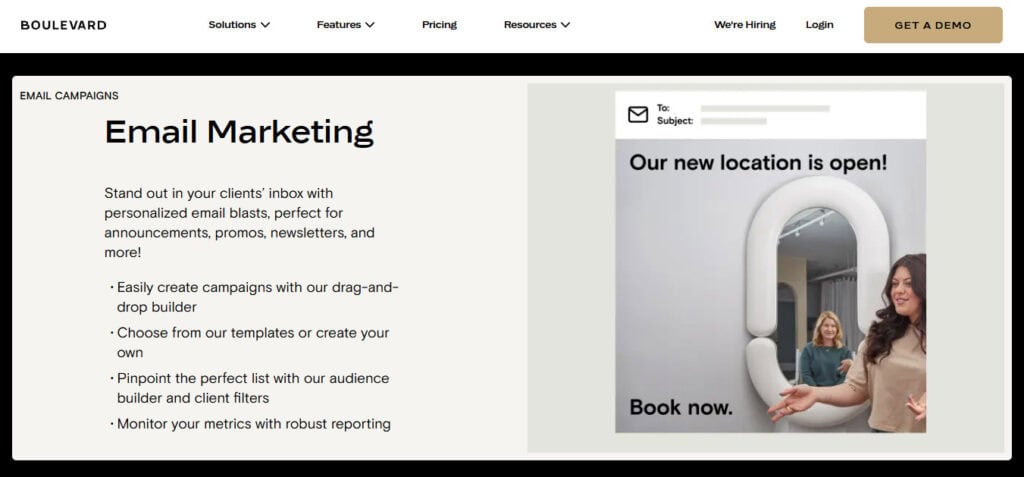
Boulevard also offers strong automations, but the difference is that they feel easier to use and more practical for everyday salon and spa marketing. I especially like the proactive automations, including lost client outreach, birthday promotions, and email blasts triggered when a stylist or esthetician has too much open space in their schedule.
Boulevard also has a lot of customized templates for your marketing efforts, so you don’t even need to employ a marketing team to make something that’s eye-catching but sophisticated.
Boulevard was built for real stylists, salon, and spa owners. It handles booking, checkout, and smart scheduling the way busy salons actually work. It even handles marketing, from rebooking reminders to targeted emails and texts, plus it fills open spots with waitlist requests, without the scrambling.
Summing Up
Side by side, this Boulevard vs. Zenoti comparison shows that Zenoti is really best suited for large-scale enterprises, especially organizations with multiple locations across different countries that need to connect data, generate more extensive internal reports, and cut down on staffing costs with tools like AI phone support for appointment booking.
Boulevard, on the other hand, is a better fit for smaller growing businesses, especially U.S.-based salons or med spas with more than a few locations and expanding staff. If you want support in a single platform that does away with extraneous software or add-on pricing, Boulevard is a great option.
Also read: