


Last Updated on March 13, 2026 by Ewen Finser
Booker and Boulevard are both booking and management platforms specifically tailored to spas and salons, but they come from very different generations of software.
Booker has been around for years and now sits under the same parent company as Mindbody, while Boulevard was built much more recently to address many of the usability and workflow issues older salon software tends to have.
After spending time with both platforms, the difference in approach is pretty clear. Boulevard is one of the most comprehensive salon systems I’ve used, while Mindbody has always made the most sense to me for class-based businesses.
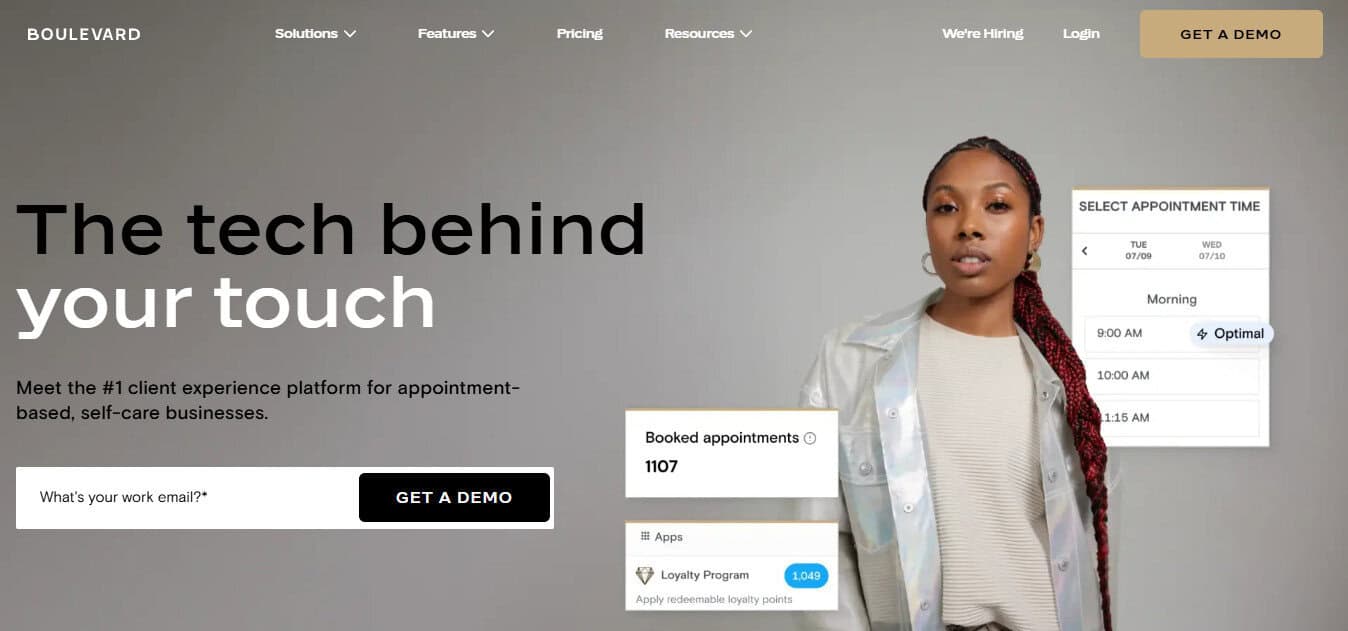
Boulevard was built for real stylists, salon, and spa owners. It handles booking, checkout, and smart scheduling the way busy salons actually work. It even handles marketing, from rebooking reminders to targeted emails and texts, plus it fills open spots with waitlist requests, without the scrambling.
Why Boulevard is Better for Modern Spas and Salons
For spas and salons that want a modern, all-in-one solution built for complex workflows, Boulevard is the stronger option. Its clean, intuitive interface makes scheduling, client management, and payments faster and simpler. Its automated reminders, flexible payment options, and seamless reporting tools help you run your business efficiently without juggling multiple systems.
Booker can still meet the needs of businesses that only require basic booking and client tracking, but its older interface and occasional technical hiccups can slow you down.
Calendar Interface and Appointment Booking
When it comes to appointments, both products make customer booking a simple process.
Booker sticks closely to its roots: booking appointments quickly and managing basic operations through its web platform and revamped app. Booker’s app is surprisingly modern and easy to use, though the web platform can feel dated, and I don’t like that you have to commit to a year upfront to start using it.
Boulevard, on the other hand, combines easy appointment scheduling with client management tools (clear calendars, color coding, client history and preferences), helping you not just book appointments, but actually build stronger relationships. This difference is really important if you want a system that helps your team deliver a personalized experience, rather than just track appointments.
Booker’s Revamped App
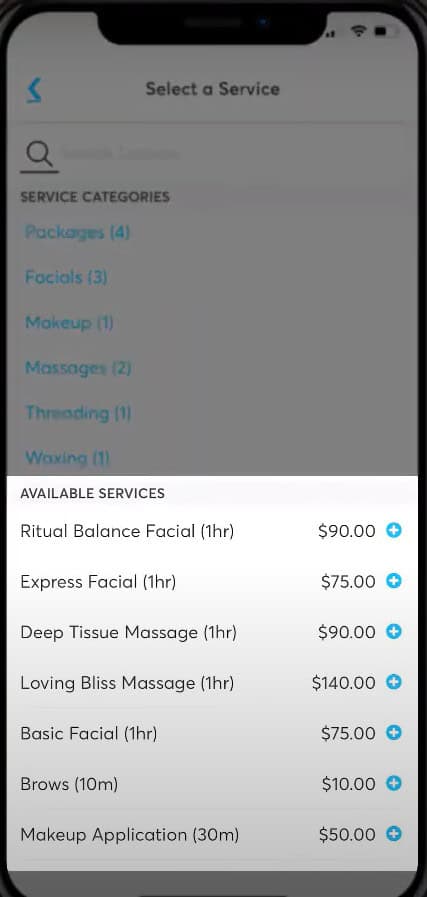
When you log in, the first thing you see is the schedule for the day and you can use your fingers to zoom in or out or scroll left or right on the calendar.
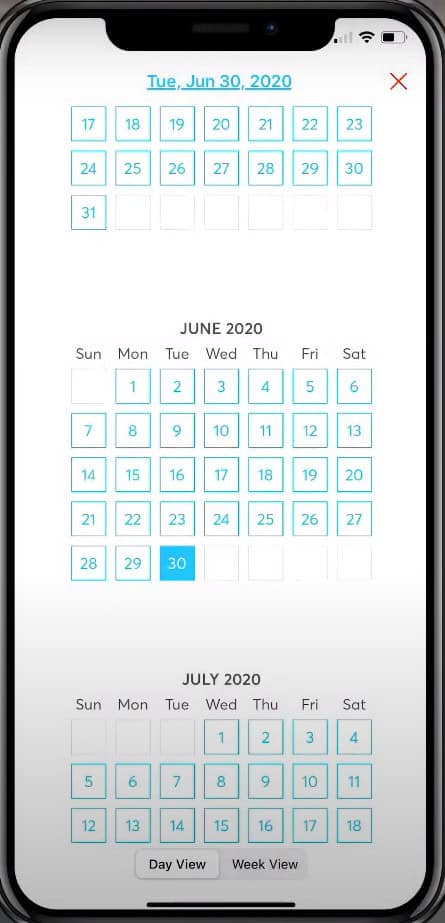
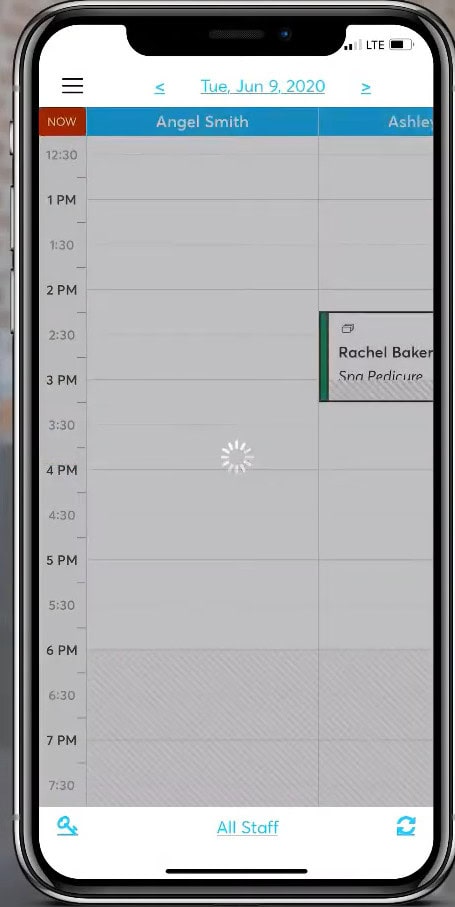
If you want to book appointments, you click on the three lines in the top left corner to open the left hand side tab:
Here, you get access to:
- Appointments
- Orders
- Customers
- Dashboard
- Settings
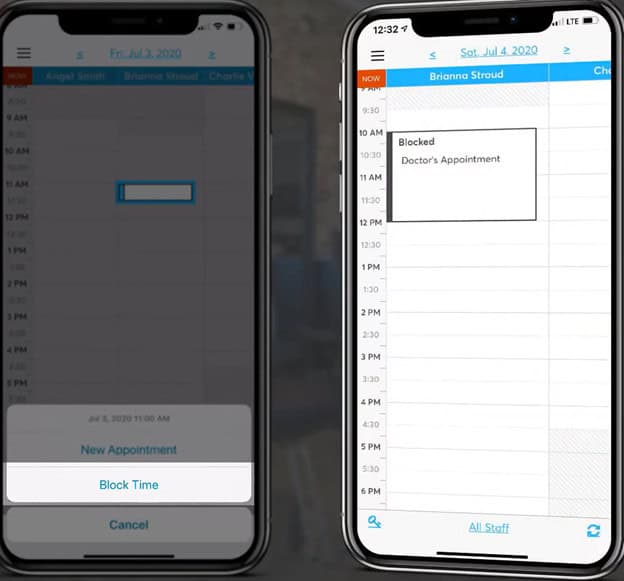
That said, there are some limitations I’ll get into shortly. For now, the actual process of booking appointments in the app is very straightforward. One feature I like is the “Blocked Time” option.
From the calendar, you use the same button you would to book a new appointment, but instead you can block off time for an employee so no appointments can be scheduled during that period, as shown below.
A room automatically gets assigned when you book a service appointment, though you can change the room after the fact.
Boulevard’s Booking Platform
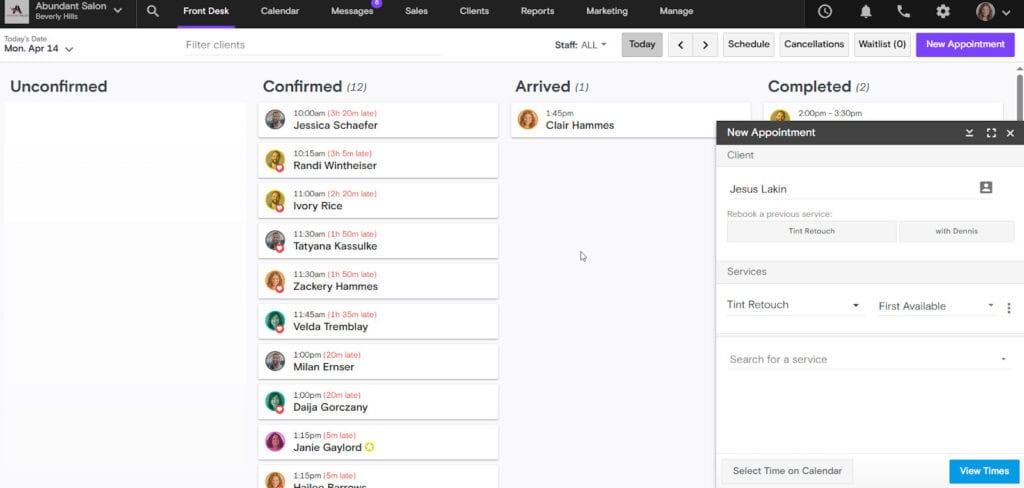
With Boulevard, booking appointments is just as easy from both the web platform and the companion app. When you first log in, you land on a dashboard that functions like a digital front desk. It shows the day’s schedule, which appointments are assigned to each team member, and the overall flow of the day.
You can quickly see which appointments are confirmed, which are still unconfirmed, and which clients have already checked in or completed their services. The layout is clean and easy to scan, which makes it simple for front desk staff to manage a busy schedule.
The color coding is also well done. Important actions, like the “New Appointment” button, stand out clearly without the interface feeling cluttered or distracting.
One of the things I absolutely love is that this software is designed to support building client relationships.
I once worked at a salon that didn’t have any functions or features built into the booking platform to store client data. So, if a stylist didn’t remember someone by face or name, they had no idea what services that person received in the past.
This was a problem because while there were a lot of older, retired ladies who came in every 6 weeks or so like clockwork and built that kind of camaraderie, a lot of the core business came from women who still worked or had families only came every 3 months or so.
When those same ladies would come in, they didn’t feel well taken care of because the stylist had no idea what services they had received or whether they had booked with that stylist before or someone else. This sometimes led to awkward conversations.
A client might say “same as last time,” which would prompt questions like, “What did you have last time?” or “Did you have an appointment with me or someone else?”
Heaven forbid the answer was “You,” because then it just looked like the stylist didn’t really care.
This is where Boulevard really stands out. As soon as you open a new appointment and click on a customer’s name, you can immediately see their client history and notes, which makes it much easier to provide a more personal experience.
You can see all of the services they’ve received in the past, how often they come in, how much they typically spend, and any notes left by team members. For example, you might see a note like: “Blonde on roots, 7N on rest, highlights, 7NB on rest, root smudge with 8N on roots and 9NB on rest,” so you know exactly what was done if the client wants to replicate the same service.
Booker’s Nightmare Web Platform
Unfortunately, while the Booker app is fairly modern and easy to use, the web platform (where, again, a lot of functions must be done exclusively) is a blast from the past.
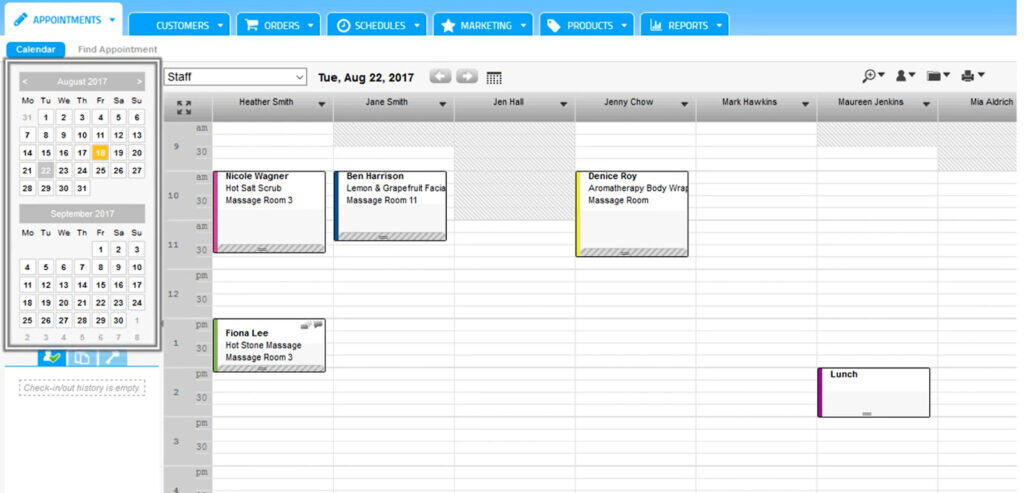
The Booker web platform has a lot of colors and indicators which you can learn about from the “Key” tab at the bottom left.
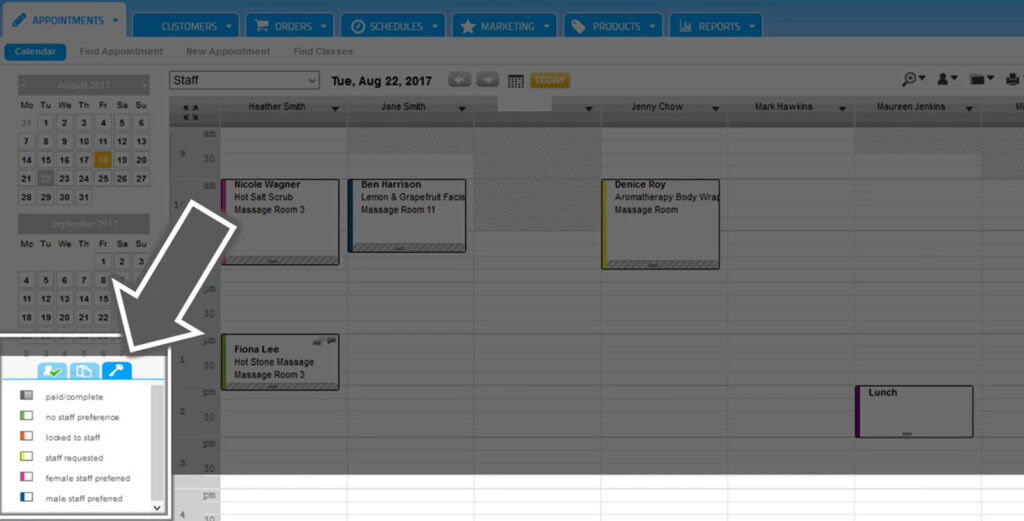
That bottom left tells you why certain colors are applied, and they cannot be changed.
Boulevard, by comparison, assigns colors to individual employees so you can look at a calendar and see what appointments each team member has, rather than just a broad scope of all the appointments with colors indicative of which gender staff member they requested.
I honestly can’t imagine a scenario where the Booker color assignment makes things easier than the Boulevard one, because if a potential customer called and requested a male staff preference, at the time of booking they would just be assigned to a male staff member in Boulevard.
Specials/Promos
A great way to sustain client relationships is to encourage re-booking with specials and promos. This is how we were able to nab a lot of customers who might not have come as frequently otherwise or who might have been on the fence about picking a salon a little bit closer to home or a little bit more affordable.
Booker Marketing
As I mentioned, there are many things that you can’t do with the Booker app that you can only do with the web platform. And that is unfortunate because where the app might be pretty bare, the web platform is the opposite: too much, all at once.
For marketing features, you click the MARKETING tab at the top (and yes, it’s in all caps). It sits alongside tabs like PRODUCT, APPOINTMENTS, and SCHEDULE, which can make the interface feel a little loud and crowded. From there, you can choose from:
- Facebook or Twitter promos
- Customer email promos
- Specials
I also don’t understand some of the smaller graphic choices that seem meant to separate sections of the page but mostly just add visual noise. They remind me a bit of those Magic Eye images that used to show up in people’s houses in the early 2000s.
For example, if you click “Specials,” the page loads a subheader labeled “Specials” against a background that feels very Myspace era. There are faint diagonal blue lines that are almost the exact same color as the blue header above it, as you can see in the image below:
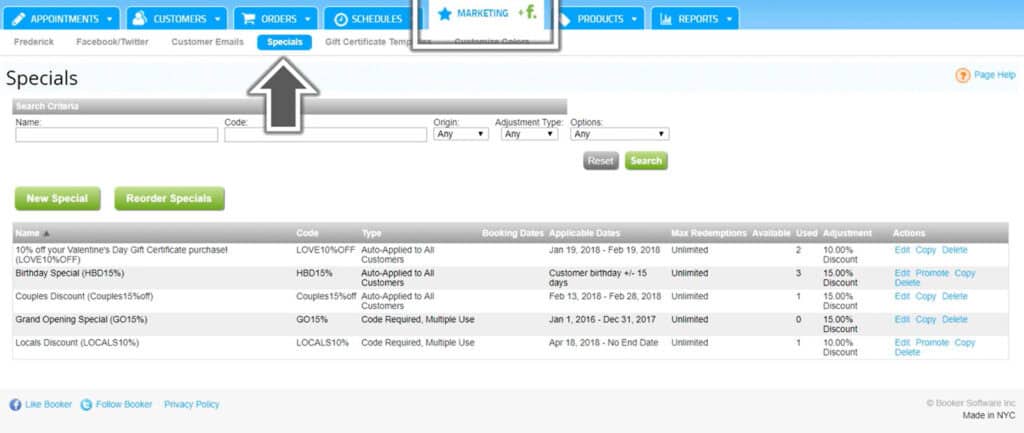
Why this choice? Why did our brains need to instinctively know that something was a bit… off, without being able to immediately tell what it was?
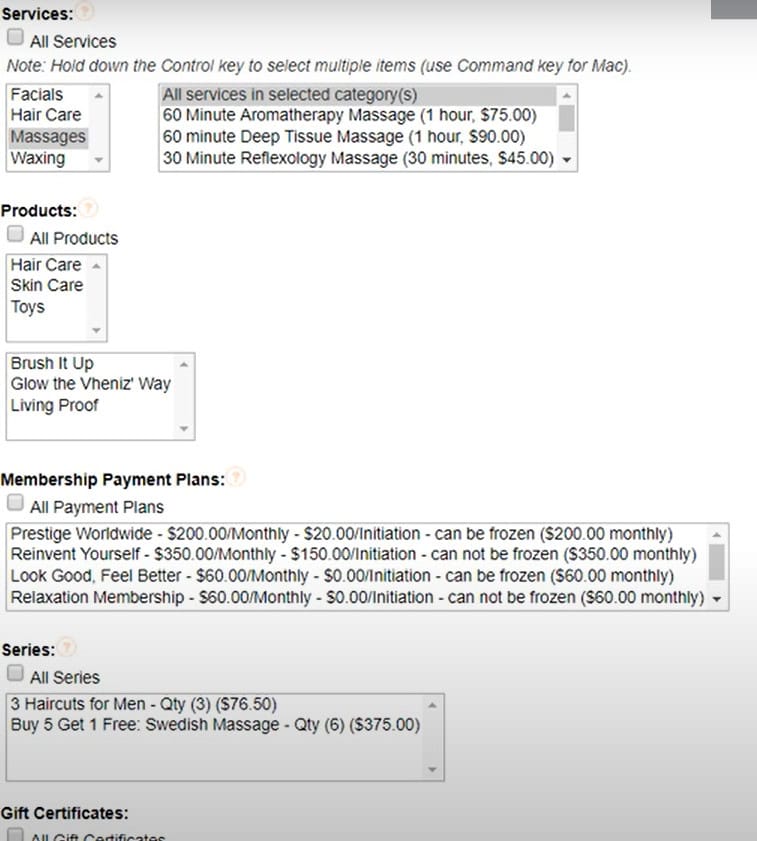
Headaches aside, you can add or reorder specials, such as couples discounts, and assign promo codes, terms, valid dates, and redemption limits. The platform also lets you track how often each promotion has been used.
Adding a new one looks like coding new script at first glance:
Boulevard Marketing
Boulevard brings you right into the modern era with their marketing page:
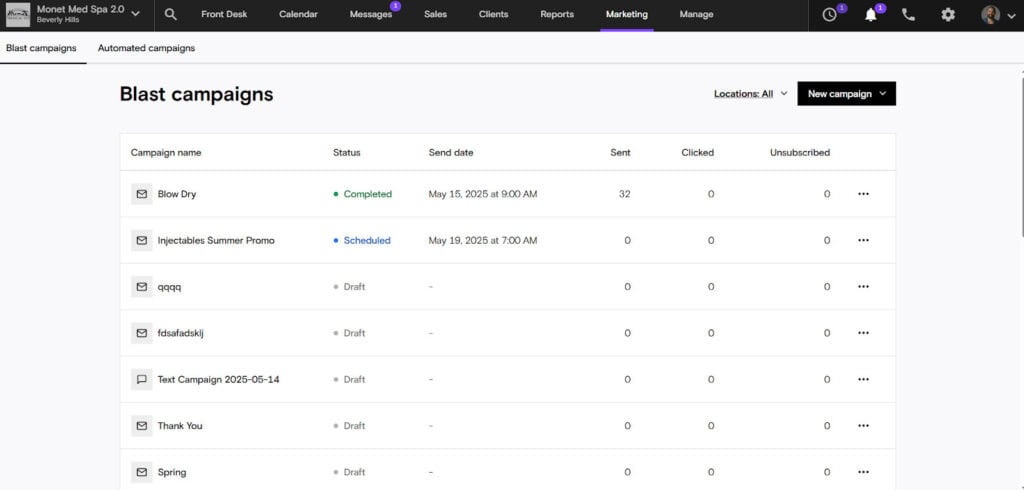
As you can see, they offer blast campaigns or automated campaigns, and you have the option to add specials for things like, filling empty time in an employee’s day or birthday promos.
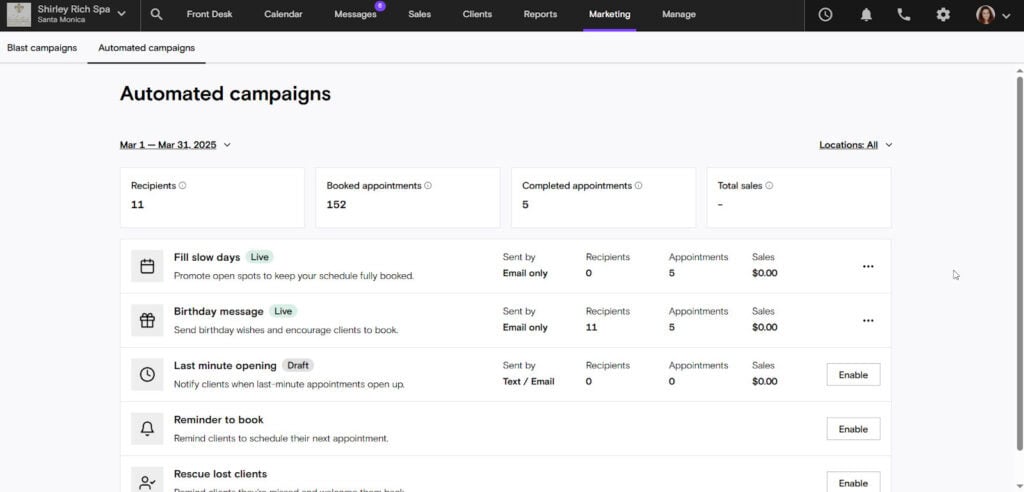
I really like the automated campaigns that help fill slow days or last minute openings. You can set parameters, such as availability reaching 30% or more for a given employee, and the system will send out campaigns encouraging last minute appointments.
This can be incredibly effective for building long term client relationships, especially with clients who have flexible schedules. Someone who originally booked an appointment three or four weeks out because there were no openings might now be able to come in exactly when they want.
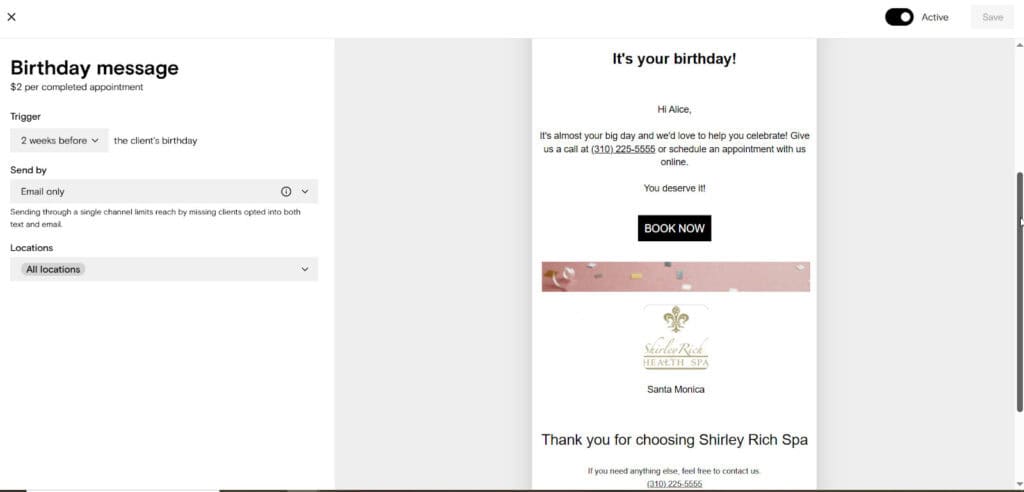
The layout is simple, intuitive, and fast. With features like email campaigns, you can preview exactly what your message will look like before sending.
The templates are clean and understated. Honestly, working with Boulevard for specials and promos is like CoverGirl: easy, breezy, and beautiful.
Booker, on the other hand, feels like the Office Space of the promo world, complete with a never-ending search for a red stapler and endless data crunching.
Service Support
Let’s get into how each platform supports your business. Both are designed for spas and salons, but onboarding is very different.
Booker’s Dashboard
If you’re using the app, there’s a separate set of support videos. Booker offers about eight hours of on-demand webinars. I’ll admit, the content feels a bit scripted. I’d be genuinely surprised if a live person was on the other end.
One thing I do like is the quick-access dashboard on the app, which makes it easy to find help and get a snapshot of your day at a glance.
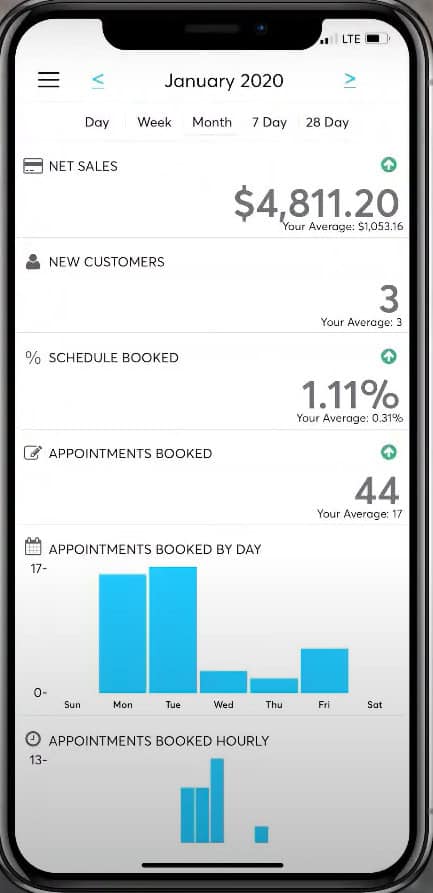
This shows you easy information like:
- Net sales
- New customers
- Schedule booking percentages
You even get some quick charts at the bottom that indicate when your appointments are most frequently booked so you, if necessary, can schedule your staff accordingly. This same type of display is not as easily found with the web-based part of the platform and in fact you have to look at separate tabs to view this information.
On the app, you can manage:
- Hours of operation
- Employees
- Services
- Rooms
Booker’s Management Limitations
Be advised that there is limited access to what you can see and do with the app. For example, you cannot remove an employee, delete a service, or remove a room from within the app.
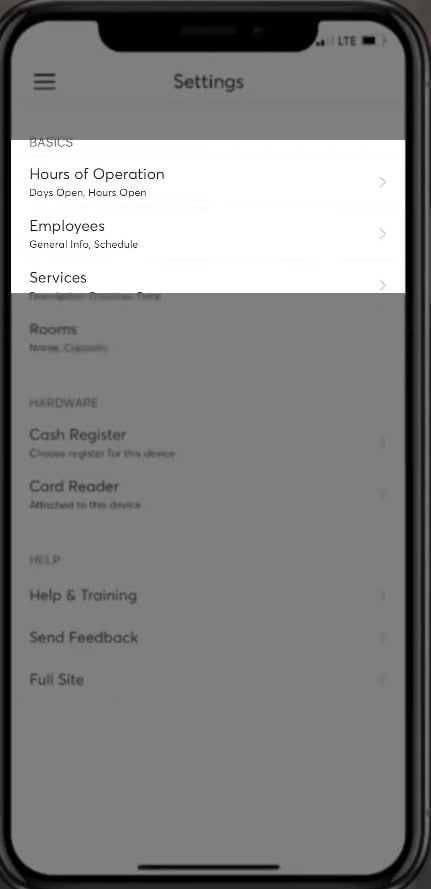
So, if the app handled all key services, this comparison might look different. But because most of the real management and background work has to be done through the older web-based platform, you end up needing double training for onboarding. You also must navigate a back-end system packed with a lot of superfluous information.
Boulevard’s Service Support
Boulevard supports a lot more in a clear, succinct fashion.
The calendar function is very easy to use, and adding new clients or scheduling appointments is just as simple. I also love that you can quickly pull up reports that don’t look like the Y2K bug just rolled through.
When it comes to supporting your services and building better client relationships, one of my favorite features is the Messages section. There’s a built-in phone function, so when someone calls to book an appointment it rings directly through the platform. It also includes a dedicated messages tab.
Your business can set up automated email or text reminders for upcoming appointments. If clients reply because they need to change the time, reschedule, cancel, or ask a question, everything gets routed into that same message center. This keeps all client communication in one place instead of scattered across calls, texts, and emails.
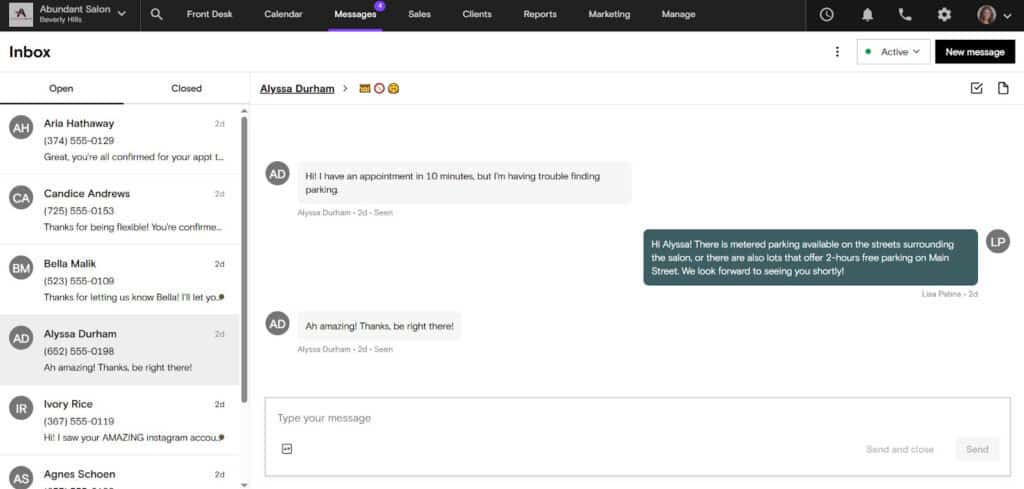
If a customer is running late or trying to find parking, they might quickly text you. That will also come up in the messages center so you can quickly write back to them where the nearest parking garages are.
If a customer has an unexpected change in their schedule and they have to inform you that they can’t make their appointment, you can work with them in that message center to move the appointment back by an hour or change it to a different day.
Boulevard was built for real stylists, salon, and spa owners. It handles booking, checkout, and smart scheduling the way busy salons actually work. It even handles marketing, from rebooking reminders to targeted emails and texts, plus it fills open spots with waitlist requests, without the scrambling.
My Final Thoughts
While Booker has the basics covered and may be fine for businesses already used to its quirks, it’s hard to ignore how dated the platform feels, especially when you compare it to Boulevard.
Boulevard is much more modern and intuitive, and its web platform in particular blows Booker out of the water. If you’re starting fresh or ready for an upgrade and you want something that supports good internal services and builds better client relationships, then Boulevard is for you.