


- Why Shipping Is Important
- What Makes a Great Shipping Platform
- My Top Picks for 2026
- Shippo: Best Overall Shipping Software
- ShipStation: Best for High-Volume Sellers
- Easyship: Good for International Sellers
- Sendcloud: Best for European Merchants
- ShippingEasy: Best for Robust Automation
- EasyPost: Best for Developers & Custom Integrations
- The Verdict
Last Updated on February 13, 2026 by Ewen Finser
FTC Disclaimer: We do make money from this blog and may receive compensation for this work in the form of commissions, fees and complimentary product access. Review our full FTC disclosure here.
If you’ve been running your store for a while, you already know shipping isn’t just a background task anymore. It’s the moment your online brand becomes real to your customer. When a package lands on a customer’s doorstep, it’s often the very first physical interaction they’ve ever had with you, and that first impression counts.
But creating a great delivery experience starts long before the box arrives in your customer’s hands. From label creation to carrier selection and tracking updates, every small detail adds up to whether your customer feels confident or frustrated.
When shoppers click “Buy,” they’re not just buying your product. They’re buying the promise that it’ll arrive quickly, safely, and without hassle. That’s why in 2026, shipping has become one of the biggest differentiators between forgettable stores and brands people rave about.
If you’re still manually typing in addresses or switching between carrier tabs to compare USPS vs UPS, it’s time to upgrade. Once you’re shipping more than a handful of orders each week, proper shipping software isn’t a nice-to-have. It’s a necessity.
Let’s take a look at the best shipping software for ecommerce tools, with some of my recommendations after testing.
The bottom line is: My favorite tool is Shippo. It has the best functionality and is easy to set up and use. Plus, it scales with you as you grow. However, the best tool for you will depend on your business’ needs and the size of your team, which I explain a bit more below.
Why Shipping Is Important
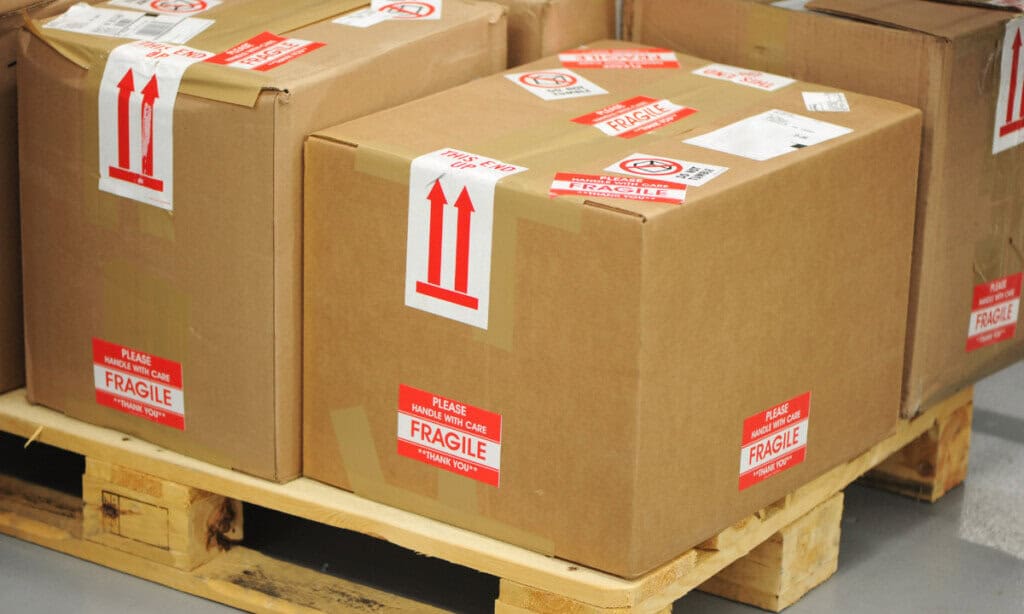
Today’s shoppers have zero patience for confusion. If there’s an unexpected fee at checkout, tracking information that doesn’t update, or a delay without explanation, it can make the customers turn against your brand.
But when shipping works, it can become part of your brand story:
- A package arriving early feels like magic.
- Real-time tracking builds excitement and trust.
- A smooth return process makes customers confident to order again.
The right shipping software can save you hours every week and hundreds of dollars (or more) a month. Instead of comparing shipping rates across different tools or manually filling out package weights and dimensions, you can automate almost everything.
So let’s look at what actually matters when choosing a shipping platform and the ones that have proven to work.
What Makes a Great Shipping Platform
There are hundreds of shipping tools out there, but only a handful really get the balance right between simplicity and power. Some ecommerce platforms have built-in shipping solutions, like Amazon and WooCommerce. But in my experience, these can become limiting very quickly, especially when you’re handling a number of orders per day.
From testing and comparing tools for both small Shopify stores and big Amazon sellers, here are the must-haves:
1. Multi-Carrier Support
You should be able to compare rates from USPS, UPS, FedEx, DHL, and regional carriers in real time, as well as access discounted rates without needing to meet certain volume requirements or signing big contracts. Ideally, you should also be able to choose between domestic and international carriers — even if you don’t ship internationally at the moment.
2. Automation
You should be able to create automations to handle things like carrier selection, package templates, and tracking all automatically, saving hours every week.
3. Unified Order Management
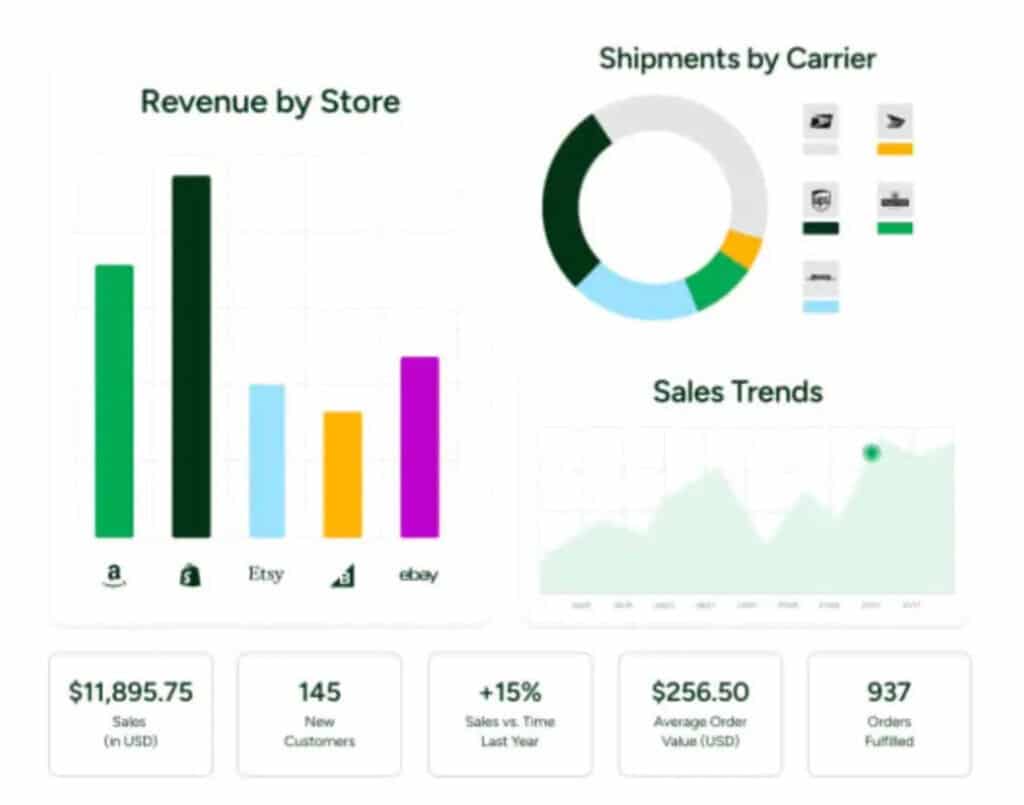
Whether you sell on Shopify, WooCommerce, Amazon, or Etsy, all of your store orders should sync into one dashboard so that you can easily manage every order and create labels for them all in one place.
4. International Tools
Good ecommerce shipping software will automatically generate customs forms, dramatically reducing the complexity that comes with shipping orders internationally.
5. Branded Experience
Custom tracking pages and emails enable you to reinforce your brand and drive repeat sales even after checkout.
6. Returns
A clear, automated return flow keeps customers happy and reduces back-and-forth emails.
7. Reporting
Insights like average shipping cost per order or on-time delivery rates help you keep a constant bird’s-eye view of logistics and instantly see where issues crop up.
My Top Picks for 2026
Shippo: Best Overall Shipping Software
If you’ve used Pirate Ship or another basic shipping tool and you feel ready for something more powerful, Shippo is the natural next step.
When I first connected my Shopify store, setup took about a minute. The dashboard immediately synced my orders, pulled in all order and customer information, and showed rate comparisons from USPS, UPS, and FedEx.
What I Liked
- A clean, intuitive, and easy-to-navigate dashboard that puts everything in one place.
- 40+ carriers worldwide (USPS, UPS, FedEx, DHL, Royal Mail, Evri, etc.), giving you the flexibility to choose the best shipping option for each order.
- Simple automation rules to save time and reduce errors. You can build logic such as:
- “IF the order weight < 2 lb, THEN use UPS Ground.”
- “IF the order destination is international, THEN use DHL Express.”
- “IF the order contains item ‘T-shirt’, THEN use package template ‘Small T-Shirt.’”
- Bulk editing and printing for up to 100 labels at once, allowing the processing of tens of orders in minutes instead of hours.
- Built-in address validation that catches errors before you ship, preventing costly delivery failures and frustrated customers.
- Branded tracking emails to reinforce your company and leave a lasting impression. These emails are also customizable, allowing you to add product recommendations and promos to drive repeat sales.
- International shipping is genuinely easy. Shippo helps with customs forms and supports international shipping partners, so you can expand to new markets without the usual headaches.
- The API allows you to integrate with a wide range of tools if the integration isn’t already supported by Shippo, giving you flexibility as your tech stack grows.
- Great pricing that scales with your business.
- Integrates with all major ecom platforms, including Shopify, Amazon, WooCommerce and Etsy — allowing you to manage every order and create labels for them all in one place.
What I Didn’t Like
- Reporting is fairly basic (fine for most small to mid-sized sellers, though).
- Automations may not be robust enough for businesses with complex shipping needs.
Who It’s Best For
Businesses of all sizes, including small to mid-sized businesses, growing businesses, and even larger brands that want automation and global shipping without enterprise-level complexity.
Pricing
Free for up to 30 labels/month. Paid plans start at $17 and scale up to $199/month, depending on your monthly label volume.
ShipStation: Best for High-Volume Sellers
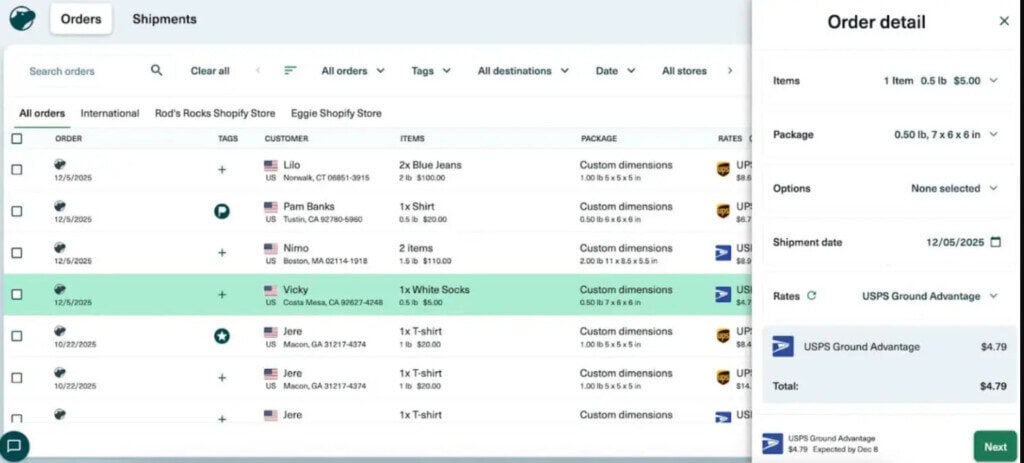
Where Shippo is built for simplicity at scale, ShipStation leans into the complexity that comes with enterprise shipping. It’s packed with advanced automation options, detailed reports, and deep integrations, which is ideal if you’re selling on niche platforms or managing multiple warehouses.
Including both Shopify and Amazon integrations, ShipStation handles complex workflows with ease. The trade-off here is cost, setup time, and complexity. It’s powerful, but getting it dialed in takes patience, as the learning curve is high and the automations, whilst incredibly thorough, are complicated. That paired with the platform’s regular price increases across the board can lead to frustration.
What I Liked
- Deep automations: split orders, automatically assign orders to users, and even route shipments to specific warehouses.
- 100+ integrations – from Shopify and eBay to Walmart, Etsy, and even ERP systems.
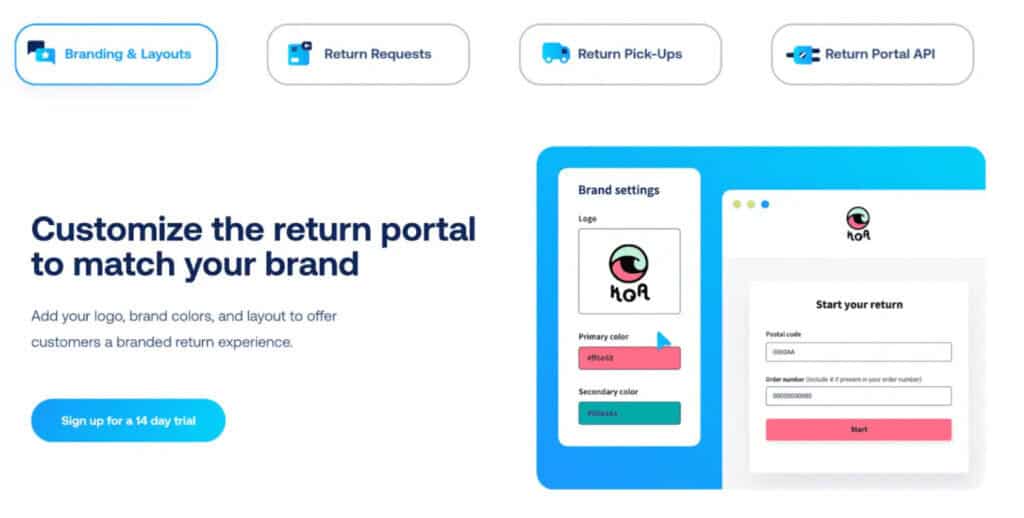
- Branded tracking pages and returns portal for a professional post-purchase feel.
What I Didn’t Like
- Constant price increases, and key features (like API access) locked behind higher plans.
- Steep learning curve. It’s not beginner-friendly.
- Occasional reliability issues (outages, slow syncing) reported around periods with high sales activity like holidays.
- Automations are more complex than Shippo, making the barrier to entry higher and unnecessary for simpler needs.
Who It’s Best For
Big teams that sell on niche ecommerce marketplaces/platforms or have complex shipping needs in general. But for most SMBs, it’s overkill, and you’ll spend lots of time learning features you don’t need and lots of money paying for power you won’t use.
Pricing
Plans range from $14.99/month for 50 shipments to $799/month for enterprise-level use.
Easyship: Good for International Sellers
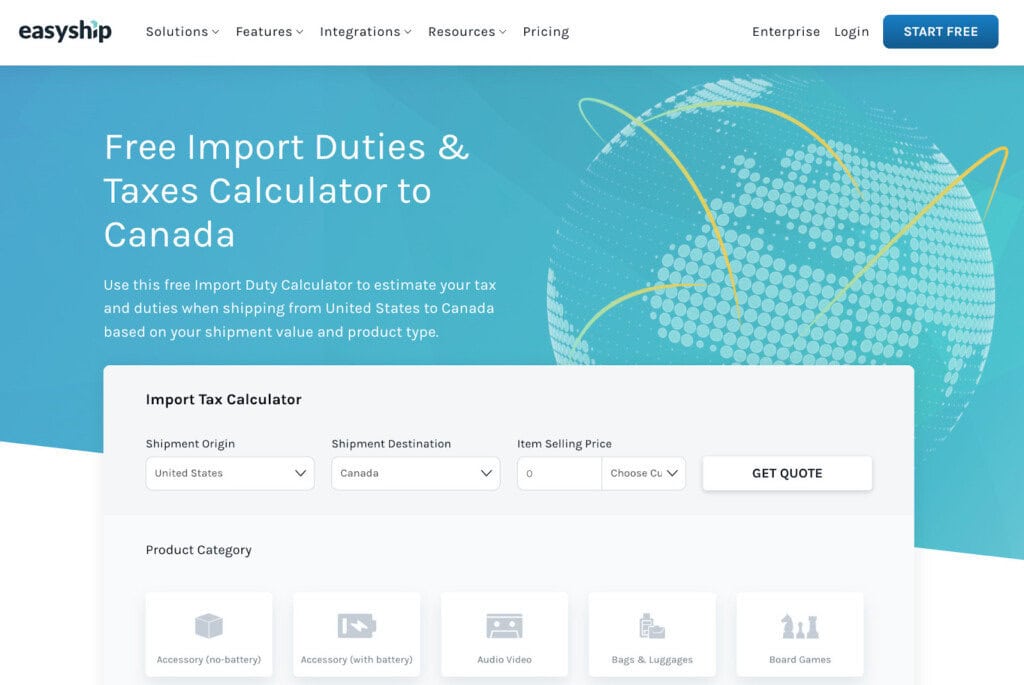
If your store ships to multiple countries, you’ve probably dealt with customs chaos, duties, taxes, and courier fees that confuse customers. Easyship simplifies all that.
A really nice thing about Easyship is it shows “landed cost” at checkout, the total price including duties and taxes. No more surprise fees at the door or delivery slips with extra payments for the customer.
The main downside here is its support, which has a really bad reputation.
What I Liked
- Integrates with 550+ global carriers, including very niche ones like New Zealand Post and Singapore Post.
- Automatically calculates duties and taxes at checkout.
- Auto-generates customs forms (and handles HS codes correctly).
- Lets you show real international rates in your store’s checkout flow.
What I Didn’t Like
- More expensive for domestic-only sellers.
- Interface feels slower compared to Shippo and ShipStation.
- Lots of complaints around slow support.
Who It’s Best For
Cross-border international sellers who want a plug-and-play international setup.
Pricing
Free for up to 50 orders/month, then $29 – $199/month, depending on monthly label volume.
Sendcloud: Best for European Merchants
Sendcloud is a huge name in the European shipping market. If you’re based in the UK, EU, or other European countries, then it’s one of the few tools that really “gets” regional complexity, such as cross-border VAT.
What I liked most is their checkout plugin. It shows delivery times, live rates, and pickup points directly in the cart. It’s polished and feels high-end.
What I Liked
- Excellent European coverage and local carrier options.
- Branded returns and tracking portals that look great on mobile.
- Checkout widget showing live delivery options.
- Good reporting for carrier performance and costs.
What I Didn’t Like
- Weak U.S. coverage. It feels like it is really meant for Europe-first stores.
- No free plan, and pricing starts high ($33/month minimum plus an additional per-label fee).
- Limited number of store integrations and automations you can configure per plan.
- Slightly more complex setup than Shippo.
Who It’s Best For
European stores wanting a fully localized solution for domestic and regional shipping.
Pricing
$33 – $799/month.
ShippingEasy: Best for Robust Automation
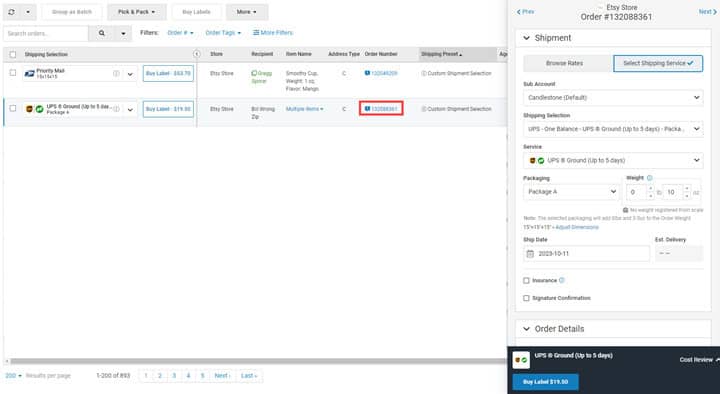
ShippingEasy offers a solid middle ground with much more fleshed-out automation capabilities than other tools, while still maintaining a relatively accessible interface. It’s designed for businesses that need reliable automation but don’t require the enterprise-level complexity of ShipStation.
What I Liked
- Robust automation rules that can handle conditional logic for carrier selection, package templates, and order routing.
- Built-in simple emails (post-purchase follow-ups, abandoned cart recovery).
- Reliable customer support with quick onboarding.
- Works with Shopify, Amazon, and eBay.
What I Didn’t Like
- Add-ons get expensive fast, especially for smaller operations.
- Syncing issues with Shopify, particularly with partially-fulfilled orders, held orders, and order updates that don’t pull through even on manual resync.
- Only three carriers (USPS, UPS, FedEx), with no FedEx discounts. You’re boxed in if you want to compare regional options or ship internationally.
Who It’s Best For
Businesses that need solid automation for domestic U.S. shipping and can work within a three-carrier setup. If international expansion or carrier flexibility matters, you’ll outgrow it quickly.
Pricing
Free for 25 shipments/month, then $19.99 – $189.99/month.
EasyPost: Best for Developers & Custom Integrations
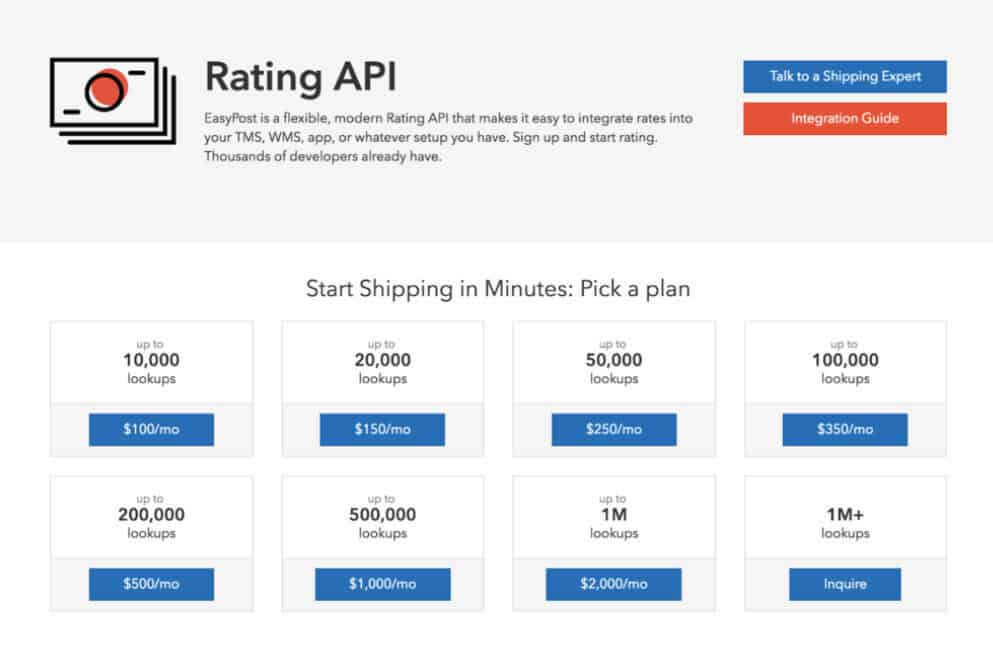
EasyPost isn’t really a “dashboard” tool, it’s an API used by companies that want to build shipping into their own system. Think custom marketplaces, logistics startups, or enterprise teams with in-house developers.
What I Liked
- 100+ carrier connections, including regional and niche couriers.
- API endpoints for labels, tracking, address verification, and SmartRate (which uses AI to predict best carrier choices).
- Great if you want to embed shipping directly into your software or ERP.
- Very customizable, especially for bigger businesses.
What I Didn’t Like
- No visual dashboard (unless using a third-party app built on EasyPost).
- Setup requires a lot of technical knowledge, plus a dev team.
- Missing out-of-the-box branded features like tracking pages or customer emails.
Who It’s Best For
High-volume businesses with dev teams or apps that need embedded shipping features. It isn’t really suitable for small ecom sellers.
Pricing
Pay per shipment/API call, no fixed monthly fee. So it is a good value, as you only really pay when a customer places an order.
The Verdict
Each tool has its pros and cons, but some of the tools have quite big trade-offs or are only really suitable for very big businesses. Overall, I think the majority of businesses would get the most advantage from a tool that has its own dashboard, so you can manage all your shipments in one place. For most eCommerce businesses, Shippo hits the sweet spot. It’s simple enough for beginners, powerful enough for scaling, and integrates everywhere you need it to. ShipStation is great for complex operations, and Easyship is good for global sellers, but Shippo is the one I recommend the most often.