


Last Updated on March 25, 2026 by Ewen Finser
Phone plans today can feel overwhelming. Between long contracts, surprise fees, data overages, and constantly changing monthly bills, it’s easy to feel confused before you even get started.
That’s why prepaid phone plans can be such a relief, especially for seniors who want something simple and predictable. With a prepaid plan, you choose exactly what you need upfront. You pay for it in advance, often set up autopay once, and then you don’t have to think about it again.
No surprise charges. No complicated bills to sort through each month. No long-term contracts tying you down.
If all you really want is a phone that lets you call your family, text your friends, and stay in touch with your doctors, a prepaid plan makes that easy. If you’re looking for something affordable on a fixed income, prepaid plans help you stick to a budget. And if you just don’t want the stress of managing another monthly bill, prepaid service keeps things straightforward and manageable.
Best Prepaid Phone Plans for Seniors

- Best overall: Total Wireless
- Best for safety: Lively
- Best for reliability: Visible
- Best budget-friendly: TextNow
Best Overall: Total Wireless
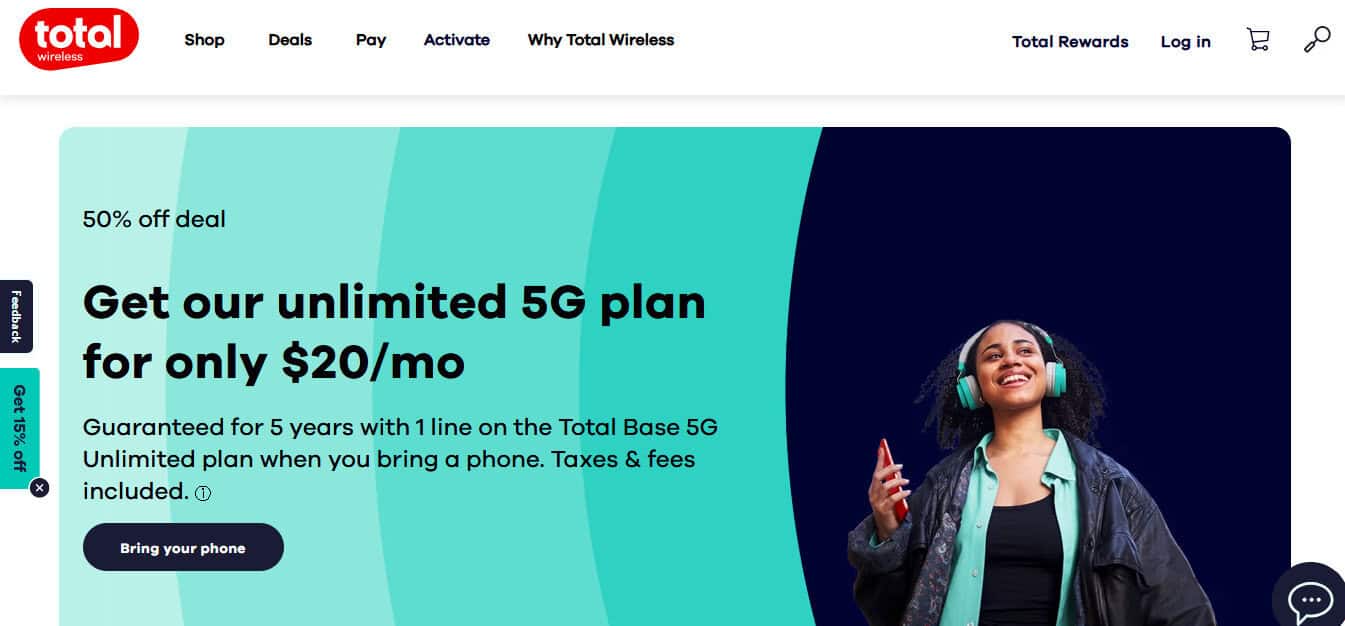
Total Wireless is my top overall pick because it truly keeps things simple, predictable, and reliable. Plans start at $40 a month, with a price lock guaranteed for five years. This means there is no guessing about next month’s or next year’s bill, which is ideal for someone on a fixed income.
Taxes and fees are included, unlimited talk and text come standard, and they don’t have to worry about binding contracts or surprise charges. Because it’s prepaid, you can also set up autopay once and avoid the stress of remembering due dates or sorting through complicated monthly statements.
Total Wireless operates on Verizon’s network, helping seniors stay connected with family, doctors, and emergency services. That reliability matters, especially if you need your phone for medical appointments, pharmacy calls, or urgent situations.
Seniors can bring their own phone or buy one directly from the website. The setup process is straightforward, and once everything is in place, there’s very little ongoing maintenance required.
Accounts are managed through the app or with help from customer support. If they have access to the app, family members can help with any plan changes, bill paying, or tech support. This makes it easier for adult children or caregivers to step in and assist without making things complicated.
Pros
- Price guaranteed for five years
- Built-in spam filtering
- Hotspot included (15GB)
Cons
- Higher-tier plans can be pricey on fixed income
- Hotspot data is capped
Best for Safety: Lively

First, Lively offers users a Jitterbug phone, which is thoughtfully designed for seniors, featuring large screens, large buttons, clear speakers, and long-lasting batteries. They’re easy to see, hear, and use.
What truly sets Lively apart is the added layer of safety and real human support. Every device includes access to Urgent Respond, a built-in button that connects seniors to trained agents 24/7 for emergencies, whether it’s something serious or you just need a little extra help and reassurance.
Lively also makes it easier to stay connected with family members. Through the Lively Link app, loved ones can receive updates about a senior’s health and safety, offering peace of mind on both sides. One feature I especially appreciate is Ask Lively, which provides friendly support for everyday questions (whether you need directions, have a simple concern, or just want help learning how to use a feature on your phone).
Another feature is Lively Rides, which allows seniors to schedule transportation directly through the service without needing to download or manage a separate app like Lyft. Altogether, these thoughtful extras create a level of support that goes beyond a typical phone plan. The peace of mind they provide is truly priceless.
However, it’s important to note that the basic plan, which is $19.99 a month, does not include these unique safety features, other than Ask Lively and Lively Rides. Users would need to sign up for the next tier at $39.99 per month.
Pros
- Specifically designed for seniors
- Family alert app
- Nurse-on-call service
- Ride scheduling service
- Urgent response available
Cons
- Some safety services available on more expensive plans
Best for Reliability: Visible
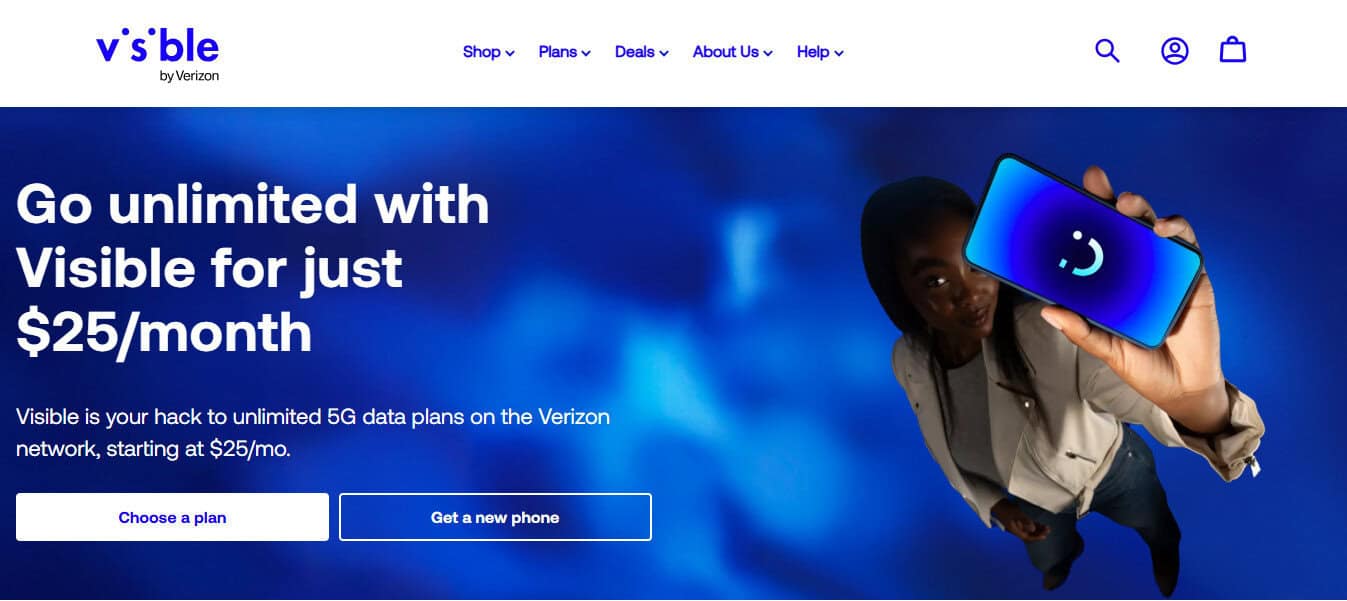
Visible is a strong option for seniors who prioritize reliable service. Because Visible runs entirely on Verizon’s network, it offers coverage across cities, suburbs, and rural areas. That reliability can be especially comforting if you rely on your phone for doctor’s appointments, pharmacy calls, checking in with family, or reaching help in an emergency.
Plans are paid month-to-month, with taxes and fees included, so there are no surprise charges showing up later. Unlimited talk and text come standard, which means you don’t have to worry about running out of minutes or watching the clock during important conversations. For seniors on a fixed income, this kind of predictability makes budgeting much easier.
Accounts are managed online or through an app, and family members can step in to help with bill payments, troubleshooting, or plan changes if needed. This can be especially helpful for seniors who prefer having a child or caregiver handle the technical side of things.
One thing to keep in mind is that Visible does not sell traditional flip phones and focuses mainly on smartphones. This works well for seniors who are already comfortable using a basic smartphone with larger text and simple apps. However, if you prefer a very simple flip phone with physical buttons, you would need to purchase that separately.
Pros
- Affordable unlimited data plans
- Uses Verizon’s network
- 5G is included in the plan
- Unlimited hotspot
Cons
- Focuses on unlimited plans—no smaller data or light-use options
- No flip phones for sale

Try Visible for FREE with their 15-day offer before you switch. No commitment or credit card needed. Terms apply.
Best Budget-Friendly: TextNow
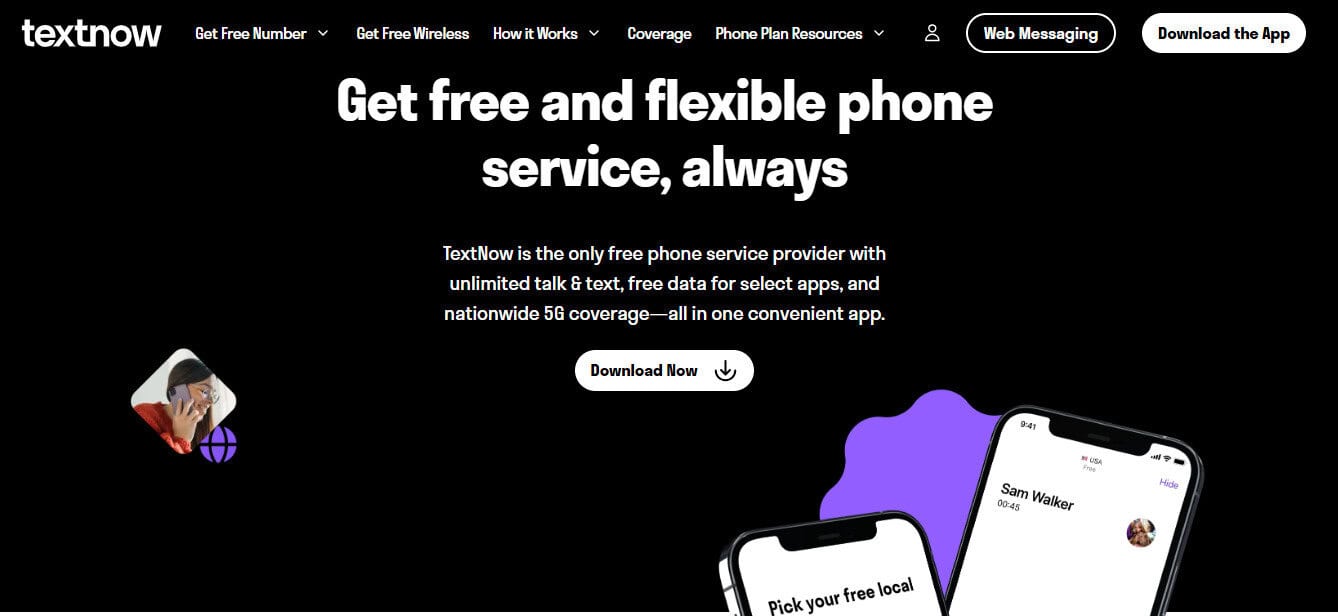
TextNow stood out to me as the most budget-friendly option because it actually offers free service. With its base plan, seniors can get unlimited talk and text at no monthly cost. For anyone living on Social Security or a fixed retirement income, eliminating a monthly phone bill altogether can make a real difference.
The catch? The free plan includes ads, which can feel distracting or annoying.
TextNow is also app-based, similar to WhatsApp, and doesn’t sell its own phones. Seniors would need to use a smartphone they already own – one that can download apps from the app store.
Calls and texts work over Wi-Fi at no cost, which makes this especially practical for seniors who mostly use their phone at home, in a senior living community, or somewhere with reliable internet access.
For those who want service outside of Wi-Fi, TextNow offers a low-cost SIM card that connects to a nationwide 5G network while still keeping unlimited talk and text at $0 per month. Data can be added only when needed through affordable daily, weekly, or monthly passes. This “pay only if you need it” approach can help seniors avoid overpaying for data they may never use.
Pros
- Free calling and texting
- Easy setup and use
- Works across devices
- Local phone numbers available
Cons
- Ads on free service
- No mobile data without paid passes
FAQs
Question: Are prepaid plans good for seniors?
Answer: Many seniors also don’t need unlimited data, premium streaming perks, or the newest smartphone every year. Prepaid plans allow you to pay only for what you actually use, usually unlimited talk and text, with a modest amount of data if needed. That simplicity can make managing your phone service far less stressful.
Question: Do prepaid phone plans work with basic phones or flip phones?
Answer: Prepaid phone carriers usually support all devices, from smartphones to basic flip phones. Some even sell phones that are senior-friendly if you don’t have one to bring with you into the new plan. These phones typically have larger buttons and easy-to-read screens. This makes it a flexible option for seniors who prefer simpler, no-frills devices but want to stay in contact with loved ones.
Question: Can family members help manage a prepaid phone plan for a senior?
Answer: Absolutely. Most carriers allow accounts to be managed only, so a trusted loved one can help them set up the service, manage payments, cancel or adjust plans, or reach out to support if there are any tech issues.
Final Thoughts
After looking at all of these options, I truly believe prepaid phone plans make the most sense for many seniors. They remove so much of the stress that comes with traditional phone plans. There are no contracts to keep track of, no surprise charges, and no pressure to constantly upgrade devices or features you don’t even need. Instead, they focus on what matters most: staying connected, feeling safe, and knowing exactly what you’re paying each month.
If you want an easy, dependable plan with predictable pricing, Total Wireless is a great overall option. If safety and peace of mind are top of mind, Lively stands out with features designed specifically for seniors. For those who value strong nationwide coverage and reliability. Visible is a solid choice, especially if you prefer a smartphone. Lastly, if budget is your biggest concern, TextNow offers a remarkably low-risk way to stay connected without committing to a monthly bill.
A phone should feel like a helpful tool, not the source of stress and frustration. Focusing on a prepaid phone plan with simplicity, reliability, and predictable costs can make all the difference.