


- Before We Compare Plans, Let’s Talk About Value
- Comparison Table: Quick View
- 1. Visible: Unlimited, Simple, No Surprises
- 2. Mint Mobile - Prepay and Save
- 3. T-Mobile Essentials: Straightforward Unlimited
- 4. Cricket Wireless - Prepaid and Predictable
- Quick Reality Check Before Switching
- Which Type Of Phone User Are You?
- The Bottom Line
Last Updated on February 23, 2026 by Ewen Finser
My phone is basically the center of my life. It wakes me up, keeps me connected, helps me work, entertains me, and occasionally sends me into a late-night doom scroll. So when the bill arrived each month, I barely looked at it. I just assumed that was the cost of staying connected.
That worked, until I finally sat down to look at my finances. That’s when I realized my mobile phone plan was gobbling up way more of my budget than I was comfortable with.
Surely there had to be a cheaper, or at least smarter, option?
So I did what I do best and went down a research rabbit hole. What I found wasn’t just a lower monthly bill. It was something better: Value phone plans.
And yes, my finances let out an audible sigh of relief. (That was me. Definitely me.)
Before We Compare Plans, Let’s Talk About Value
“Value” sounds obvious, right? But everyone defines it differently.
To me, good value isn’t just picking the cheapest option. I want something affordable that actually works with no surprises, no hidden nonsense, and no feeling like your money disappears into a black hole.
As I mentioned, I use my phone constantly. So whatever plan I picked had to work reliably, not drop calls, and would keep up with my streaming. Saving money is pointless if the service drives you nuts.
Why Cheap Plans Can Backfire

Just because it’s cheap doesn’t mean it’s actually worth it.
Some plans look amazing on paper until you notice the hidden limits. Slower speeds during peak hours. Data caps that seem generous until you blow through them halfway through the month. “Great” coverage that’s only great in the city.
I’ve been tempted by plans that were technically cheaper, but came with limits that would’ve annoyed me every single day. That’s when it all clicked: value isn’t just about saving money, it’s about not creating new headaches.
The 3 Things That Actually Make a Phone Plan Worth It
I narrowed down what mattered to three things: price, features, and reliability.
All three have to work together. One alone doesn’t make a plan valuable. Along the way, I ran into MVNOS – Mobile Virtual Network Operators.
Basically, they don’t own cell towers. They lease network access from the big names (like Verizon, AT&T, and T-Mobile), but keep prices lower by running lean. Fewer physical stores, simpler plans, less overhead.
The result? You often get the same coverage, but at a much lower cost. And suddenly, all those years of overpaying made sense. Love that for me.

Try Visible for FREE with their 15-day offer before you switch. No commitment or credit card needed. Terms apply.
Comparison Table: Quick View
Plan | Price | Features | Reliability | Why It’s a Value Pick | Who It’s Good For |
$30/mo | Unlimited talk, text & data; hotspot included | Verizon network; 5G access | Affordable, unlimited, reliable — no surprises | Heavy data users, remote workers, streamers | |
$15–30/mo | Unlimited talk & text; 4–35 GB data; hotspot on higher tiers | T-Mobile network; solid in cities, some rural gaps | Rewards planners, prepay to save | Students, secondary lines, planners | |
$60/mo | Unlimited talk, text & data; basic hotspot | T-Mobile 5G; strong urban coverage | Simple, predictable, reliable | Families, long-time carrier users | |
$30–60/mo | Unlimited talk & text; data varies; some hotspot | AT&T network; strong coverage | Prepaid means budgeting is easy, dependable, and family-friendly | Budget-conscious households, parents, or prepaid fans |
1. Visible: Unlimited, Simple, No Surprises
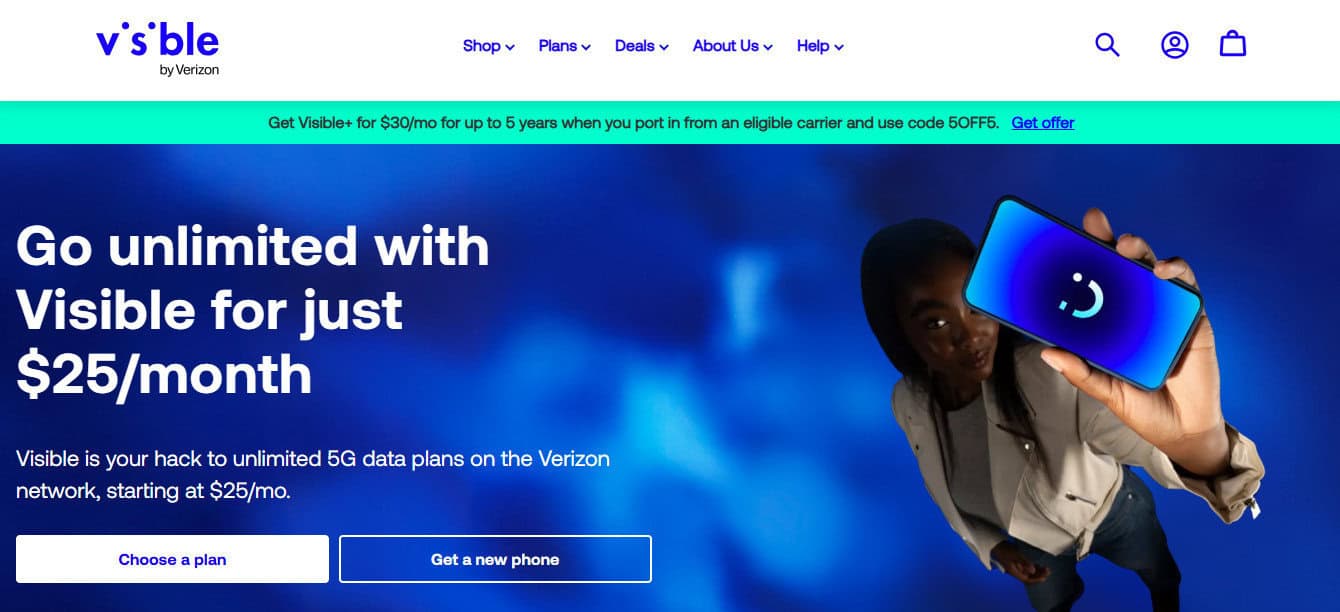
This is the plan that made me actually excited about paying a phone bill. I know, shocking. Paying a phone bill doesn’t usually give me joy, but this one did.
Visible didn’t just cut my bill; it simplified the whole experience. They don’t mess around with confusing tiers or upsells. One flat rate, one clear list of what’s included, and zero “wait, what’s this fee?” moments. That alone made switching feel safe.
Unlimited data? I stopped mentally tracking my usage. Hotspot? I could work anywhere without hunting for Wi-Fi. That mental freedom? Huge. If you live on your phone like me, it’s a game-changer.
And it runs on Verizon’s network, so I wasn’t giving up reliable service just to save a few bucks. In my day-to-day life: commuting, running errands, working from cafes – performance has been consistent. 5G access is included, which matters if you rely on faster speeds in busier areas.
- Price: $30/month for unlimited everything. No surprises, no hidden fees.
- Features: Unlimited everything, plus a hotspot is included. Simple and clean.
- Reliability: Verizon network with 5G; dependable in most metro and suburban areas.
Why I call it a Value Pick:
It hits all three: price, reliability, and simplicity. No extra fluff, no missing essentials.
Who it’s good for:
Heavy data users, remote workers, streamers, and anyone who wants one predictable monthly bill.
Who it’s not for:
If you prefer in-store customer service, bundled entertainment perks, or tons of add-ons, it may feel too simple. And like most unlimited plans, speeds can slow down a bit during peak times.
2. Mint Mobile – Prepay and Save
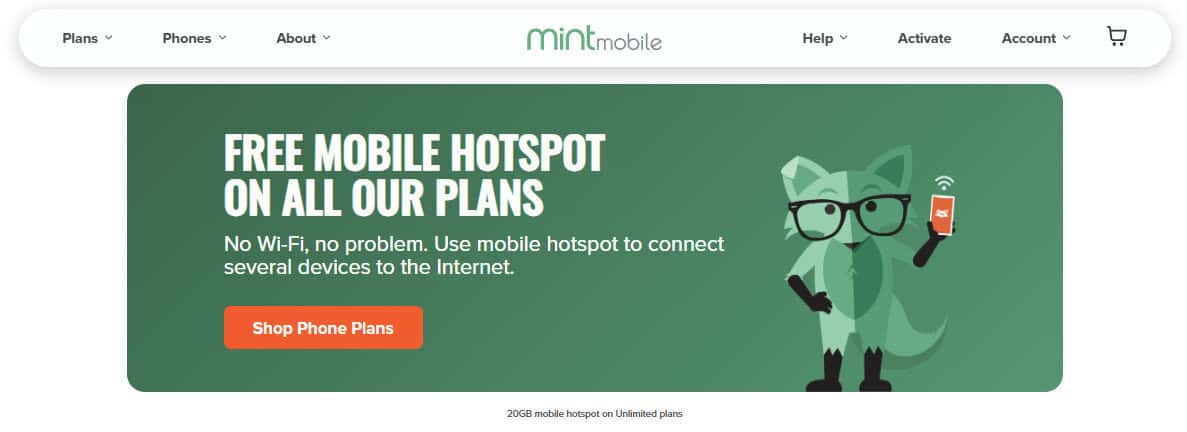
Mint is the “planner’s plan.”
You pay upfront for a few months to get the lowest rate. At first, that threw me off. But once I understood the math, it made sense. Lock in a few months, and your average monthly cost drops.
Data tiers are a bonus. Not everyone needs unlimited everything. If you mostly text, scroll, navigate, and occasionally stream, paying for 4GB, 15GB, or 35GB can be smarter than overpaying for unlimited data that you don’t use.
In cities and suburban areas, coverage is generally strong. Everyday tasks run smoothly, but coverage can thin out in more rural areas, so it’s worth checking if you’re outside urban zones.
- Price: Roughly $15 – $30/month, depending on the plan length and data tier. Lower effective rate when you prepay.
- Features: Unlimited talk and text, data tiers from 4-35 GB depending on plan; hotspot on higher plans.
- Reliability: Runs on T-Mobile’s network; works fine in cities and suburbs, but can get spotty in the country.
Why I call it a Value Pick:
It’s the kind of plan that rewards organized people. (I am trying to be one of them). If your data use is predictable and you don’t mind paying upfront, you can keep your monthly average low without giving up solid everyday service.
Who it’s good for:
Light-to-moderate data users, students, secondary lines, or anyone trying to lock in a lower rate.
Who it’s not for:
Heavy streamers or people who regularly burn through large amounts of data. If you go over your planned usage, it can feel limiting. Heavy data users, like myself, may find themselves hitting a cap sooner than they’d like. Also not ideal if you prefer paying month-to-month without the commitment.
3. T-Mobile Essentials: Straightforward Unlimited
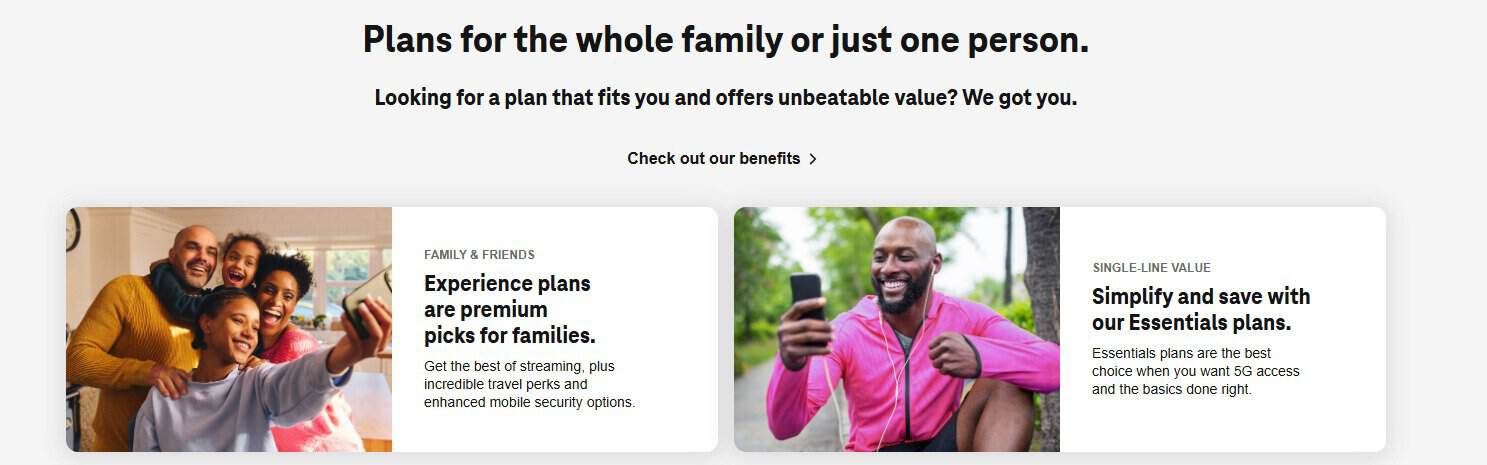
T-Mobile Essentials is less about chasing the lowest price and more about stability.
It’s a traditional unlimited plan without any flashy extras. No bundled streaming perks, no complicated bundles, just unlimited talk, text, and data that works.
At around $60 per month for a single line, it’s not the bargain option, but multi-line discounts make it easier for families. If you like a “set it and forget it” approach, this is your vibe.
In most cities and suburban areas, speeds are reliable for everyday use like streaming, video calls, navigation, and social media. It’s the kind of plan that just quietly works, which is kind of a relief.
- Price: Around $60/month for one line; it’s cheaper per line with family plans
- Features: Unlimited data, talk & text. Basic hotspot included.
- Reliability: T-Mobile 5G network. Strong in cities and suburbs.
Why I call it a Value Pick:
It keeps things simple and predictable. No gimmicks, just access you can rely on.
Who it’s good for:
Families, long-time carrier users, or anyone who just wants a plan that behaves the way you expect it to, even if it costs a bit more.
Who it’s not for:
Budget-focused folks. Trying to cut costs? This may feel pricey compared to other value plans.
4. Cricket Wireless – Prepaid and Predictable
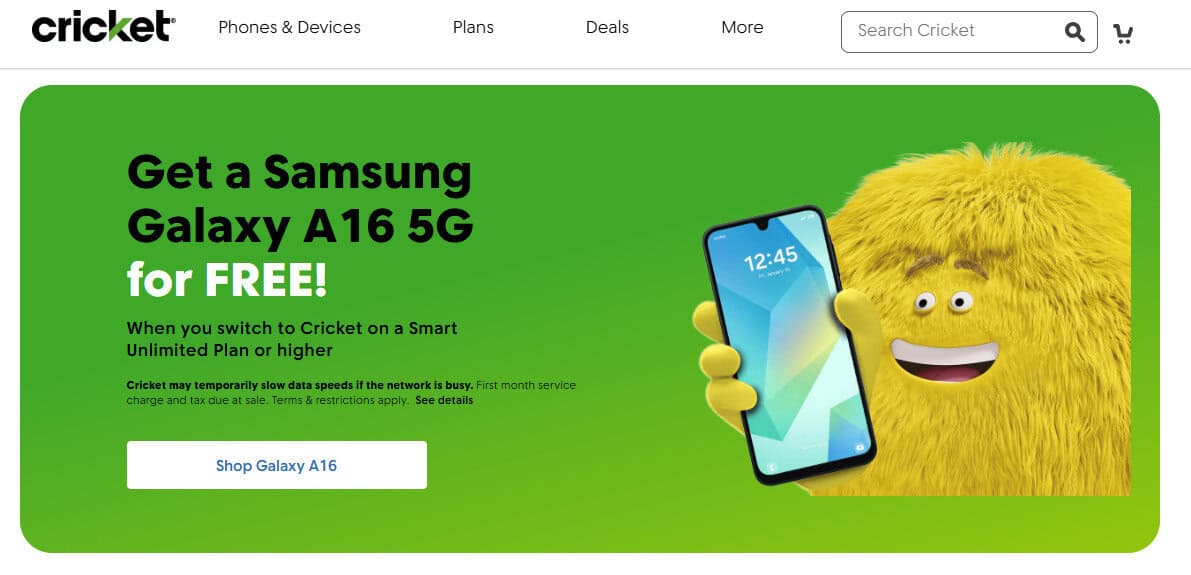
Cricket is like that dependable friend who mostly does what you expect, and that’s the appeal.
Prepaid means no surprise bills. You know exactly what’s leaving your account every month. Peace of mind? Check.
Plans range from unlimited data to smaller tiers, and some include a hotspot. It uses AT&T’s network, which is pretty much everywhere. That’s a win if you travel domestically or split time between cities and smaller towns.
It’s perfect for families that are juggling multiple lines, or anyone who wants their phone plan to just behave.
- Price: $30-$60/month, depending on the plan tier
- Features: Unlimited talk and text. Data varies by plan; some plans include a hotspot.
- Reliability: Uses AT&T’s network; wide coverage area
Why I call it a Value Pick:
It combines dependable coverage with a straightforward pay-as-you-go setup. No contracts and no overage surprises make it easy to manage.
Who it’s good for:
Budget-conscious households, parents managing teen lines, or prepaid fans.
Who it’s not for:
Heavy streamers or hotspot power users. If you want the fastest possible data speeds or heavy hotspot use, higher-tier plans can start to edge closer in price to unlimited competitors. At that point, it’s worth comparing against unlimited options.
Quick Reality Check Before Switching
A few things worth knowing before you make the jump:
- Most prepaid/value plans don’t require contracts.
- You can usually keep your current number.
- Speeds can slow down during peak times when the network is busy on unlimited plans.
- Taxes and fees vary by state and may not always be included in the listed rate.
None of this is a dealbreaker. Just details to check so you’re not surprised later.
Which Type Of Phone User Are You?

Here’s the thing: not every plan is going to suit everyone, and I definitely learned that the hard way. Just because something is cheap doesn’t mean it’s actually worth it for how you use your phone.
- Light users: If you mostly text, scroll a little, and don’t burn through data, a prepaid or low-data plan is perfect. You won’t pay for stuff you don’t use, and it’s nice to know your bill won’t give you sticker shock.
- Heavy data users: If you’re streaming, gaming, scrolling endlessly, or basically live on your phone, unlimited plans are your best friend. You’ll save the headache of constantly watching your data meter, and trust me, your sanity is worth it.
- Frequent travelers: If you’re hopping time zones, traveling internationally, or just hate the idea of roaming fees, look for plans that include international perks. It’s like insurance for your phone life. Better to have it and not need it than need it and panic.
I realized pretty quickly that my habits leaned closer to a heavy data user than I wanted to admit. Streaming, maps, work calls, background apps – it all adds up fast.
The Bottom Line
After all that digging, here’s the thing: finding a plan that actually fits how I use my phone is way more satisfying than hunting for the cheapest option. Some of these plans saved me money, some saved me mental energy, and a few did both.
What surprised me the most? How unnecessary my old bill suddenly felt. All those months of overthinking usage, worrying about data caps, or just blindly paying because “that’s what I always do”. Gone. Replaced by plans that actually work with my life, not against it.
For me, good value isn’t just a lower amount on my bill. It’s the relief of knowing my phone will work when I need it, the freedom to stream or work on the go without panicking about data, and yes, the quiet joy of paying a bill without side-eyeing every charge.
Once I stopped hunting for “the cheapest” and started looking for “the right fit” instead, the choice became clearer.