


Last Updated on January 21, 2026 by Ewen Finser
If you’re out here searching for the “best fractional talent marketplace,” chances are something in your current setup isn’t working.
Maybe you’re not ready to hire full time yet, but your in-house team is stretched thin. Maybe you’ve tried an agency and felt boxed into long contracts, junior execution, or generic playbooks that don’t really fit your business. Or maybe you’ve gone the freelancer route and spent way too much time vetting, onboarding, and fixing work that looked good on paper but fell apart in practice.
Fractional talent can be a great middle ground when it’s actually done right. But not all marketplaces are built the same, and choosing the wrong one can create just as many headaches as it solves. Trust me, I’ve been there.
I want to share a breakdown from experience of some of the most well known fractional and freelance marketplaces in my opinion. Including where each shines the most, where they typically fall short, and who I personally think they’re actually best for
I want you to review this list of the best fractional talent marketplaces and make the best decision for your company. The goal is to help you choose based on how your team actually operates, not how you wish it did.
My Picks for the Best Fractional Talent Marketplaces
Right Side Up
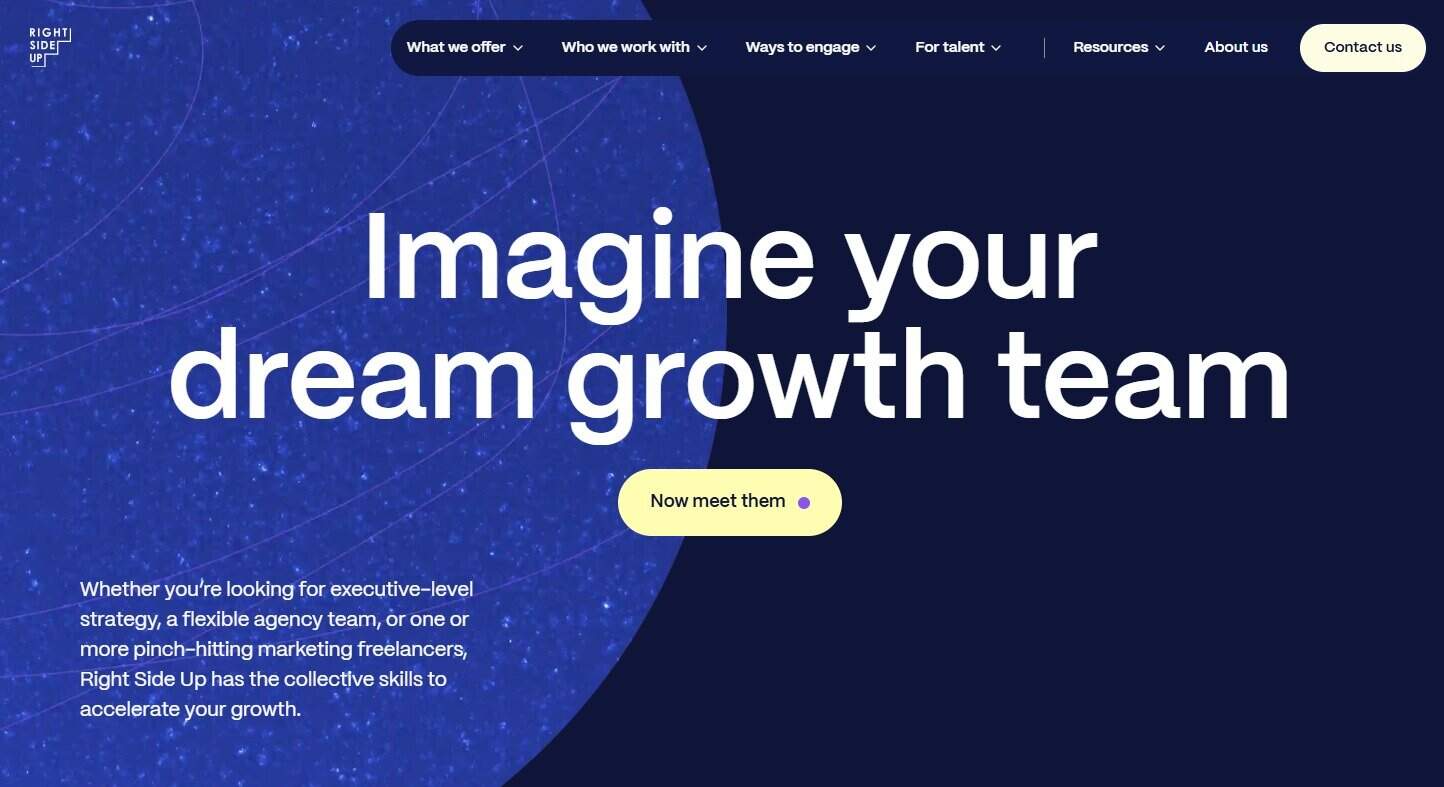
Best for: Mid stage to enterprise companies that care deeply about seniority, speed and flexibility
Right Side Up is one of the more established players in the fractional marketing space and it feels different for a reason. From my experience, They don’t just position themselves as a traditional agency or a freelancer marketplace. Instead, they operate as a talent platform built specifically for experienced marketing organizations that need high caliber support without committing to a fulltime hire too early.
One of the biggest differentiators with RSU is talent quality. Their network is made up of senior marketers, many with backgrounds at well known tech, DTC and B2B companies. This is not the place you go to if you’re looking for the cheapest option or someone to “just do a task.” It’s where teams go when they need someone who understands strategy, can plug into an existing org quickly, and doesn’t need hand holding.
Another thing RSU does well is speed. They’re known for matching talent in days, not weeks, which matters more than people realize when a channel is underperforming or a key team member is out on leave. The flexibility is also real. You can scale hours up and or down, end engagements with short notice, and even hire talent full time if it makes sense.
That said, RSU is not for everyone. If you’re at a very early stage, don’t have internal marketing leadership, or need someone to build foundational systems from scratch with a lot of direction, it may feel like just a little too much. Their model works best when there’s already some structure around goals, ownership, and decision making.
Pro’s
- Very strong senior level talent pool
- Fast matching and deployment
- Flexible contracts with low risk to start
- Feels like an extension of an in-house team, not an outside vendor
Con’s
- Higher cost than open marketplaces
- Not idea for early stage teams with no internal marketing leadership
- Less focused on junior execution roles
MarketerHire

Best For: Companies looking for vetted marketers with a bit more structure than open freelance platforms
MarketHire sits somewhere between a traditional freelancer marketplace and a curated talent network. They focus specifically on marketing roles and emphasize vetting, which can save time compared to platforms where you’re sorting through hundreds of profiles yourself.
Where things can get tricky is seniority and fit, I would say. Because while there are experienced marketers on the platform, the range is very wide. Some talents feel much closer to execution-focused freelancers than strategic operators. This isn’t necessarily a bad thing, but it does mean you’ll need to be very clear about what level you are hiring for and really how much direction you are prepared to give.
Another limitation is flexibility. While it’s more flexible than agencies, it can still feel structured in ways that don’t always map cleanly to how internal teams work, especially during periods of rapid change.
Pros:
- Marketing a specific talent pool
- Vetting process saves time
- Good options for channel specialists
Cons:
- Seniority can be inconsistent
- May require more hands on management
- Less tailored for complex or evolving org needs
Upwork
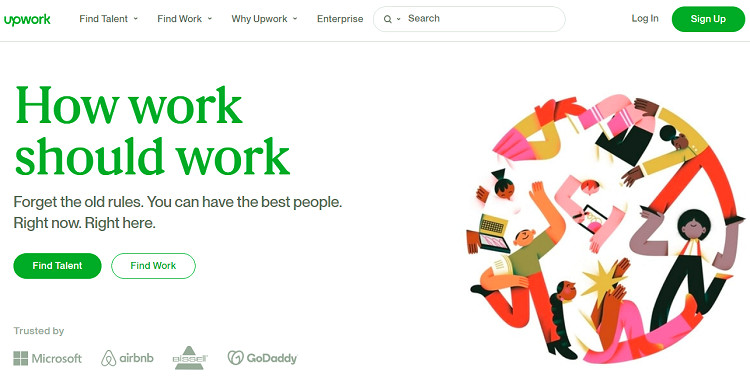
Best For: Very specific, well scoped task with clear deliverables
Upwork is one of the most widely known freelance platforms, and for good reason. There’s an enormous pool of talent across nearly every skill set imaginable. If you know exactly what you need and clearly define scope, timeline, and success criteria, it can be a cost effective way to get work done.
The challenge with Upwork is not access, it’s actually signal. Sorting through its profiles, proposals and portfolios actually takes time. To be totally honest, quality also varies significantly, and even strong freelancers can struggle if the brief isn’t tight or expectations aren’t clearly documented.
Upwork works best for project-based work or clearly defined execution tasks. It’s less reliable for strategic roles, long term ownership, or situations where you need someone to operate independently within a broader marketing system.
Pros
- Large talent pool across points
- Good for short term or task based work
- Flexible hiring and engagement options
Cons
- Time consuming vetting process
- Quality and experience vary widely
- Not ideal for strategic or leadership roles
Toptal
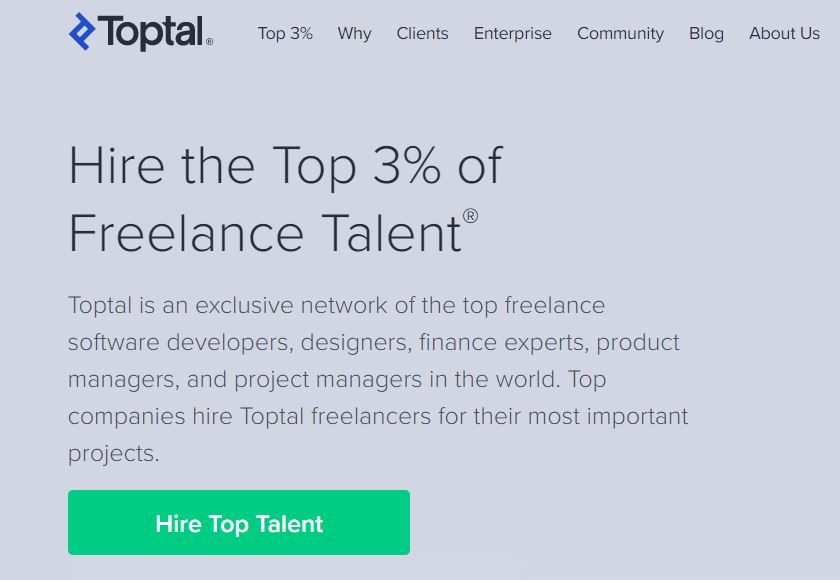
Best for: Companies prioritizing technical or engineering talent with higher budgets.
While toptal is often mentioned in talent marketplace conversations, it’s worth noting that their core strength really historically lies in engineering and technical roles. They do, however, offer marketing talent, but the experience can feel uneven depending on the role.
Toptal really emphasizes an elite screening process and premium pricing. In theory, this would ensure quality. In practice though it can feel rigid and expensive, especially if your needs shift mid engagement or you’re experimenting with new channels.
For companies that value brand name platforms and are comfortable with higher costs, Toptal may make sense. For others, the actual tradeoff between cost, flexibility, and fit can be hard to justify.
Pros:
- Strong vetting process
- High caliber technical talent
- Works well for very specific, high stakes roles
Cons:
- Expensive
- Less flexible engagement structure
- Marketing talent depth is less consistent
So which fractional talent marketplace is actually best?

The honest answer is that it depends on where your company is and what problem you’re trying to solve.
If you need senior marketing leadership, fast deployment, and flexibility without committing to a full time hire. Right Side Up stands out as one of the strongest options. Their model is built for teams that already understand the value of experienced marketers and want partners who can operate with autonomy and judgment.
If you are basically looking for channel specialists and don’t mind being more hands on, platforms like MarketerHire can work well. If you have very clear, execution level needs and want cost control, Upwork may be sufficient. And if budget is less concern and brand name vetting matters, Toptal might fit.
What matters most is being honest about your internal capacity. Fractional talent works best in my opinion when expectations are clear, ownership is defined, and leadership knows how to get external support.
No marketplace can fix unclear strategy, misaligned incentives, or decision paralysis. But the right one can absolutely accelerate growth when used thoughtfully.