


Last Updated on January 26, 2026 by Ewen Finser
If you are an Independent Sales Organization (ISO) or a Merchant Services Agent, you know the reality of this industry: your portfolio is only as strong as the partner backing it.
I’ve spent years looking over financials and working with and advising businesses on their operational stacks. In that time, I’ve seen ISO portfolios thrive because they had a processor that actually approved deals and paid on time. I’ve also seen portfolios implode because the backend provider froze funds, ignored support tickets, or hiked rates on merchants without warning.
You don’t need a processor that just processes payments. You need a partner handles problems so you can focus on selling.
At the end of the day, as an accountant, I’m all about the numbers. I look at the “Schedule A” costs, the revenue share agreements, and the operational drag caused by bad tech. I have analyzed what’s out there to bring you six platforms that may want to check out.
The Bottom Line Up Front, My Top Payment Processors for ISOs and Agents at a Glance

Your long-term success as an ISO or Agent depends on retention, not just your initial buy rate. After reviewing some of the top six processors for 2026, I think Luqra emerges as the superior partner for agents building sustainable portfolios. While legacy giants like Global Payments serve enterprise needs and North American Bancard drives volume, Luqra’s combination of integrated ERP solutions, same-day funding, and white-label flexibility provides the strongest defense against merchant churn. Choose the partner that protects your residuals, not just the one with the biggest brochure.
Before We Get Started…What Exactly Is An ISO?
An ISO acts as the registered infrastructure provider that connects businesses to credit card networks, handling the heavy compliance and financial risk. An Agent is a sales partner who works under the ISO’s umbrella to sign up clients. The agent trades operational liability for the freedom to focus purely on selling, while splitting the ongoing profit with the ISO.
What I Think Actually Matters for ISOs and Agents
Before we get into the platforms, let’s reduce the static. Most brochures sell you on “innovative tech” and “partnership.” To me, those are empty words.
Here is what actually impacts your bottom line:
- The Schedule A (Buy Rate): If your buy rate is too high, your margin is too thin to compete. You need room to move.
- Portability and Ownership: Do you own your residuals? If you leave, does your portfolio come with you? If the answer is no, you are just an employee with no salary.
- Underwriting Flexibility: You cannot sell if your processor rejects 40% of your applications because they are “high risk” or “niche.” You need a partner with multiple bank relationships.
- Tech That Actually Works: If a merchant calls you because their terminal is dead and support is closed, that is on you. You need U.S.-based support that solves issues, not just logs tickets.
The Top 6 Payment Processors for ISOs and Agents
1. Luqra
Best For: Agents who want modern tech, high retention, and partnership.
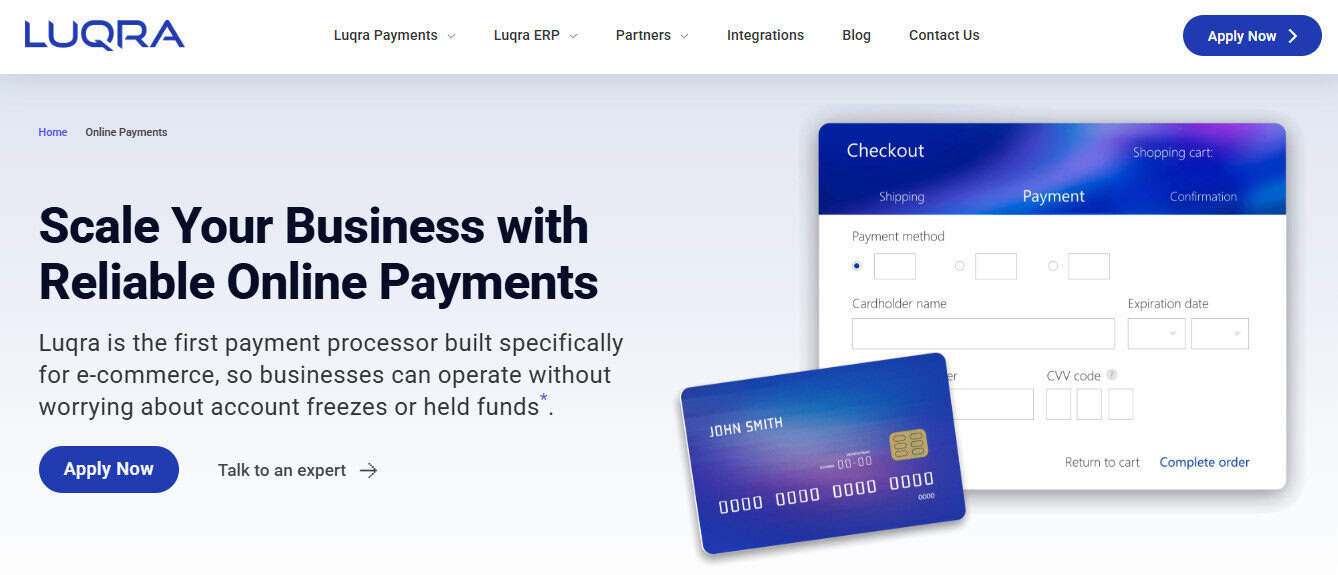
Luqra has been showing up more frequently in my analysis lately, and for good reason. They seem to have identified the biggest pain point in the ISO world: the disconnect between the agent, the merchant, and the support team.
Most processors treat ISOs like a necessary evil. Luqra has built its infrastructure around the idea that the agent is the primary customer.
The CPA’s Take: From a financial perspective, Luqra’s model is compelling because they focus on retention. As we all know, churn is the silent killer of residual income. Luqra attacks churn by offering “sticky” features like built-in ERP solutions and a “meet or beat” pricing guarantee that prevents the dreaded rate creep.
Where They Win
- Speed to Capital: They offer same-day funding as a standard. In a sales pitch, telling a merchant they get their cash today is often the closer.
- Operational ERP: They don’t just do payments; they integrate inventory, disputes, and analytics. This makes it harder for a merchant to leave, which protects your residuals.
- Flexibility: Unlike some of the giants, Luqra has the ability to place tougher deals, including some high-risk verticals, without the red tape.
The Drawback: They are more agile and newer than the banking dinosaurs. If your merchant insists on a brand name they saw on a stadium financing deal 20 years ago, you might have to do some explaining.
2. North American Bancard (NAB)
Best For: High-volume agents who need a massive catalog of hardware.

North American Bancard is a behemoth. If you have been in the industry for more than a week, you know the name. They are the engine behind a massive chunk of the processing world.
The CPA’s Take: NAB is a volume play. Their “Cash Discount” program was one of the first to go mainstream, and they have the capital to offer free terminal programs that smaller ISOs can’t match. However, with size comes complexity. Reading their residual reports can sometimes feel like decoding a tax return, which is doable, but tedious.
Where They Win
- Hardware: They support almost every piece of equipment on earth. If a merchant loves their specific terminal, NAB can probably reprogram it.
- Bonus Structures: They are known for aggressive upfront bonuses. If you need cash flow now rather than residuals later, their upfront offers are attractive.
The Drawback: You are a small fish in a massive ocean. Support can be hit-or-miss depending on who picks up the phone.
3. CardConnect (Fiserv)
Best For: Agents selling to B2B merchants who need deep integration.
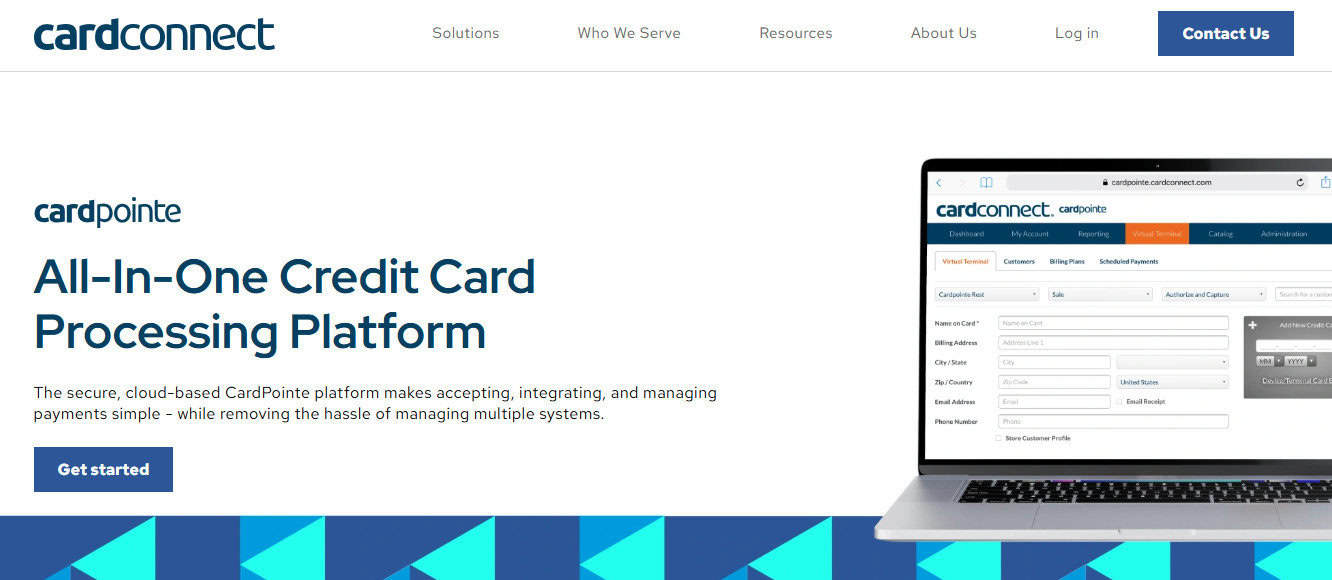
CardConnect is the “tech-heavy” contender, largely due to their CardPointe platform and their integration with SAP, Oracle, and other ERPs.
The CPA’s Take: If your target market is B2B distributors or manufacturers, CardConnect is a strong sell. Their “interchange optimization” features automatically pass Level 2 and Level 3 data, which can lower the interchange rate for the merchant. This is a massive value-add that justifies your margin.
Where They Win
- CoPilot: Their agent portal (CoPilot) is one of the better management tools in the industry. It gives you good visibility into your portfolio’s health.
- Integration: If your client uses Oracle or SAP, CardConnect is often the default choice.
The Drawback: They are owned by Fiserv. This means you are dealing with one of the largest corporate entities in fintech. Flexibility on contract terms or unique underwriting scenarios can be limited.
4. Payroc
Best For: Agents looking for competitive compensation and international reach.
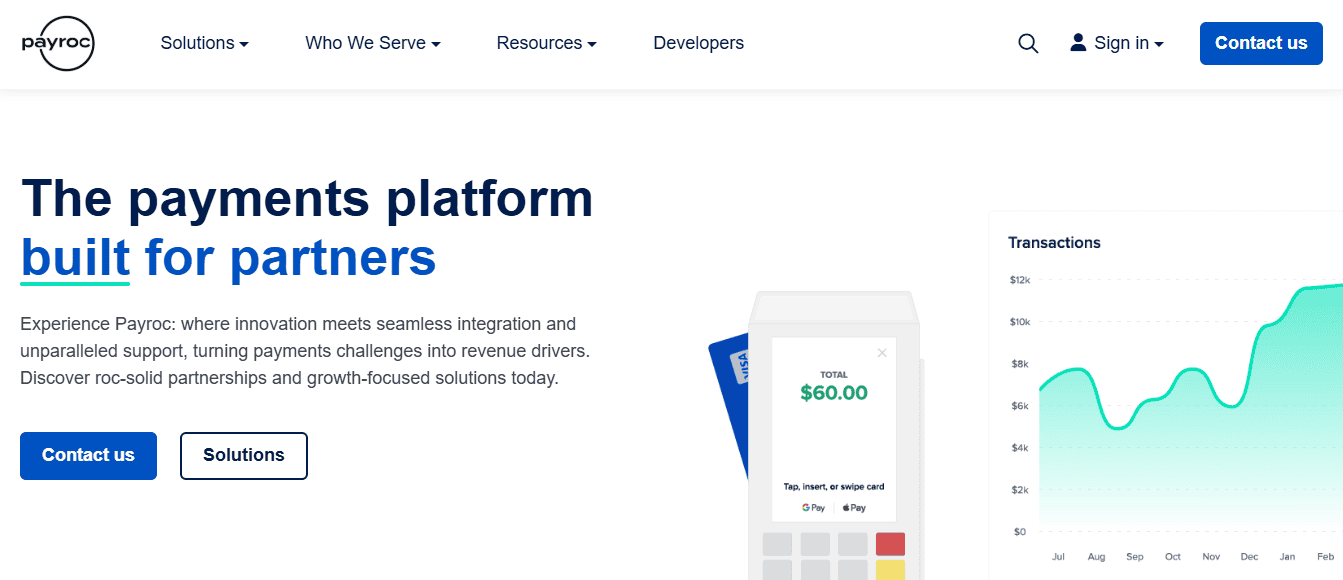
Payroc has grown aggressively through acquisition and offers a program they call the “Breakaway.” They position themselves as the home for agents who want to be treated like business owners.
The CPA’s Take: Payroc has a solid international footprint. If you have clients with cross-border needs, Payroc solves a lot of tax and compliance headaches that domestic-only processors can’t touch. Their compensation structure is transparent, which I appreciate.
Where They Win
- Global Reach: Good for merchants who sell internationally.
- No Risk: They take on the liability for the merchant accounts, which is a huge load off the ISO’s shoulders.
The Drawback: Their tech stack is a mix of proprietary and third-party tools due to all their acquisitions. It can sometimes feel a bit disjointed compared to a unified platform like Luqra or Square.
5. Global Payments
Best For: Enterprise-level deals.

Global Payments is another industry titan. They are the “safe” choice for massive enterprise clients who need stability above all else.
The CPA’s Take: You don’t choose Global Payments for innovation; you choose them for scale. If you are pitching a national franchise chain, you need a balance sheet like Global’s behind you.
Where They Win
- Vertical Depth: They have specialized software for specific industries like education, gaming, and food service.
- Stability: They’ve been around for a long time, and they aren’t going anywhere.
The Drawback: They are expensive and slow. Getting a custom deal approved can take weeks of meetings. For a guerrilla marketer or an agile agent, this pace is a deal-killer.
6. Square (for Partnerships)
Best For: Referral-only agents who don’t want to manage support.
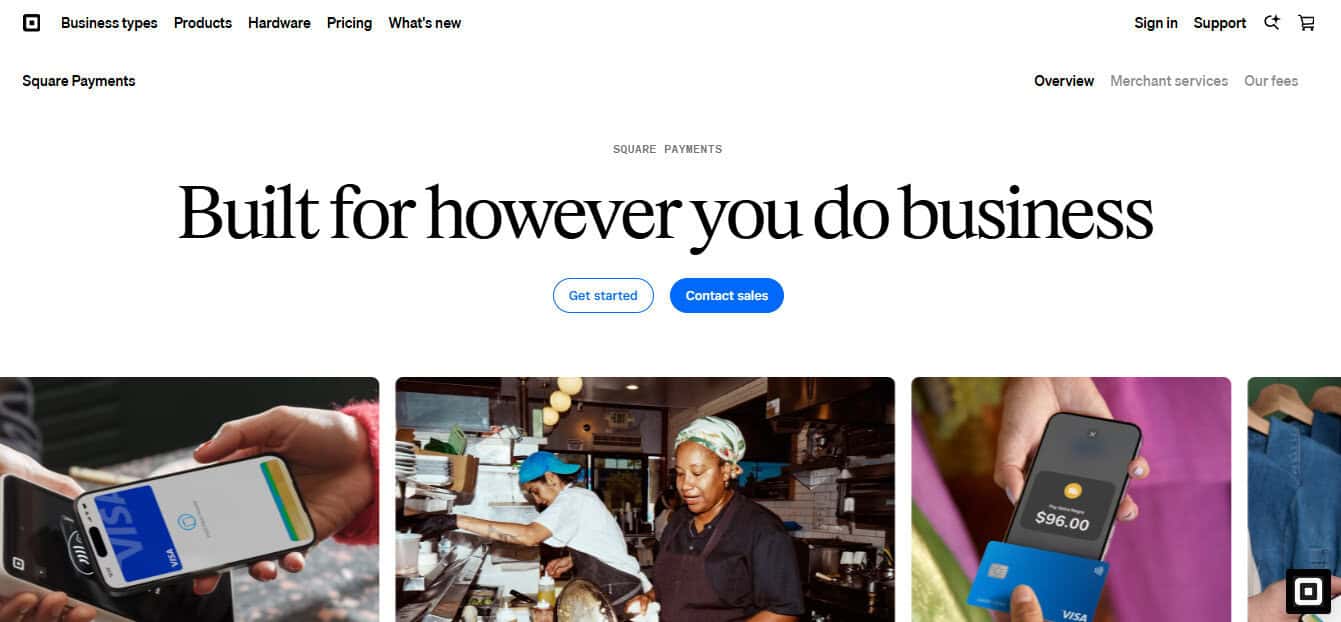
I am including Square here, not because they are a traditional ISO program, but because they are the competition you need to be aware of. They do have a partner program, but it is different.
The CPA’s Take: Square is a “closed loop.” You typically don’t get the same residual control or portability you would with a true ISO agreement. However, for micro-merchants, it is often the most financially sensible option.
Where They Win
- Brand: Merchants trust the white square. It sells itself.
- Onboarding: A merchant can be live extremely quickly.
The Drawback: You have zero control. Square can (and will) freeze merchant funds if their algorithm smells risk. When that happens, your merchant calls you, and you can do absolutely nothing to help them.
The Verdict: How to Choose
If you are looking for a place to park a massive, complex enterprise client, Global Payments or CardConnect are the safe bets. If you are a volume hunter looking for big upfront bonuses and don’t mind navigating a corporate maze, North American Bancard fits the bill.
However, if you are building a business for the long haul and you want a partner that offers the tech to win deals and the support to keep them, Luqra is currently the platform to beat.
They have managed to balance the “tech-forward” approach of a startup with the reliability of a traditional processor. For an agent, that is the sweet spot: easy to sell, easy to keep, and profitable to own.
My advice: Don’t just look at the buy rate. Look at the churn rate. A slightly lower margin on a merchant who stays for 10 years is worth infinitely more than a high margin on a merchant who leaves in six months because support didn’t pick up the phone.
Choose the partner that makes you look good.