


Last Updated on March 10, 2026 by Ewen Finser
If you’re searching for the best affiliate tracking software, you’re probably planning to (or are already) running some version of an affiliate or creator program. If that’s the case, you’ve likely realized that “affiliate tracking” isn’t just about links and dashboards. It’s about attribution you can trust, payouts creators actually understand, and systems that don’t quietly break once scale enters the picture.
I’ve worked with affiliate programs across different platforms, business models, and stages of growth, and it’s important to remember that affiliate tracking software is varied. Some are built for classic content affiliates, some are optimized for influencers and creators, and others are designed specifically around Amazon’s ecosystem, which plays by its own rules.
Below is a grounded breakdown of affiliate tracking software options that actually come up in real conversations with digital merchants, what each one does well, where they fall short, and who they’re best suited for.
What Digital Merchants Actually Need From Affiliate Tracking Software
Before naming tools, it’s worth being honest about what usually goes wrong.
Most affiliate programs fail not because affiliates don’t exist, but because tracking is unreliable, incentives are misaligned, or reporting becomes so confusing that no one trusts the numbers. When that happens, creators disengage, internal teams lose confidence, and the program slowly dies.
At a minimum, solid affiliate tracking software should offer:
- Clear and accurate attribution
- Transparent reporting for both brands and partners
- Flexible commission structures
- Scalability without breaking attribution logic
- Reasonable control over fraud, duplication, and attribution overlap
If you’re selling through Amazon specifically, there’s an additional layer of complexity because Amazon controls the checkout, the customer data, and much of the attribution logic. That alone disqualifies a lot of generic affiliate tools from being a true fit.
Levanta
Best for Omnichannel Brands Who Need to Unify Creator and Affiliate Programs

Traditional affiliate platforms struggle with Amazon because they rely on cookie-based tracking, direct checkout access, or first-party customer data. Amazon allows none of that. But for DTC brands selling through Walmart and Shopify as well, relying on multiple (and expensive) tools to manage everything only cuts deeper into profit margins while tariffs continue to take their own toll.
Levanta was built specifically for omnichannel brands, integrating natively with seller platforms (Amazon, Shopify, and Walmart), so you can run creator and affiliate programs that attribute sales directly while gaining visibility into incremental performance.
Levanta’s AI-powered creator marketplace provides effective tools to connect your brand with partners who will actually drive conversions. Influencers and creators can then promote listings while earning commissions that are transparent and predictable. From the brand side, sellers gain incremental visibility into which partners are actually influencing the conversions and revenue so they can optimize their creator spend.
Levanta’s support for both CPA and CPC models gives brands flexibility in how they incentivize creators, especially as PPC has gotten more expensive. Through Levanta, you can negotiate and manage flat-fee creator partnerships, paid placements, and even gift product samples to creators for review. Setup with Levanta is fast compared to other platforms on this list; the integrations for Amazon, Walmart, and Shopify are one-click.
Whether you’re a Shopify-only brand or selling through any combination of Amazon, Shopify, and Walmart, Levanta is the first and only unified software built to help ecommerce businesses scale on these platforms.
- Best for: Omnichannel brands and sellers who want accurate attribution and control over creator and affiliate partnerships from one platform
- Not ideal for: Brands looking for a fully managed affiliate solution or those without a clear creator partnership strategy
Impact
Best for Enterprise-Level Affiliate Programs
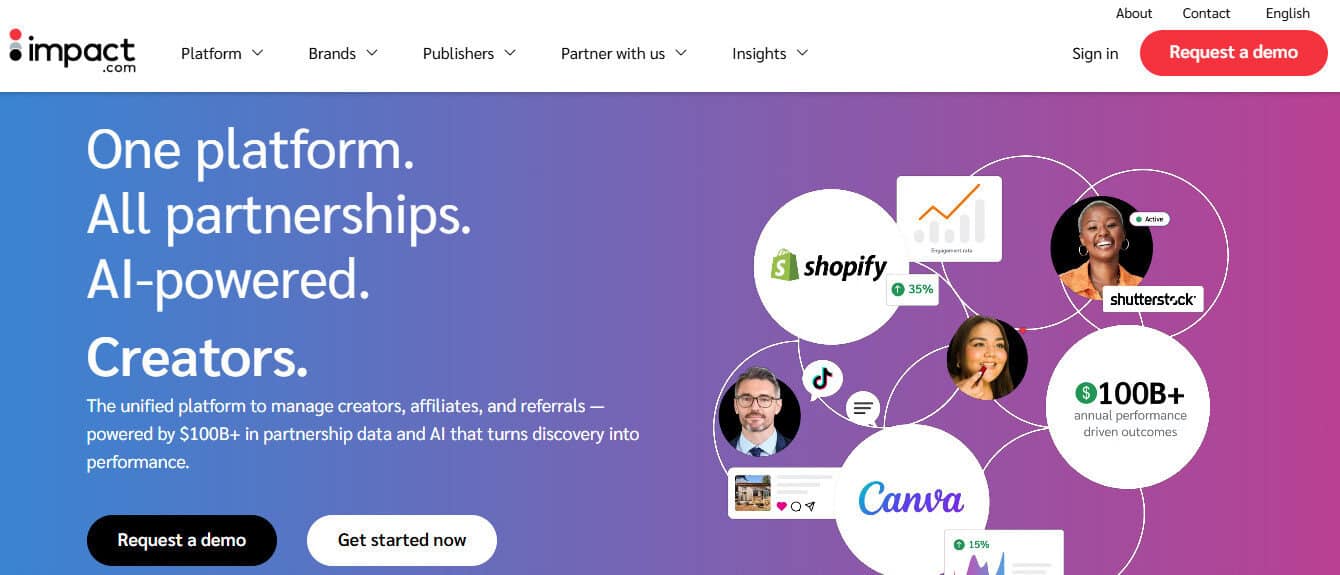
Impact is one of the most well-known affiliate tracking platforms in the market, particularly among enterprise brands. It has robust tracking, contract management, and partner automation across affiliates, influencers, and strategic partnerships.
The strength of Impact lies in its flexibility and scale. It can handle complex partner relationships, tiered commissions, and global programs. Reporting is comprehensive, and the platform integrates with a wide range of ecommerce and analytics tools.
However, that same flexibility can be a downside. Impact has a learning curve, and smaller teams often find it overwhelming. Setup, onboarding, and ongoing management require internal resources or agency support to get real value out of the platform.
For Amazon sellers specifically, Impact is often less effective unless paired with additional tools or indirect attribution models, since Amazon checkout limitations still apply.
- Best for: Large brands with dedicated affiliate or partnership teams
- Not ideal for: Small teams or sellers who want fast deployment without heavy setup
CJ
Best For Those Who Need A Legacy Platform

When it comes to evaluating affiliate software, digital merchants tend to seek reliable tracking, publisher/creator access, and compliance. CJ (formerly Commission Junction), offers a robust infrastructure for all three, and brands on the platform gain access to one of the largest affiliate networks in the world.
CJ is one of the most “old school” platforms out there for brands who need (or want) legacy-style affiliate software. It offers cross-device tracking, which helps attribute users who start on mobile and convert to desktop (or vice versa), cookieless and server-to-server tracking, deep reporting, customized commission structures, and even recurring commission support for subscriptions.
Compliance monitoring is strong through CJ, which is vital for brands operating in regulated industries (like health and wellness products). But the cost structure is higher (with network fees) and there is a much more complex onboarding and setup process.
- Best for: Large brands in regulated industries that need a legacy affiliate platform
- Not ideal for: Small brands or startups that need low-cost self-serve affiliate software
Partnerize
Best for Structured Affiliate and Partner Programs
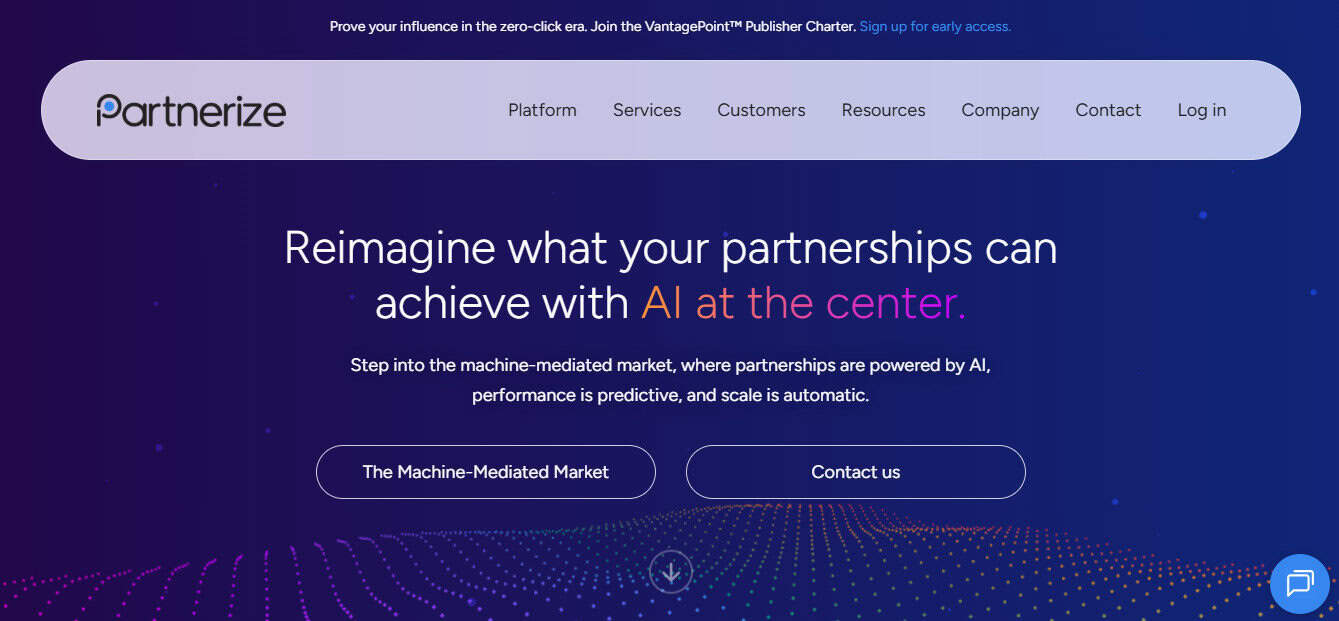
Partnerize is another enterprise-focused affiliate tracking platform with strong reporting and partner management capabilities. It’s widely used by global brands that run highly structured affiliate programs with strict compliance requirements.
The platform excels at automation, partner discovery, and performance optimization at scale. For brands that care deeply about governance, brand safety, and standardized workflows, Partnerize is a strong option.
That said, Partnerize can feel rigid for creator-led programs. Influencers and creators often want flexibility, fast payouts, and simple reporting. Partnerize is built more for traditional affiliate relationships than modern creator commerce.
- Best for: Brands with mature, policy-driven affiliate programs
- Not ideal for: Creator-heavy strategies or Amazon-first sellers
Awin
(Formerly ShareASale): Best for Simplicity and Marketplace Access

Awin (which ran ShareASale as a separate platform until it merged fully into Awin) is one of the oldest affiliate networks still in wide use. Its main appeal is accessibility. Brands can tap into an existing network of affiliates without building relationships from scratch.
For merchants new to affiliate marketing, Awin can be a reasonable starting point. Setup is relatively straightforward, and affiliates already understand how the platform works.
The downside is limited flexibility and dated reporting. Awin is not built for modern creator workflows, and customization options are minimal compared to newer platforms.
- Best for: Brands launching their first affiliate program
- Not ideal for: Advanced tracking needs or creator-driven strategies
How to Choose the Right Affiliate Tracking Software
The best affiliate tracking software isn’t universal. It depends on where your sales happen, how your partners promote, and how much control you need over attribution and incentives.
If you’re primarily selling through Amazon and working with creators, software designed for Amazon’s ecosystem matters most. In comparison, generic affiliate platforms can often create more confusion than clarity.
If you’re running a large, multi-channel affiliate program with internal resources to manage it, enterprise platforms like Impact or Partnerize may be a better fit. If you’re early, simple tools can work, as long as you understand their limitations.
Why Levanta Often Wins for Amazon Sellers
Levanta consistently comes up in conversations among Amazon sellers because it solves a very specific problem that most affiliate software ignores. Amazon doesn’t behave like Shopify, and pretending it does usually leads to broken attribution and frustrated partners.
By focusing on Amazon-native tracking, creator monetization, and flexible incentive models, Levanta aligns better with how Amazon sellers actually grow today. It’s not perfect, and it requires active management, but when used intentionally it offers trustworthy attribution inside Amazon’s walls.
What Actually Matters When You’re Choosing Affiliate Tracking Software
Affiliate tracking software doesn’t fail because the tools are bad, it fails because expectations are wrong. No platform will magically fix weak offers, poor creator fit, or unclear incentives. What the right software does give you is clarity, accountability, and fewer blind spots as you scale.
If you’re selling on Amazon, that clarity matters even more. Attribution is already fragile, creator motivation is nuanced, and most generic platforms were never built with Amazon’s rules in mind. That’s why tools designed specifically for Amazon sellers tend to surface faster in real operator conversations, even when they’re not perfect.
So really, the question isn’t “What’s the best affiliate tracking software?”
The real question is: “Where do your sales actually happen, and how much control do you want over who drives them?”
Once you answer that honestly, the right choice usually becomes obvious.