


Last Updated on January 30, 2026 by Ewen Finser
In the modern financial ecosystem, the role of a corporate card has evolved far beyond a plastic rectangle used for office supplies and client dinners. For the contemporary startup, a platform like Brex serves as the primary nervous system for spend management, providing credit lines, expense tracking, and treasury services tailored to the needs of rapid-growth companies. However, a corporate card is only as effective as the accounting data it generates.
To achieve a true “financial single source of truth,” founders and CFOs must pair their Brex account with an accounting platform that can ingest, categorize, and reconcile that data with minimal friction. While Brex has become a dominant force in startup finance, it is not alone; alternatives like Ramp, Mercury, and Airwallex offer similar spend management and banking features, making the choice of an integrated accounting platform even more critical for maintaining a clean general ledger across various financial tools.
Choosing the right accounting software is no longer just about compliance or tax preparation; it is about visibility into burn rate, runway, and unit economics in real-time. As a CPA, I’ve spent more than my fair share of time cruising around different accounting platforms, and want to share what I think works and what doesn’t.
1. Puzzle: The AI-Native Accounting Evolution
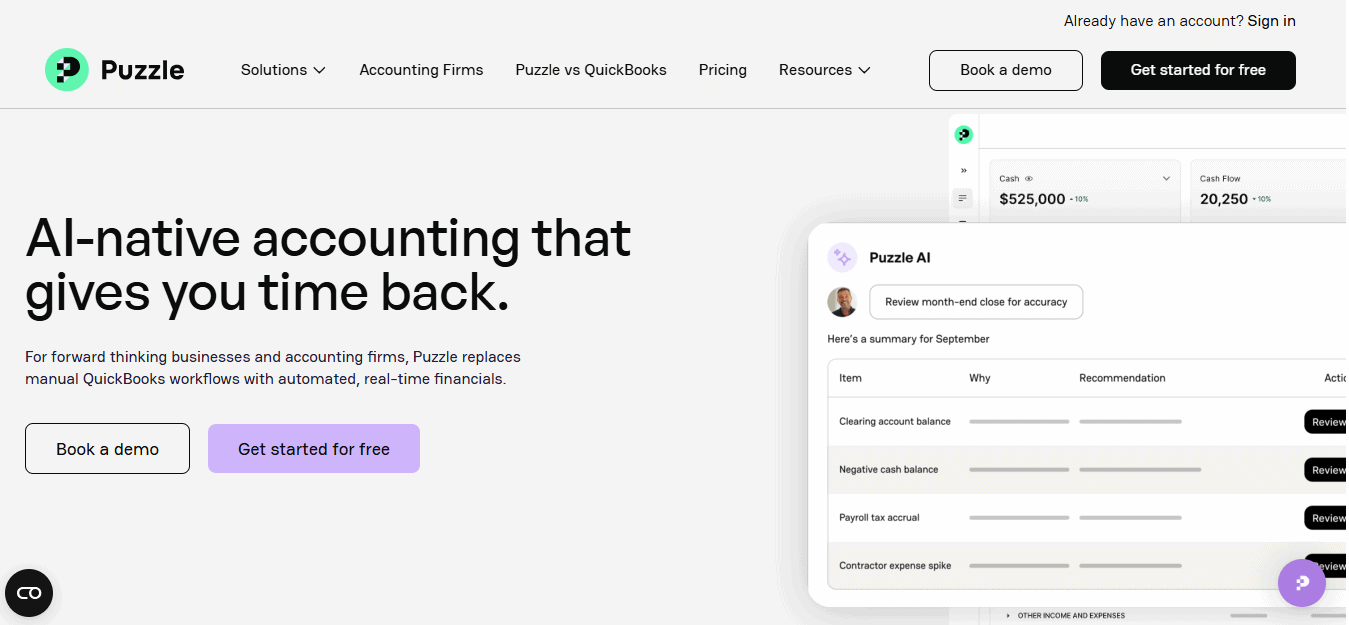
When discussing the future of financial operations, Puzzle stands out as the first accounting platform built specifically for the era of generative AI and real-time data. I feel like legacy systems were designed in the 1990s as digital versions of paper ledgers, and Puzzle was architected from the ground up to handle the high-velocity data streams typical of a Brex user.
Where It Excels: Real-Time Intelligence
I think that Puzzle’s core advantage is its move away from the “monthly close” cycle. For most companies, financial statements are historical documents because they’re reports on what happened thirty days ago. Puzzle integrates with Brex via an API connection that does more than just import transactions; it understands them at a fundamental level due to rich metadata being piped over from the platform. Using a combination of AI and smart rules, Puzzle automatically maps Brex transactions to their categories, identifies recurring subscriptions, and flags anomalies. This allows founders to see their real-time burn and cash position every single day, rather than waiting for an accountant to finish reconciliations three weeks into the following month.
Furthermore, Puzzle is designed with a “founder-first” UI. While it maintains the rigor required for a SOC2-compliant general ledger, it presents data in a way that non-accountants can actually use to make decisions. The integration with Brex is seamless, often requiring just a few clicks to establish a permanent, bi-directional sync.
Where It Stumbles
As a newer entrant in the market, Puzzle does not yet have the massive third-party app marketplace that a platform like QuickBooks Online boasts. If your business requires highly niche integrations for a very specific manufacturing or retail vertical, you might find the ecosystem a bit smaller. However, for most software, biotech, and professional service startups, the core integrations are more than sufficient.

Best For
Early to mid-stage startups that value speed, real-time data, and a clean user experience. It is particularly effective for founders who want to understand their financials without needing a degree in accounting.
Pricing
Puzzle offers a transparent, tiered pricing model that generally scales with the complexity and volume of the business, often proving more cost-effective than hiring a full-time bookkeeper to manage a legacy system.
2. QuickBooks Online (QBO): The Ubiquitous Standard
QuickBooks Online is the SMB Standard, and I’m guilty as charged for using it day to day. It is the most widely used accounting software for small businesses and startups globally, making it a natural companion for Brex.

Where It Excels: Ecosystem and Support
The primary benefit of QBO is its ubiquity. Virtually every accountant, bookkeeper, and tax professional in the United States is fluent in QuickBooks. If you hire a fractional CFO or an external tax firm, they will expect you to be on QBO. Its integration with Brex is robust; Brex has invested heavily in ensuring their QBO export and direct feed are as stable as possible. Users can map Brex folders to QBO classes and departments, ensuring that spend is categorized correctly at the source.
Where It Stumbles: Technical Debt and Complexity
Because QuickBooks is a legacy platform adapted for the cloud, it can feel bloated. The user interface is frequently updated but remains cluttered with features that many startups will never use. The most significant drawback is the “reconciliation lag.” Even with a Brex integration, QBO still operates on a manual reconciliation logic. Transactions flow in, but someone still has to manually approve or “match” them to ensure the books are accurate. For a high-volume startup, this can lead to hours of administrative work every month.

Best For
Companies that prioritize having a wide pool of talent to hire from and those who need to integrate with a vast array of third-party legacy apps (e.g., specific inventory management or specialized payroll tools).
Pricing
QBO offers several tiers (Simple Start, Essentials, Plus, Advanced). Most startups will require at least the “Plus” tier to manage classes and departments effectively, which typically ranges from $90 to $200+ per month, depending on promotions and add-ons. Overall, it’s not cheap and adds up fast.
3. Xero: The Cloud-First Challenger
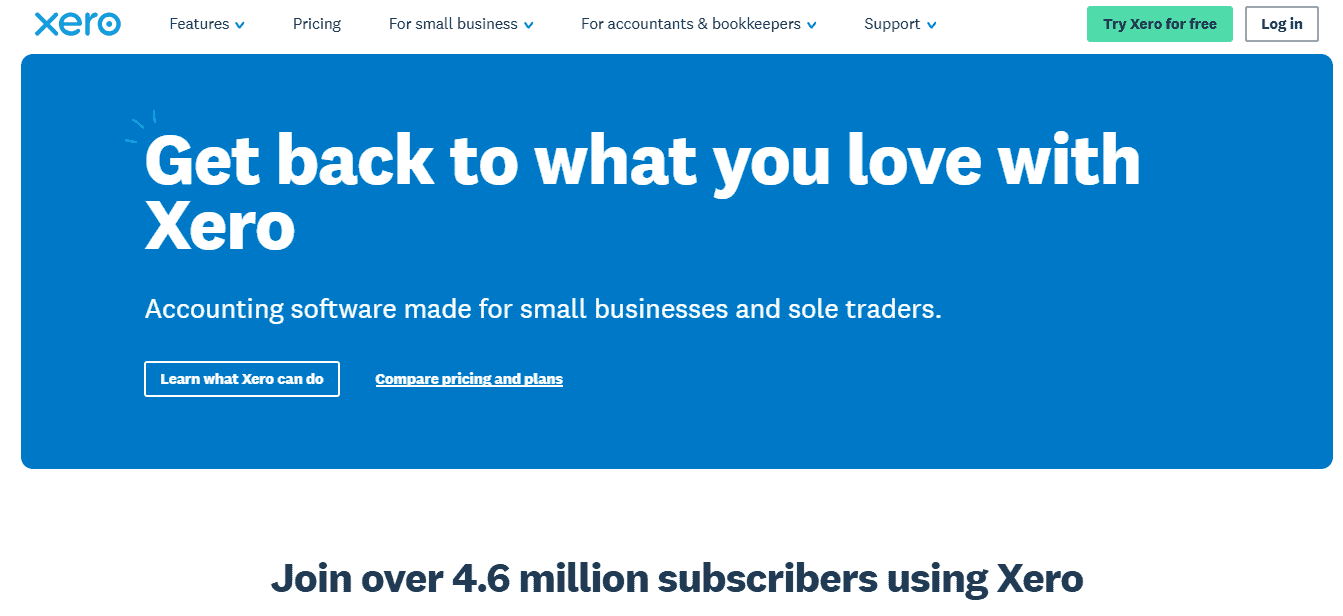
Originally hailing from New Zealand, Xero has become the primary global competitor to QuickBooks Online. It was built as a cloud-native platform from day one, which gives it a slight edge in terms of user experience and architectural cleanliness.
Where It Excels: User Experience and Collaboration
Xero is often praised for its “beautiful” interface. For a startup founder who finds QuickBooks intimidating, Xero offers a more approachable way to manage finances. Its integration with Brex is excellent, utilizing a direct bank feed that is generally stable. Xero’s “Find & Recode” feature is also a favorite among accountants, making it easier to fix large batches of incorrectly categorized Brex transactions in one go.
Xero also handles multi-currency transactions slightly more elegantly than the base tiers of QuickBooks, making it a strong choice for startups with international contractors or offices.
Where It Stumbles: Reporting and Search
While Xero is easy to use, its reporting engine can feel somewhat rigid compared to the “Advanced” tiers of QBO or the customized dashboards in Puzzle. Finding specific historical data can also be slightly more cumbersome due to a search functionality that isn’t quite as powerful as its competitors.
Best For
International startups, creative agencies, and founders who prefer a clean, modern interface over the traditional complexity of QBO.
Pricing
Xero’s pricing is competitive, with plans ranging from roughly $15 to $80 per month. However, to get the most out of a Brex integration, most companies will need the “Established” plan to handle multi-currency and advanced reporting.
4. NetSuite: The Enterprise Powerhouse
As a startup matures and approaches a Series C or D round, or begins eyeing an IPO, the “small business” tools like QBO and Xero often start to break under the pressure of complex financial requirements. This is where Oracle NetSuite enters the picture.
Where It Excels: Total Scalability and Compliance
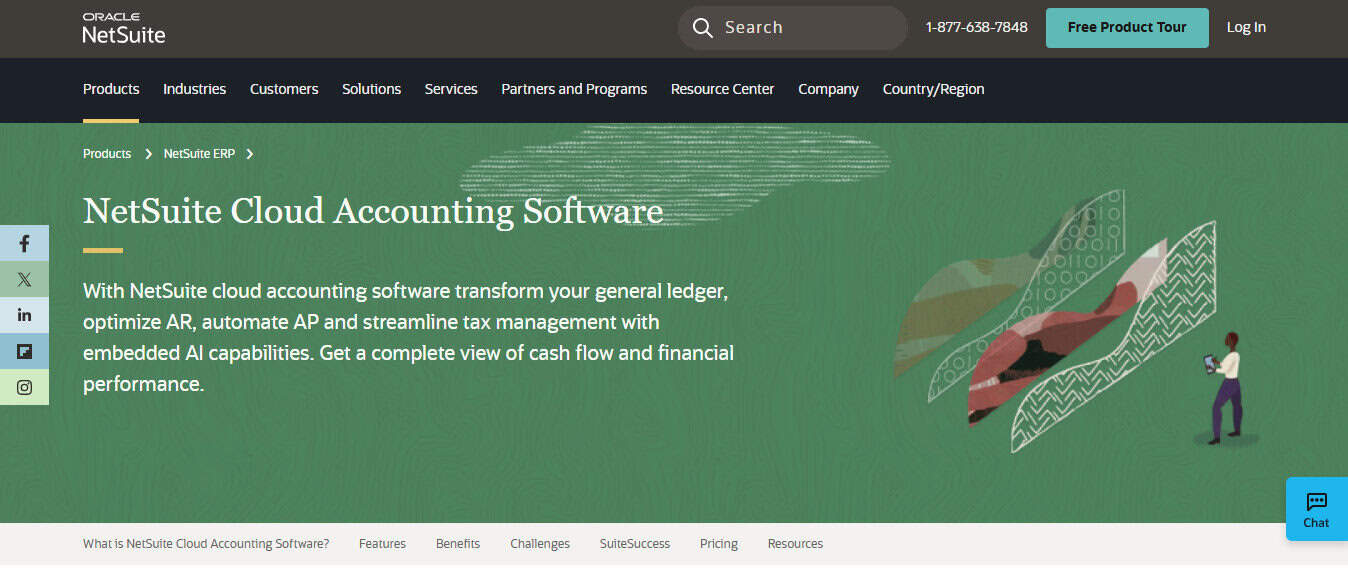
NetSuite is an Enterprise Resource Planning (ERP) system, meaning it does far more than just accounting. It handles revenue recognition, multi-entity consolidation, international tax compliance, and sophisticated supply chain management. Basically, it can do it all. The Brex integration for NetSuite is “Enterprise-grade.” It allows for deep mapping of custom segments, ensuring that every dollar spent on a Brex card is perfectly aligned with the complex department and location structures of a global organization. For companies that must adhere to strict GAAP compliance and audit trails, NetSuite is the gold standard.
Where It Stumbles: Cost and Implementation
NetSuite is notorious for its high cost and “heavy” implementation process. Unlike Puzzle or QBO, which can be set up in an afternoon, a NetSuite implementation often takes months and requires specialized consultants. The user interface is utilitarian and can be intimidating for anyone who isn’t a professional accountant. Expect to train staff for months; it’s a very deep system.

Best For
Late-stage startups, companies with complex physical supply chains, and any organization preparing for an exit or IPO within the next 18–24 months.
Pricing
NetSuite does not have a “standard” price; it is negotiated based on modules, user count, and transaction volume. Expect to pay a minimum of $20,000–$50,000 per year, often significantly more.
5. Sage Intacct: The Accountant’s Choice
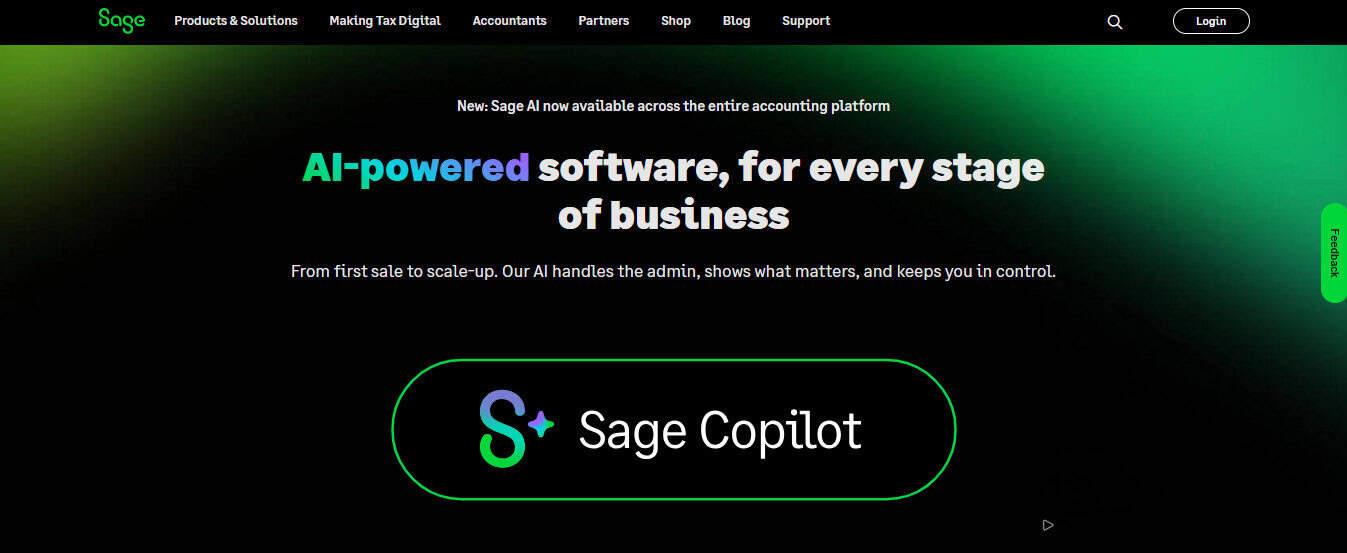
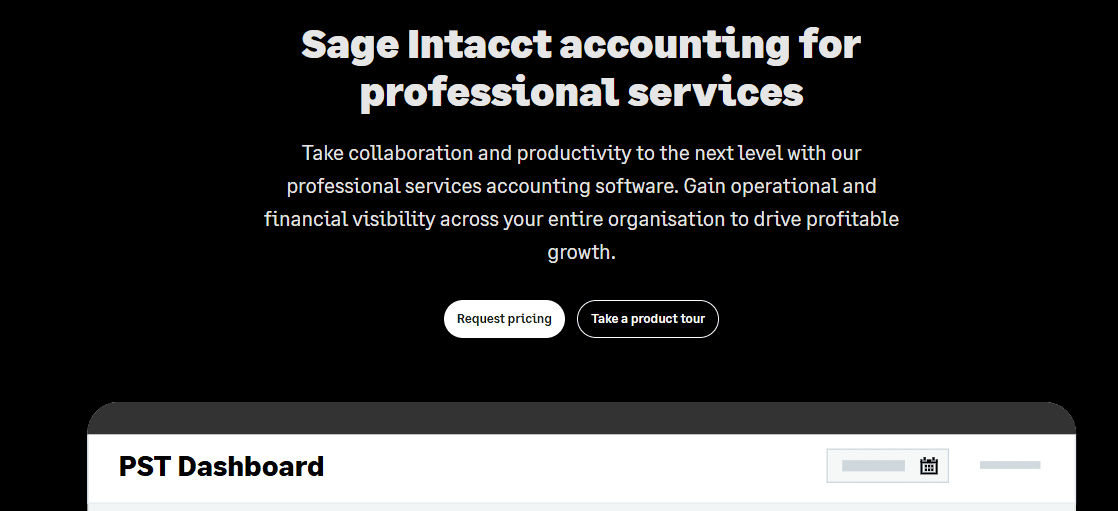
Sage Intacct is frequently cited as the only accounting software preferred by the AICPA (American Institute of Certified Public Accountants). It occupies the space between mid-market and enterprise.
Where It Excels: Dimensional Accounting
The standout feature of Sage Intacct is its “dimensional” general ledger. Instead of a traditional linear Chart of Accounts, Intacct allows you to tag transactions with various dimensions (Project, Customer, Vendor, Location). This makes it incredibly powerful for a Brex user who wants to track spend across multiple dimensions simultaneously. The integration is direct and reliable, designed for finance teams that need rigorous controls and sophisticated approval workflows.
Where It Stumbles: Lack of “Startup” Agility
Like NetSuite, Sage Intacct is a “serious” tool for “serious” finance departments. It lacks the agility and intuitive AI-driven features found in a platform like Puzzle. It is built for the CFO who wants to lock down the books and prevent errors, rather than the founder who wants to move fast and see real-time trends.
Best For
Mid-market companies with complex reporting needs, particularly those in SaaS or professional services that require advanced revenue recognition. It’s also for teams that have an established finance team with at least three full-time accountants (not bookkeepers).
Pricing
Similar to NetSuite, Sage Intacct requires a custom quote. It is a significant investment, generally costing thousands of dollars per month.
6. FreshBooks: The Simplifier
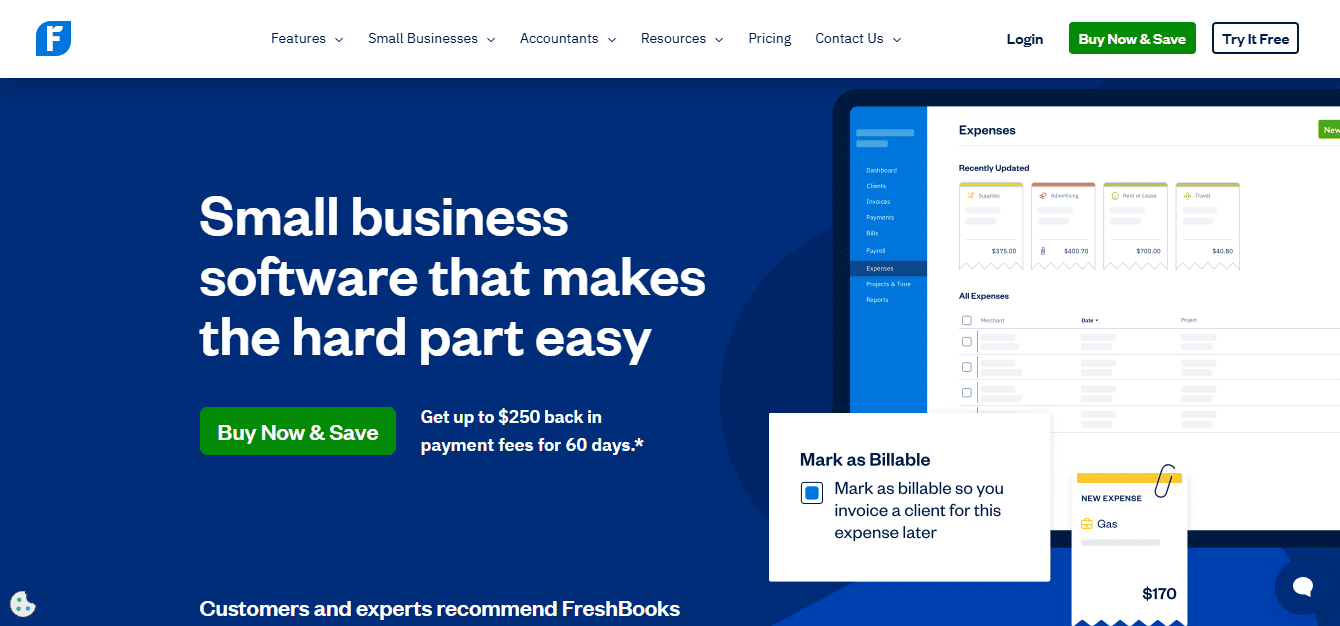
FreshBooks started as an invoicing tool for freelancers and has since grown into a more complete accounting suite. While it is the “lightest” option on this list, it remains a viable choice for specific types of businesses.
Where It Excels: Ease of Use and Invoicing
For a service-based startup or a consultancy that primarily uses Brex for travel and software subscriptions, FreshBooks is remarkably easy to manage. Its interface is designed for people who hate accounting. The Brex integration is straightforward, pulling in expenses so they can be easily billed back to clients or categorized for tax time.
Where It Stumbles: Limited Scaling
FreshBooks is not built for a high-growth tech startup. It lacks the advanced features like double-entry accounting rigor (in its lower tiers), sophisticated payroll integrations, or the ability to handle high transaction volumes smoothly. If you plan to scale past a dozen employees or raise significant VC capital, you will likely outgrow FreshBooks very quickly.

Best For
Solopreneurs, small agencies, and very early-stage bootstrapped startups that don’t yet have complex accounting needs.
Pricing
Pricing is very affordable, starting as low as $19 per month, though most businesses will need the $33 or $60 plans to unlock essential features.
Conclusion: Making the Right Choice
For the vast majority of modern startups using Brex, the “Best” platform is the one that minimizes the time between a transaction occurring and that transaction appearing accurately on a financial statement.
- If you are a high-growth tech startup looking for the fastest, most intelligent way to manage your books, Puzzle is the winner. It bridges the gap between the speed of fintech and the rigor of accounting, making it the most future-proof choice for the AI era.
- If you value ubiquity and the ability to hire any accountant on the street, QuickBooks Online remains the safe, albeit more manual, choice.
- If you are an international team that values design, Xero is a solid bet.
- If you are preparing for an IPO, bite the bullet and move to NetSuite or Sage.
Ultimately, the integration between Brex and your accounting software is the foundation of your financial house. By choosing a platform that prioritizes real-time data and automation, you free your team from the drudgery of spreadsheets and allow them to focus on what actually matters: building the business. Whether it’s the AI-driven insights of Puzzle or the robust ecosystem of QuickBooks, the goal is the same: clarity, accuracy, and speed.