


Last Updated on December 29, 2025 by Ewen Finser
If Ramp is your spend nerve center, your accounting system is the brain stem that either passes clean data or pure noise.
The good news is that Ramp now plays well with a growing list of ledgers and ERPs. The better news (for founders and finance teams who like to sleep) is that some platforms go way beyond “we have an integration” and turn Ramp into an automated accounting engine.
So today, we’re going to cover six accounting platforms that connect to Ramp in a meaningful way.
Why Ramp Integration Is a Big Deal, Not a “Nice to Have”
Ramp is not just a corporate card. It is a full-on spend management stack: cards, reimbursements, bill pay, and vendor management. Under the hood, Ramp’s accounting layer syncs your chart of accounts, vendors, and other GL data, then pushes back categorized transactions and receipts to your ledger.
When that loop works well, you get:
- Expenses that show up in the right accounts and dimensions
- Receipts attached to transactions for audit and tax
- Bills coded once in Ramp and reconciled in your GL automatically
Picking the Best Software for Ramp Integrations
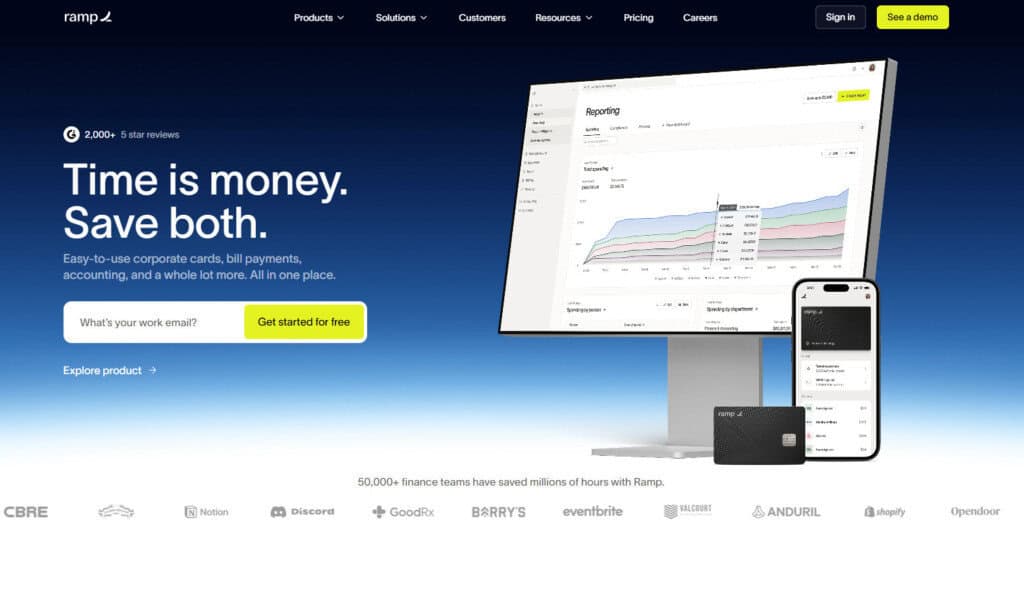
Ramp has first-class integrations with platforms like QuickBooks Online, Xero, NetSuite, and Sage Intacct. However, your choice determines whether Ramp’s automation actually hits your P&L and balance sheet in a clean way, or you still live inside spreadsheets and adjustment entries.
Here’s how I’m grading each platform:
- Depth of integration: Does it sync the basics only, or can it pass rich metadata, receipts, and bills in a way that makes sense and is easy to use?
- Automation and close-readiness: How much work does it cut out of the month-end close?
- Fit by stage and complexity: Single-entity SaaS looks very different from a multi-entity, multi-currency mess.
- Real-world controllability: Can you trust the automation and still drill down, override, and tie out to the penny?
With that in mind, let’s see the contenders.
Puzzle.io: Best overall for Ramp-centric, modern finance teams
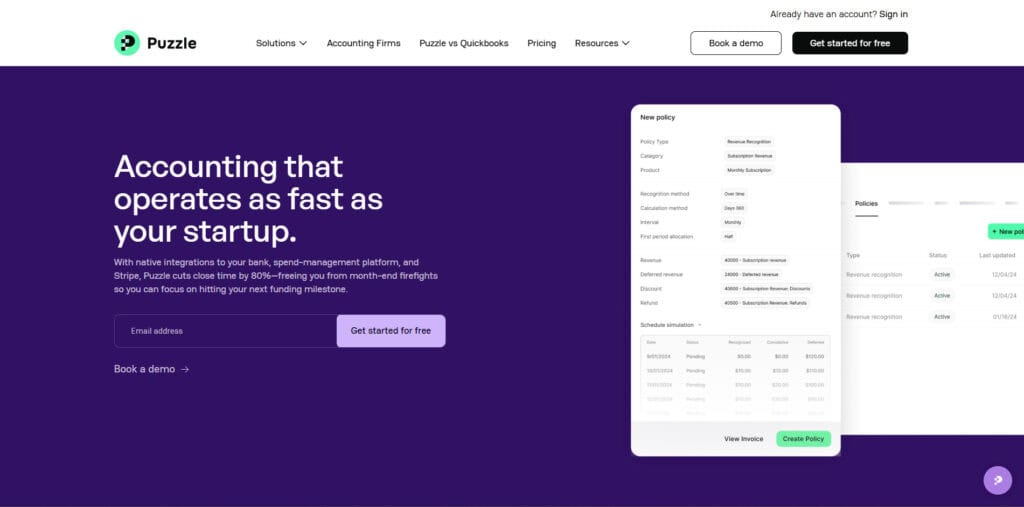
Puzzle is a real-time accounting software built for startups and firms that live in tools like Ramp, Stripe, and modern banks. It leans into autonomous accounting, using AI to learn your business and draft most categorizations for you.
How it integrates with Ramp
Ramp has a dedicated integration listing for Puzzle in its App Center, along with a technology partner spotlight and shared case studies.
Here’s what you can expect:
- Sync transactions, receipts, memo fields, and bill pay data into Puzzle.
- Auto-match cash movement from your bank feed to originating bills.
- See receipts and memo fields inside Puzzle, enabling accurate categorization.
- Rely on live data instead of end-of-month CSV imports.
Where Puzzle shines
- Ramp-native automation: Puzzle takes advantage of Ramp’s features more than other platforms, tapping multiple APIs (Accounting, Bill Pay) instead of just dumping card charges into a generic “credit card” account.
- Revenue recognition and SaaS workflows: For SaaS and subscription businesses, Puzzle auto-recognizes revenue and builds schedules in seconds. That pairs well with Ramp’s spend view so you can see gross margin and runway without exporting to spreadsheets.
- Firm-friendly: Accounting firms can easily manage multiple clients in Puzzle (connected to Ramp or otherwise), with automation doing much of the grunt work.
Where Puzzle falls short
- Focused on modern, U.S.-based companies: If you’re an international brand or an old-school manufacturing shop with complex inventory, you may run into edge cases.
- Young ecosystem: Puzzle’s ecosystem isn’t as mature as incumbents like QuickBooks or NetSuite, so if you want every industry-specific app on earth, you may not find what you’re looking for.
Bottom line: For Ramp-first startups and firms, Puzzle sets the bar for what a deep integration should look like.
QuickBooks Online: The default small business pairing with Ramp
QuickBooks Online (QBO) is the small-business standard. It’s everywhere, every bookkeeper knows it, and most tax pros have built their practice around it.

How it integrates with Ramp
Ramp has a no-code integration with QBO that many thousands of customers use. It syncs card transactions, receipts, and vendor data directly into QBO, reducing manual entries and speeding up close.
Here’s what its integration will do:
- Sync expenses and reimbursements into mapped GL accounts.
- Use your chart of accounts and classes to keep coding consistent.
- Attach receipts and memos from Ramp to QBO transactions.
Where QBO shines
- Low friction: If you already live in QBO, connecting Ramp is usually a same-day project. You map accounts and classes once, then let the integration run.
- Ecosystem depth: QBO’s app store is massive. If you need inventory, payroll, or niche industry tools, odds are they exist.
- Familiar workflows for bookkeepers: Most outsourced firms know how to manage QBO + Ramp without needing new training.
Where QBO falls short
- Chart of accounts chaos: Because QBO is easy to modify, it’s also easy to wreck. When you pipe Ramp into a messy COA with random classes and locations, the integration reflects that mess.
- Multi-entity and complex consolidations: QBO can do light multi-entity work with hacks and external tools, but once you have multiple subsidiaries, currencies, or complex revenue streams, you will feel the strain.
- Automation ceiling: Ramp’s side is smart, but QBO’s rule engine and reporting feel dated compared with newer tools. You can still get clean books, but you’ll do more manual reviews and adjustments.
Bottom line: If you’re a standard U.S. small business or early-stage startup and your team already knows QBO, Ramp + QBO is hard to beat for cost and familiarity. Just be ready to police your chart of accounts.
Xero: Best for global and multi-currency teams on Ramp
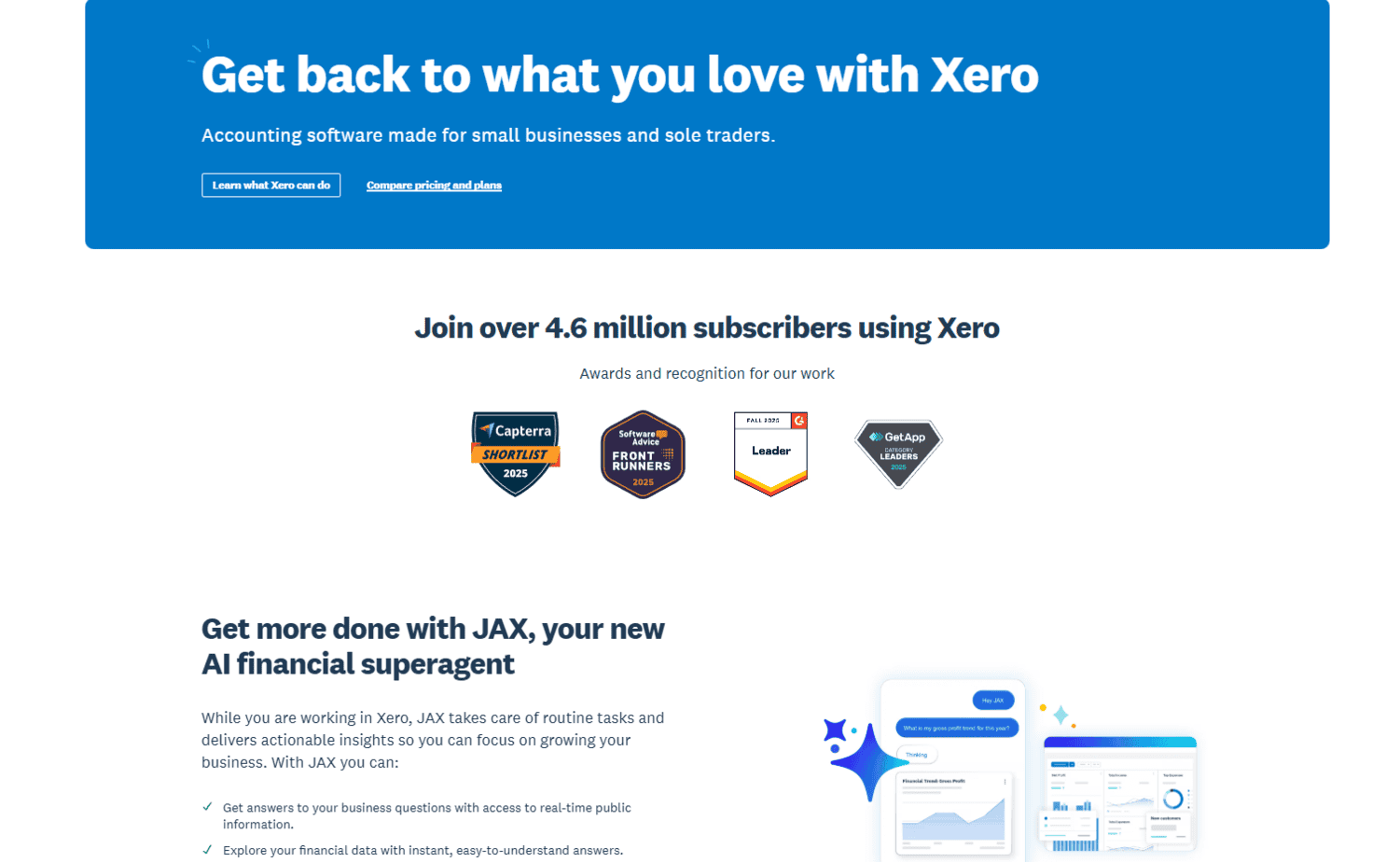
Xero is a cloud accounting platform with strong multi-currency support, flexible tracking categories, and a cleaner UI than many legacy tools. It has a solid following with global startups, agencies, and tech-forward firms.
How it integrates with Ramp
Ramp’s Xero integration automatically codes and syncs transactions from Ramp to Xero, including split transactions and project codes.
That means:
- Ramp cards feed directly into Xero with the right tracking categories (as long as the rules have been set up correctly).
- Receipts and memos can sync over, which reduces forensic accounting later.
- You keep your dimensions aligned between Ramp and Xero.
Where Xero shines
- Multi-currency and international entities: If you have teams in the U.S. and abroad, Xero tends to handle FX and cross-border workflows with less drama than some small-business tools.
- Tracking categories match well with Ramp metadata: You can tag transactions by cost center, project, or department, then keep those tags consistent between Ramp and Xero.
- Decent ecosystem for SaaS and agencies: Xero plays nicely with project management, invoicing, and payroll tools in different regions.
Where Xero falls short
- U.S.-centric payroll and tax: If you’re a U.S. business, much of the benefit of using Xero is lost, and you may still rely on external tools for payroll and sales tax.
- Fewer U.S. bookkeepers than QBO: Outside of tech hubs, you may struggle a bit more to find a local firm that truly specializes in Xero + Ramp.
Bottom line: If your Ramp cardholders are spread across countries or you want tighter multi-currency workflows, Xero is a strong alternative to QBO with a robust Ramp integration.
Sage Intacct: The mid-market control freak’s friend
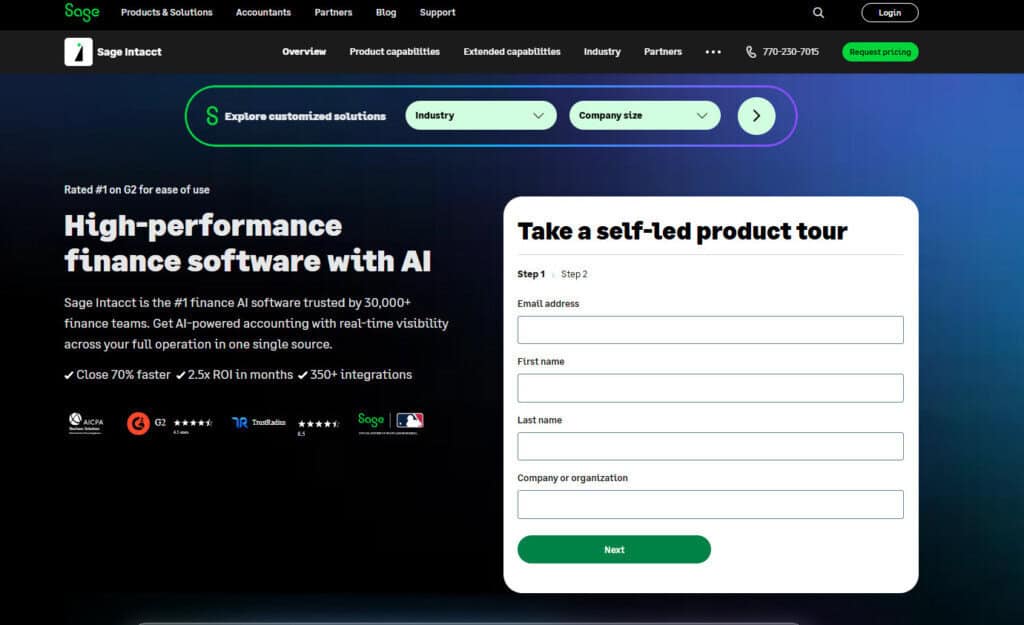
Sage Intacct is a mid-market, cloud-based ERP for finance teams that prioritize dimensions, multi-entity consolidations, and tight control. Think growing SaaS, non-profits, and multi-location service companies that aren’t ready for Oracle or SAP. It’s a great platform with a swath of offerings, but just be prepared to pay a premium for those offerings.
How it integrates with Ramp
Ramp has a direct integration with Sage Intacct, used by many customers to automate tedious tasks and accelerate close.
You can:
- Sync Ramp transactions into Intacct with mapped accounts and dimensions.
- Push expenses into the right entities and departments.
- Reduce manual journal entry work and reconciliation time.
Where Sage Intacct shines
- Serious dimensional accounting: Intacct’s dimensions (class, department, project, location, etc.) give you fine control over how Ramp spend hits your P&L and reports.
- Multi-entity consolidations: If you have several sister companies with a shared Ramp program, Intacct helps keep intercompany and consolidations sane. It’s one of the few tools that really excel with multi-entity reporting.
- Audit and control: Finance teams that need strong segregation of duties, approval workflows, and audit trails will feel right at home here.
Where Sage Intacct falls short
- Implementation overhead: You do not just “turn on” Intacct. Expect a structured implementation project, often with a consulting partner.
- Overkill for many small businesses: If you’re a single-entity business under $10M to $20M in revenue with simple operations, Intacct is often more system than you really need.
Bottom line: For growing companies that are too complex for QBO and want to keep Ramp at the center of spend, Intacct is a logical next step.
NetSuite: An enterprise-grade, Ramp-connected ERP
NetSuite is a full ERP suite that includes GL, order management, inventory, billing, etc. As such, it’s the system of record for many venture-backed and enterprise companies once they scale out of simple accounting tools.

How it integrates with Ramp
Ramp offers a NetSuite integration that focuses on real-time reconciliation and automation of manual accounting work.
You can:
- Sync card transactions, bills, and reimbursements into NetSuite.
- Leverage Ramp’s mapping to NetSuite accounts and segments.
- Reduce manual journal entries around card and AP activity.
Where NetSuite shines
- End-to-end ERP visibility: When NetSuite is your system of record for everything from sales orders to cash, flowing Ramp spend into it gives you a clean, full-stack view of operations.
- Complex entity structures: Multi-entity, multi-currency, and heavy revenue recognition are what NetSuite was built for, and Ramp can slot into that world. The depth of the platform cannot be overstated here.
- Deep customization: If you need custom fields, scripts, or workflows, NetSuite is particularly flexible, especially for larger finance teams with dedicated admins.
Where NetSuite falls short
- Cost and complexity: Licensing, implementation, and ongoing admin are all serious costs. Ramp helps clean up the expense side, but NetSuite itself is not light.
- Longer time to value: Expect months, not weeks, to get a full NetSuite + Ramp environment dialed in, especially if you are replacing a patchwork of tools.
Bottom line: NetSuite + Ramp makes sense when you’ve outgrown small-business accounting and want an ERP backbone that can handle everything under one roof.
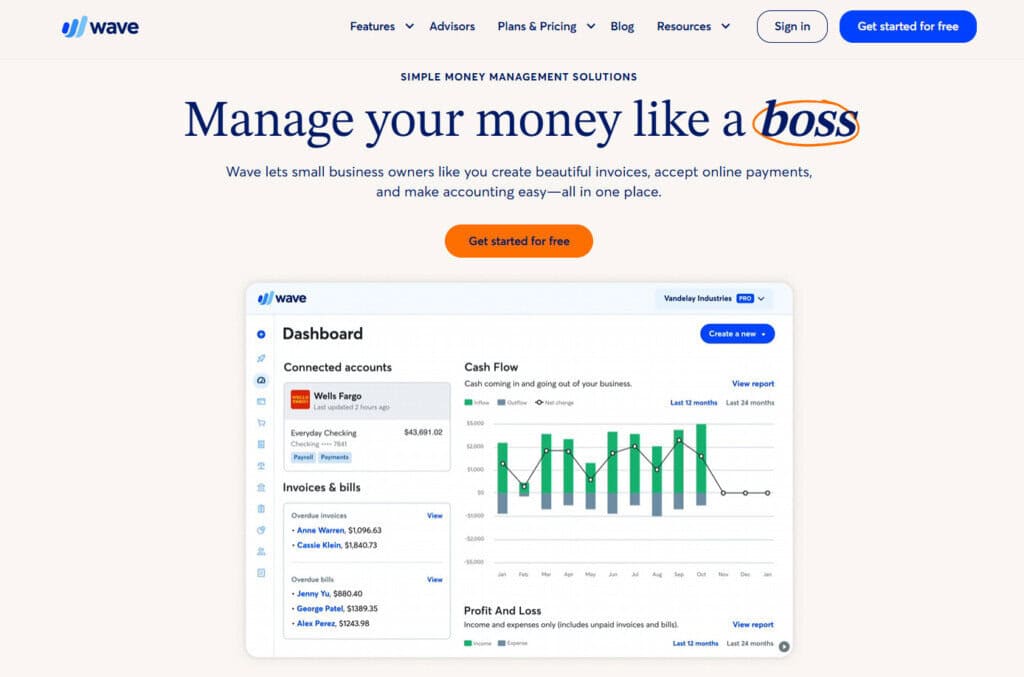
Wave: Budget-friendly accounting with Ramp CSV support
Wave is a free or low-cost accounting platform targeted at freelancers and tiny businesses. It’s not a deep ERP, but it covers basic invoicing, expense tracking, and simple reporting. It’s for business owners who just want to get their feet wet, or if they plan to run the books themselves with little prior accounting experience.
How it connects to Ramp
Ramp offers a Universal CSV (UCSV) integration for Wave, letting you configure tracking categories in Ramp to match your Wave setup and sync data via CSV format.
That means you can:
- Export Ramp transaction data in a structured way.
- Align vendors and categories between Ramp and Wave.
Where Wave shines
- Price: If you’re just starting out and every dollar matters, Wave + Ramp’s CSV support beats manual entry.
- Simplicity: For a one-person shop, a simple setup can be less intimidating than a full-fledged ERP.
Where Wave falls short
- Automation gap: You’re not getting a continuous, API-based sync here. You rely on CSV workflows, which means more manual effort and more room for error.
- Limited scalability: As soon as you add employees, departments, and serious reporting needs, you will feel cramped.
Bottom line: Wave is best framed as a stepping stone. It is nicer than spreadsheets and manual entries, but if Ramp is your main card and AP platform, you will eventually want a deeper integration.
Why Ramp + Puzzle Sets the Pace
Ramp has done a solid job building a neutral platform that integrates with the usual suspects: QuickBooks, Xero, NetSuite, Sage Intacct, and others. You can run a clean finance function with any of them, as long as you respect your chart of accounts and keep a tight review process.
Where things get interesting is when the accounting system is built around Ramp-level automation from day one. That’s what Puzzle aims for: using Ramp’s richer APIs, receipts, and metadata to cut month-end close and give you real-time GAAP financials, not just a prettier bank feed.
So if you’re a modern startup, a tech-heavy small business, or an accounting firm trying to manage a fleet of Ramp clients without burning out your staff, Puzzle + Ramp sits in a sweet spot. If you want the stack to feel like one cohesive system (and not just a card pushing files into an old ledger), Puzzle is what I’d start with.