

Last Updated on April 11, 2026 by Ewen Finser
If you’re comparing Emberos and Profound and trying to decide between the two, you’re probably feeling the winds of change blowing across the SEO and AI search landscape and taking steps to stay on top of it.
(And also trying to figure out exactly what to do…)
We’ve known for some time now that search and discovery aren’t just about blue links on the first page of Google anymore. People are getting information and recommendations directly from AI tools like ChatGPT, Perplexity, and even search engine AI Overviews, and those answers are shaping their decisions long before they ever find their way to your website.
That’s where platforms like Emberos and Profound come in. They both show up in conversations surrounding AI visibility lately, and at a glance, they can look pretty similar(ish). They track prompts (including search volume), monitor mentions and brand sentiment, give you a sense of how and where your brand is being represented, and provide insight on where to go next.
But once you spend a little time with them, it becomes clear that they have very different philosophies.
Key Takeaways
- Profound is an analytics-heavy monitoring platform, designed to help you understand how your brand appears across AI systems and provide prompt (query) insights that you can leverage for optimization in those spaces.
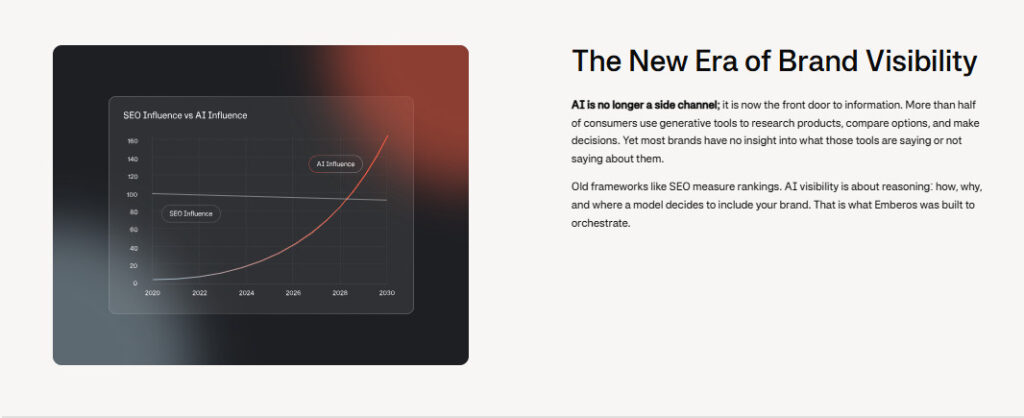
- Emberos is an orchestration and governance platform built to help you influence those outcomes (including shifting the narrative or updating incorrect information if needed), prioritize actions based on their projected positive results, and validate lift to tie everything back to ROI.
- AI visibility monitoring helps you understand what’s happening, which is the first important step toward optimization and improvement, but orchestration helps you decide what to do, and later on, prove that it worked.
The difference between the two platforms is about what problem(s) you’re actually trying to solve. I will say this, though: Emberos and Profound are two of the most powerful platforms available in the AI visibility space right now, and they’re both ones I’d recommend to anyone.
Emberos vs Profound At A Glance
Compare | Emberos | Profound |
Primary Focus | Integrations but limited compared to Emberos | AI visibility analytics and monitoring |
Philosophy | Influencing AI outcomes | Understanding AI outcomes |
Core Strengths | Strategy, prioritization, execution, validation | Deep analytics, attribution, prompt insights |
Prompt Insights | Yes, prioritized by impact | Yes, including prompt volume trends |
Predictive Capabilities | Core feature | No |
Workflow Execution | Built-in | Integrations, but limited compared to Emberos |
Attribution | Outcome-based and ROI-driven | Visibility and performance attribution |
Complexity | High (operational system) | High (analytics-heavy) |
Best For | Growth teams, performance organizations, enterprise AISEO | Data-heavy teams, analysts, enterprise marketing |
I’ll take you on a deep dive into both platforms so you understand what they prioritize and offer, and how to choose between them.
Emberos & Profound Approach Visibility & Optimization Differently
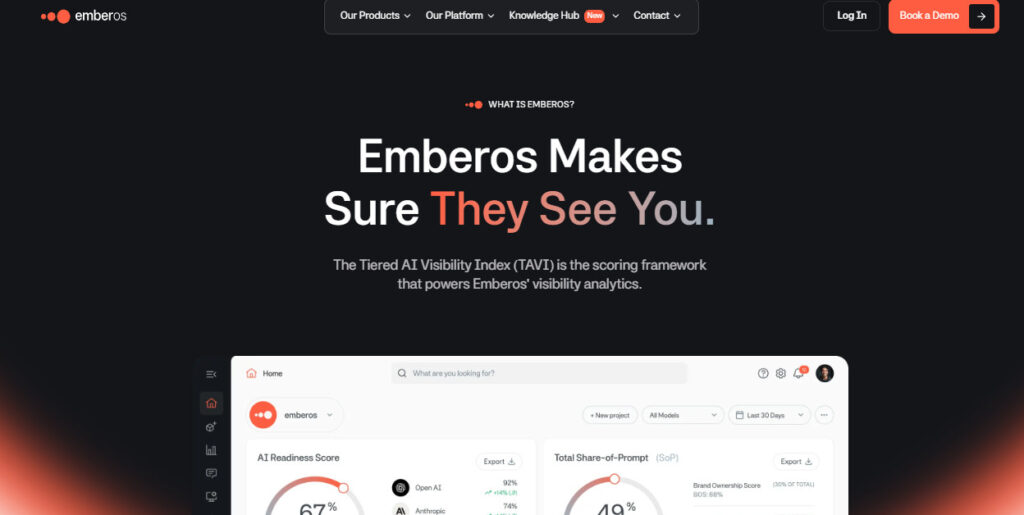
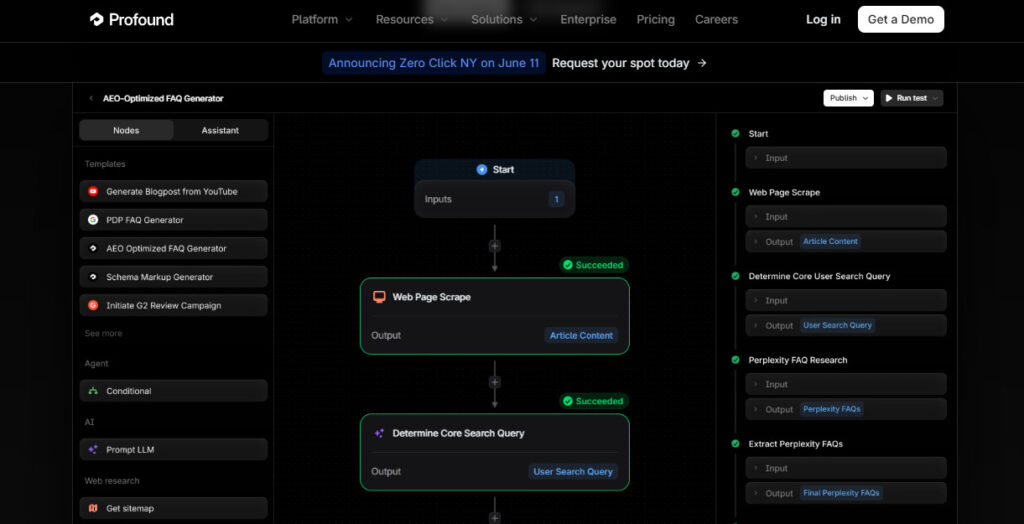
At a high level, the difference between Emberos and Profound comes down to their core philosophies.
- Profound is built to help you understand what’s happening.
- Emberos is built to help you prioritize what to do about it, predict what those efforts will do, and whether they worked.
Profound is, at its core, an analytics platform. It’s designed to answer foundational questions like: Are we being mentioned? In what context? How often? And why (or where) are competitors showing up instead of us? How many people are asking about XYZ, and in what context? It goes deep on those answers, and that depth is genuinely valuable.
But once you have that visibility, a second layer of questions tends to show up pretty quickly. Which of these gaps actually matter most? What should we fix first? If we make changes, what’s likely to happen? And maybe most importantly: Did any of it actually impact the business?
Those aren’t really analytics questions; they’re operational ones.
That’s where Profound stops, and where Emberos starts. Profound does offer directionality based on visibility gaps, but Emberos takes the implementation (and validation) much farther.
What Emberos Focuses On: Orchestration & Governance
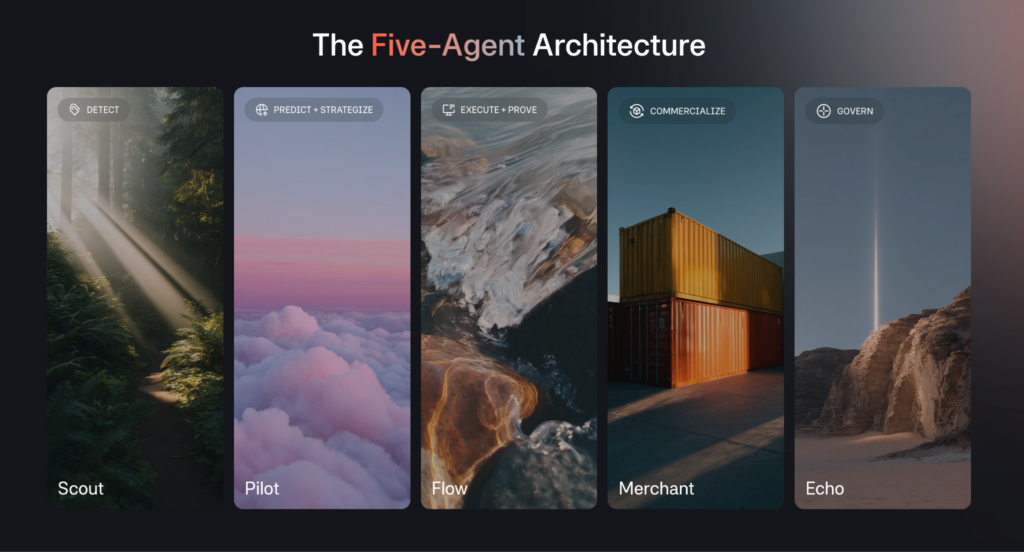
Emberos treats AI visibility as something you measure, but also actively manage. It connects the dots between signals, strategy, execution, and outcomes in a way most tools don’t come close to.
Emberos is built around orchestration and governance. Those sound like internet buzzwords, I know, but in practice they mean one very specific thing: Closing the loop.
Emberos approaches AI visibility less like a basic dashboard and more like a system you operate. It still monitors your presence across AI environments, like Profound (and many other AI visibility tools do), but it’s designed to connect a series of steps that are usually disconnected inside most organizations:
- Understanding what’s happening
- Deciding what matters and estimating or predicting end results
- Taking action
- Validating whether that action made a difference
In practical terms, that means Emberos translates surface gaps or compliance audits into specific initiatives (“Fix Packs”). These might look like content updates, changes to how your brand is represented across LLM sources, or ways to influence how AI models interpret your authority.
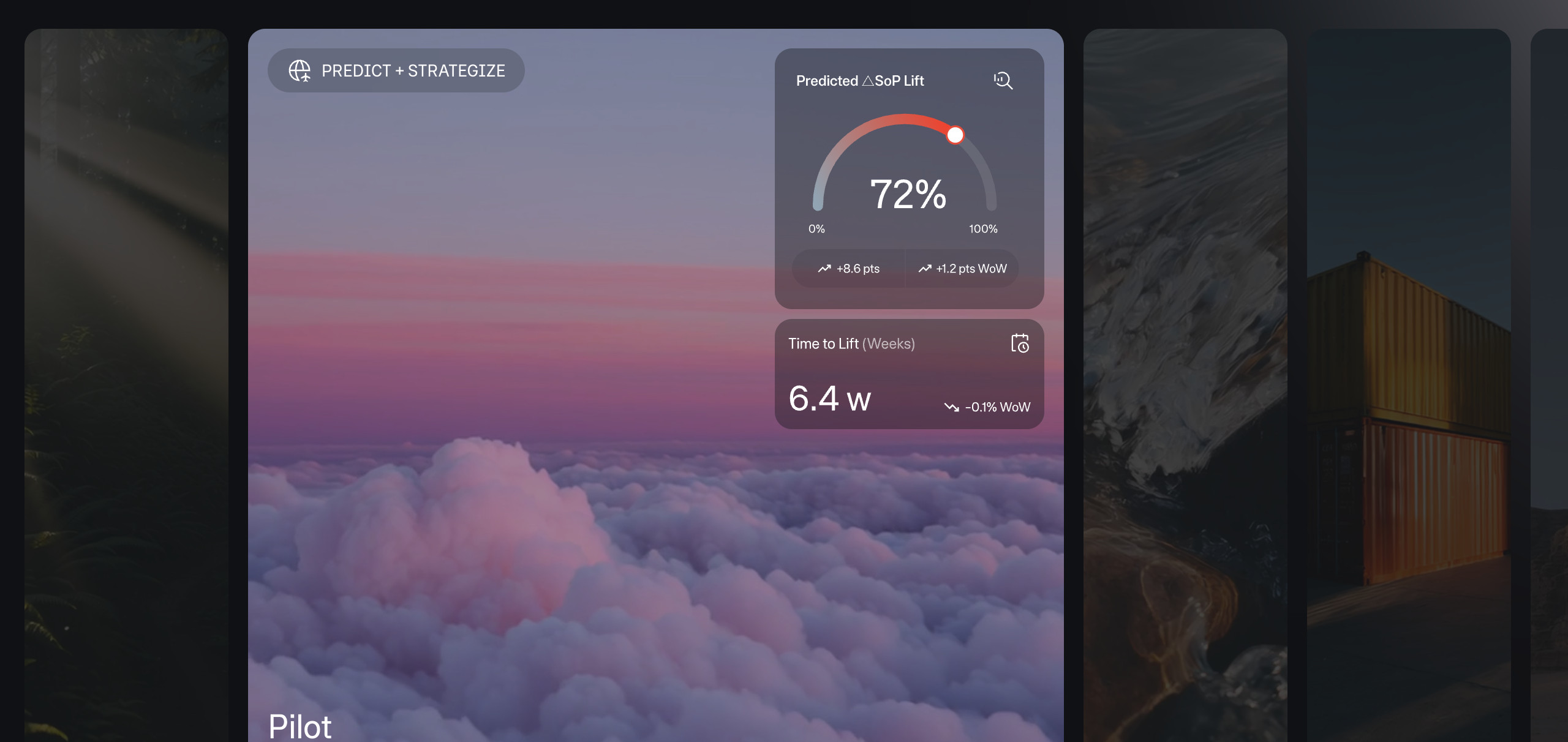
What’s different is that those recommendations aren’t just suggestions sitting in a dashboard somewhere. They’re prioritized, packaged, and pushed into actual workflows (like HubSpot, Jira, or Slack) so teams can execute quickly.
The move from insight to execution is a pretty big deal in practice. Most teams don’t struggle with seeing what’s wrong, especially when it’s “obvious,” but they’ll struggle with deciding what to do next and getting it done consistently.
And while Profound collects daily data points, Emberos monitors AI models continuously, so the moment incorrect information about your brand surfaces in an LLM (compared against your brand-verified data), you can take steps to rectify it in the source being cited. Quickly.
All of this is especially important for teams that:
- Are already investing in SEO, content, or PR
- Need to control the brand narrative in AI environments
- Are accountable for growth, not just reporting
- Need to prioritize limited resources based on potential most-valuable impact
How Emberos Validates Everything
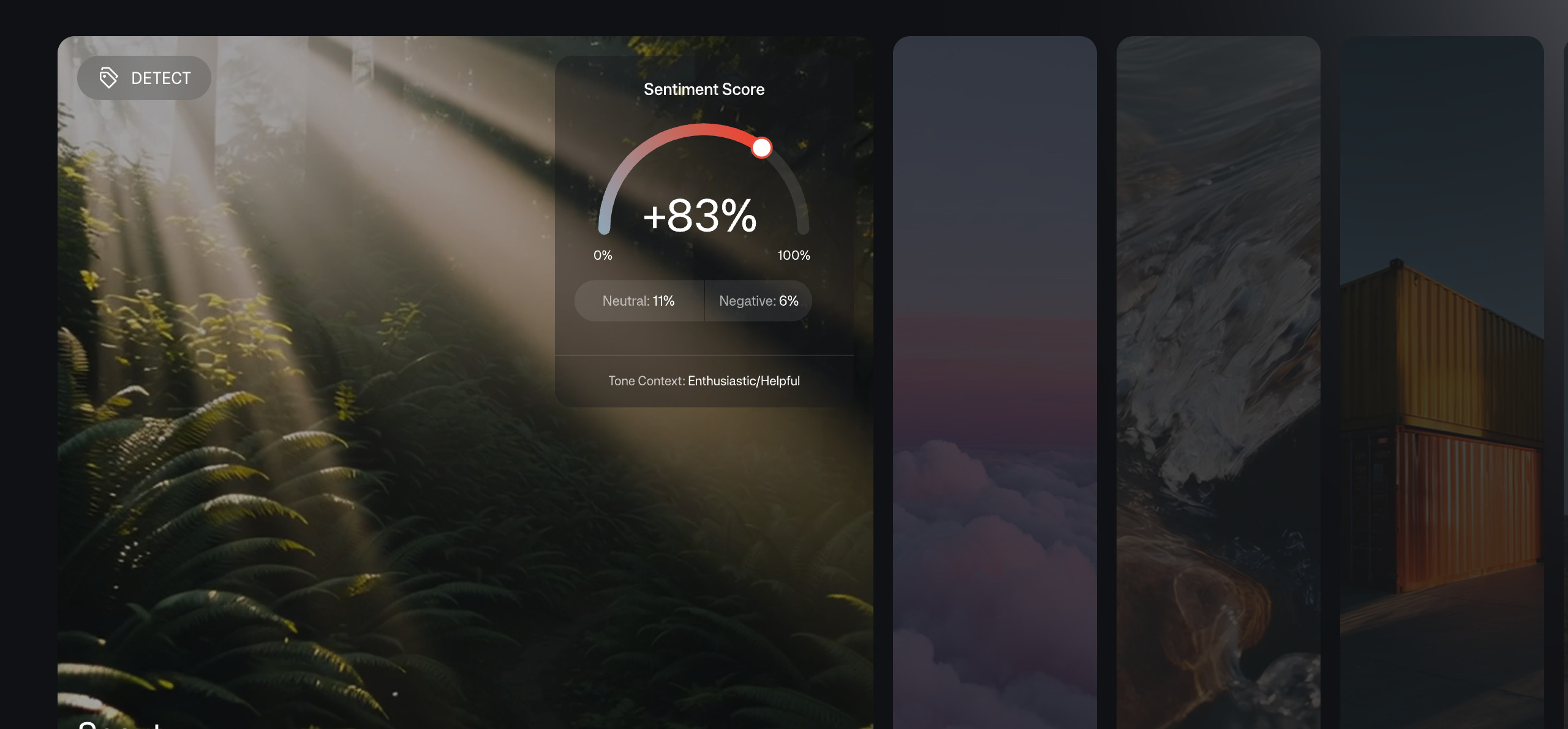
Most AI visibility tools, including Profound, are excellent at tracking surface-level signals: mentions, sentiment, share of voice, trends over time. That’s all important, but it doesn’t fully answer the questions leadership tends to care about:
Did any of this actually move the needle? By how much, and at what cost?
Emberos is built around that question.
One of the more interesting things it does is introduce a predictive layer. Before changes are even implemented, it can forecast how those changes are likely to impact visibility and lift. It’s not about being perfectly accurate (although its accuracy is quite high), it’s about giving teams a directional sense of what’s worth prioritizing.
It also treats visibility with a bit more nuance. A mention in a low-intent informational query is not the same as being recommended in a high-intent comparison or buying scenario, but most tools flatten those into the same metric. Emberos breaks visibility down by intent so you can see where it actually matters.
And then there’s the validation piece. After changes are implemented, it tracks what improved, where it improved, and how that all connects back to business outcomes. This is the part that turns AI visibility from something you “monitor” into something you can actually report on with confidence.
What Profound Does Well: Analytics
Where Emberos is about orchestration, Profound is all about depth.
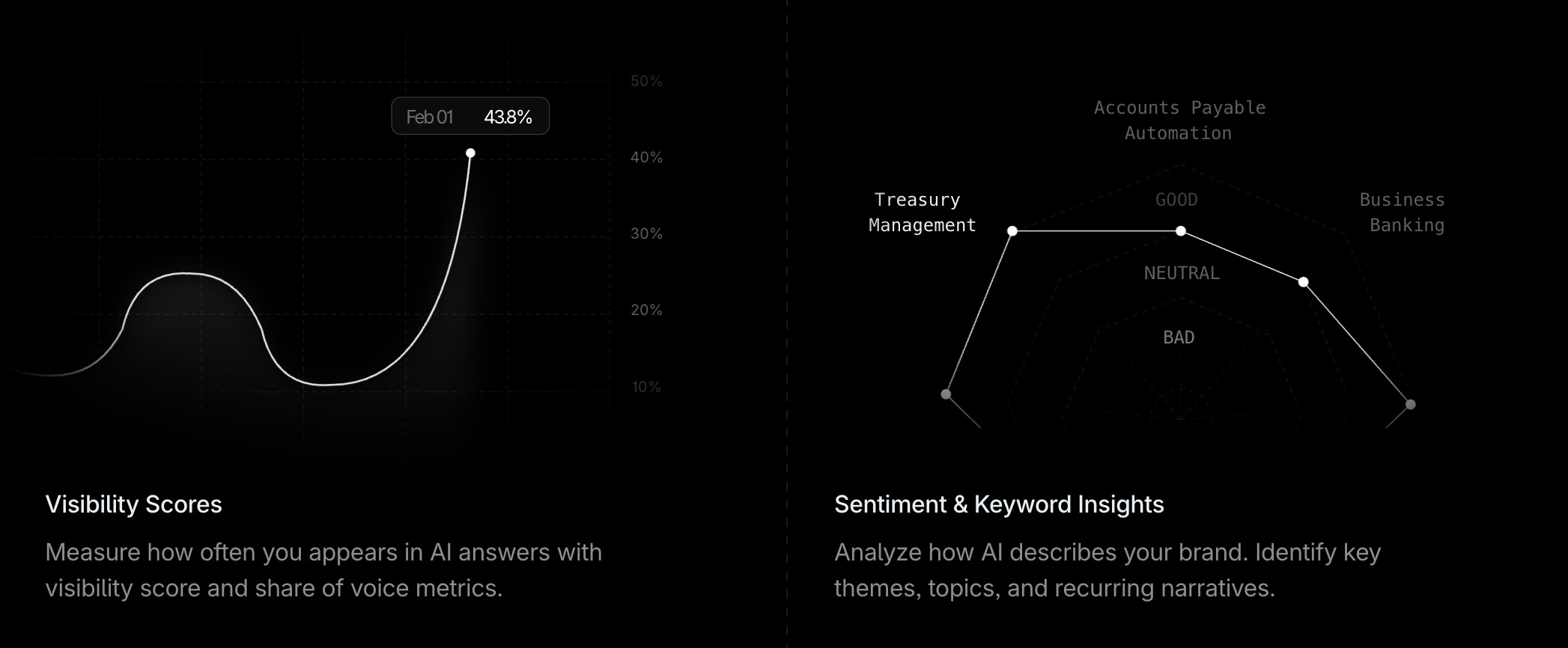
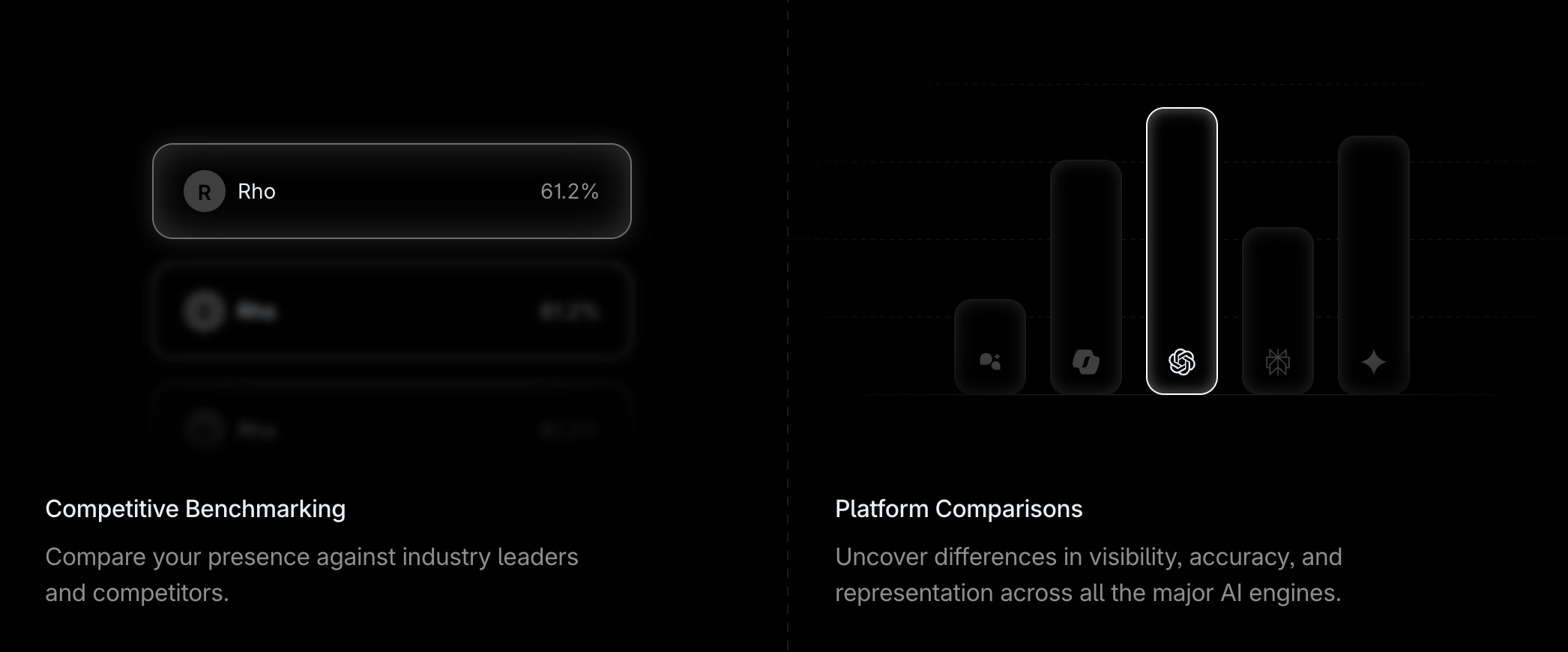
If your goal is to really understand how your brand is showing up across AI systems, it’s one of the stronger platforms out there. It gives you a detailed view into brand mentions, citations, sentiment, and competitor positioning across multiple models. But what makes it especially useful is how far it goes beyond that surface layer.
For example, its prompt-level data looks a lot like keyword research, only for LLMs. (If you’re at all familiar with using tools like Ahrefs or Moz, this will feel pretty similar.) You can see what people are asking, how often those prompts occur, and where your brand fits into those conversations. That’s incredibly helpful if you’re trying to align content or messaging with real demand.
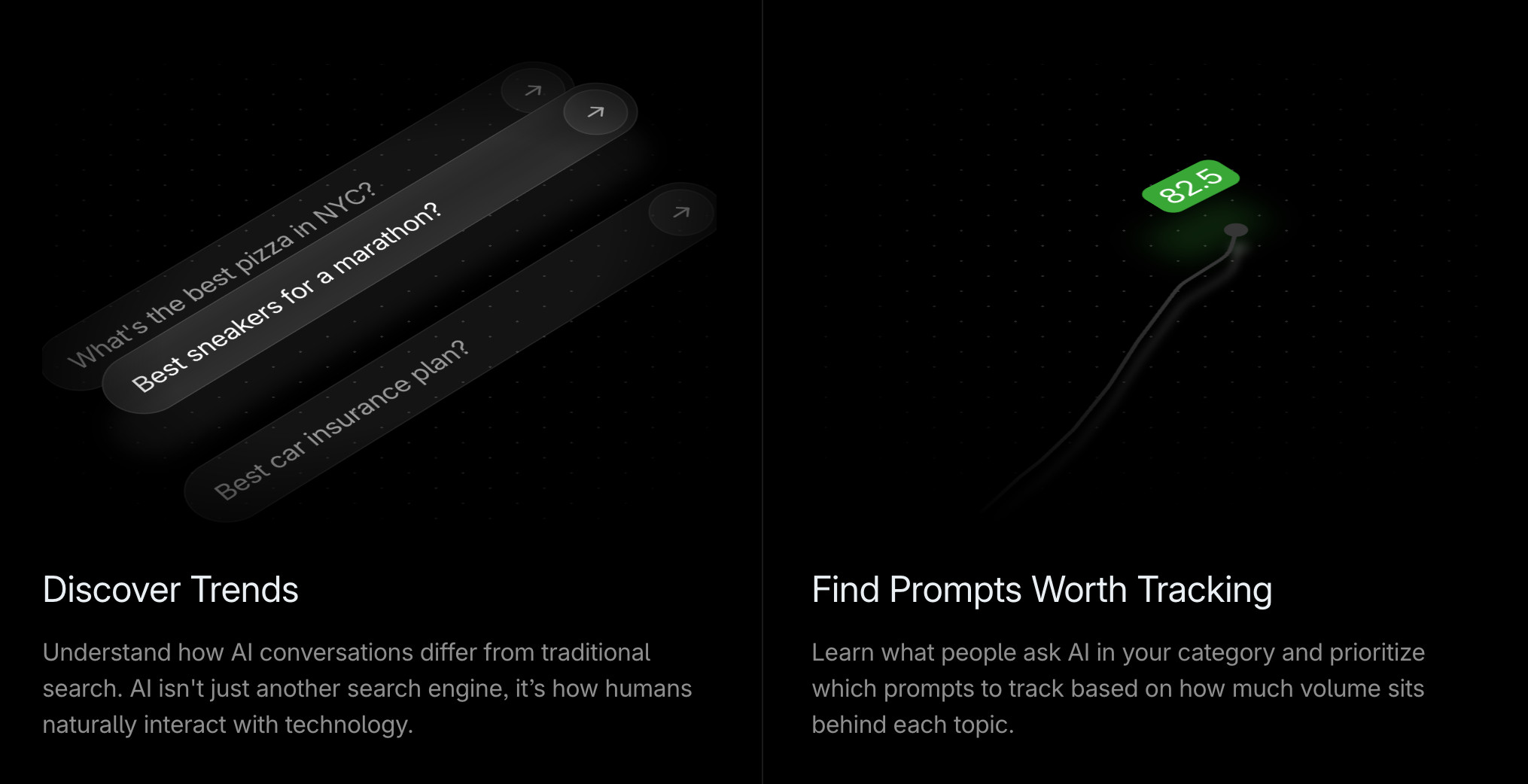
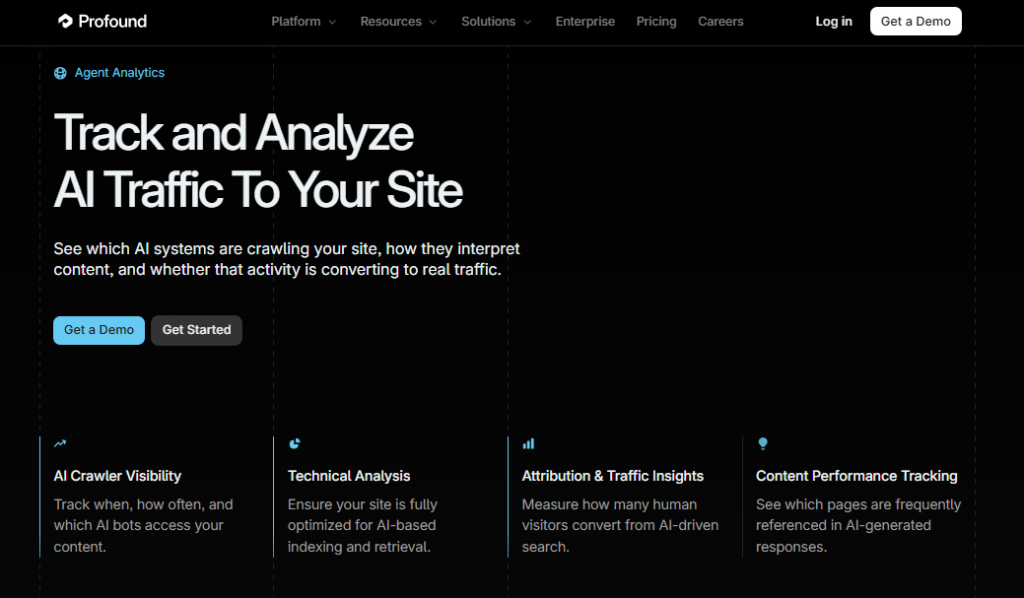
It also leans into technical insights in a way that a lot of tools don’t. Profound can show how AI bots are crawling your site and which pages are actually being picked up and referenced (or not, as the case may be). Those insights are especially valuable for SEO teams or anyone thinking about AI visibility from a technical angle.
And then there’s attribution. Profound doesn’t just stop at “you were mentioned here,” it helps connect that visibility to traffic and conversion signals. For data-heavy teams trying to reconcile traffic against AI visibility, that’s a big deal.
Limitations Of Profound
I’ll be honest. Most of Profound’s limitations aren’t really “flaws” as much as just being a reflection of what it’s built to do.
The biggest one is that it gives you a very clear picture of what’s happening, but it doesn’t necessarily help you decide what to prioritize or how to act on it. Those decisions still live with your team.
There’s also no predictive layer, which means prioritization can become a bit of a judgment call. If you’re looking at ten different gaps that have recommended actions, it’s not always obvious which ones are worth investing in sooner rather than later.
And like most analytics-heavy platforms, there’s some complexity that comes with the depth. It’s powerful, yes, definitely, but it can take time to fully understand and operationalize, especially if your team isn’t already used to working with this kind of data.
Profound integrates with CMS platforms like WordPress, Contentful, Webflow, and Sanity for easier execution, but it doesn’t verify lift the same way Emberos does. And if your brand operates in a highly regulated space (think healthcare, finance, or legal), Profound gathers data daily… but Emberos monitors continuously.
Deciding Between Emberos And Profound
The decision usually comes down considering whether you’re trying to understand AI visibility or actively manage it.
If you’re still figuring out how your brand shows up, what AI is saying, and where competitors are winning, Profound makes a lot of sense. It gives you the clarity you need to build that foundation.
But if you need predictive insights that turn prioritization into execution, you require heavy governance over brand information or narrative, and you also need to prove that impact later on, Emberos will feel like a much better fit.
For what it’s worth, it’s common to start with a platform like Profound to understand the landscape, and then move toward something like Emberos once AI visibility becomes a major initiative that needs to be reconciled internally.
Closing Thoughts
If you’re still building awareness and understanding and/or don’t need to validate any return-on-effort (or investment), analytics-heavy platforms like Profound are incredibly valuable. But when AI visibility becomes a thing you need to act on with accurate predictability and justify those measures, tools like Emberos start to make more sense.
I think as time goes on, too, we’ll see a lot more development in this space as far as features and capabilities go. AI visibility feels a lot like SEO did many years ago, during its earliest days… fragmented at first, but gradually developing into a layered system of reliable tools and workflows.
It’s an exciting time in internet history, for sure.