


Last Updated on April 7, 2026 by Ewen Finser
If you’ve ever worked in an aesthetic clinic, you know the chaos that can unfold when your software doesn’t keep up with your day. You may find yourself with double-booked rooms, possibly missing treatment notes, and clients asking questions that were already answered last week but, funny enough, no one can seem to find the message thread.
Choosing the right EMR can eradicate all of that stress. Choosing an EMR is about finding something that actually works with the flow of your clinic. And to be frank, most systems do not.
I’ve spent a good amount of time researching some of the best EMR softwares available keeping in mind the wide range of aesthetic practices. I’ve put together an honest breakdown of each. Here are the best EMR for Aesthetic Practices:
At a Glance
These are all modern solutions to running smoothly without constantly fighting your software.
What Makes Aesthetic Clinics Different

Before jumping right in, it’s important to understand the difference between a traditional spa and/or doctor’s office. You’re not just treating patients, you’re building relationships with clients who come back month after month for Botox touch-ups, laser sessions, and/or body contouring treatments.
Your EMR must be able to handle all the medical stuff, such as intake forms, consent docs, treatment histories, allergy info and more. It also has to support a completely different client experience. I like to say it’s like a boutique hotel meets a medical clinic. Your clients expect premium hospitality.
Why Your EMR Choice Actually Matters
When someone comes in for their fourth round of filler, your provider needs to know exactly what was used last time, where it was placed, how they responded, and what adjustments to make. They expect you and/or your time to be able to know or promptly access that information in order to provide a smooth elevated experience.
Think about it deeper from the client’s perspective. iIf they walk in and you’re frantically clicking through screens trying to find their appointment, or asking them to repeat information they already gave you online, or making them wait at checkout while the system freezes, they might not say anything, but they notice. Those little moments build up to a distaste. It’s just inefficient and can end up discouraging clients from your practice. Thus, costing you revenue and growth.
On the flip side, when everything flows smoothly? Like when your front desk knows exactly what’s happening, when you or your team can quickly access and pull up their full history in seconds, or when checkout takes thirty seconds instead of five minutes, that’s when you’re creating an experience that is worth spreading the word about!
And we haven’t even talked about compliance yet. It’s imperative to have airtight documentation, completed and accurate consent forms. Secure records. Clunky systems make this harder, which means it’s more likely to have things missed.
1. Boulevard: Premium Choice that delivers
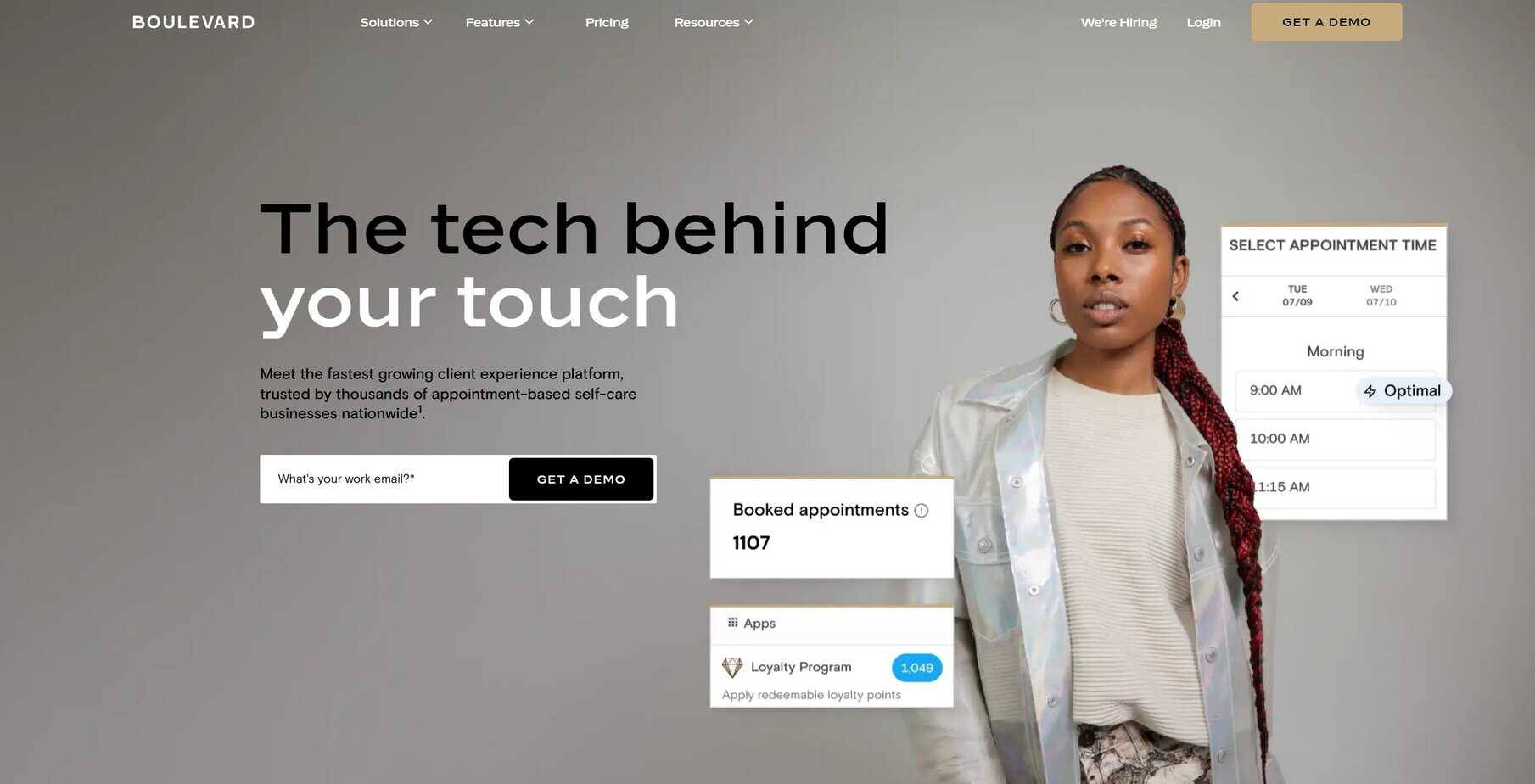
Plenty of software companies talk a big game about “premium experiences” and perfectly designed user interfaces; however, the reality often falls short. I must say, Boulevard is different. The platform was built specifically for appointment-based businesses like wellness clinics, salons and other self-care businesses. And it’s been recognized as the modern, standard-setter for spa software. What sets it apart is how thoughtfully everything is designed and that extends to the EMR software embedded in the platform.
Boulevard truly packs a punch with its features, their EMR effortlessly blends clinical documentation with daily operations. Its HIPAA-compliant charting includes features like customizable SOAP notes, image markup with side-by-side view of before-and-after photos, and more under client profiles. Boulevard connects all these EMR features directly to the Precision scheduling calendar – it syncs with digital intake forms, automated reminders, and POS. This is operational gold as it allows providers to handle admin work and manage care without integrating a bunch of systems.
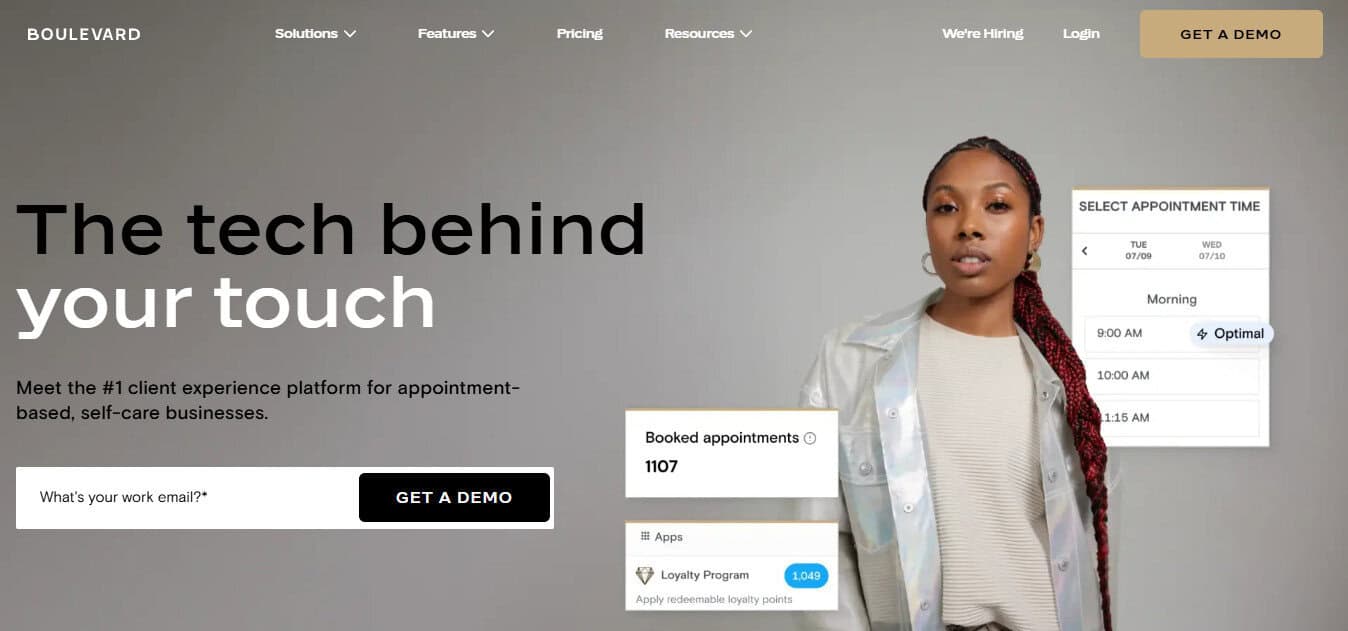
Boulevard was built for real stylists, salon, and spa owners. It handles booking, checkout, and smart scheduling the way busy salons actually work. It even handles marketing, from rebooking reminders to targeted emails and texts, plus it fills open spots with waitlist requests, without the scrambling.
Boulevard is no stranger to the tier system for pricing – as you can choose which package suits you and your practice’s needs the best. Pricing starts around $158 per month per location for the Essentials plan and extends all the way to “Enterprise” level with custom pricing for larger, multi-location operations. Boulevard also exclusively offers an aesthetic starter ($369 per month) and enhanced bundle ($421 per month) – a specially crafted package with features valuable to aesthetic practices.
Boulevard does sit at a higher price point compared to others on this list, so if you’re a solo practitioner watching every dollar, that monthly cost might sting quite a bit. It’s also worth mentioning that if telemedicine is on your radar for your practice, Boulevard doesn’t currently offer that feature, so you’ll need to hunt down an integration to host your virtual consultations.
Best for: Med spas of all sizes, but amazing for those that are scaling. Boulevard is a great choice if you value ease of use and don’t mind paying a little extra for something that actually looks and feels premium.
2. Vagaro: Budget-friendly and efficient
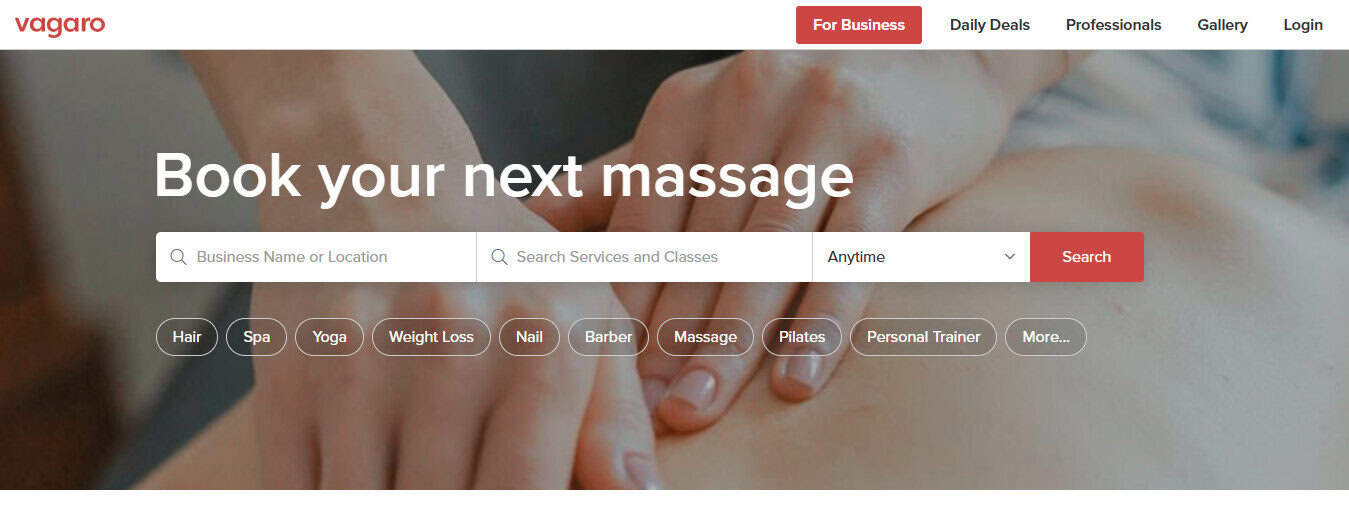
Not every practice can afford $200+ per month on their software which is totally understandable. Regardless of if you can or not, budget matters. Sometimes you need something that will get the job done, without draining your accounts, especially if you’re just starting out. This is where Vagaro shines.
Although Vagaro started out as a salon and spa software, it has expanded over into the med-spa space, where it caters to businesses that offer things like injectables, facials, laser treatments and more.
Vagaro offers a surprising amount of functionality for their monthly price. They offer a HIPAA-compliant EMR that works well for med spas looking for solid documentation without overcomplicating their workflow. You’ll have basic charting tools including SOAP notes and e-prescribing which are useful for practices that require the ability to write treatment plans and prescriptions. With Vagaro you have these EMR features blended with basic booking software features like online booking and automated reminders. For many clinics, it serves as a practical, all-in-one option that covers the essentials without needing too many integrated systems.
Now what’s special about Vagaro is their marketplace integration, where new clients can discover your business – this definitely provides some built-in marketing value in which you’d otherwise pay extra for elsewhere.
Vagaro does fall a bit short in the interface arena, as it isn’t as polished as other options on our list. Also, some features that you might find valuable are paid add-ons here. Your monthly cost can definitely creep up on you if you need things like advanced marketing or want to customize your branding. And since the platform wasn’t originally designed for clinical settings, it may feel less tailored to medical workflows that your dedicated med-spa EMRs.
Best for: The new practices, solo practitioners, or anyone working with a tighter budget but still wants real functionality. It’s not going to win any beauty contests, but for thirty bucks a month? Not much to argue against.
3. PatientNow: the Industry Vet
PatientNow has been serving the aesthetics industry for over a decade, having launched in 2004, making it a true vet in the space of med-spa softwares. That kind of history and rapport comes with some great advantages that would prove to be beneficial to aesthetic practices of all sorts.
PatientNow offers deeper EMR functionality, built to uphold practices that may lean more clinical, for example branches of plastic surgery and dermatology. They understand the clinical side of aesthetics in ways that newer companies have not mastered, as well as the concept of client retention and engagement (with respect to those mentioned on our list).
PatientNow has a robust HIPAA-compliant EMR that leans heavily into detailed, tedious charting and long-term patient management. Its documentation features pair well with tools like patient portals and Rx photo integrations making managing forms, communication and photo mark-ups smooth in the workflow. PatientNow layers membership and reporting dashboards to provide practices with clear visibility into performance alongside clinical care. For med spas that value depth it offers a structured, clinical-heavy software experience.
This company uniquely tailors your package to your practice size and needs ensuring that you’re only paying for what you need. However, PatientNow is firm and decisive. They typically require a one-year contract commitment, which can be an absolute headache to exit if the platform doesn’t end up delivering exactly what your practice needs or proves to be too complex. It’s worth keeping in mind that although PatientNow is more in-depth, it does have a steep learning curve and the interface can feel a bit dated – as compared to some newer platforms.
Best for: Established clinics—again, think plastic surgery and derm – or any clinic that needs deep EMR capabilities and sophisticated marketing tools.
4. AestheticsPro: the Compliant middle-ground

If regulatory compliance for your practice is keeping you from a good night’s rest, AestheticPro might be your best next investment. This is another well-established platform built for medical aesthetic practices. AestheticPro really shines with their clinical-heavy features. You can tell that they’ve studied the needs of practices like yours over the years and know just what to deliver to aid in your success.
AestheticPro is another solid option (similar to PatientNow) for practices that prioritize clinical depth and regulatory confidence. Its HIPAA-compliant EMR is built around detailed SOAP notes, patient records, e-prescribing, and secure photo storage, making documentation feel thorough. AestheticPro connects those clinical tools with basic operational functions like booking, membership and inventory tracking. For med spas that want a more clinically driven system, it offers a very structured and dependable set up.
When it comes to pricing – AestheticPro is one of the more accessible in this group, which definitely matters if you’re budget conscious, but still need serious clinical capabilities. They break down their pricing in tiers, starting with their Professional plan at $75 per month per user and extending all the up to $275 for Executive plan. They also offer an Enterprise plan at custom rates for larger operations.
It’s worth mentioning that this EMR software can feel a bit dated compared to some of the other software on our list. Furthermore, scheduling can become a bit clunky, as the workflow hasn’t been refined, so it’s wise for your team to keep an eye on those double bookings. Lastly, this is another software that will require some training to be proficient, but based on all that it can offer your practice, it’s totally worth it.
Best for: Practices that are more clinic-heavy and may need things like e-prescribing and telemedicine built right in. If you’re less concerned with user aesthetics and simply want an audit-ready documentation without breaking the bank, this is it.
5. Mangomint: Modern design with seamless integration

Mangomint approaches most spa software from a different angle. Their philosophy is what they call “invisible software”, with this idea that their platform would (or should) integrate into your daily operations so seamlessly that you would barely even notice it’s there. They understand that you shouldn’t be wrestling with your tools while trying to run your business and do what you love. Based on my findings, they’ve done just that.
Mangomint has built its software with the goal to make daily operations flow naturally without extra complexity. The platform’s HIPAA-compliant EMR features include your basic customizable SOAP notes, in-take forms and treatment charting. These features integrate directly with client communication and scheduling to keep documentation and care aligned. Mangomint makes communication a priority with their two-way texting and automated reminders. The goal is a smooth schedule where everyone is looping in. With these tools designed to fit together smoothly, the experience feels consistent and efficient for both the team and clients.
Their pricing is transparent and straight-forward. Mangomint also breaks their pricing down in tiers, ranging from their Essential s tier at about $165 per month for smaller teams, all the way up to Unlimited tier at $375 for larger teams/ multi-locations. This platform offers flexibility with their plans in case things just don’t work out.
Something to keep in mind when considering Mangomint is that they do not offer plans for solo practitioners. Mangomint is geared towards small to large clinical teams. Although this is a modern software, they fall a bit short in that clients are unable to take much control over their appointment (such as rescheduling) which can cause a bit of an inconvenience and pack-on work for the front desk team.
Best for: Small to mid-size teams that prefer a clean, modern look. This is a great option if you’d rather the software handle the busywork so you can focus more on clients and treatment.
The Bottom Line
I’m sure you didn’t get into aesthetic medicine to wrestle with clunky software. You got into it because you’re good at what you do, and desire to build something meaningful. Your days will already be jam-packed with consultations, treatments, staff management, and doing the little things that keep clients happy. The last thing you need to worry about is a system adding friction.
The EMR you choose should make your job easier, not harder. Not only to protect your clients, support your providers, and help your business grow without constant headaches, but to allow you to focus more on your craft and what you love doing.
At the end of the day, there’s no one-size-fits-all answer here. Every practice is different, every budget is different, and what works for the aesthetic clinic down the street might not work for you.
But if I had to break it down simply, Boulevard is the one to beat if you can swing the cost. It’s the kind of software that actually feels good to use, and trust me, that matters more than you think when you’re staring at it for eight hours a day. Your front desk will thank you.
Now, if the budget just isn’t there right now, don’t sleep on Vagaro. It’s not the most elegant, but it gets the job done and then some. For thirty bucks a month, you’re getting way more than you’d expect. Just watch the add-ons, they can and will sneak up on you.
AestheticsPro is solid if you’re running a more clinical operation and need the heavy-duty documentation stuff like e-prescribing and telemedicine baked in. PatientNow plays in that same space, but fair warning, it’s a bit of a learning curve and you’ll be locked in.
Mangomint is for the folks who crave automation, out of sight, out of mind, and, of course, a crisp design. If you want your software to basically run itself in the background, it’s a strong pick.
Whatever direction you go – if there’s one thing you should do first – test these out before committing. Furthermore, get your team in there clicking around! At the end of the day, the “best” software is the one you and your team will actually enjoy using. If it’s a comfortable fit for you and your team, the higher the chances of it improving your client experience.