


- The Bottom Line up Front
- The Platforms at a Glance
- The quick take: what each platform is
- Pricing and fees: where the money actually goes
- Risk tolerance and account stability
- eCommerce features: storefront versus rails
- Chargebacks, fraud, and subscription models
- Support, onboarding, and relationship
- Where each platform falls short
- Which one should an eCommerce business pick?
- Final verdict
Last Updated on December 11, 2025 by Ewen Finser
If you run an eCommerce shop in 2025, your payment processor feels less like a vendor and more like a business partner you’re sort of stuck with. Square is the friendly neighborhood option: quick sign-up, clean hardware, and a website in an afternoon. Luqra walks in more like the quiet numbers nerd in the back office who wants to squeeze every last basis point out of your card fees and give you real data.
So with Luqra vs. Square, one feels like a starter kit, the other like an upgrade for brands that live on thin margins and hate surprise account holds. The fun part is that both can work. The real question is which one fits the business you are actually running, not the one in the pitch deck.
The Bottom Line up Front
If you are a serious eCommerce brand that lives and dies on margins, chargeback risk, and stable processing, Luqra looks more like a “grown-up” merchant account built for online sellers. Square is the friendlier all-in-one toolkit that gets you online fast, but you often pay more per swipe and live with tighter risk controls.
Both have their place. The trick is matching the tool to the kind of business you’re actually running, not the one in the glossy ad.
The Platforms at a Glance
For those that can’t make it past the BLUF and intro, check out the quick comparison table before exiting the tab. And don’t feel bad, most of my clients are too busy for my ramblings as well, so I get it.
Dimension | Luqra | Square |
Fees | Negotiated merchant-style pricing; “meet or beat” rate posture; options for cash discount / 0% processing programs; more work up front, often lower effective rate at higher volumes. | Simple flat rates (e.g., around 2.6% + per-swipe fee in person and ~2.9–3.3% + fee online); easy to understand, but can be more expensive as online volume scales. |
Hardware | Works with a range of third-party terminals and gateways; focus is on payments infrastructure rather than branded hardware; better fit if you already have devices or a specific POS stack. | Tight hardware ecosystem (readers, stands, registers) that just works out of the box; ideal if you want one vendor for POS, terminals, and payments. |
Risk Management | Built more like a traditional merchant account with eCommerce in mind; chargeback tools and fraud controls are part of the pitch; more underwriting up front, but potentially more account stability at scale. | Payment-facilitator model with fast approvals; solid basic fraud tools, but more stories about sudden holds/terminations for certain categories or volume spikes. |
Support | Relationship-driven; more likely to have a dedicated rep and custom guidance on pricing, setup, and disputes; feels like a merchant services relationship. | Self-serve first with help center, chat, phone, and community; higher-touch support tends to kick in only for larger accounts or specific products. |
The quick take: what each platform is
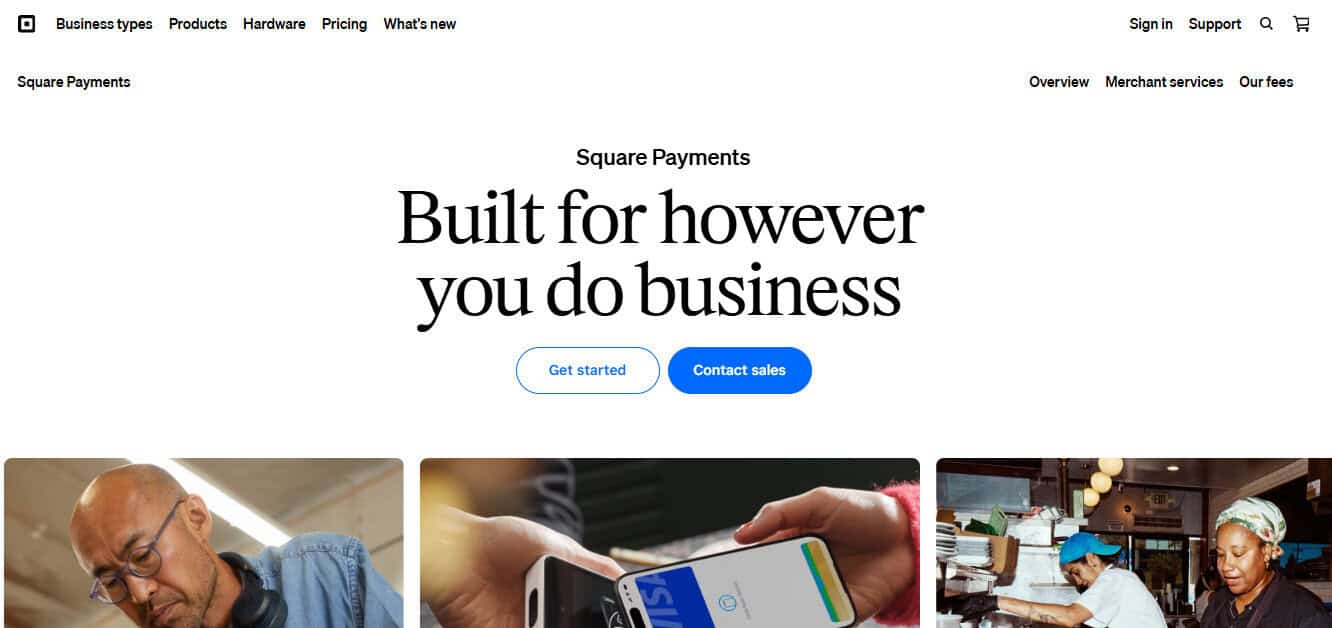
Square is an all-in-one payments and commerce platform, and you’re probably already somewhat acquainted with it. You get payment processing, POS, a website builder, invoices, basic inventory, and a ton of add-ons under one login. You can spin up an online store without talking to a human, plug in a card reader, and start taking payments that same day. Square keeps pricing simple with flat rates, especially for lower-volume businesses.
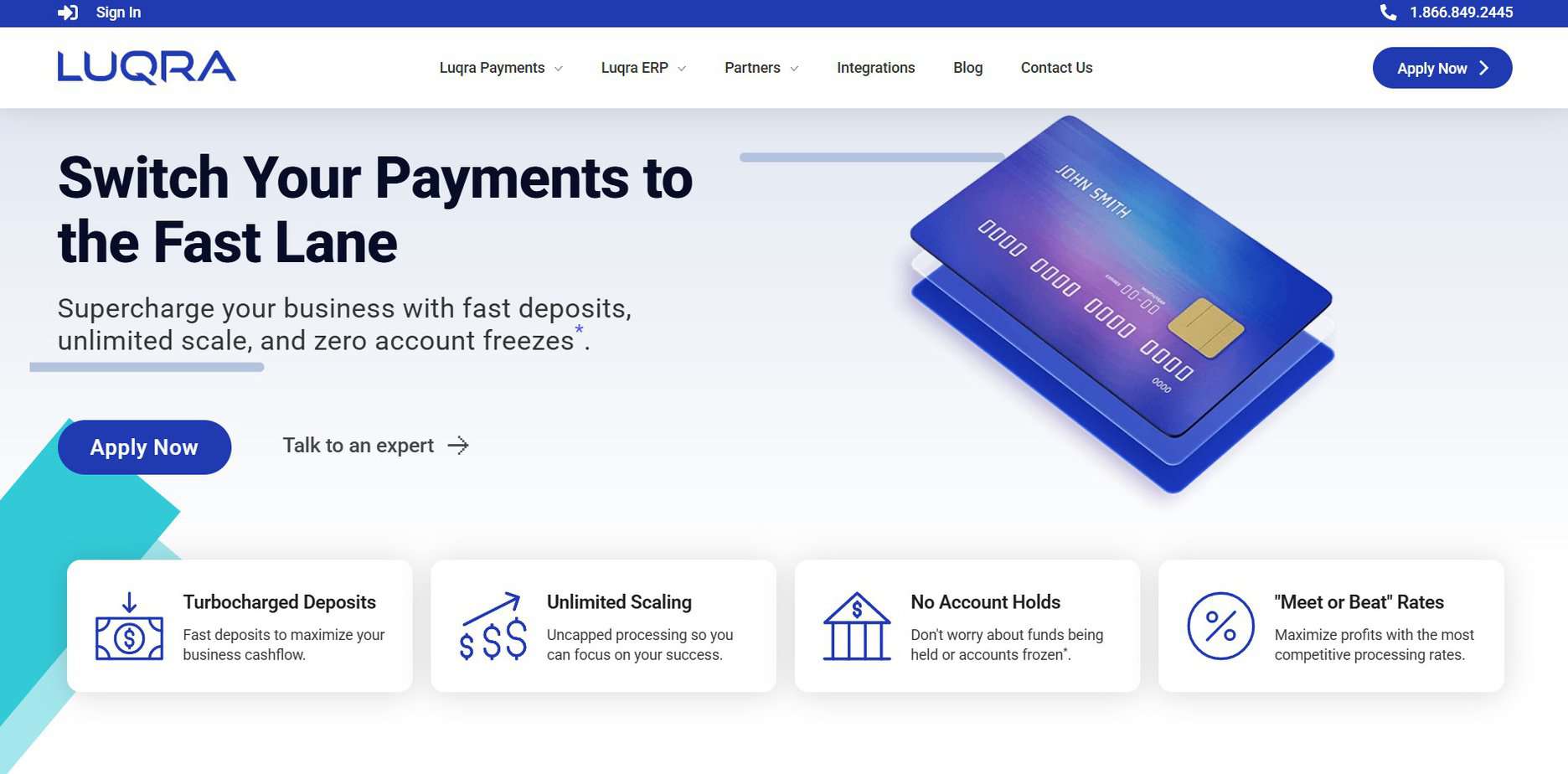
Luqra is a payment processor and merchant services provider that leans hard into eCommerce, omnichannel, and back-office finance. They pitch themselves as “the first payment processor built specifically for e-commerce,” with payment processing, gateways, merchant services, and a finance/ERP-style analytics layer under one roof.
In accounting terms, Square feels like a starter “payments in a box” stack. Luqra feels closer to a dedicated merchant account plus a light ERP built around online revenue.
Pricing and fees: where the money actually goes
Everyone looks at the headline rate. Fewer people look at the effective rate once you mix in card types, chargebacks, and ancillary fees.
Square’s pricing in a nutshell
Publicly listed Square rates are as follows (as of Dec 2025):
- In-person cards: about 2.6% + 10–15¢ per transaction
- Online payments: typically around 2.9–3.3% + 30¢ per transaction
- Manually keyed or card-on-file: slightly higher than the online payments costs
- Monthly software fees: $0 for basic, then paid tiers for Square Online Plus/Pro, retail, and restaurant plans. I have found most of my clients ultimately move away from the freemium versions of the platform.
For small or low-volume merchants, that simplicity is worth a lot. You know your rate. You don’t negotiate. You do not read a 50-page merchant agreement.
The tradeoff is that flat pricing is rarely the cheapest path once you start doing real volume online. Square’s effective online rate is higher than many traditional merchant account providers when you process at scale.
Luqra pricing in a nutshell
Luqra plays a different game. From their own website, they pitch the following:
- “Meet or Beat” rates: they market a guarantee to match or beat your current rates and promise rates that do not increase over time.
- As-low-as pricing for in-person: advertised starting as low as 2.0% + 10¢ on some standard card-present plans.
- Cash discount program: a $99/month, 0% processing model where you pass the card fee to customers (common in convenience, retail, and low-ticket environments).
- Merchant-account style pricing for online: typically interchange-plus or tiered pricing negotiated with sales, rather than one public flat rate.
In my opinion, for eCommerce, the real story is less the sticker rate and more the structure of how your business is set up:
- If you are a small Shopify boutique doing a few thousand a month, Square’s flat rate is fine.
- If you are doing mid- to high-six figures online, that extra 30–60 basis points on every card transaction starts to hurt. A merchant-style deal like what Luqra offers can shave meaningful dollars off your card spend.
Risk tolerance and account stability
I feel this is often overlooked and neglected. No one ever wants to talk about it. Risk tolerance is the part no one cares about until something gets frozen and you can’t make payroll.
How Square works behind the scenes
Square is a payment facilitator, not a traditional standalone merchant account for every single customer. That structure lets them onboard you quickly but gives them broad power to freeze funds or terminate accounts if they see risk.
The upside:
- Fast, almost instant onboarding
- Minimal underwriting friction
- Easy setup for side hustles, pop-ups, and new brands
The downside:
- More conservative with high-risk industries and certain eCommerce categories
- There are plenty of online stories of surprise account holds, especially when volume jumps, disputes spike, or when products fall into riskier buckets
How Luqra positions itself
Luqra positions itself much closer to a traditional merchant account: proper underwriting, contracts, a direct processing agreement, and tools aimed at higher-risk and higher-volume eCommerce.
They emphasize:
- Built-for-eCommerce processing so online spikes, subscriptions, and recurring billing are expected, not surprising
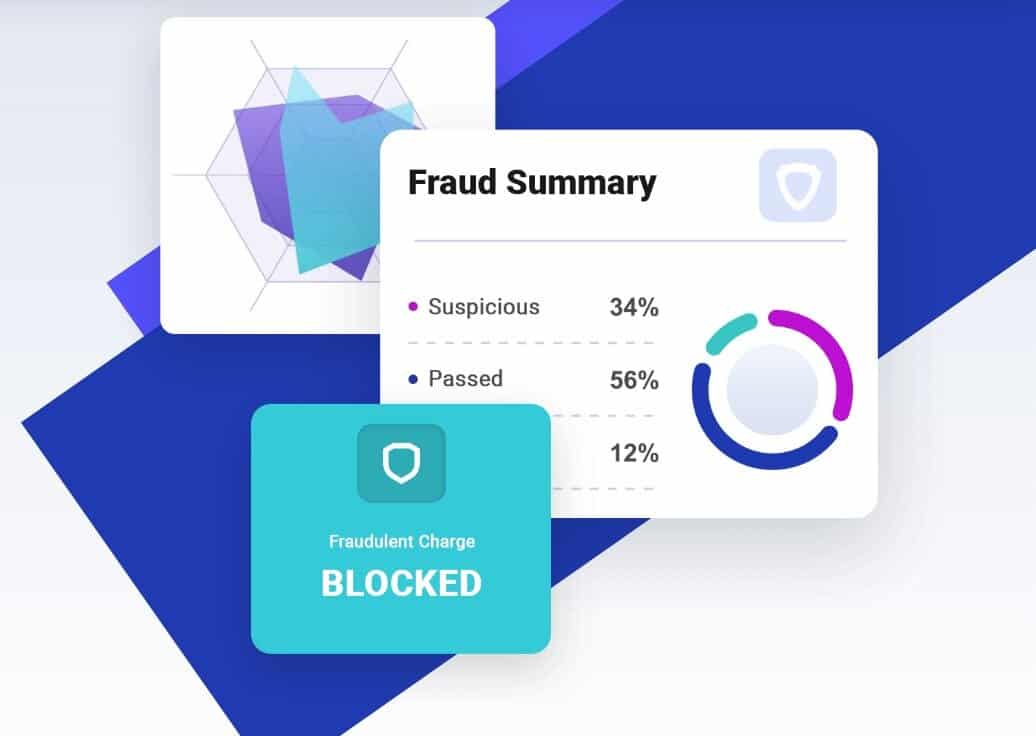
- Chargeback and fraud tools as part of the core platform
- Stable processing designed to avoid the “surprise freeze” stories that plague some all-in-one aggregators
That said, Luqra is not some magical exception to the rule that merchant processing is complex and regulated.
If you are evaluating Luqra, read the Merchant Processing Agreement, ask specific questions about dispute fees, and insist on a clear fee schedule. But the underlying model is still closer to a conventional merchant account, which tends to mean more stability once you are onboarded.
eCommerce features: storefront versus rails

This is where Square and Luqra feel very different from a founder’s point of view.
Square: full-stack commerce in a box
Square gives you:
- A hosted online store builder tied to your POS
- Built-in checkout pages and payment links
- Inventory sync between in-store and online
- Basic shipping, taxes, and customer directory tools
- A broad app ecosystem around marketing, loyalty, and appointments
If you need to get an online store up and running and do not want to think about tech stack, Square is great. You can add products, turn on Square Online, connect your domain, and immediately start taking payments.
Square’s weakness shows up later when:
- You outgrow the basic CMS and want a more flexible storefront (Shopify, WooCommerce, custom headless front end).
- You start bolting on a bunch of third-party tools (more logins, more monthly bills, more trainings for your team).
- You realize your payment rails, website, and back office are now tightly tied to one vendor.
Luqra: payments for the stack you already have
Luqra does not try to be your website builder. Instead, it plugs into the stack you already run or want to run. Their eCommerce messaging is very explicit about this: “Design your front-end website knowing it will have seamless integration on the backend with an all-in-one payment processing solution that manages the POS, chargeback management, fraud protection, shopping integration, etc.”
Practically, that means:
- Luqra slots in as the payment gateway and processor behind platforms like Shopify, WooCommerce, custom carts, and omnichannel setups.
- You keep the front end you like and treat payments as infrastructure instead of your website vendor.
- Chargeback, fraud tools, and settlement reporting all live where your finance team can actually use them.
If you are building a brand with a very opinionated storefront and tech stack, that separation is healthy. If you just want a nice site and to swipe cards, Square’s “batteries included” approach is easier.
Chargebacks, fraud, and subscription models
Most eCommerce founders underestimate this part until it starts biting into margin.
Square
Square offers:
- Standard fraud monitoring as part of its processing
- Tools for invoices, recurring payments, and some subscription-style billing
- Dispute management flows from within the dashboard
Square works well for straightforward recurring billing and lower-risk categories. You still deal with:
- The usual card-network rules
- Possible reserves or holds if disputes spike
Luqra
Luqra offers and talks a lot about:
- Built-for-eCommerce processing with chargeback management baked in
- Fraud protection alongside the core processing
- Best practices for subscription-based eCommerce and recurring billing
In my experience, what this means is that:
- You get more direct tools to manage and fight chargebacks.
- You have more control over routing and risk settings.
- You can build subscription and recurring models on top of gateways that expect that traffic.
Again, none of this makes you immune to risk. But if your model is subscription heavy or prone to friendly fraud (e.g., supplements, subscription boxes, digital goods), I would be more comfortable with a processor that centers eCommerce risk rather than general retail.
Support, onboarding, and relationship
Let’s talk about the human side of these processors. After all, there are people behind the scenes that make everything come together.
Square: self-serve first
In my experience working with my many SMB clients, Square’s strengths are the:
- Self-serve onboarding for almost any small business
- Help center, community forums, and standard support channels which can answer just about any question under the sun
- For larger merchants, access to sales and some account management
The experience is very “software company-esque”:
- Great if you are DIY-minded and comfortable clicking around.
- Less great if you want a dedicated rep who knows your name
Luqra: more merchant-account style relationship
As mentioned previously, Luqra’s posture is much more “merchant services provider” than “pure SaaS.” Their own pages push talking to an expert, working with a team to design your setup, and long-term optimization of rates and cash flow.
To me, this means:
- You are more likely to have a named relationship manager.
- You can negotiate terms, pricing, and setup based on your specific model.
- You have an actual person to call when something weird shows up in disputes or settlements.
You pay for that with a bit more friction up front, but for higher-volume eCommerce businesses, that is usually worth it.
Where each platform falls short

No platform is perfect, and both come with tradeoffs.
Square’s main drawbacks
- Cost at scale: Flat rates that felt fair at five digits a month feel painful at seven digits, especially for online.
- Risk controls: As a payment facilitator, Square can move fast when it thinks you are risky, which shows up as held funds or account terminations for some eCommerce categories.
- Limited depth for complex finance: Dashboards are good, but they are not a substitute for real ERP-grade reporting if you are building a large omnichannel brand.
Luqra’s main drawbacks
- Less of a household name: Square has massive brand recognition; Luqra is still a niche name in the broader SMB world.
- More complex onboarding: You are setting up a merchant account, not just clicking “Sign up with Google.” Expect underwriting questions and some back-and-forth. This complex onboarding also makes it difficult to set up a dummy account and surf Luqra to see if it makes sense for you.
- Fee transparency still matters: You should dig into every fee line item, especially around dispute tools and RDR-style services, and make sure you understand what triggers them. While Luqra positions itself as friendly to chargebacks and disputes, you still have to do your own due diligence.
If you go in eyes open, none of these are deal-breakers, but they are considerations.
Which one should an eCommerce business pick?
Rather than “Luqra good, Sqaure bad” or vice versa, I frame it by use case.
Luqra is usually the better fit if:
- You are doing mid- to high-six figures or more in annual online card volume.
- You care about shaving effective rate and card fees as a percentage of GMV.
- Your model has higher chargeback or fraud risk (subscriptions, digital goods, certain physical products).
- You want payments, disputes, and settlements tied into a more ERP-style finance and analytics layer.
In this world, Luqra functions as part of your core financial infrastructure, not just a checkout button.
Square is usually the better fit if:
- You are a smaller or early-stage seller wanting to launch quickly.
- You are happy to use Square’s all-in-one stack for website, POS, and payments.
- You value simple flat pricing over hunting for the last basis point of savings.
- You are in a lower-risk category and not pushing the edges of the risk model.
Here, Square is almost like a starter pack. You get online, learn your business, and worry about fine-tuning later.
Final verdict
For eCommerce businesses, Luqra is not trying to be Square. They are not chasing the “anyone can launch a side hustle in ten minutes” crowd.
Luqra is aiming at the merchants who already know payments will be a material line item in their P&L, not just a checkbox. If you are looking at card fees as a controllable cost, want merchant-style control over risk and disputes, and care about connecting payments into a broader finance and ERP picture, Luqra deserves a serious look.
Square still wins on ease, brand trust, and speed. For many small eCommerce businesses, that is enough.
But if you are building a real online operation with real volume and care about margin, your next step after reading this should not be “install whatever is fastest.” It should be to pull your last twelve months of statements, ask Luqra and Square for detailed proposals, and treat payment processing like what it actually is: a major driver of profit, risk, and cash flow, not just a line of code on the checkout page.